
Some recipes feel dated on paper and surprisingly modern on the plate. That was exactly my experience with a 1960s lasagna that quietly fixed nearly every problem I had with the dish.
Why a 1960s Lasagna Recipe Still Matters
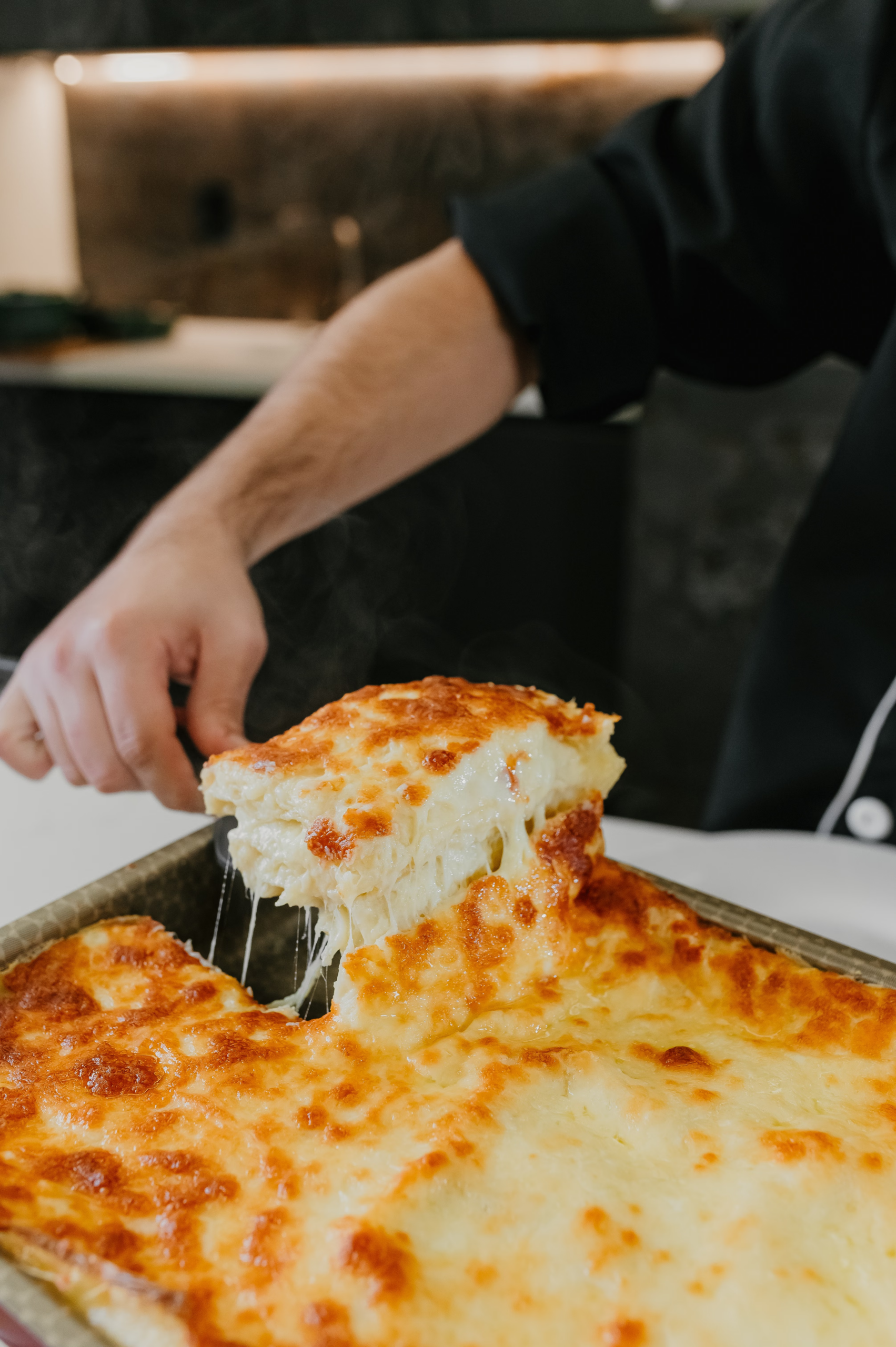
At first glance, a mid-century lasagna can seem old-fashioned, even overly strict. But many of those recipes were built in an era when home cooks valued consistency, economy, and structure, which are exactly the qualities modern lasagna often loses.
What stood out immediately was restraint. The recipe did not chase excess cheese, towering layers, or heavy seasoning. Instead, it aimed for balance, letting pasta, meat sauce, and dairy support one another rather than compete.
That approach aligns with classic Italian cooking principles, where proportion matters as much as flavor. In many regional lasagnas, especially older versions, success comes from controlling moisture and creating distinct layers that hold together after baking.
Making this recipe reminded me that innovation in cooking does not always mean adding more. Sometimes it means recovering techniques that were refined through repetition and practical experience in real family kitchens.
The Biggest Surprise Was the Sauce
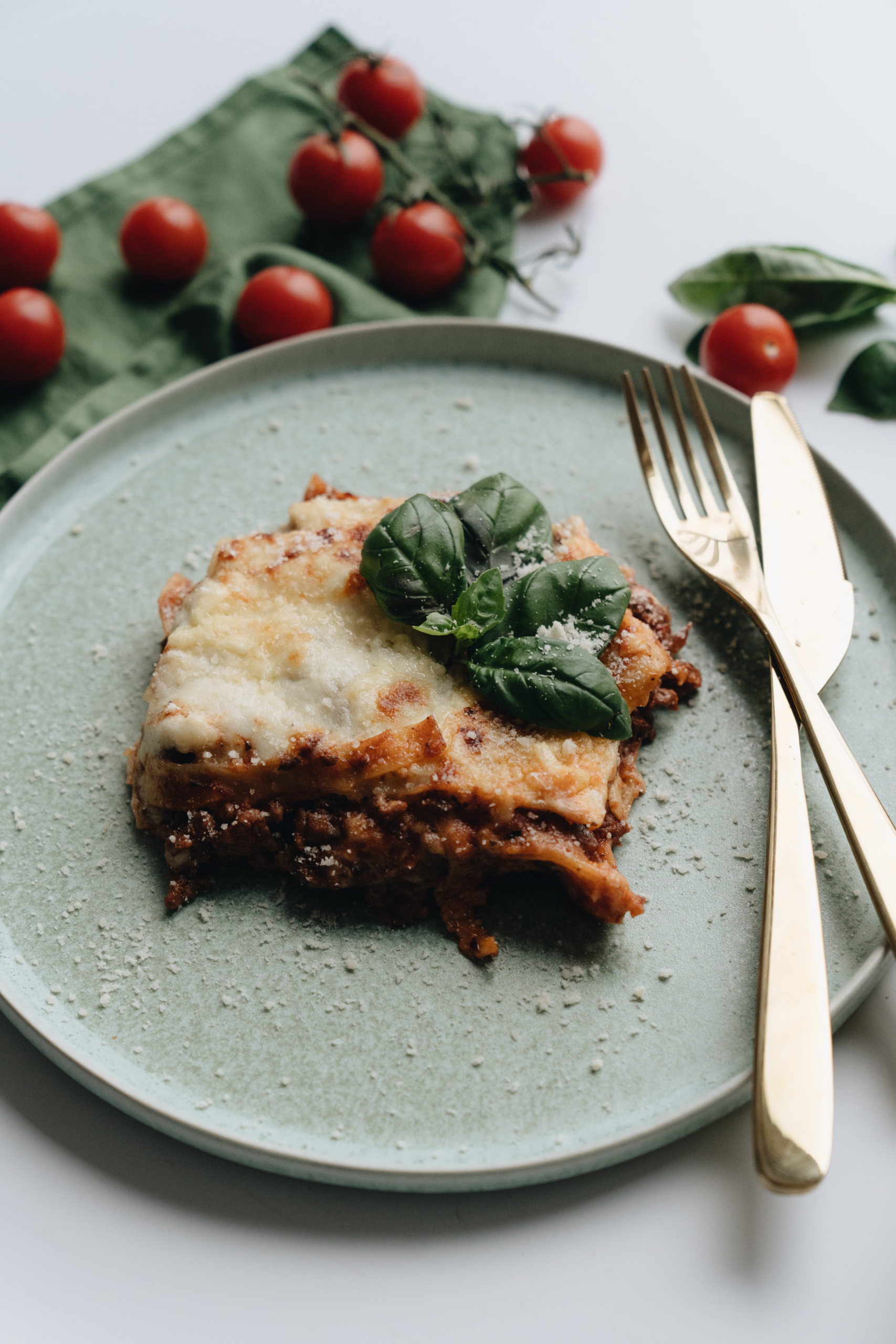
The sauce was not the thick, aggressively seasoned meat ragù many people expect today. It was lighter, smoother, and more disciplined, with enough tomato to brighten the dish and enough meat to give it depth without turning every bite dense.
That difference changed everything. A looser but carefully simmered sauce seeped into the pasta just enough, helping the layers bond while still keeping their identity. The result was tenderness without collapse, which is a difficult balance in baked pasta.
Older recipes often relied on longer simmering rather than larger ingredient lists. Onion, garlic, tomato, meat, and dried herbs had time to integrate, producing a fuller taste than many quick sauces loaded with sugar, extra paste, or excessive cheese.
I realized my usual mistake had been chasing intensity too early. This vintage method built flavor gradually, and the final lasagna tasted more complete because no single component overwhelmed the others.
Layering Was Treated Like Engineering
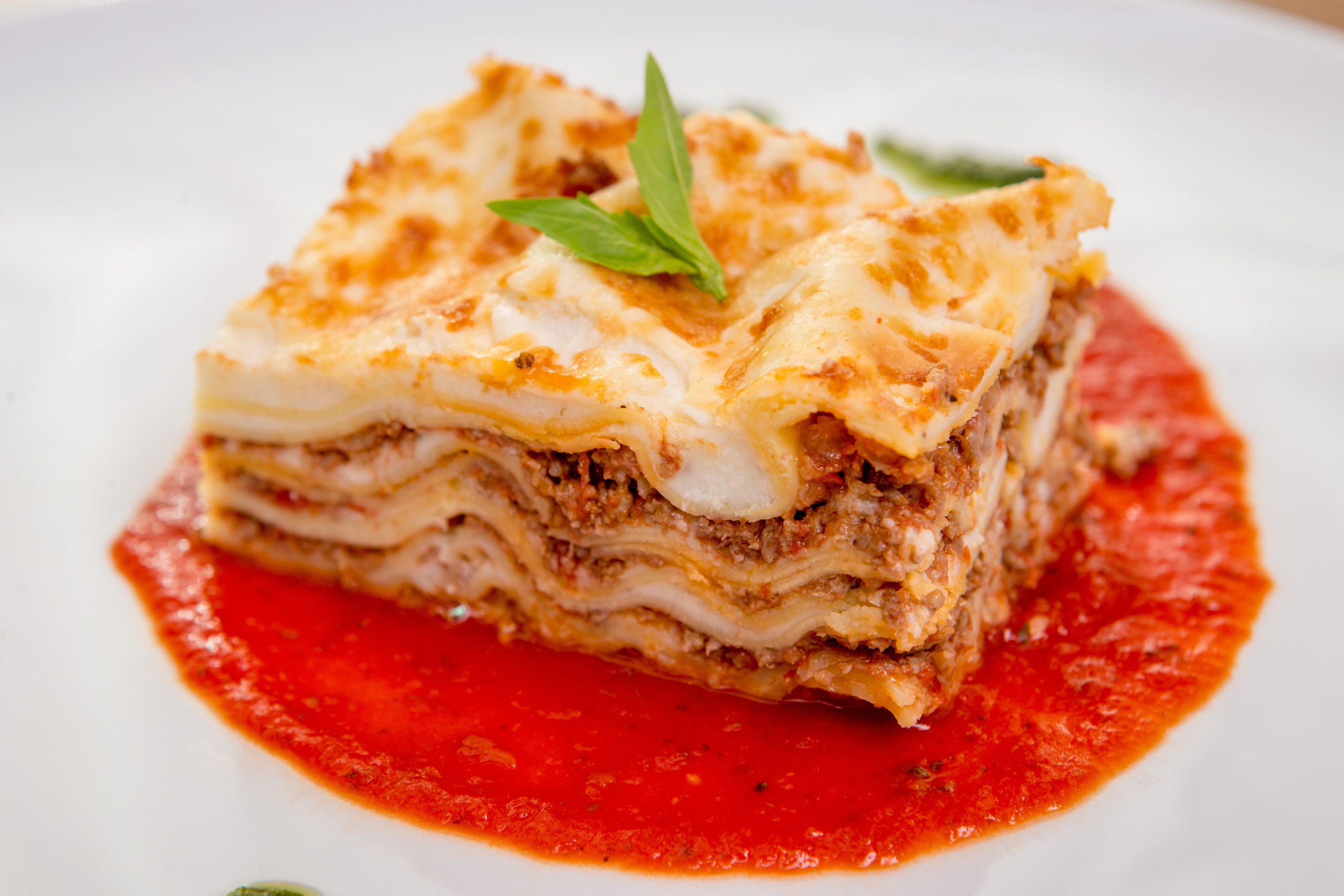
The real lesson came in the assembly. The recipe treated layering less like casual stacking and more like construction, with deliberate amounts of sauce, cheese, and pasta placed to create support, even cooking, and clean slices.
That mattered most in the center of the pan, where modern lasagnas often become watery or slide apart. By using thinner layers and spreading fillings edge to edge, the 1960s method reduced air pockets and prevented uneven baking.
There was also a practical rhythm to it. Sauce on the bottom protected the first pasta layer, modest cheese prevented greasiness, and repeated thin layers distributed flavor more effectively than a few overloaded ones ever could.
Food editors from the mid-century era often emphasized appearance because casseroles were meant to be served neatly. I used to dismiss that as cosmetic, but it turns out a tidy slice usually signals better texture and better moisture control.
The Cheese Strategy Was Smarter Than Mine
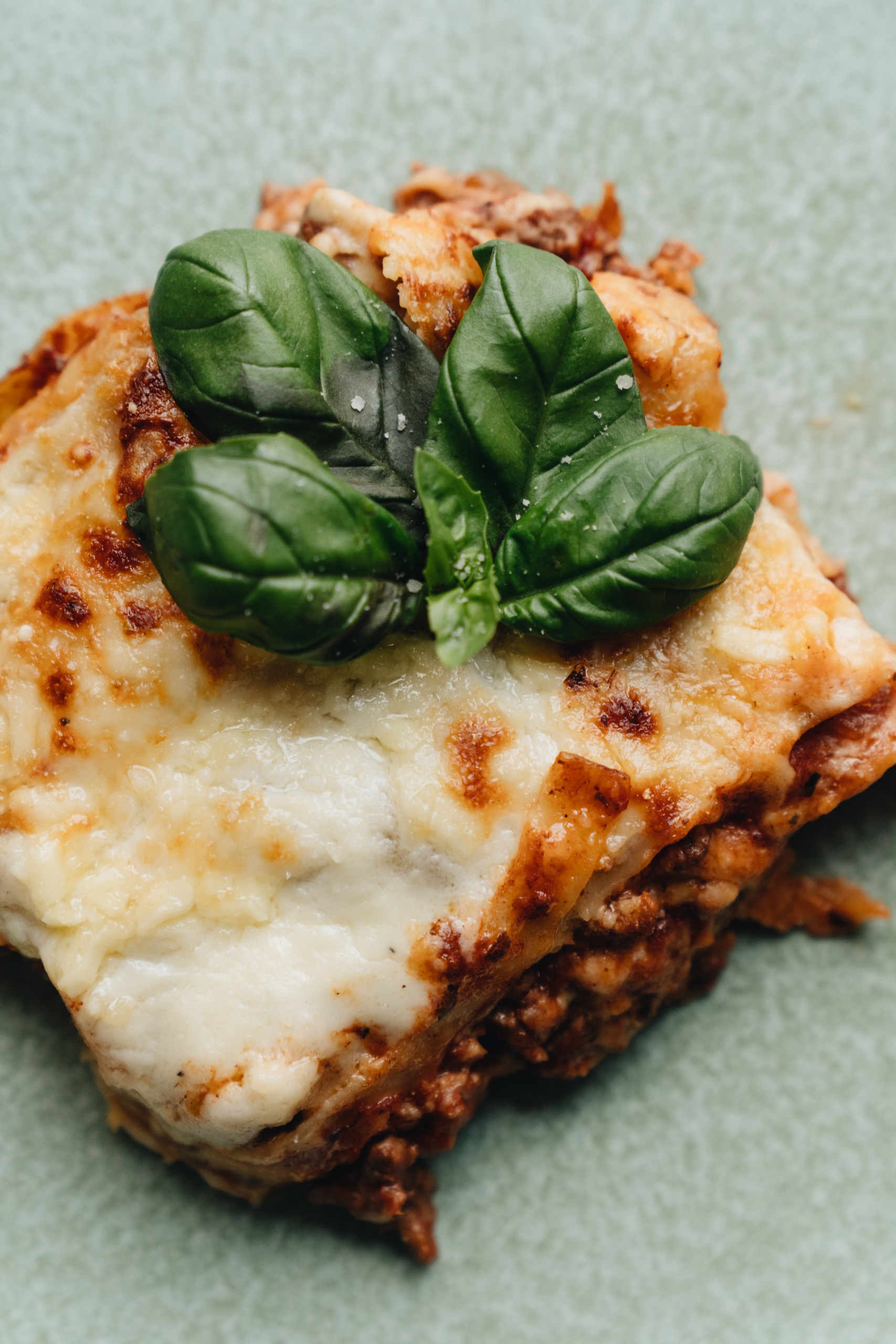
What surprised me next was the cheese ratio. Instead of burying the dish under mozzarella, the recipe used cheese with intention, creating creaminess and savor without the heavy blanket that can make lasagna greasy and one-note.
Many 1960s American lasagna recipes combined cottage cheese or ricotta with egg, parsley, and grated hard cheese. That mixture formed a stable layer that baked into a soft, custardy filling instead of melting into a shapeless mass.
Parmesan or Romano played a bigger role than I expected. Those cheeses brought salt, nuttiness, and concentration, meaning the dish needed less overall dairy to taste rich. It was a stronger flavor payoff with less bulk.
After one bite, the logic was obvious. Too much mozzarella mutes contrast and traps steam. This older formula preserved texture, sharpened flavor, and made every layer taste more intentional.
Baking and Resting Made the Final Difference
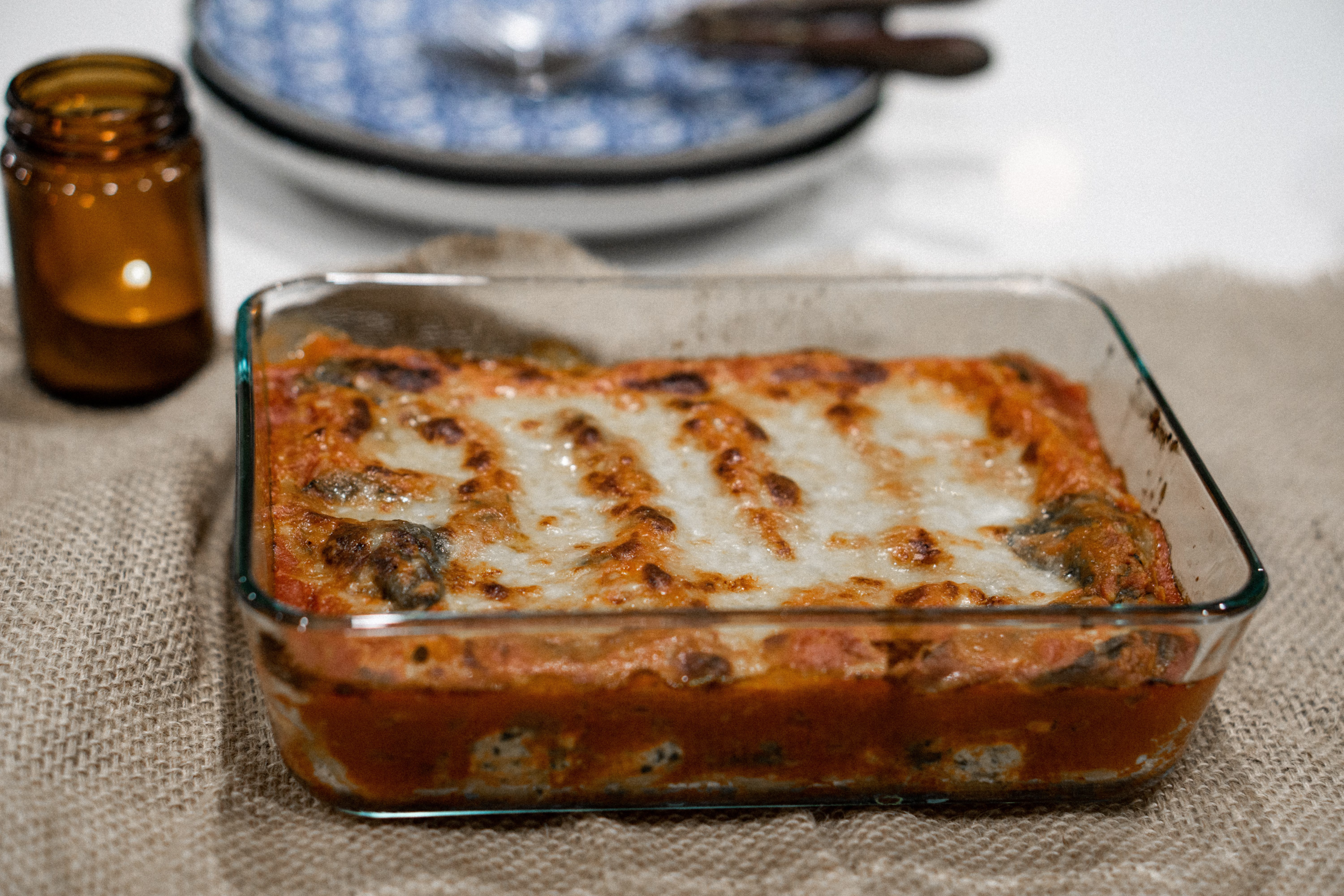
The baking method was equally instructive. The recipe favored a covered start and an uncovered finish, which protected the top from overbrowning while giving the interior time to heat through and the starches time to absorb moisture.
That sequence solved a problem many cooks know well. If lasagna browns too quickly, the top can look done while the center remains loose. A foil-covered first phase creates even heat, while the final uncovered stretch builds color and concentrates flavor.
Resting after baking turned out to be nonnegotiable. Ten to fifteen minutes was not an arbitrary wait but a structural step. As the lasagna cooled slightly, the proteins and starches settled, making slices cleaner and the texture noticeably more cohesive.
In restaurant kitchens, resting is standard practice for dishes that need carryover settling. Applying that same discipline at home transformed the pan from bubbling casserole into a composed, sliceable main course.
How It Changed the Way I Cook Lasagna Now
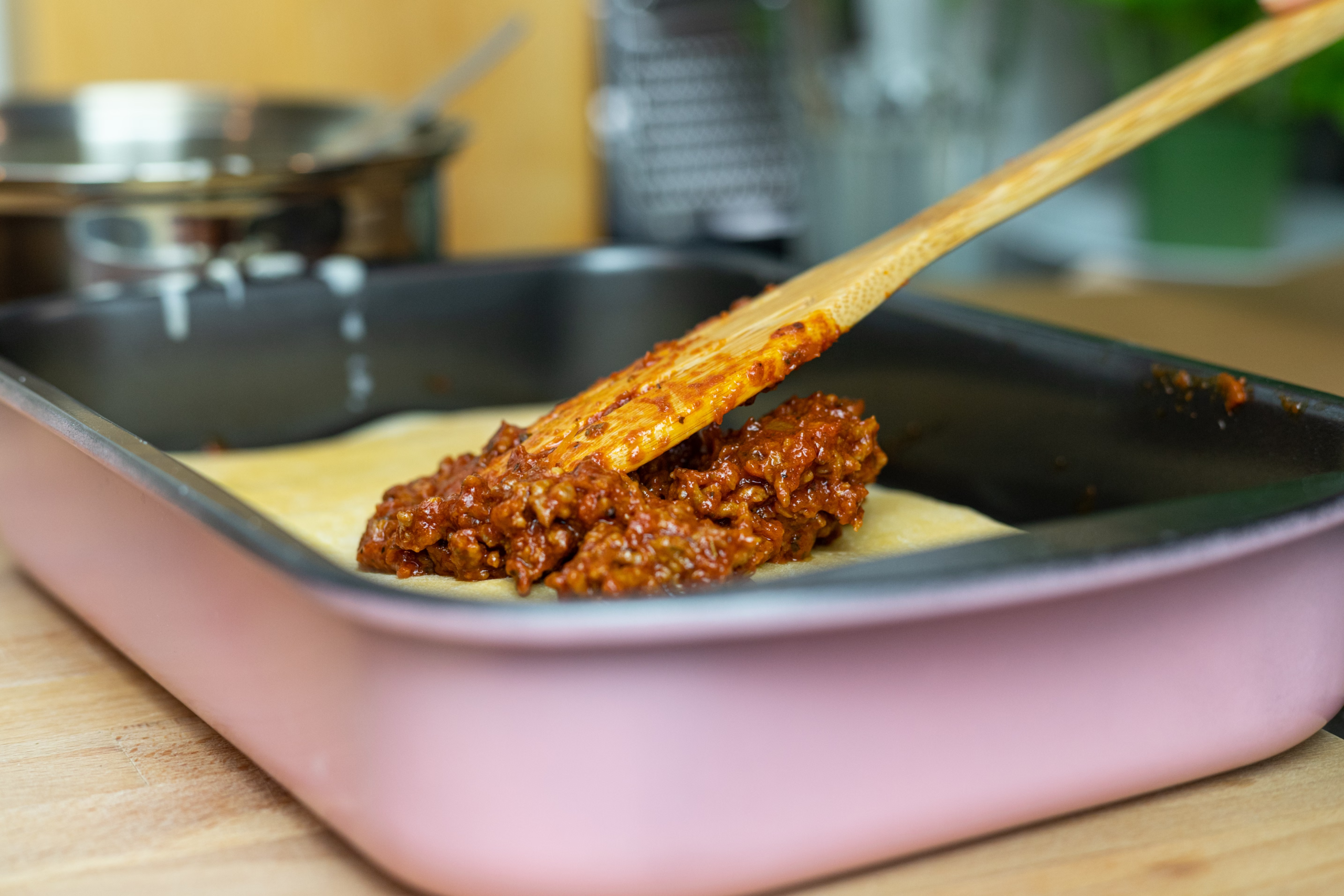
I do not make lasagna the same way anymore. I use a more restrained sauce, thinner layers, sharper cheese balance, and stricter attention to moisture because this vintage recipe proved that control creates a better eating experience.
The biggest change is psychological. I used to think a great lasagna had to feel abundant in the most obvious ways, with more cheese, more meat, and more height. Now I look for harmony, where each layer contributes without taking over.
This also makes the dish more practical. It reheats better, portions more neatly, and avoids the heaviness that can make lasagna feel exhausting after a few bites. In a real household, those advantages matter as much as dramatic first impressions.
That is why this 1960s recipe felt less like nostalgia and more like instruction. It did not just give me a good dinner. It gave me a better framework for cooking lasagna with intention, clarity, and far better results.




Leave a Reply