
This gallery explains how tipping in Canada fits with today's wage rules for servers and other restaurant workers. It looks at the end of lower liquor server minimum wages, the rise of tip prompts and what diners and staff are navigating now.
The old two tier wage idea

For a long time, several Canadian provinces allowed a lower minimum wage for liquor servers than for many other workers. The logic was that tips would help close the gap. Ontario is a clear example. Before 2022, the province had a separate liquor servers minimum wage. That made tipping feel tied to wages in a direct way, not just to service. That link matters because many diners still assume tips are making up for a legally lower base rate, even where that is no longer true.
Ontario ended its lower server rate
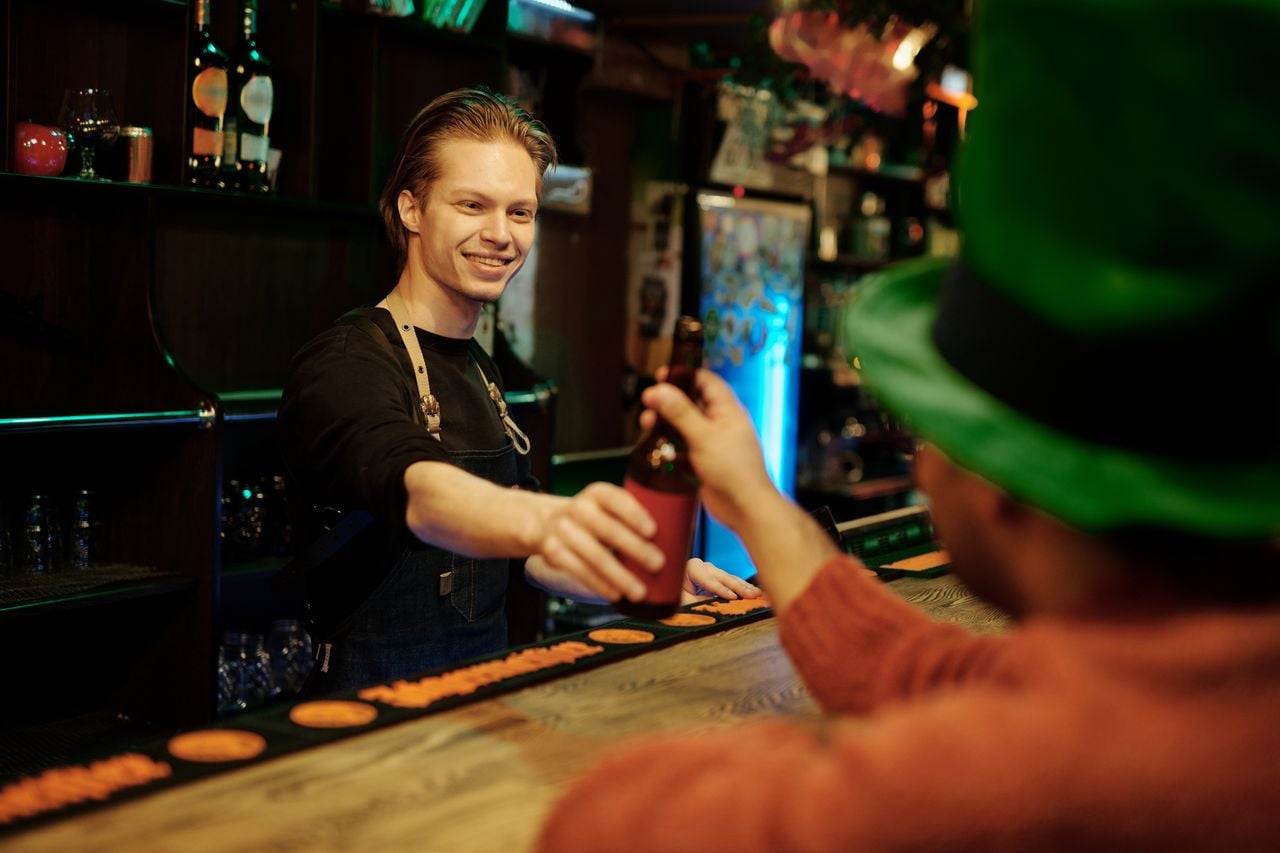
Ontario eliminated its separate liquor servers minimum wage on Jan. 1, 2022. From that date, liquor servers were entitled to the general minimum wage instead. The province said the change would create fairness for employees who had relied on customer tips to supplement a lower wage. It also reflected the reality that restaurant workers often do many jobs beyond serving alcohol. Even after that change, tip prompts on payment terminals remained common, which helped fuel confusion about what tips are now meant to cover.
Tip prompts grew more visible

One reason tipping feels different today is the payment screen itself. Digital terminals often suggest preset tip amounts, sometimes calculated on the after tax total. That can make the social pressure feel stronger than it did with a paper bill and handwritten tip line. Diners may also encounter tip requests in places where they did not expect them a few years ago, including counter service businesses. The result is a gap between wage policy and customer perception. Base pay rules changed, but the tipping experience often became more prominent, not less.
Tips are still a big part of income
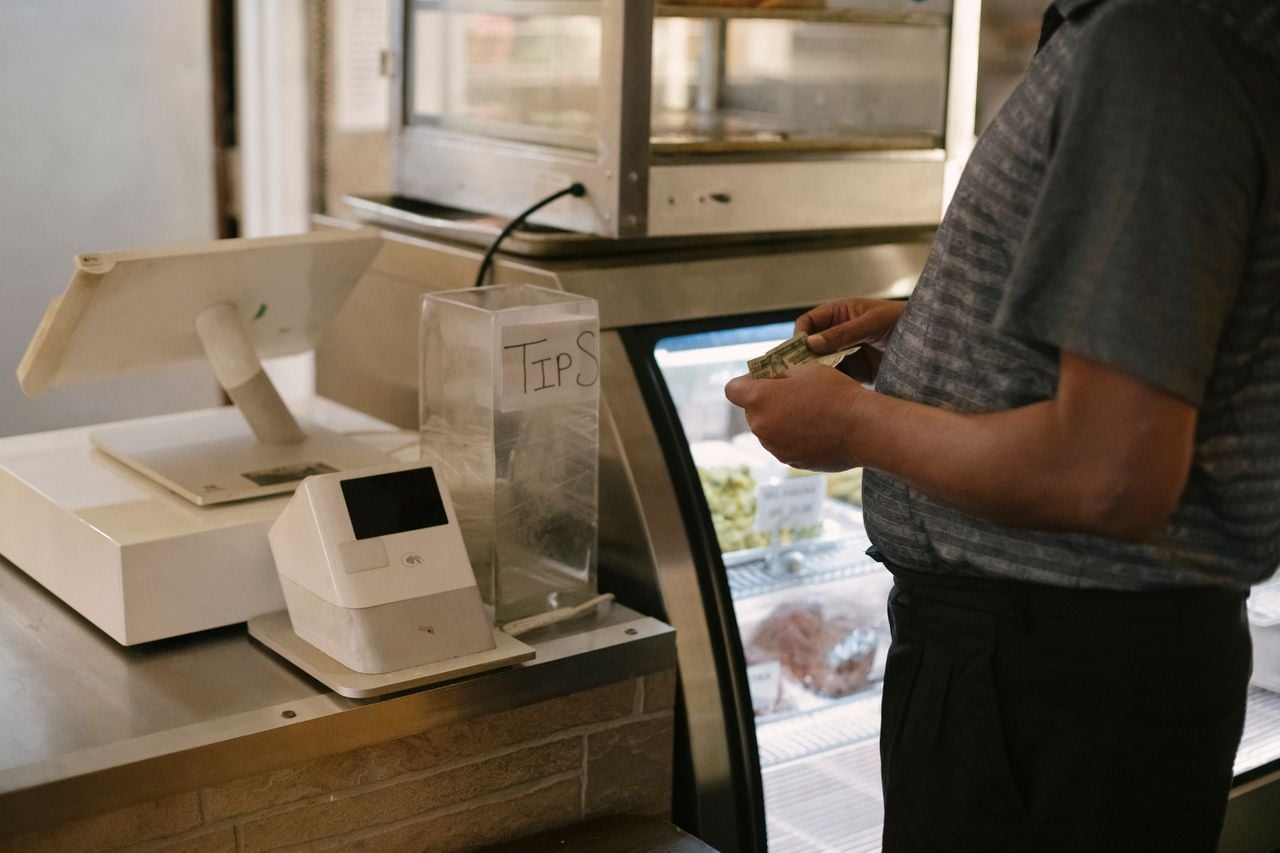
Equal minimum wages do not mean tips stopped mattering to workers. In many restaurants, gratuities still make up a meaningful share of take home pay, especially on busy shifts and in higher priced dining rooms. Tips are also often shared. A server may tip out a portion to kitchen staff, bartenders, hosts or support staff, depending on the workplace. That means the amount left on the table can ripple through the whole team. So while the original wage gap has narrowed or disappeared in some places, the culture and economics of tipping still shape earnings.
The real picture depends on the province

Canada does not have one national minimum wage system for restaurants, so the details depend on where you eat. Provinces and territories set their own employment standards, including minimum wages and any special categories. That is why conversations about tipping can sound inconsistent. A customer may remember one province where servers once had a lower rate, while a worker in another place has always worked under different rules. The broad trend has been toward reducing special lower rates for servers, but provincial policy still matters when people talk about fairness and pay.



Leave a Reply