
Tipping on drinks can turn a dinner bill into a small etiquette debate. This gallery breaks down the moments when Canadians often do, do not, or only partly include alcohol in the tip.
The dinner bill with a bottle of wine
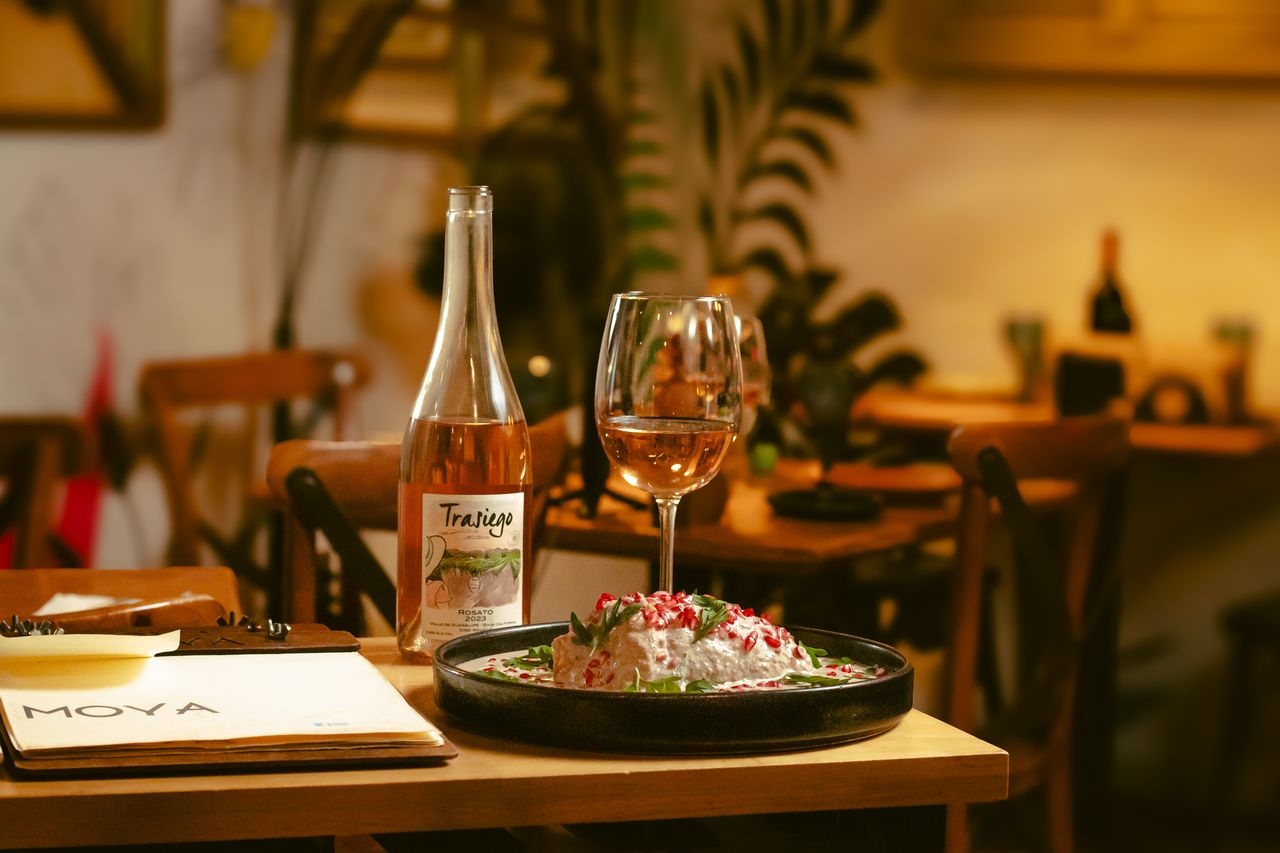
The most common tipping debate starts when one bottle changes the bill more than the food does. A table that might have tipped comfortably on dinner alone can hesitate once a higher priced wine is added to the total. For some Canadians, the tip should reflect the whole experience, including drink service. For others, the alcohol line feels different because the server did not do dramatically more work just because the bottle cost more. That split is why the same receipt can produce very different tipping choices.
When service makes the case for tipping on drinks
Many diners are more willing to include alcohol when the service goes beyond simply dropping off a glass. Recommending a bottle, pairing it with food, presenting it properly, and keeping glasses topped up can make wine service feel like a meaningful part of the meal. In that view, the tip is not really about the liquid itself. It is about the attention, timing, and knowledge that shaped the night. A modest pour and a thoughtful suggestion can matter as much as the plate that arrives from the kitchen.
Why some diners exclude expensive bottles
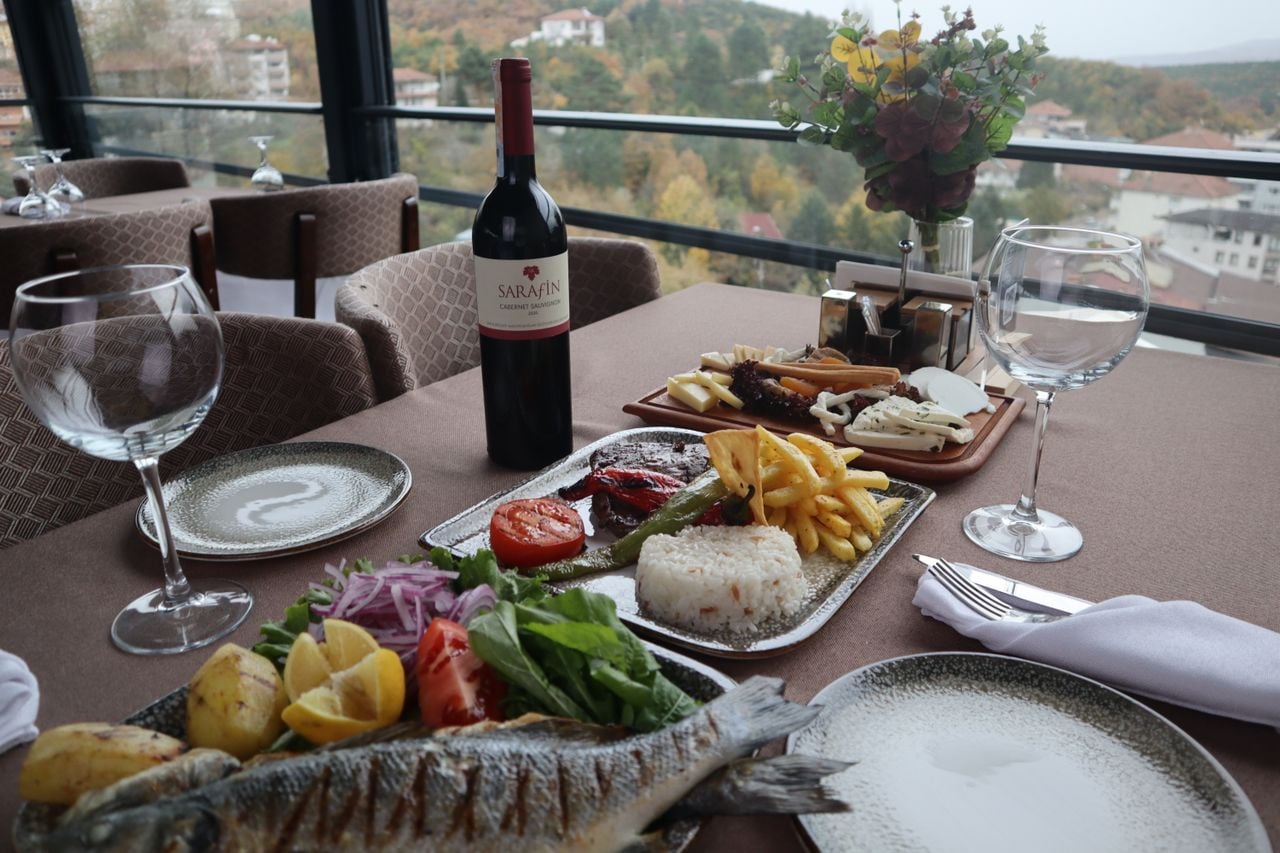
The pushback usually grows with the price of the bottle. If a server opens a $20 bottle and a $120 bottle in the same way, some Canadians see no reason the tip should rise sharply just because the wine list did. That logic leads some people to tip on the food and add a smaller amount for drink service, rather than applying one percentage to everything. For them, it is a question of proportionality. They are not refusing to tip, they are separating labor from menu pricing.
Bars, pubs, and a different expectation
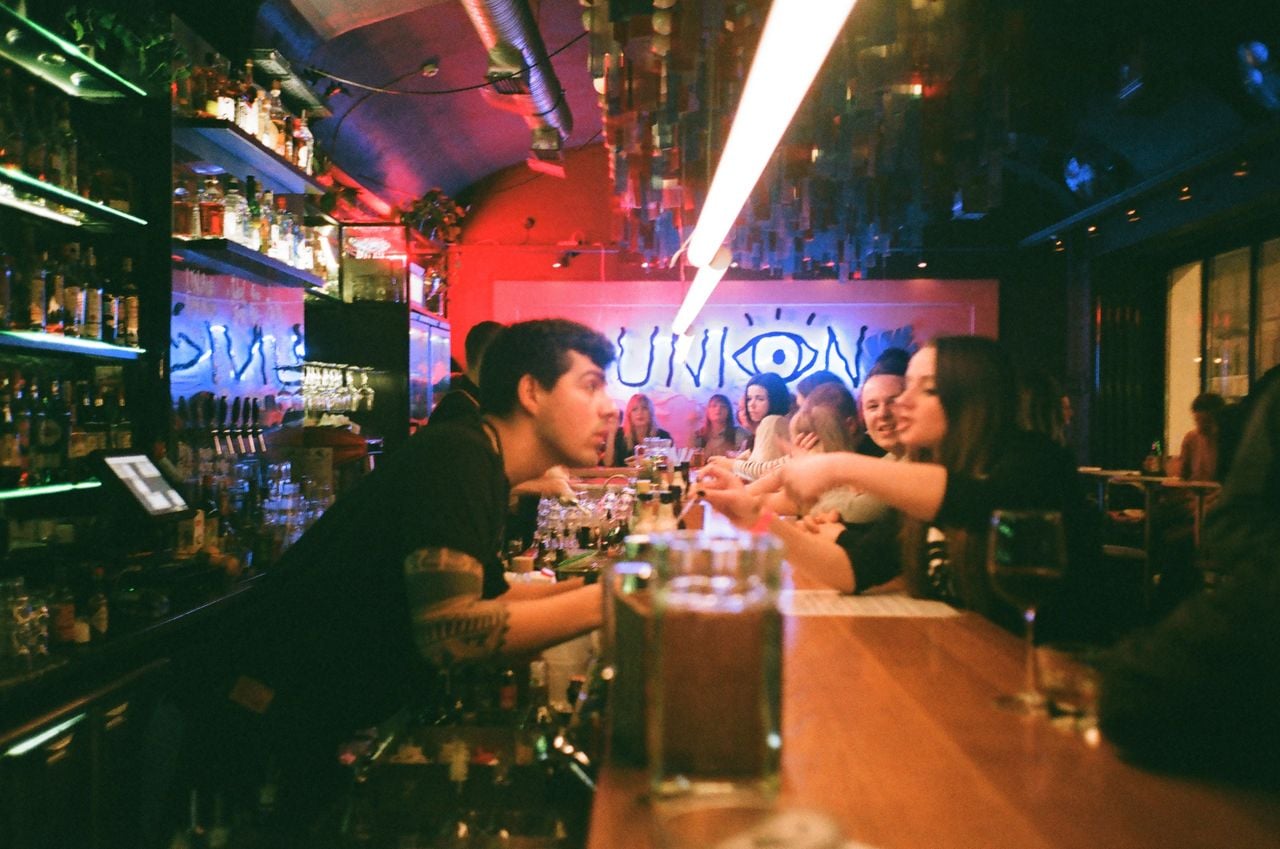
The alcohol question can feel different in bars and pubs, where drinks are the main event rather than an add-on to dinner. In those settings, many people are used to tipping on the full tab because the service revolves around preparing, delivering, and managing beverages. A cocktail that takes time to mix or a busy bar where staff keep track of rounds can strengthen that expectation. Even people who resist tipping on a pricey restaurant bottle may feel differently when the whole outing is built around drinks and bar service.
The payment screen effect
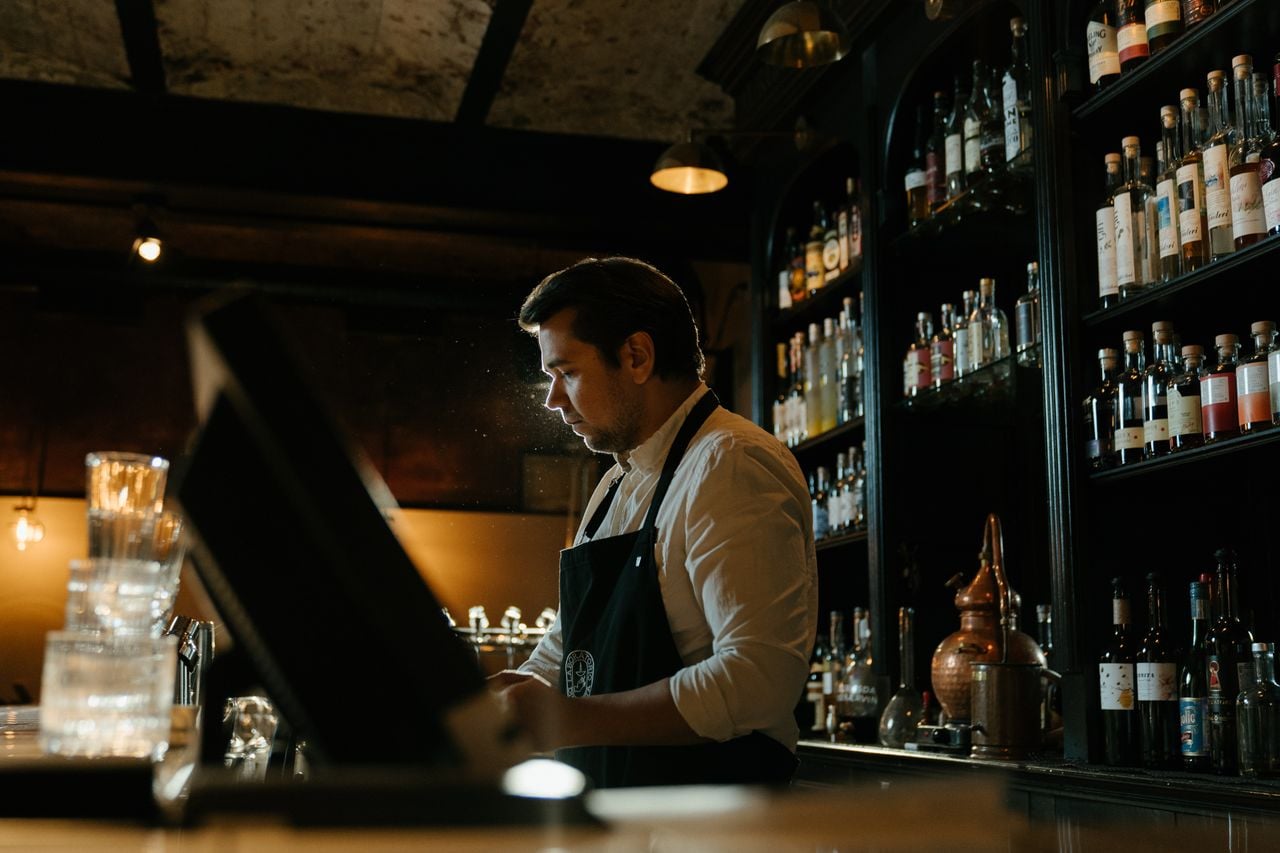
Digital payment screens have made this choice more visible. Suggested tip buttons often calculate a percentage on the full bill automatically, which means alcohol is included unless the customer manually changes the amount. That design can make a social norm feel more fixed than it really is. Some diners tap the preset option to avoid awkwardness or speed up payment. Others pause, do the math themselves, and choose a custom tip based on food, drink service, or both. The machine may be simple, but the etiquette behind it is not.
Leave a Reply