
This gallery breaks down how crispy smashed potatoes get their crackly edges, fluffy centers and rich garlic butter finish. It covers the best potato choice, the smash, the roast and the final seasoning that makes this side memorable.
Small potatoes set up the best texture
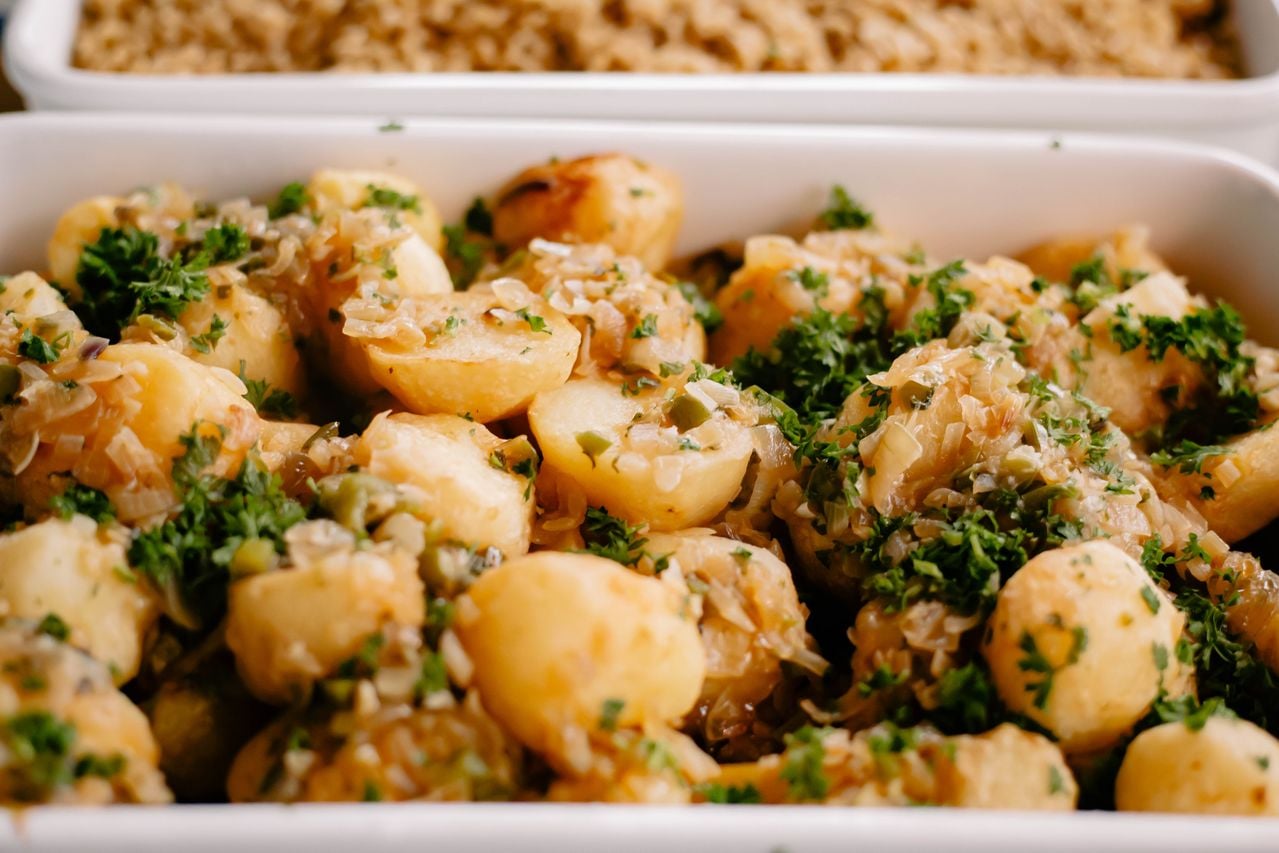
The best smashed potatoes usually start with small, thin skinned potatoes because they cook through quickly and flatten without falling apart. Baby Yukon Golds and small red potatoes are popular picks for that reason, giving you tender centers and enough structure to hold their shape. Their size matters as much as their type. Smaller potatoes create more edges per bite, and those edges are exactly where the crunch develops once the potatoes hit a hot pan and oven.
A gentle boil makes the smash easy
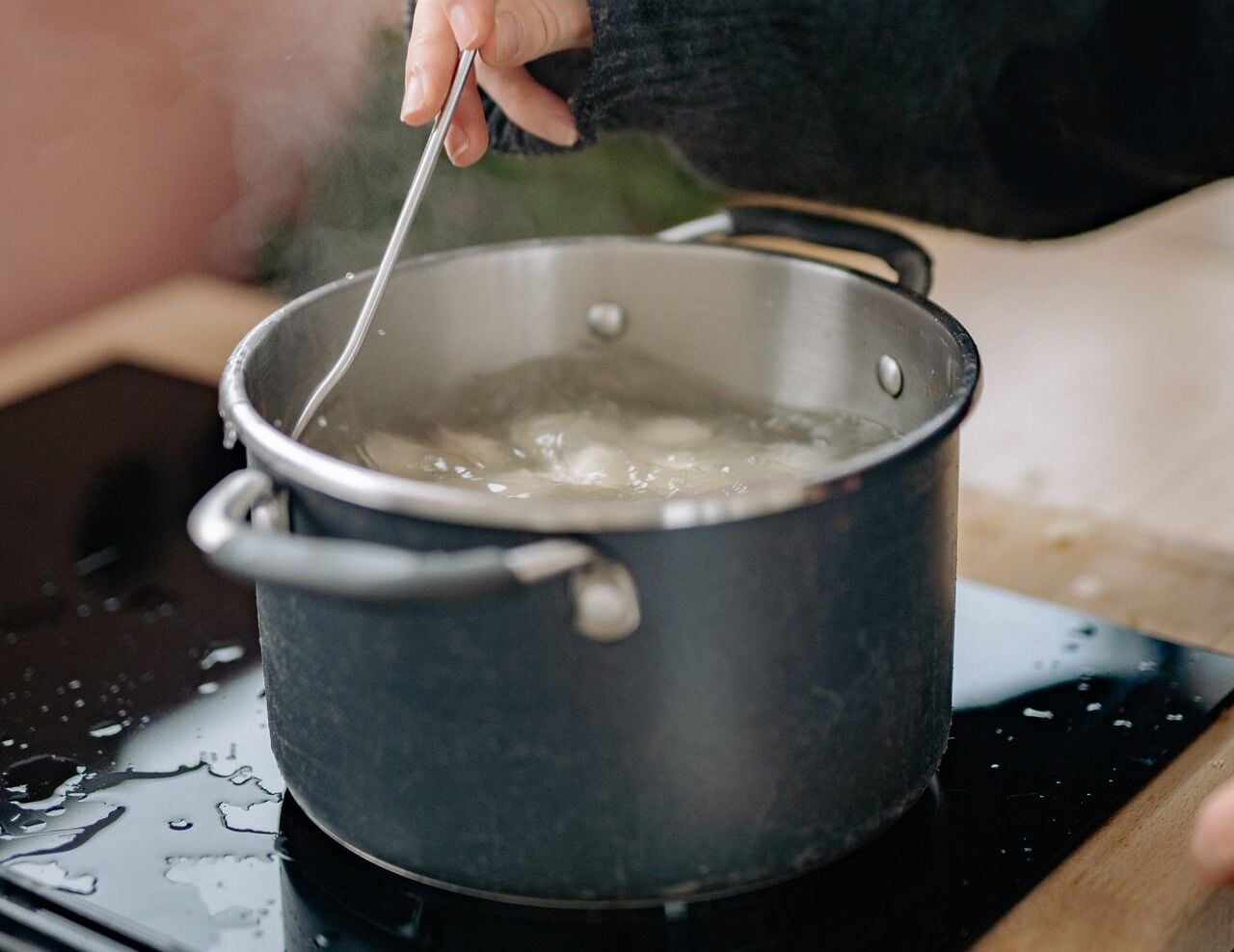
Boiling the potatoes first is what separates smashed potatoes from standard roast potatoes. The goal is fork tender, which means the inside is soft enough to flatten but not so soft that the potato breaks into pieces before it reaches the pan. A salted pot of water helps season them from the inside. Once drained, a brief rest lets steam escape, which is useful because drier surfaces brown more readily and crisp better in the oven.
The smash creates all those craggy edges
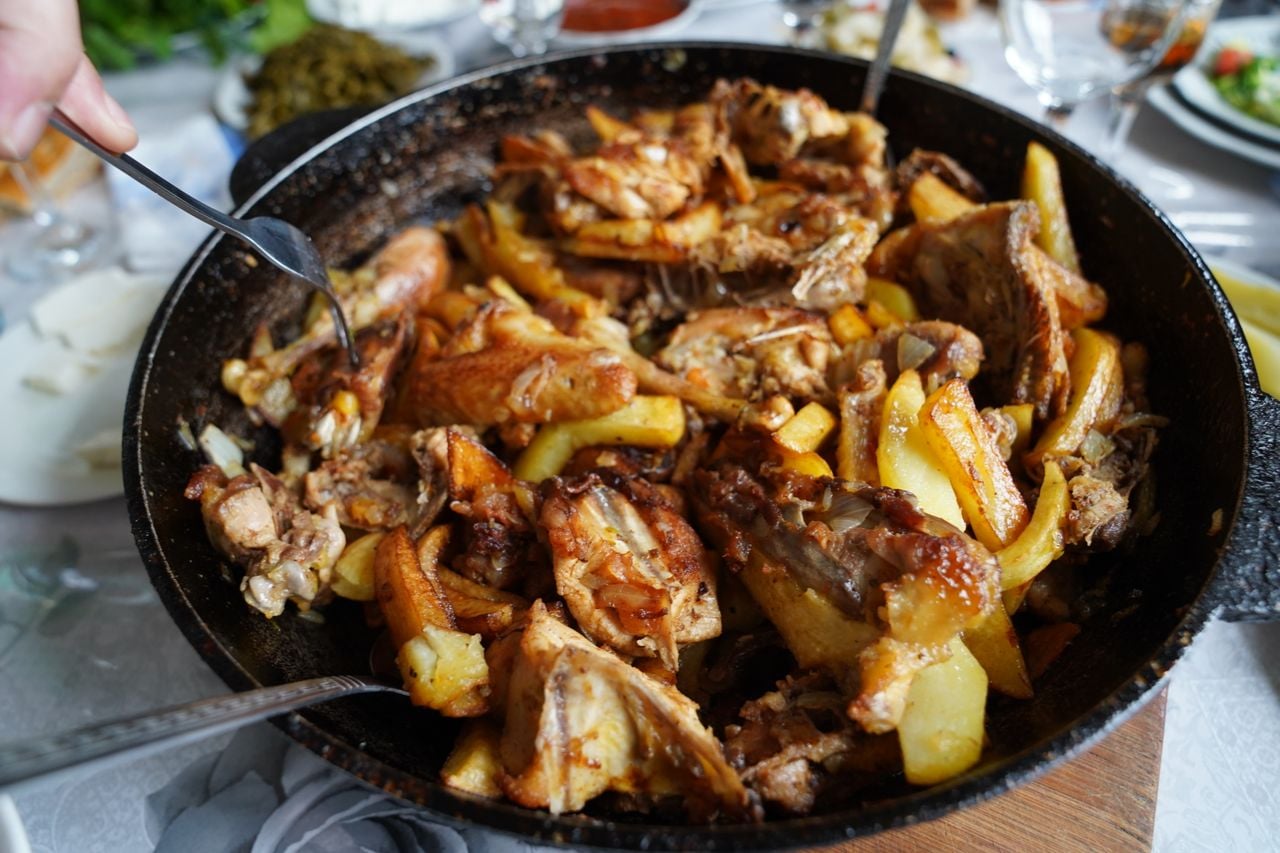
Pressing each potato until it flattens is the step that gives this dish its signature look and texture. A glass, jar or potato masher can all work, as long as the pressure is firm enough to split the surface without crushing the potato into a paste. Those rough, uneven edges are not a flaw. They are the parts most likely to turn deeply golden and crisp, while the thicker center stays creamy and soft after roasting.
High heat turns the surface deeply crisp
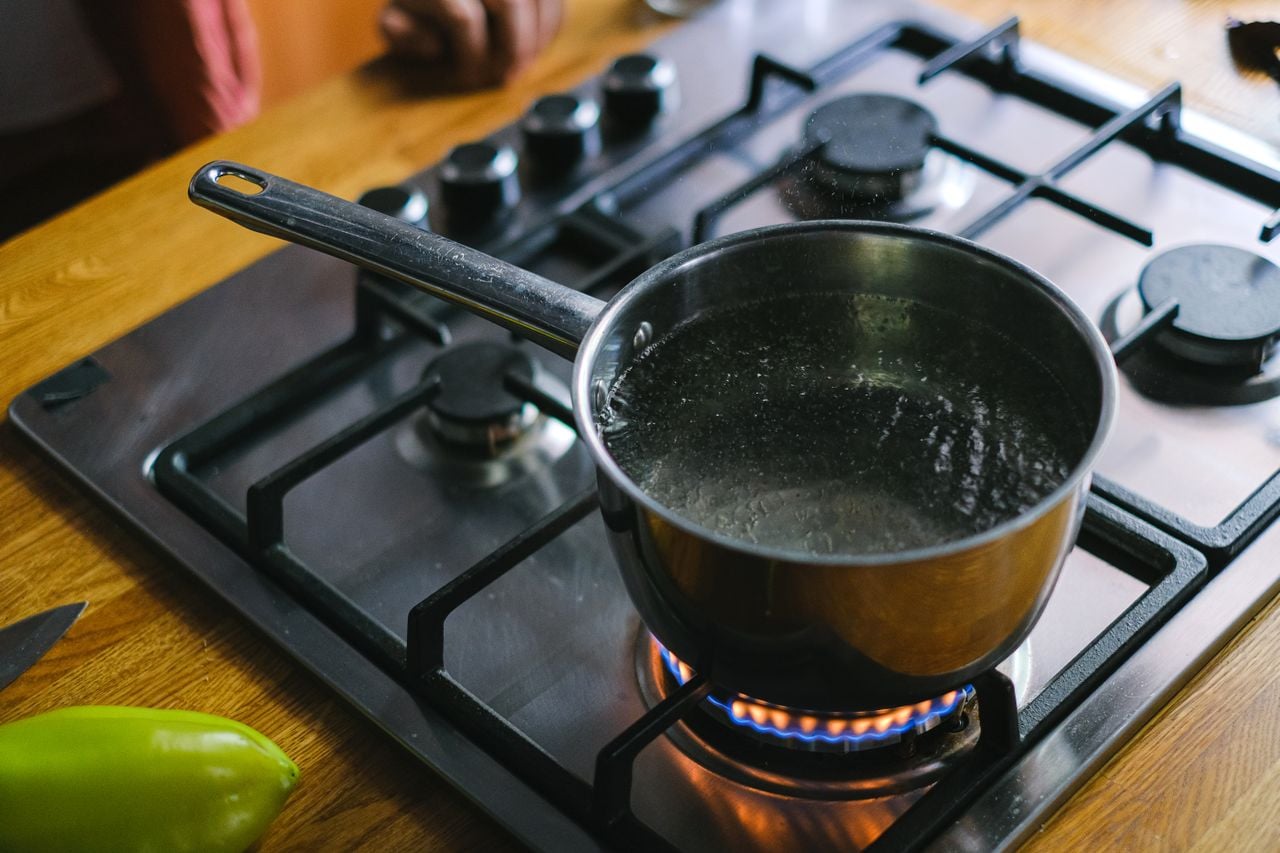
After smashing, the potatoes need fat and heat to transform. Oil or melted butter helps conduct heat across the surface, and a hot oven gives the exterior time to brown before the inside dries out. Spacing matters too, because crowded potatoes steam instead of crisp. This is where the contrast comes together. The thin edges become almost chip like, while the centers stay fluffy. A good batch should look unevenly golden, not pale and uniformly soft.
Garlic butter belongs at the finish
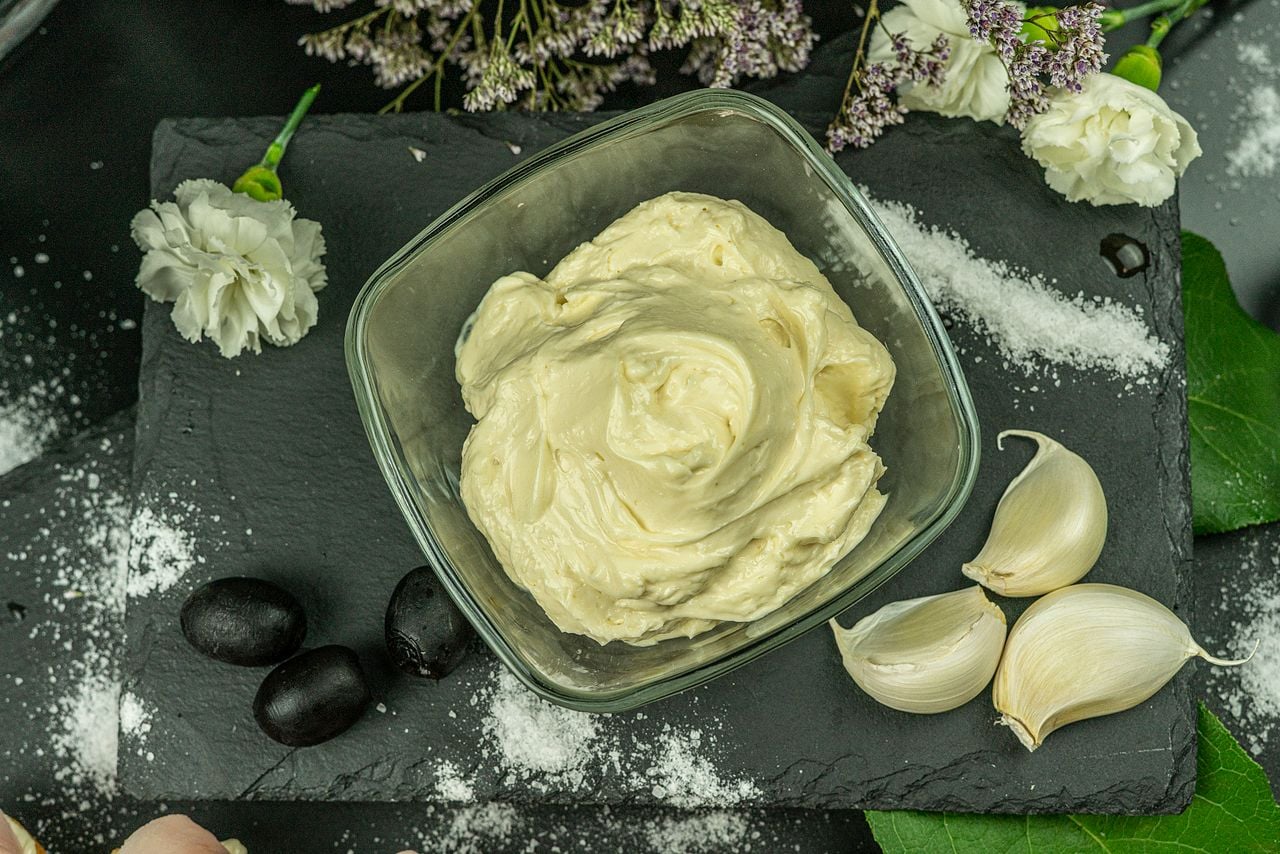
Garlic can burn quickly, so garlic butter is often best added near the end or just after roasting. That timing keeps the flavor fragrant and round instead of bitter, while the warm potatoes soak up the butter and carry it into every crack and crease. A little chopped parsley or chives can brighten the richness, and a final pinch of salt helps the buttered surface pop. The result tastes fuller than plain roasted potatoes without becoming heavy.

Leave a Reply