
A quick gallery on the ingredients and techniques that give Tuscan white bean soup a long simmered flavor in just 25 minutes.
A broth built from the beans
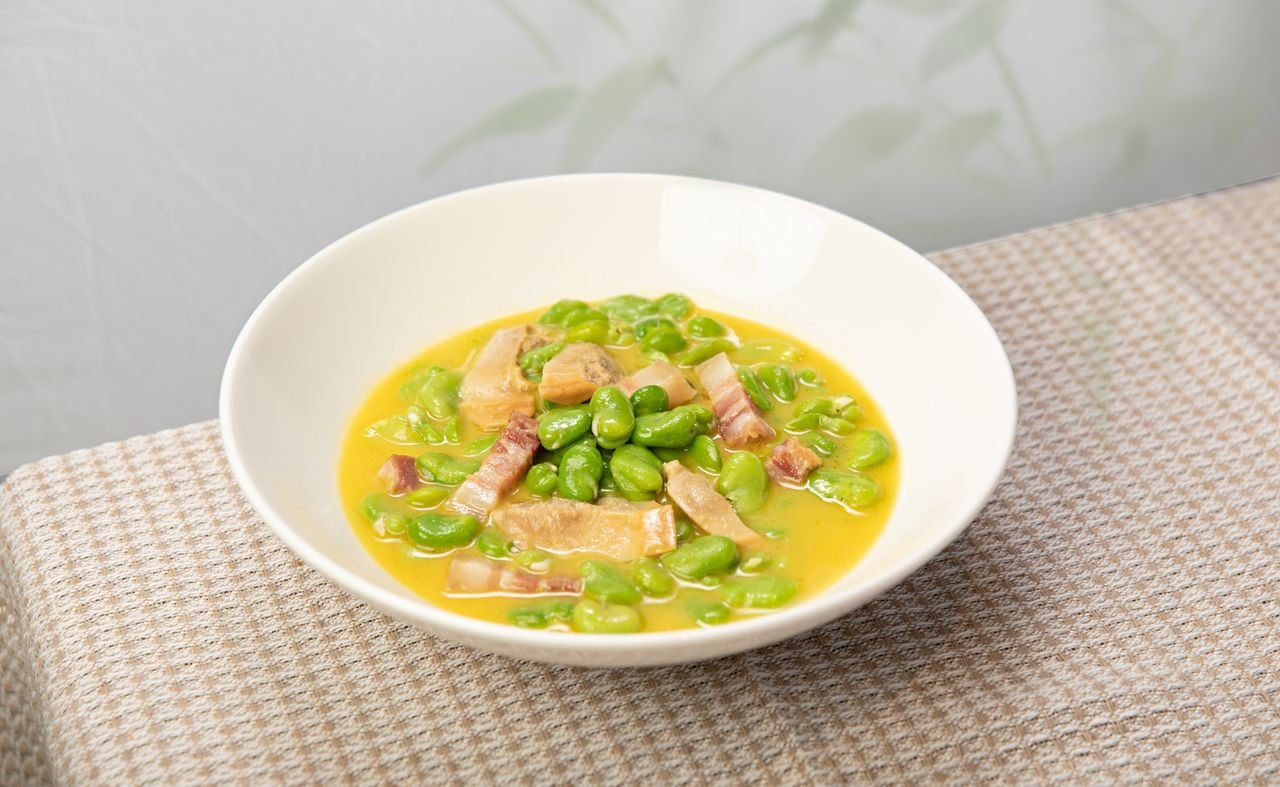
The fastest way to make this soup taste long cooked is to use the whole can of beans, liquid included. That starchy bean broth adds body right away, so the pot feels fuller and more savory without hours on the stove. Cannellini beans are the usual Tuscan choice because they stay creamy while holding their shape. A portion can be stirred or lightly mashed into the broth, which gives the soup a silkier texture with almost no extra time.
Soffritto does the heavy lifting
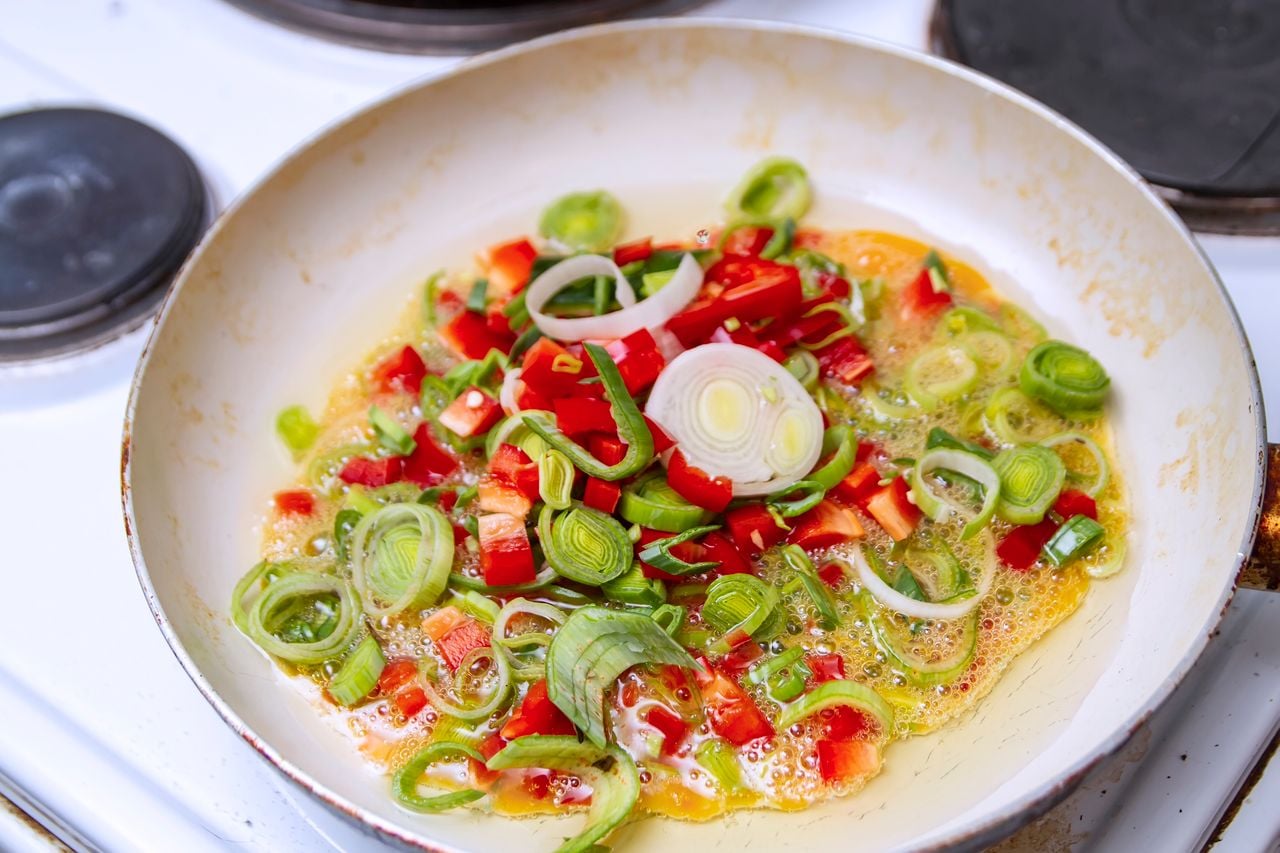
A classic base of onion, carrot, and celery gives the soup its backbone. In Italian cooking, that mixture is called soffritto, the gentle sauté that coaxes sweetness and savory depth from simple vegetables. Even in a 25 minute recipe, this step matters. Letting the vegetables soften before the broth goes in creates a flavor that reads as patient cooking, not rushed cooking. Garlic added near the end of the sauté keeps its aroma vivid instead of harsh.
Tomato and herbs add Tuscan character
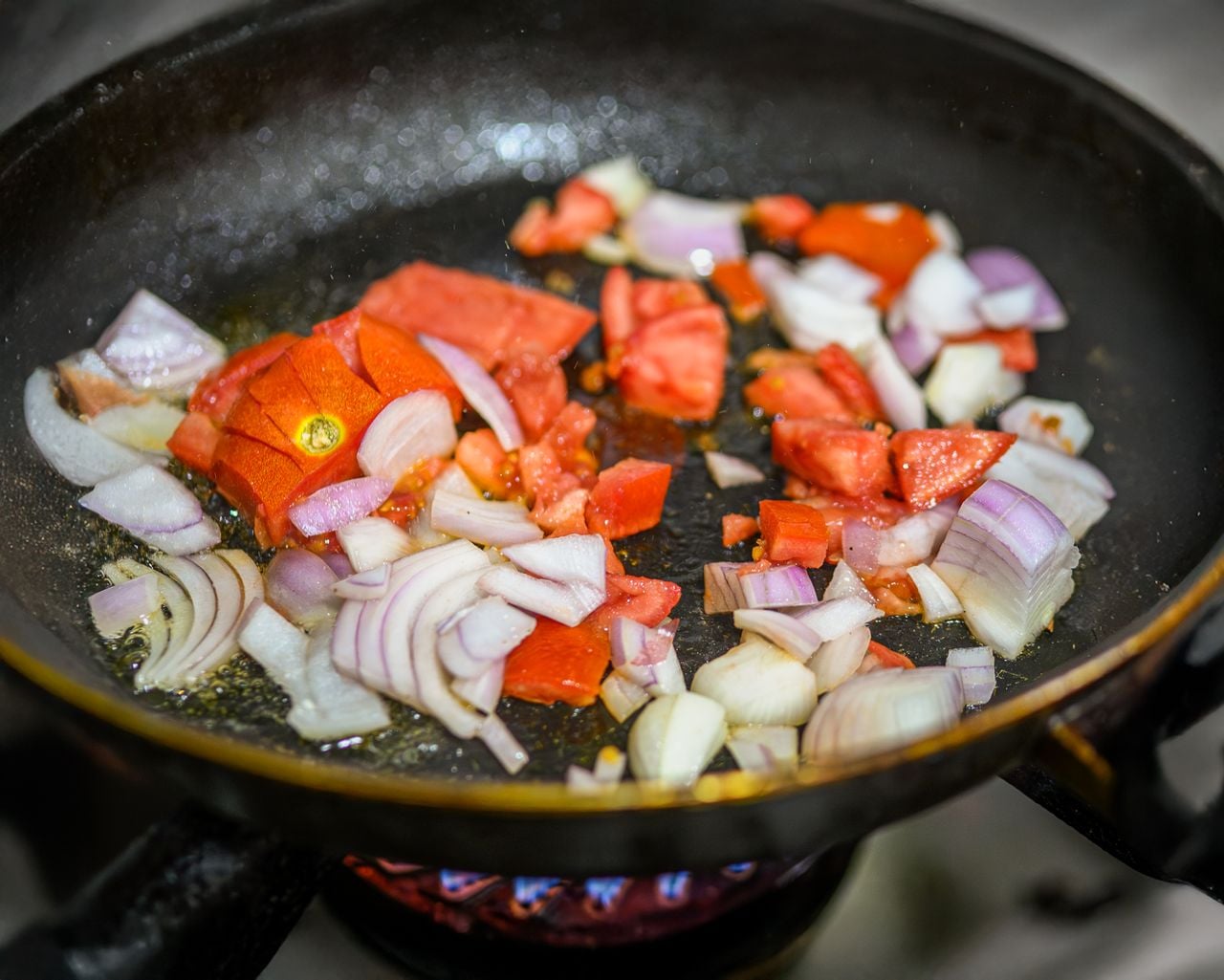
A small amount of tomato paste or canned tomato can shift the soup from pale and mild to warm and rounded. Cooked briefly with the vegetables, it concentrates quickly and gives the broth a deeper color and sweeter edge. Tuscan style usually leans on sturdy herbs such as rosemary, thyme, or sage. Those herbs stand up to beans and greens, and they create the woodsy note people often associate with soups that have bubbled away for much longer than 25 minutes.
Greens turn it into a full meal
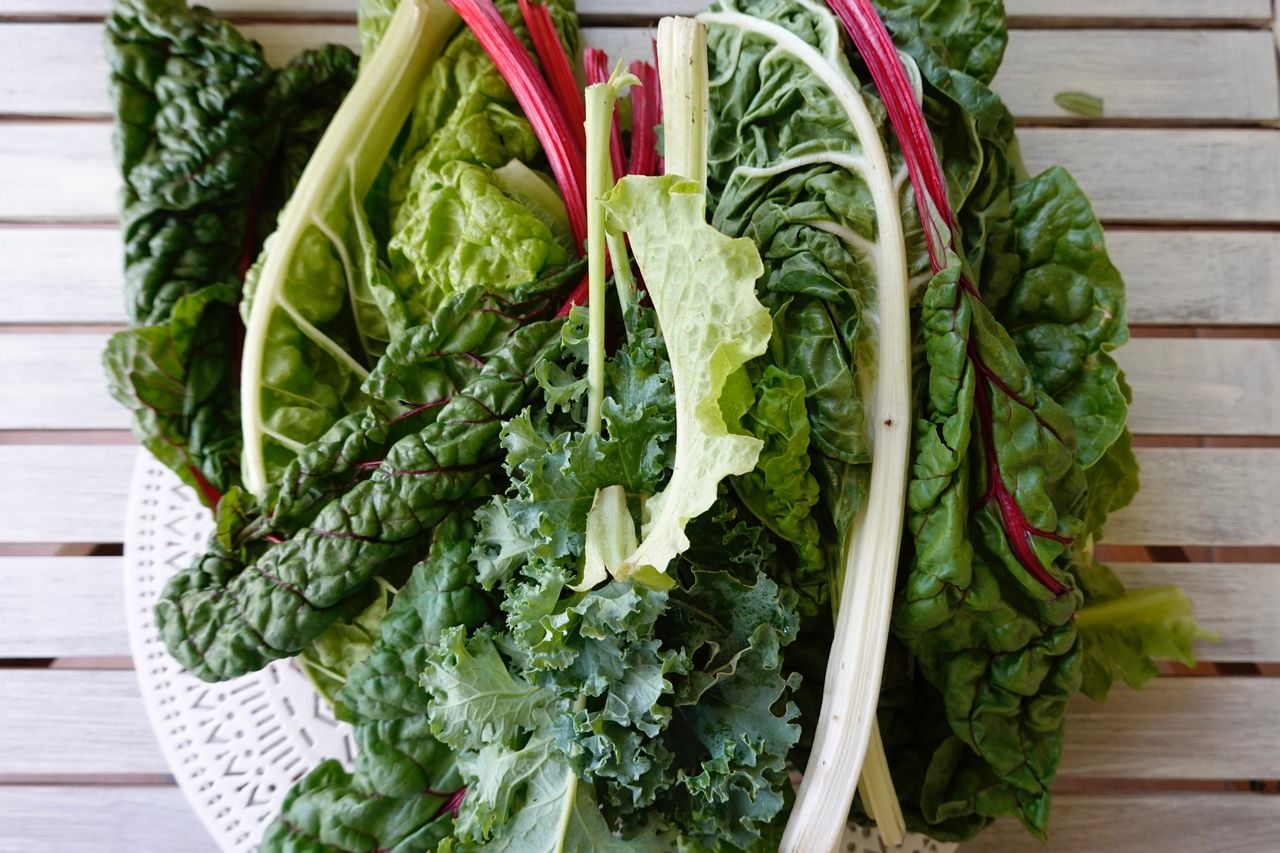
Kale, spinach, or Swiss chard bring more than color. They add a slight bitterness that balances the creamy beans, and they make the soup feel substantial enough for dinner rather than a side dish. Tuscan bean soups often pair beans with dark leafy greens because the combination is hearty and inexpensive. The greens only need a few minutes to wilt, so they fit the quick timeline while still giving the finished bowl the layered look and flavor of a more developed soup.
Parmesan and olive oil finish the bowl
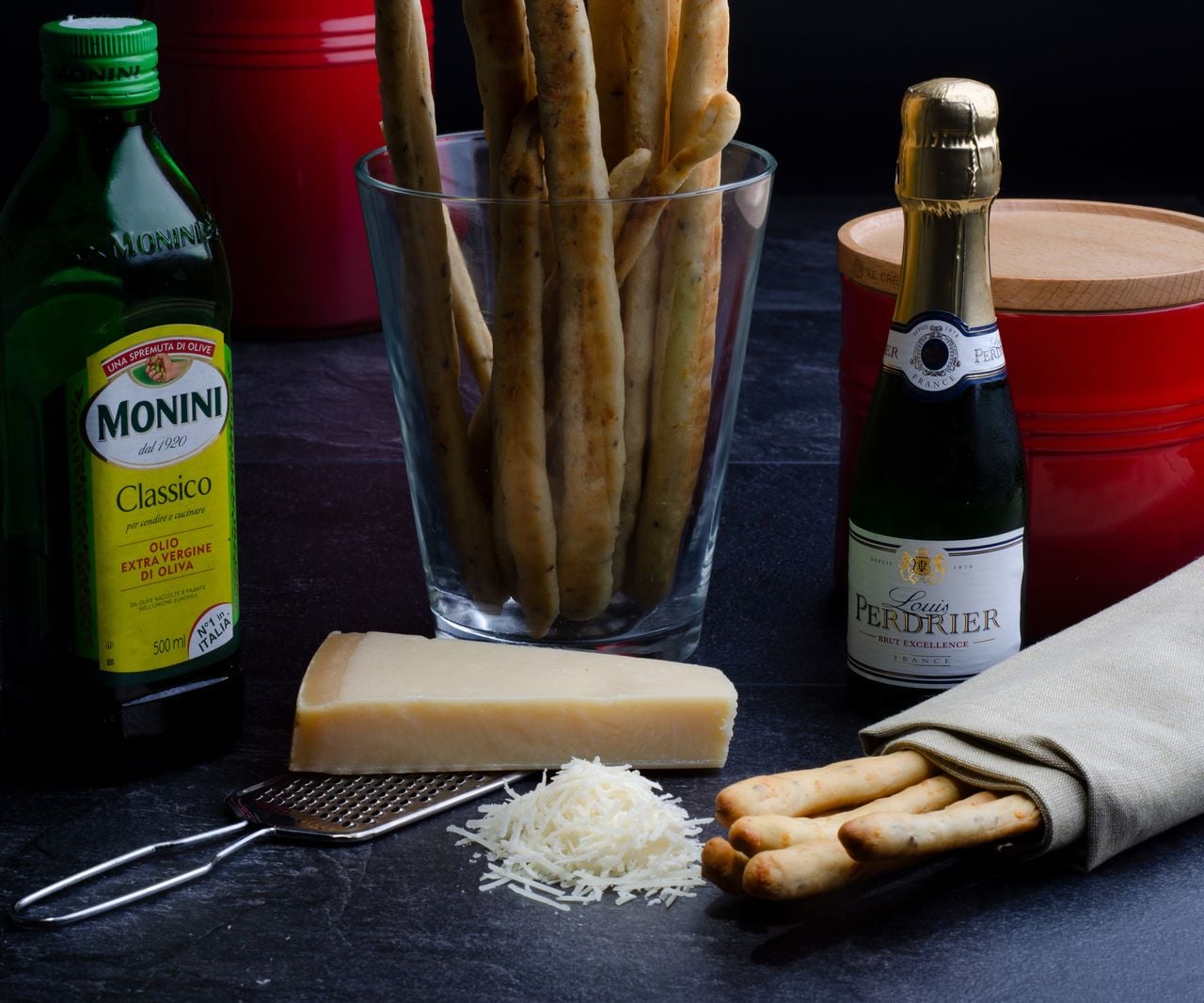
The last layer often arrives off the heat. A shower of grated Parmesan adds salt and umami, the savory depth that makes a broth taste more complex than its ingredient list suggests. A drizzle of extra virgin olive oil over each bowl does something different. It adds aroma and a peppery finish, and it gives the surface that glossy restaurant look. With crusty bread on the side, the soup lands as rustic, filling, and complete.


Leave a Reply