
Canadian home cooking did not change overnight. But over several decades, South Asian immigration quietly and permanently redefined what many Canadians now consider ordinary food.
From restaurant novelty to pantry staple

What began in restaurant corridors became a supermarket revolution. Early South Asian communities in cities such as Toronto, Vancouver, Calgary, and Surrey created demand for ingredients once hard to find outside specialty shops.
Spices like cumin, turmeric, coriander, garam masala, and mustard seeds gradually moved into mainstream grocery aisles. Today, large chains routinely stock basmati rice, naan, lentils, chutneys, paneer, and ready-made curry pastes alongside older Canadian staples.
That shift matters because everyday cooking starts with availability. When ingredients become visible, affordable, and familiar, they stop feeling foreign and begin entering weeknight habits.
Food industry analysts have long noted that immigration patterns reshape grocery retail faster than public conversation recognizes. In Canada, South Asian demand helped build entire supply chains that now serve far beyond South Asian households.
The weeknight meal got bolder and faster

A major transformation happened not only in taste but in cooking logic. South Asian techniques introduced Canadians to efficient, flavor-dense ways of building meals from onions, ginger, garlic, spices, tomatoes, and legumes.
That base now appears in countless nontraditional dishes. Home cooks use curry powder in soups, turmeric in roasted vegetables, cumin in burgers, and yogurt marinades for chicken destined for the barbecue rather than a tandoor.
The appeal is practical as much as cultural. Daal offers a cheap, protein-rich dinner. Masala-style sauces stretch leftovers. Rice-based meals feed families efficiently, which matters in a country where food prices remain a persistent concern.
Meal kits, prepared foods, and supermarket freezer cases show how fully this has entered daily life. Butter chicken, chana masala, samosas, and biryani are no longer special-event foods for many Canadians. They are Tuesday foods.
Immigration changed the business of taste

Everyday cooking follows commerce. South Asian immigrants did not simply bring recipes. They built restaurants, spice import businesses, sweet shops, catering companies, trucking networks, and grocery stores that made those recipes reproducible across Canada.
Neighbourhoods such as Brampton, Scarborough, and Surrey became powerful food economies. What started as community-serving businesses expanded outward as wider Canadian tastes evolved and as second-generation entrepreneurs translated regional foods for broader markets without stripping away identity.
This is why transformation spread beyond major cities. Smaller Canadian centres now have South Asian grocers, halal butchers, and fusion takeout counters, making ingredients and prepared foods accessible in places that once had little culinary diversity.
Consumer behavior followed exposure. Once families tried roti, kebabs, dosas, or karhi through local businesses, they began seeking the seasonings and methods needed to recreate similar flavors at home.
Canadian food identity became more honest

One reason this change feels so significant is that it exposed an older myth. The idea of a fixed, traditional Canadian cuisine never fully matched reality in a country shaped by migration, trade, and regional mixing.
South Asian food made that truth visible in the most ordinary places. School lunches, office potlucks, suburban plazas, and hockey arena snack counters increasingly reflected the tastes of Punjabi, Gujarati, Bengali, Tamil, Pakistani, and Indo-Caribbean communities.
The result is not replacement but expansion. Classic dishes still exist, yet they now sit beside butter chicken poutine, masala wraps, curry pizza, and spiced lentil soups that many households consider completely normal.
Cultural scholars often describe national cuisines as negotiated, not inherited whole. Canada offers a vivid example, and South Asian influence is central to that negotiation because it changed daily behavior, not just festival menus.
Children normalized what parents once discovered
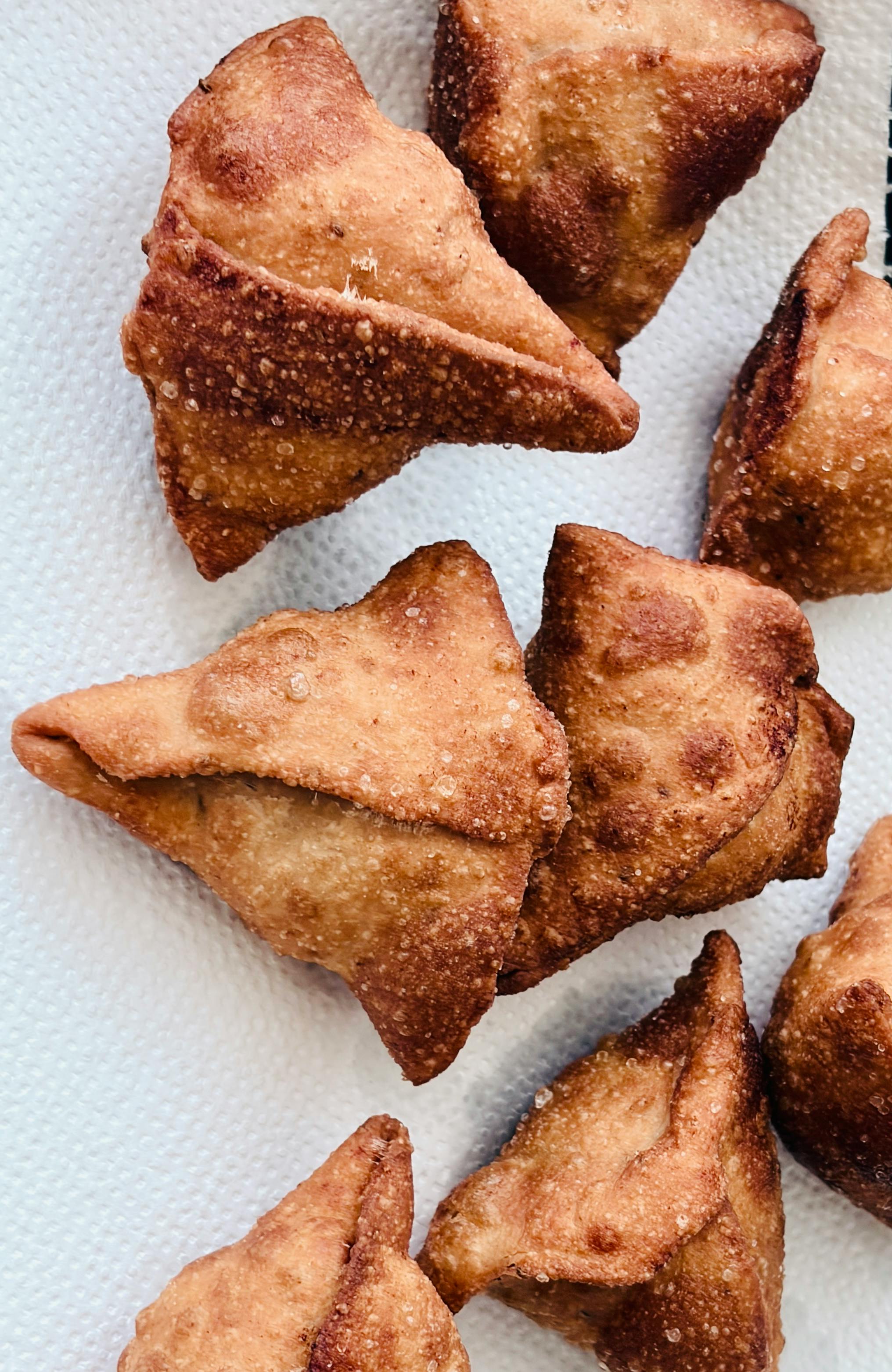
The strongest sign of transformation is generational. Foods once introduced as adventurous are now routine for Canadian children who grow up eating samosas in cafeterias, mango pickle at home, and tikka sandwiches in food courts.
School systems in diverse cities helped accelerate that normalization. Shared lunches exposed children to flavors early, and those children carried preferences back to their households, influencing grocery lists and dinner expectations.
Media also reinforced the shift. Television chefs, food writers, and social platforms helped demystify techniques such as tempering spices, cooking lentils, or using yogurt as a marinade, making South Asian methods feel approachable rather than specialized.
Second-generation South Asian Canadians have been especially influential here. They often present family food not as exotic heritage cuisine but as practical, modern, affordable cooking that belongs naturally within Canadian life.
The future of Canadian everyday cooking is already here
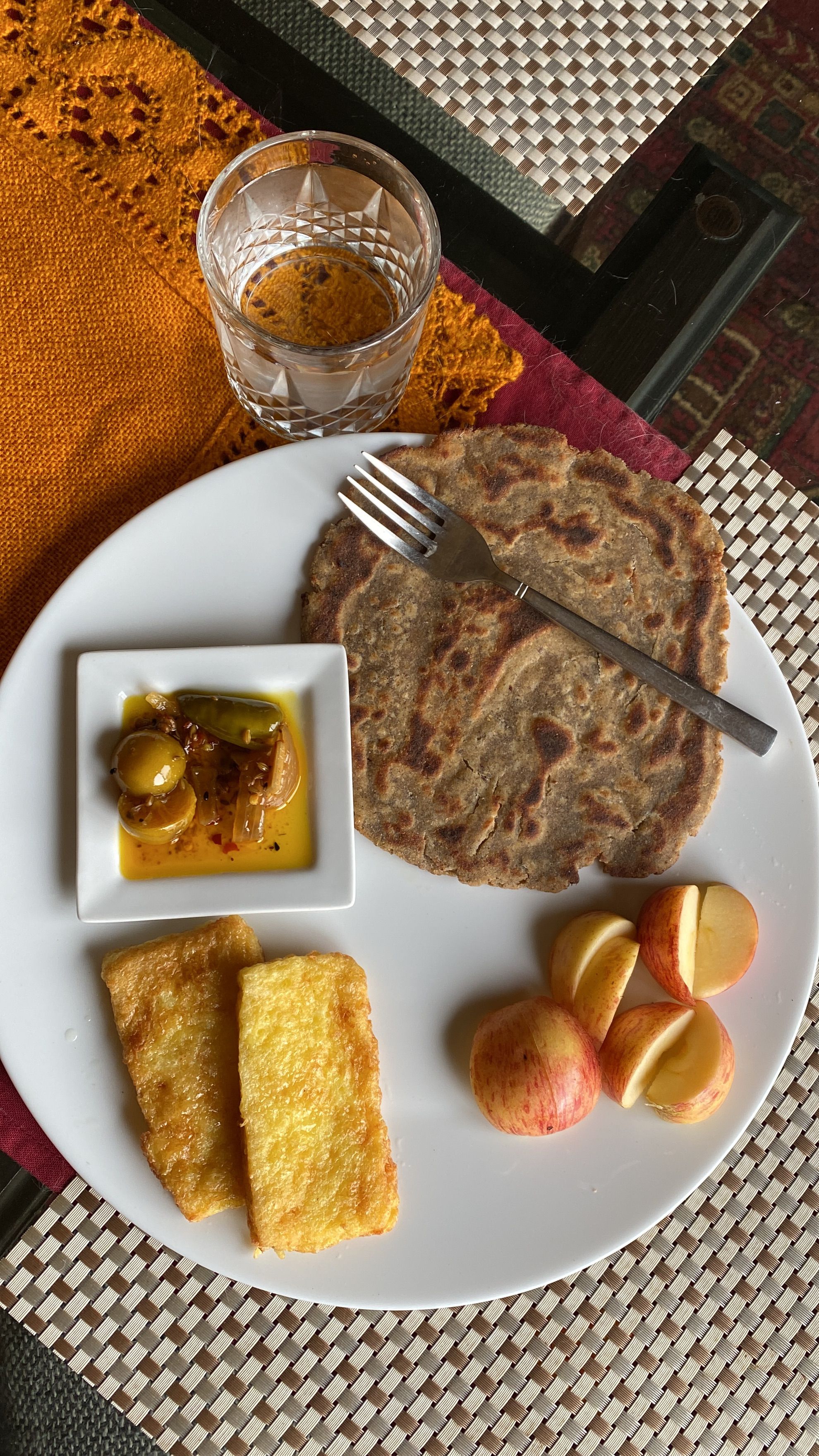
The most important point is that this transformation is no longer emerging. It has already happened. South Asian flavors are embedded in how Canadians shop, snack, entertain, meal-prep, and think about comfort food.
You can see it in chain restaurants selling butter chicken, in Costco-sized bags of basmati rice, in lentil-based meal planning, and in suburban households where chai spices, frozen parathas, and cilantro chutney are ordinary purchases.
You can taste it in hybrid cooking too. Canadians now fold South Asian seasoning into stews, sandwiches, grain bowls, grilled meats, and even holiday sides without feeling they are making a special ethnic dish.
That is the clearest measure of culinary transformation. When a cuisine stops being framed as outside the norm and starts shaping the norm itself, it has changed the country. South Asian immigration has done exactly that in Canada.


Leave a Reply