
Food prices have become an emotional issue in Canada. For many households, the weekly grocery trip now feels like a test of budgeting discipline rather than a routine errand.
Price sensitivity is reshaping the weekly shop

Sticker shock is now a regular part of the grocery experience. Statistics Canada has shown that food prices have remained a major pressure point for households even as overall inflation has cooled from earlier peaks. Shoppers are responding by comparing flyers more aggressively, delaying nonessential purchases, and moving between chains in search of better value.
Retailers have noticed the shift in behavior down to the category level. More customers are buying fewer impulse items, switching from premium cuts of meat to cheaper proteins, and choosing frozen or canned produce when fresh prices jump. That pattern has pushed stores to sharpen pricing on basics like bread, milk, eggs, pasta, and bananas.
Executives at major grocers such as Loblaw, Metro, and Empire have repeatedly said value perception matters as much as the shelf price itself. That is why stores are highlighting multi-buy deals, loyalty offers, and front-of-store promotions designed to reassure shoppers that savings are still available. In a climate of anxiety, visible affordability has become part of the product.
Discount banners are gaining strategic importance
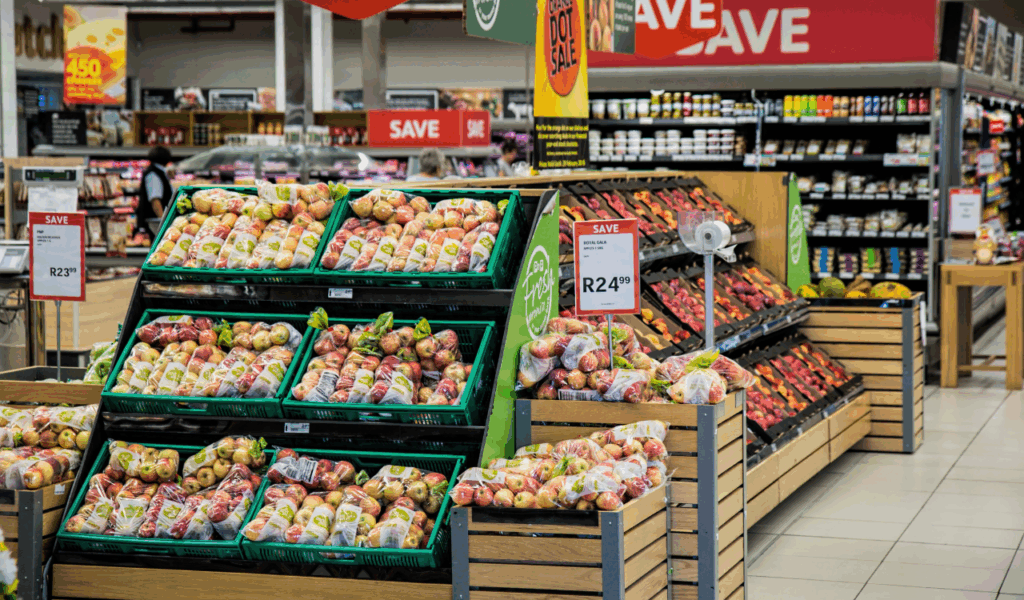
One clear response has been a stronger emphasis on discount formats. No Frills, FreshCo, Food Basics, and Walmart Canada have benefited from consumers trading down from conventional supermarkets, especially in large urban markets where housing costs are also squeezing disposable income. These stores are built around leaner assortments, aggressive flyer pricing, and faster inventory turns.
For the parent companies, discount banners are no longer just secondary brands. They are increasingly central to growth strategies because they capture cost-conscious shoppers without forcing deeper markdowns across every full-service location. That helps companies defend margins while still participating in a more price-driven market.
The strategy also reflects a wider cultural change. Shoppers who once saw discount chains as a compromise are now using them as their main store, and often without hesitation. Inflation has reduced stigma around bargain hunting, making value shopping feel practical rather than aspirational.
Private labels are becoming a frontline defense
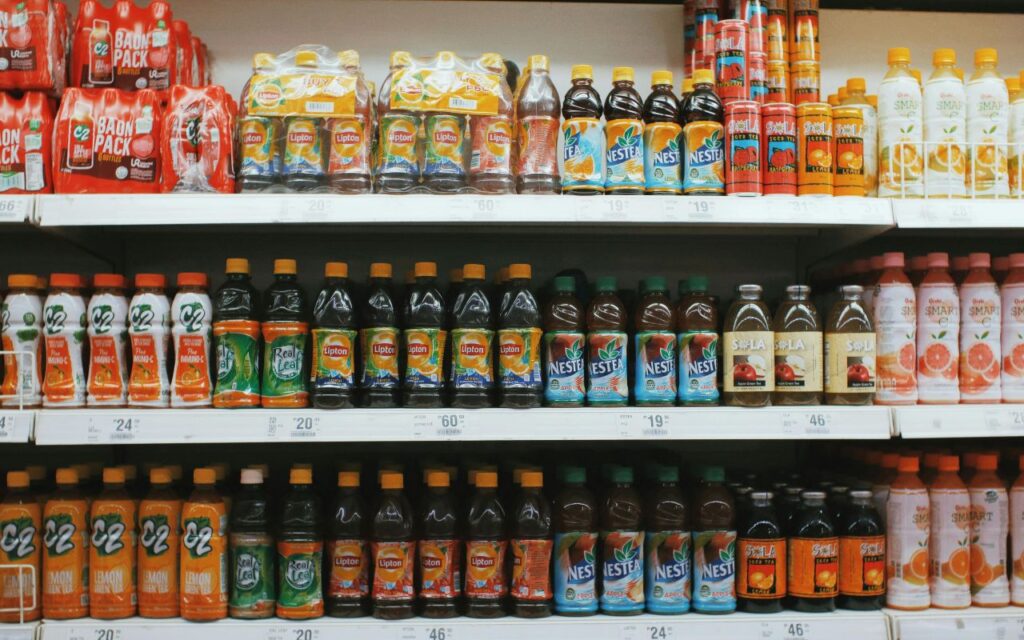
The quiet winner in this environment is the store brand. Products sold under labels such as President's Choice, No Name, Selection, and Compliments give retailers more control over pricing and margins than many national brands do. They also let grocers offer visible savings without sacrificing too much profitability.
Consumers have become more open to these alternatives because the price gap is easier to see. When familiar packaged goods rise sharply in cost, shoppers are more willing to test a lower-priced equivalent, especially in pantry staples, dairy, snacks, and household basics. If quality feels close enough, trial quickly turns into habit.
Retailers are supporting that shift with shelf placement, packaging updates, and expanded assortments. What used to be a budget-only play is now split into tiers, from entry-level value products to premium store-brand lines. That allows grocers to keep customers inside their ecosystem even when spending patterns change.
Promotions are getting smarter and more targeted
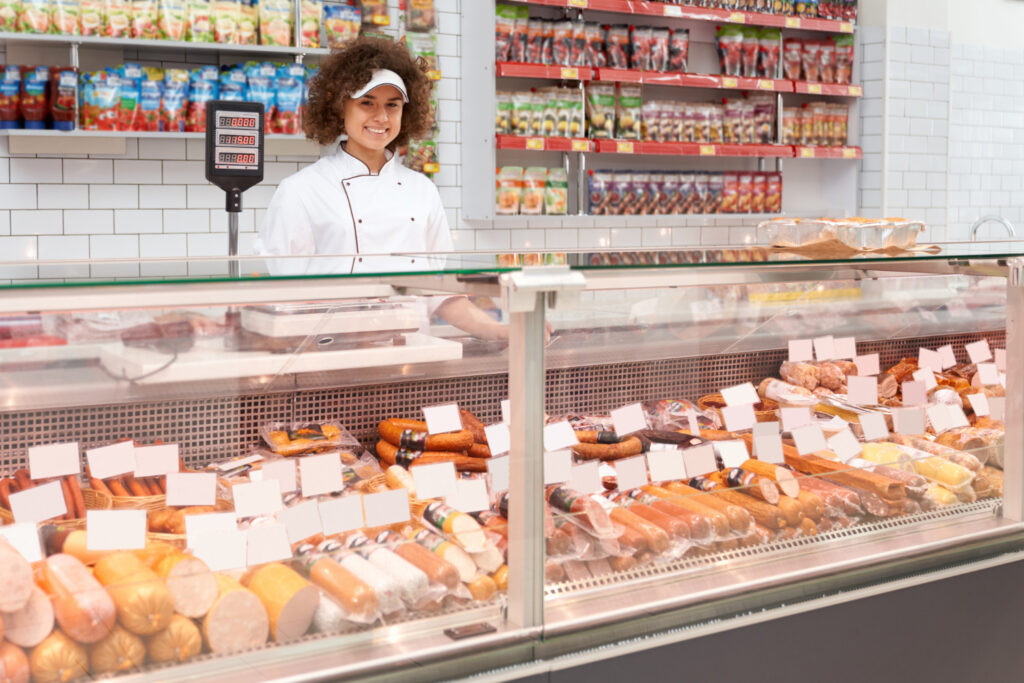
Blanket discounting is expensive, so grocers are becoming more precise. Loyalty programs now play a bigger role in how prices are presented, with personalized digital offers shaping what different shoppers see and buy. PC Optimum, Scene+ linked grocery offers, and app-based coupons are all part of that targeted approach.
This helps retailers direct discounts toward the customers most likely to respond. A family that buys baby food and produce regularly may receive different incentives than a single shopper focused on frozen meals or ready-to-eat items. The goal is not simply to cut prices, but to make savings feel relevant and immediate.
There is also a psychological dimension to these strategies. During inflationary periods, shoppers want evidence that a store understands their stress. Personalized promotions can create that impression, though they also raise questions about transparency when nonmembers may face higher effective prices on the same items.
Stores are rethinking assortment, packaging, and waste
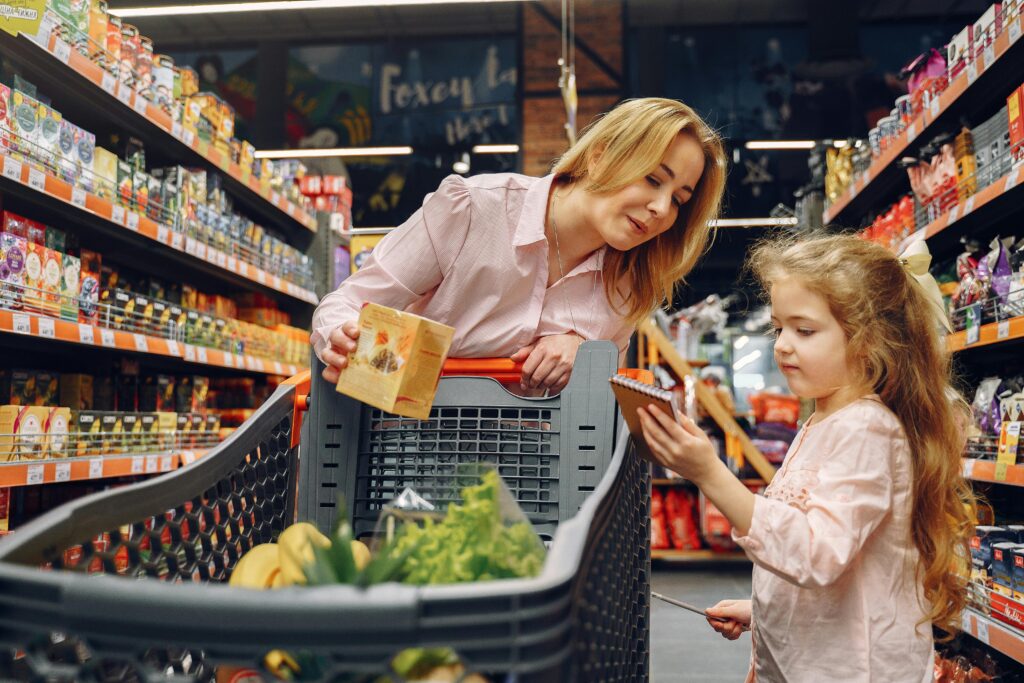
Another adjustment is happening behind the scenes on the shelf itself. Grocers are changing assortments to emphasize faster-moving essentials while reducing slower premium stock that can tie up working capital. In practical terms, that means more facings for affordable staples and tighter selection in niche categories.
Package size is also under closer review. Some suppliers have reduced sizes while holding prices steady, a practice consumers often call shrinkflation, and retailers must manage the backlash when shoppers notice. At the same time, grocers are introducing more small-format packs to keep entry prices lower for cash-strapped customers.
Waste reduction has become more urgent as well. High food costs make markdown racks, imperfect produce programs, and dynamic pricing on near-expiry items more attractive to both stores and shoppers. What was once a sustainability measure now doubles as a value strategy.
Trust, politics, and public scrutiny are now central
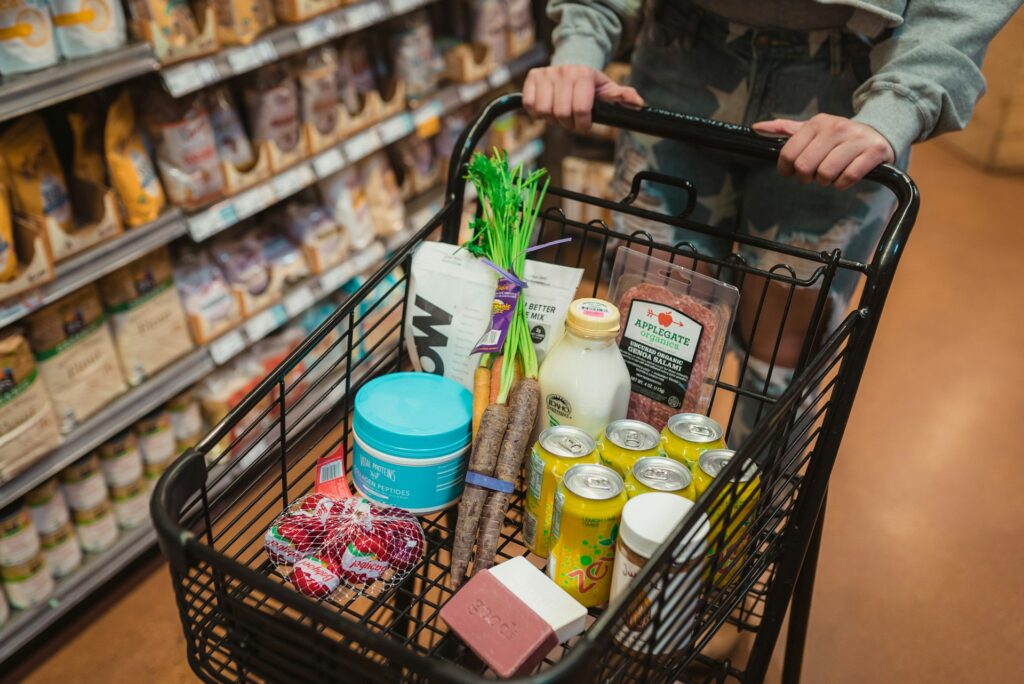
Grocery inflation in Canada has not stayed inside the store. It has become a political issue, with federal hearings, public criticism of major chains, and ongoing debate over competition, supplier power, and profits. That scrutiny has pushed retailers to communicate more carefully about pricing decisions and cost pressures.
Some chains have responded with highly visible value campaigns, price freezes on selected items, or stronger messaging around everyday low prices. Others are investing in community food programs or food bank partnerships to show awareness of the pressure facing households. These moves are partly commercial, but they are also reputational.
The deeper challenge is trust. When shoppers believe prices are rising faster than necessary, frustration can outlast the inflation spike itself. Canadian grocery stores are therefore reacting on two fronts at once: protecting margins in a tougher market while trying to convince customers they are still on their side.




Leave a Reply