
Trade fights rarely stay at the border. When tariffs hit food, they quickly reach farms, factories, grocery aisles, and family budgets.
Why the tariff fight matters so much to Canada
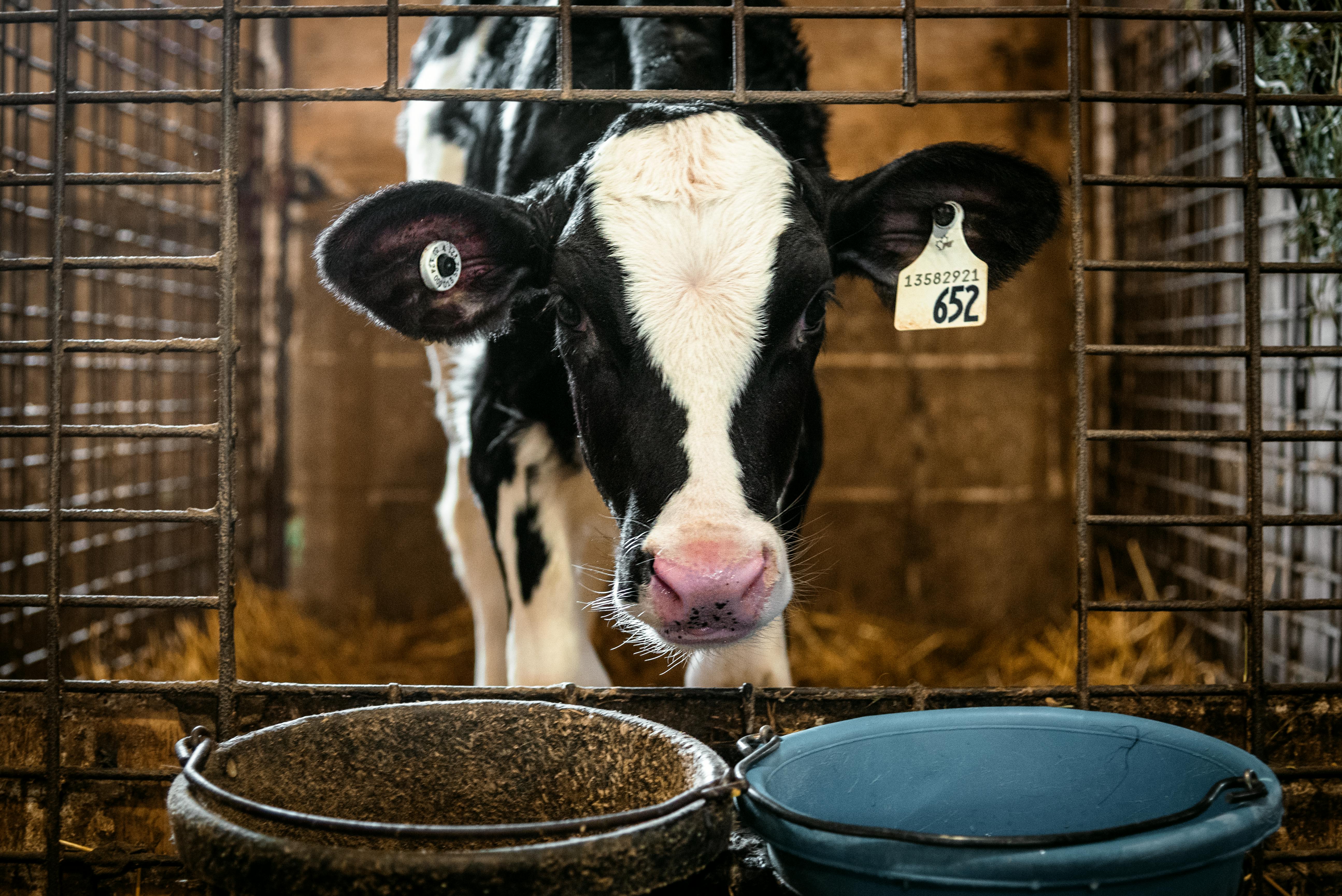
For Canada, food trade with the United States is not a side issue. It is a core part of the national economy, tied to beef, pork, grains, canola, processed foods, and countless supply chains that cross the border more than once before products reach shoppers. When the Trump administration embraced tariffs as a negotiating weapon, Canadian producers faced more than a political dispute. They faced immediate uncertainty over pricing, contracts, and access to their largest market.
That risk was especially serious because Canada and the U.S. have one of the most integrated agricultural trading relationships in the world. A cow raised in Alberta can be processed in the U.S., while American ingredients often return to Canada in packaged foods. According to trade data tracked during the tariff battles, even modest duties threatened to raise costs at multiple stages of production. For farmers operating on thin margins, that kind of friction can quickly become damaging.
Consumers also had a stake in the fight. Tariffs on food and food-related inputs can increase costs for retailers and processors, and some of those costs eventually show up on store shelves. Canada's response, therefore, was never just about punishing Washington. It was about containing damage at home while preserving leverage abroad.
Ottawa answered with targeted retaliation
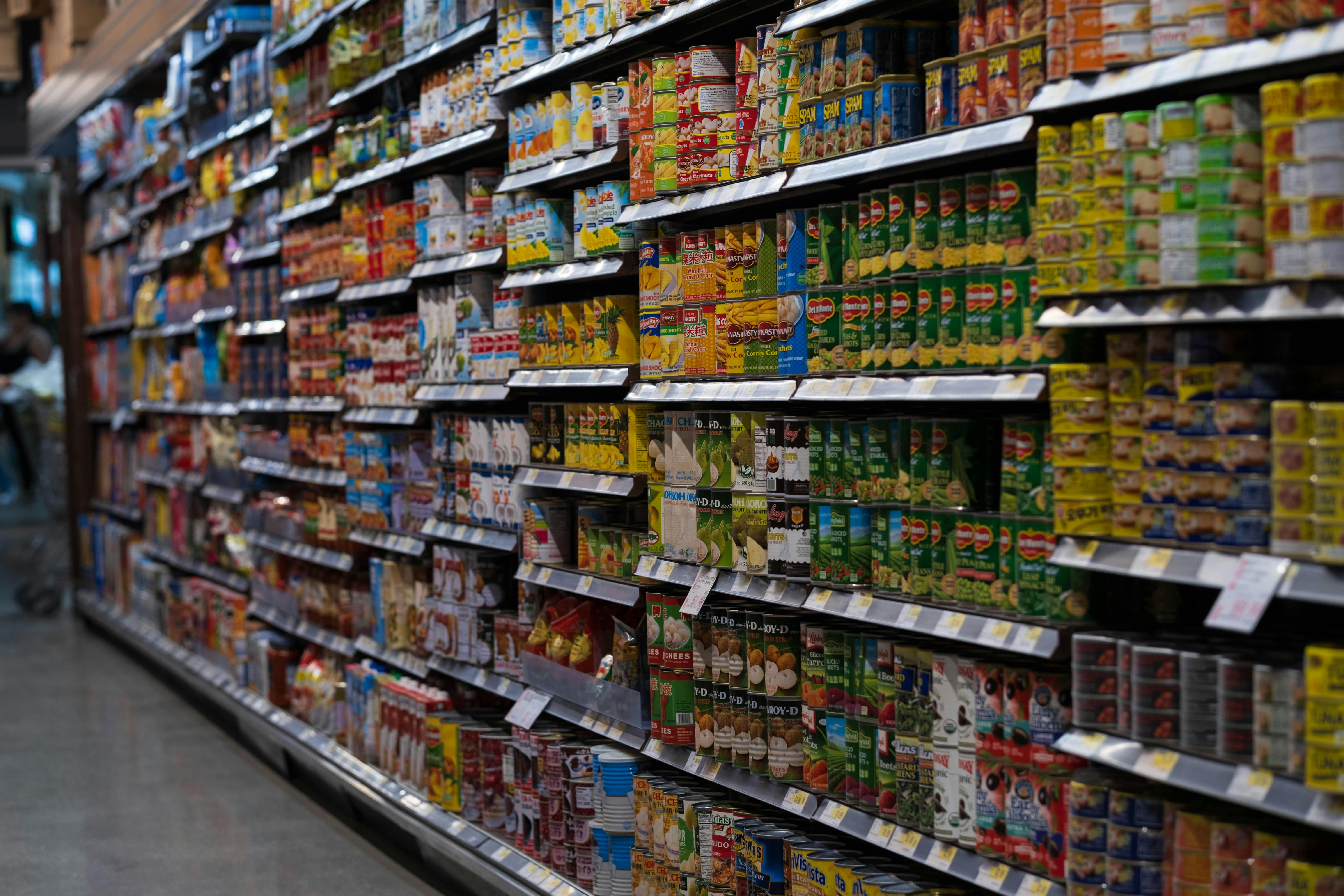
Canada's first line of defense was measured retaliation. Instead of responding broadly and risking unnecessary self-harm, Ottawa imposed countertariffs on a strategic list of U.S. goods, including many food products and consumer staples. The goal was clear: put pressure on politically sensitive American industries while signaling that Canada would not accept one-sided trade penalties without a cost.
This approach had precedent and purpose. During the steel and aluminum dispute, Canada matched U.S. tariffs dollar for dollar on selected imports, a tactic widely viewed as calibrated rather than impulsive. By choosing products linked to influential regions and business groups in the U.S., Canada increased the odds that American producers, retailers, and lawmakers would lobby for a rollback. In trade disputes, that domestic pressure often matters as much as formal diplomacy.
At the same time, Canadian officials were careful in how they framed retaliation. They stressed that countermeasures were temporary, lawful, and designed to bring the U.S. back toward negotiated rules. That mattered for maintaining public support and reassuring Canadian businesses that the government was acting with a plan, not simply escalating for show.
Canada also leaned on trade law and negotiation

A tariff battle is fought in public, but it is often decided through legal process and negotiation rooms. Canada challenged U.S. actions through dispute mechanisms available under international trade rules and North American agreements. That strategy reflected a long-standing Canadian belief that middle powers do best when trade conflicts are anchored in rules rather than raw economic force.
This legal route gave Canada two advantages. First, it reinforced the country's reputation as a predictable trading partner that respects institutions. Second, it created time and leverage, allowing Canadian negotiators to push back while businesses adjusted. Reuters and other major outlets repeatedly noted that Canada's trade strategy aimed to combine firmness with procedural credibility, a balance that can matter in talks with investors and allied governments.
Negotiation remained essential because legal wins can take time. Canada used every major round of talks, including those tied to the renegotiation of NAFTA into the USMCA, to protect market access for key agricultural sectors. While not every Canadian industry got everything it wanted, Ottawa's broader objective was to prevent tariff policy from becoming the normal way the U.S. handled food trade disagreements.
Protecting farmers at home became part of the strategy
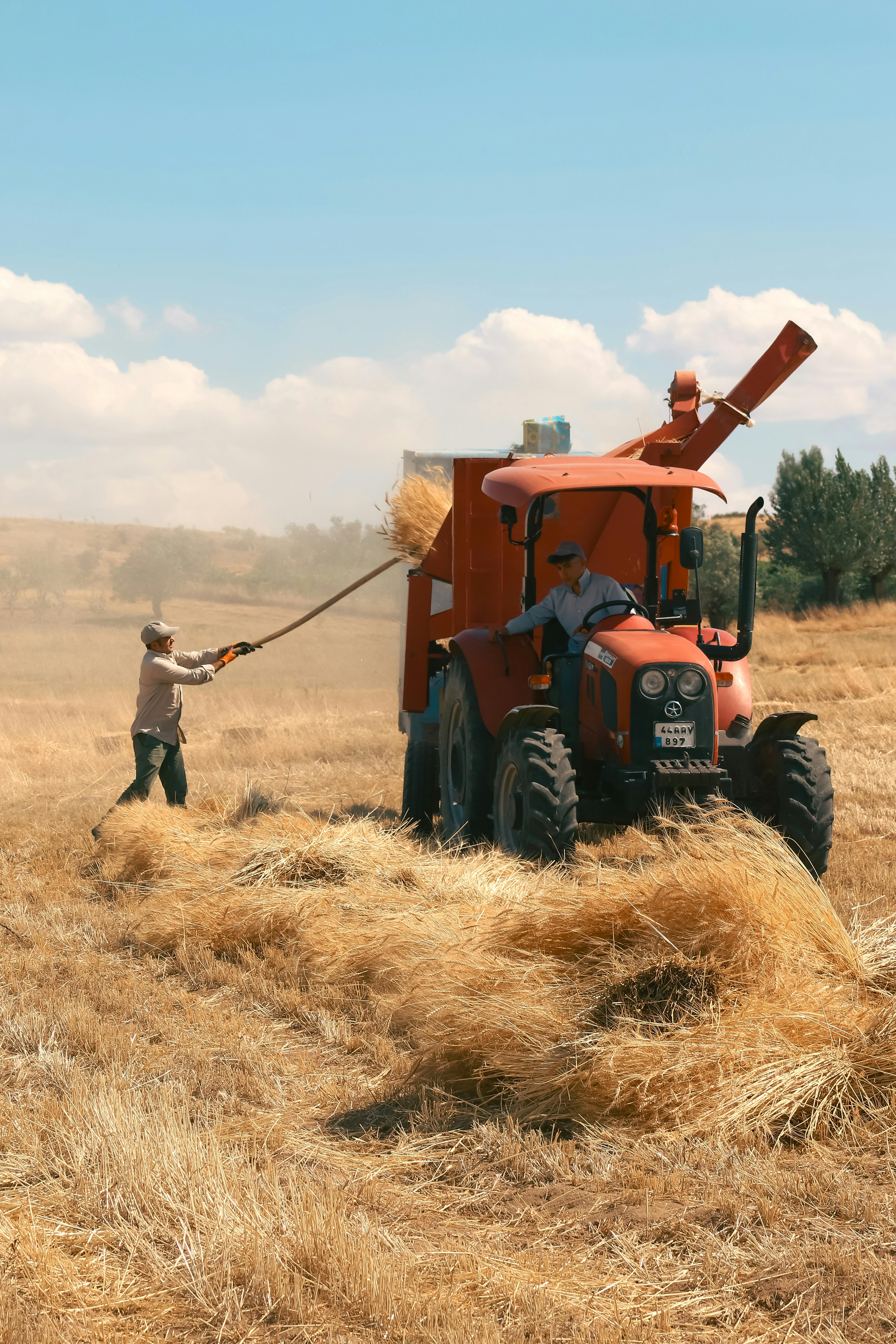
Fighting tariffs abroad means little if producers collapse at home. That is why Canada paired external pressure with domestic support, helping sectors absorb disruption while waiting for trade tensions to ease. Provincial governments, farm groups, and federal officials worked together on credit access, market intelligence, and emergency planning for producers facing sudden volatility.
This mattered most for industries that depend heavily on export timing. Meat, grain, and oilseed producers cannot always store output indefinitely or reroute sales overnight. A delay at the border or a sudden tariff threat can depress prices fast. In response, Canadian agencies expanded outreach and support tools aimed at cash flow, risk management, and business planning, giving producers more room to make decisions without panic selling.
Processors were part of this equation too. Food manufacturers often deal with both imported inputs and export markets, making them especially vulnerable during tariff swings. By treating the dispute as a whole supply-chain problem rather than just a farm problem, Canada improved its ability to limit spillover effects across the food economy.
Diversifying export markets has become a long game
One lesson from the Trump tariff era was impossible to ignore: overdependence on a single market creates strategic weakness. Canada cannot replace the U.S. as an agricultural customer, but it can reduce vulnerability by building stronger access elsewhere. That has helped shape federal trade policy, especially through agreements and promotion efforts aimed at Europe and the Indo-Pacific.
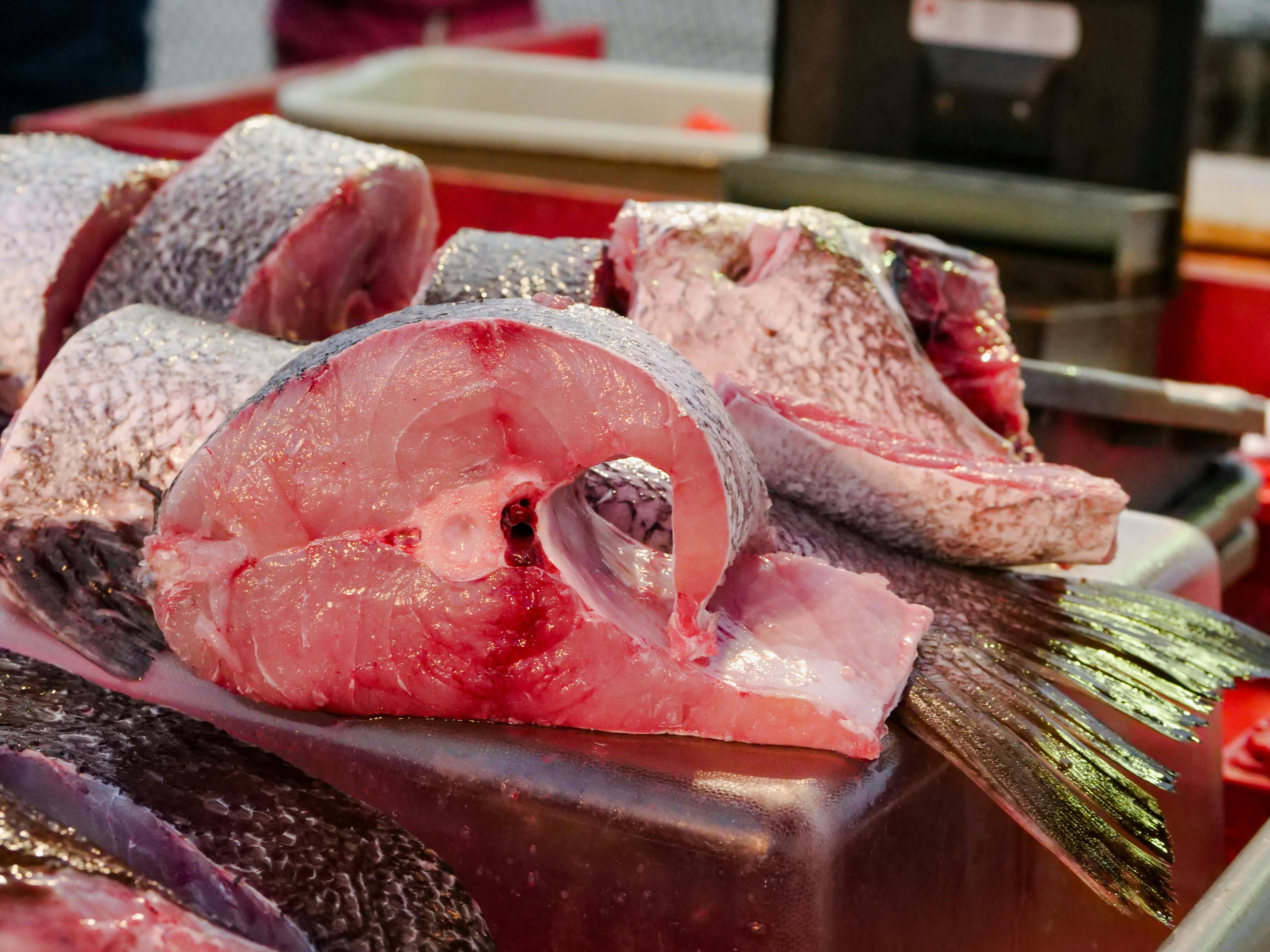
The Comprehensive and Progressive Agreement for Trans-Pacific Partnership and the Canada-European Union trade deal offered more than symbolism. They created openings for Canadian beef, pork, grains, seafood, and processed foods in markets that can absorb at least part of any U.S. disruption. Expanding into those regions is not instant or easy, because exporters must meet different standards, buyer preferences, and logistics demands. Still, diversification gives producers options, and options reduce the power of tariffs.
There is also a domestic business benefit. Companies that learn to sell into Japan, Vietnam, or the EU often become more resilient and competitive overall. In that sense, tariff pressure pushed Canada to accelerate a shift that many trade experts had recommended for years.
The bigger goal is resilience, not just retaliation

Canada's response to Trump's food tariffs has been strongest when it has treated the issue as structural rather than temporary. Countertariffs can send a message, and legal challenges can defend principles, but long-term resilience comes from stronger supply chains, broader export markets, and better support systems for producers. That is the deeper logic behind Ottawa's playbook.
The practical outcome is a more layered defense. If future U.S. administrations again use tariffs aggressively, Canada now has clearer tools, tested networks, and a stronger argument for coordinated action with industry. The country still faces limits because geography makes the American market indispensable. But it is better prepared than it was before the tariff shocks of the Trump years.
For Canadian consumers, that matters as much as it does for exporters. A more resilient food system is less exposed to sudden political disruption, which helps protect jobs, investment, and price stability. In the end, Canada's fight is not just about answering tariffs. It is about making sure one country's trade politics cannot too easily destabilize another country's dinner table.




Leave a Reply