
Some inventions arrive with fanfare. Others slip quietly into daily life until it is hard to imagine the world without them.
The category hiding in plain sight

Frozen food feels so ordinary now that most people never ask where the category truly began. Yet the modern frozen food business owes a surprising debt to Canada, where cold weather, long distances, and export pressures forced a new way of thinking about perishables.
The key idea was not merely keeping food cold. People had always used ice, cellars, and winter air to preserve meat and fish. The breakthrough was turning freezing into a controlled commercial system that could protect texture, flavor, and safety across vast supply chains.
That system took shape in the late 19th and early 20th centuries, especially through Canada's fish trade. According to food historians and museum records, Canadian exporters were among the first to industrialize the freezing and transport of fish at scale, helping define frozen food as a market category rather than a seasonal convenience.
A country built for the experiment
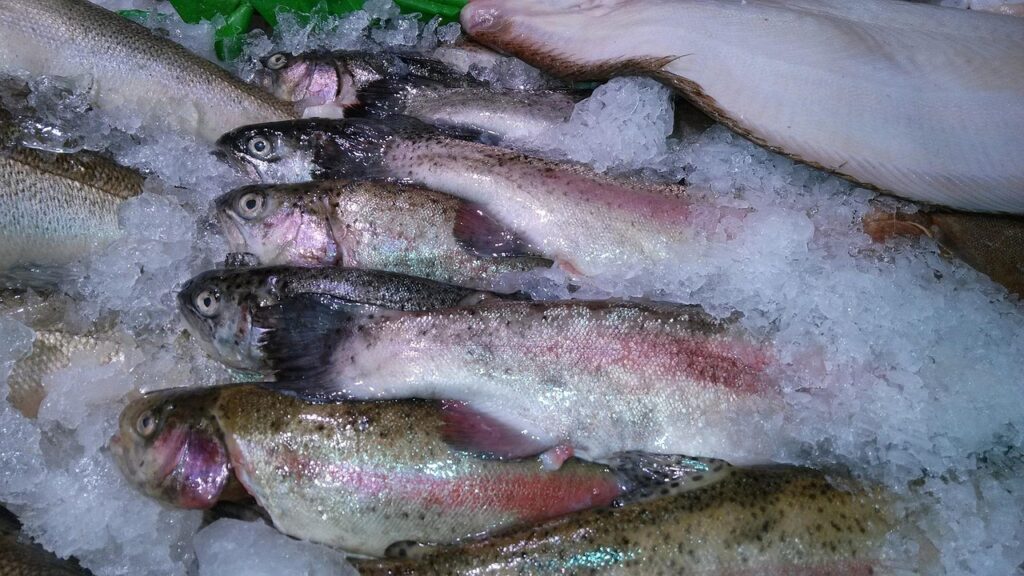
Geography made Canada an ideal testing ground. It had enormous fisheries, booming agricultural regions, and cities separated by daunting distances. Fresh food spoiled quickly, and shipping by rail or ship demanded methods that went beyond salting, smoking, or canning.
The Atlantic fish trade was especially important. Canadian companies needed to move catches farther and sell them in better condition, both domestically and abroad. Frozen storage offered a way to preserve quality while opening markets that had once been unreachable for truly fresh-tasting seafood.
Cold climate alone did not create the industry. What mattered was combining natural conditions with insulation, ice harvesting, refrigerated railcars, cold-storage warehouses, and eventually mechanical refrigeration. Canada became one of the earliest places where all those pieces were pulled together into a repeatable commercial model.
Fish led the way before vegetables followed

The public often associates frozen food with peas, pizzas, and supermarket dinners. In reality, fish helped establish the category first. By the early 1900s, Canadian frozen fish operations were showing that freezing could be more than a backup method for unsold catch.
This changed the economics of food. Sellers could smooth out supply, hold inventory longer, and ship to distant cities without total dependence on immediate local demand. Consumers benefited too, because frozen products expanded access to food that would otherwise be seasonal, regional, or prohibitively expensive.
Later, advances in rapid freezing improved quality dramatically. Clarence Birdseye in the United States became the best-known name in the sector, especially for vegetables, but his success built on a broader North American cold-chain evolution in which Canadian practices had already proved the commercial promise of frozen foods.
The supermarket revolution it made possible

Once freezing worked reliably, retail changed. Grocers could stock food for longer periods, reduce some forms of waste, and offer shoppers dependable supply through the year. The frozen aisle, now standard from Toronto to Tokyo, emerged from this ability to break the old limits of season and distance.
Manufacturers quickly saw a bigger opportunity. Frozen food was not just preservation. It was product design. Seafood fillets, berries, prepared potatoes, dinners, and desserts could be portioned, branded, and distributed at scale, creating a new category that fit modern urban life.
This mattered most after World War II, when household freezers spread rapidly. Convenience became a selling point, but consistency mattered just as much. Families could buy food in advance, store it safely, and rely on predictable quality, a shift that permanently altered cooking habits across the industrialized world.
Why people forgot Canada's role
Part of the confusion comes from fame. Birdseye became synonymous with frozen food, and American mass marketing helped cement that story. But invention in food systems is rarely a single eureka moment. It usually emerges from infrastructure, logistics, and many regional experiments over decades.
Canada's contribution was foundational because it helped turn freezing into a viable business before frozen convenience foods became glamorous. Historians of refrigeration often point to the country's fisheries, cold-storage development, and export networks as proof that category creation can happen far from the advertising spotlight.
In other words, Canada did not invent the idea of ice preserving food. It helped invent frozen food as something you could produce, package, ship, sell, and trust on a mass scale. That is the category the world now takes for granted.
The accidental invention still shapes every meal

Modified version: Cornischong at lb.wikipedia/Wikimedia Commons
Today, frozen food is central to food security and global trade. Hospitals, airlines, restaurants, school systems, and home kitchens all rely on cold chains that trace their logic back to those early commercial experiments. Without frozen distribution, modern diets would be narrower, costlier, and far more fragile.
The category also supports nutrition in ways critics sometimes overlook. Frozen produce is often processed close to harvest, which can preserve nutrients effectively. Researchers and public health experts frequently note that freezing makes fruits, vegetables, and seafood more accessible in places where fresh supply is inconsistent or unaffordable.
That is why Canada's accidental invention matters. It was not a single packaged meal or a flashy kitchen gadget. It was the creation of a dependable food system category, born from practical necessity, that reshaped what the world can eat, where it can be bought, and when it can be enjoyed.




Leave a Reply