
Holiday food says a lot about a country. This year, the contrast between America's 4th of July and Canada's July 1st was most visible at the grill, the grocery checkout, and the dessert table.
The grill remained the center of both celebrations
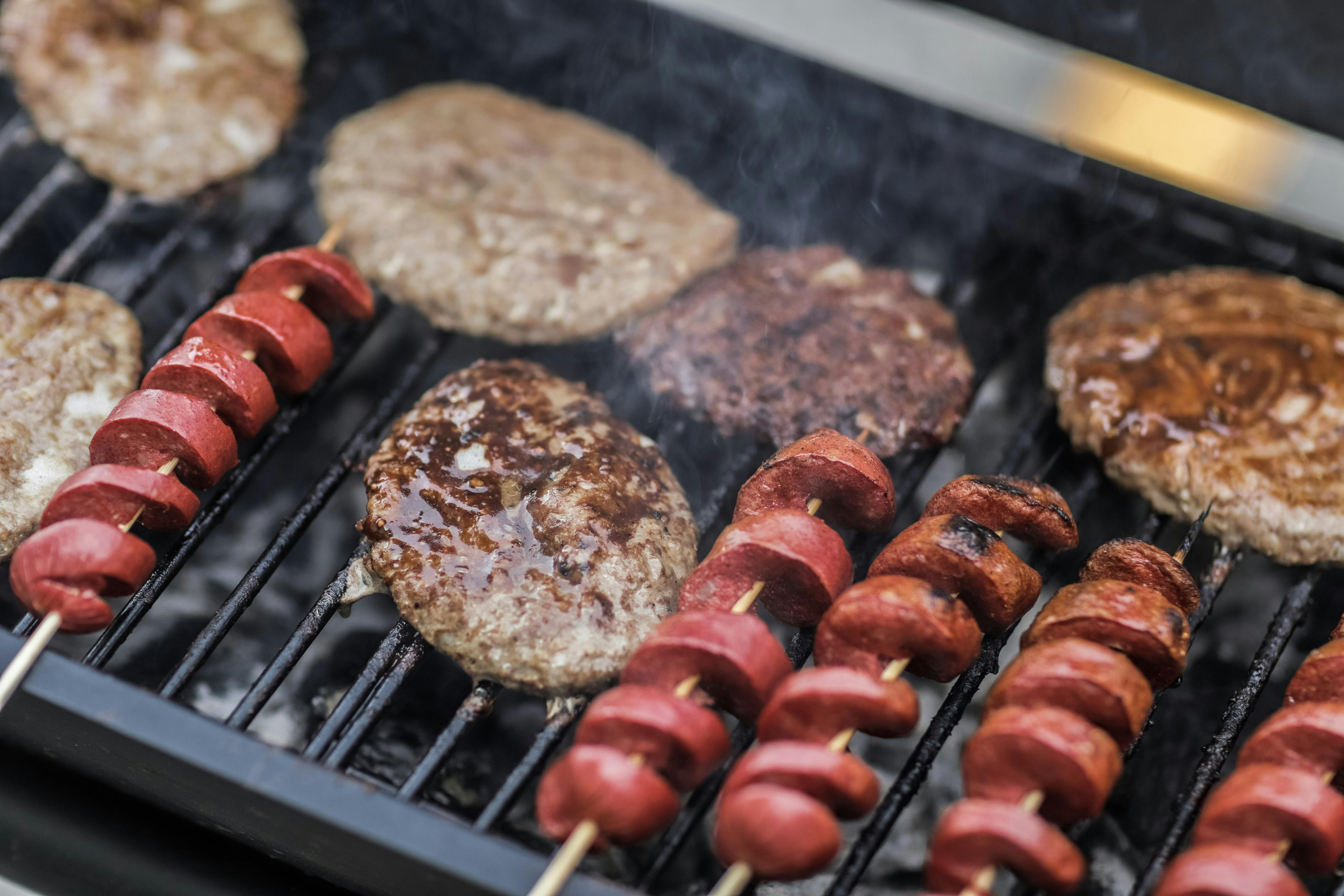
In both countries, outdoor cooking still defined the holiday meal. Americans leaned heavily on burgers, hot dogs, pork ribs, chicken wings, and barbecue platters, reflecting a strong preference for large-format cookouts built around meat and sauce.
Canada's July 1st menus also centered on grilling, but they often felt a little broader in mix. Sausages, burgers, steak, cedar-planked salmon, and grilled vegetables appeared more evenly across households, especially in western provinces and coastal areas where seafood remains a stronger seasonal staple.
Industry forecasts this year suggested Americans were again buying holiday grilling staples in high volume despite price sensitivity. In Canada, retailers similarly promoted barbecue bundles, but the mix more often included local beef, peameal bacon in some regions, and seafood items tied to provincial food identity.
Inflation shaped what people actually bought

The biggest food story this year was not taste alone. It was cost. In the U.S., grocery inflation cooled compared with earlier peaks, yet shoppers still faced elevated prices on beef, condiments, prepared sides, and branded snacks, pushing many families toward store brands and bulk packs.
Canada saw a similar pressure point, with food inflation easing from prior highs but remaining a major household concern. Higher costs for beef, produce, and pantry basics made many consumers more selective, and that often translated into smaller guest lists, simpler menus, or heavier reliance on discount grocers.
The result was a subtle but important divide. American consumers appeared more willing to splurge on iconic holiday foods like ribs or brisket for a single gathering, while Canadians often balanced celebratory spending with value-minded choices such as sausages, chicken, potato salad, and shared potluck-style dishes.
Regional identity showed up more strongly in Canada

The American 4th of July has a highly recognizable national food image. Hot dogs, burgers, corn on the cob, baked beans, watermelon, and apple pie still dominate public expectations, even though regional barbecue styles from Texas, the Carolinas, Kansas City, and Memphis remain influential.
Canada Day food looked less uniform from coast to coast. In Quebec, poutine, tourtière references, local cheeses, and maple-forward desserts still shaped gatherings. In Atlantic Canada, lobster rolls, mussels, and potato-based sides had more visibility, while the Prairies leaned into beef and hearty grilled fare.
That made Canada's food identity on July 1st feel more regional than national this year. America's holiday menu was easier to predict, but Canada's often told a more local story, with provincial ingredients and community traditions playing a larger role in what landed on the plate.
Side dishes and desserts revealed the clearest differences
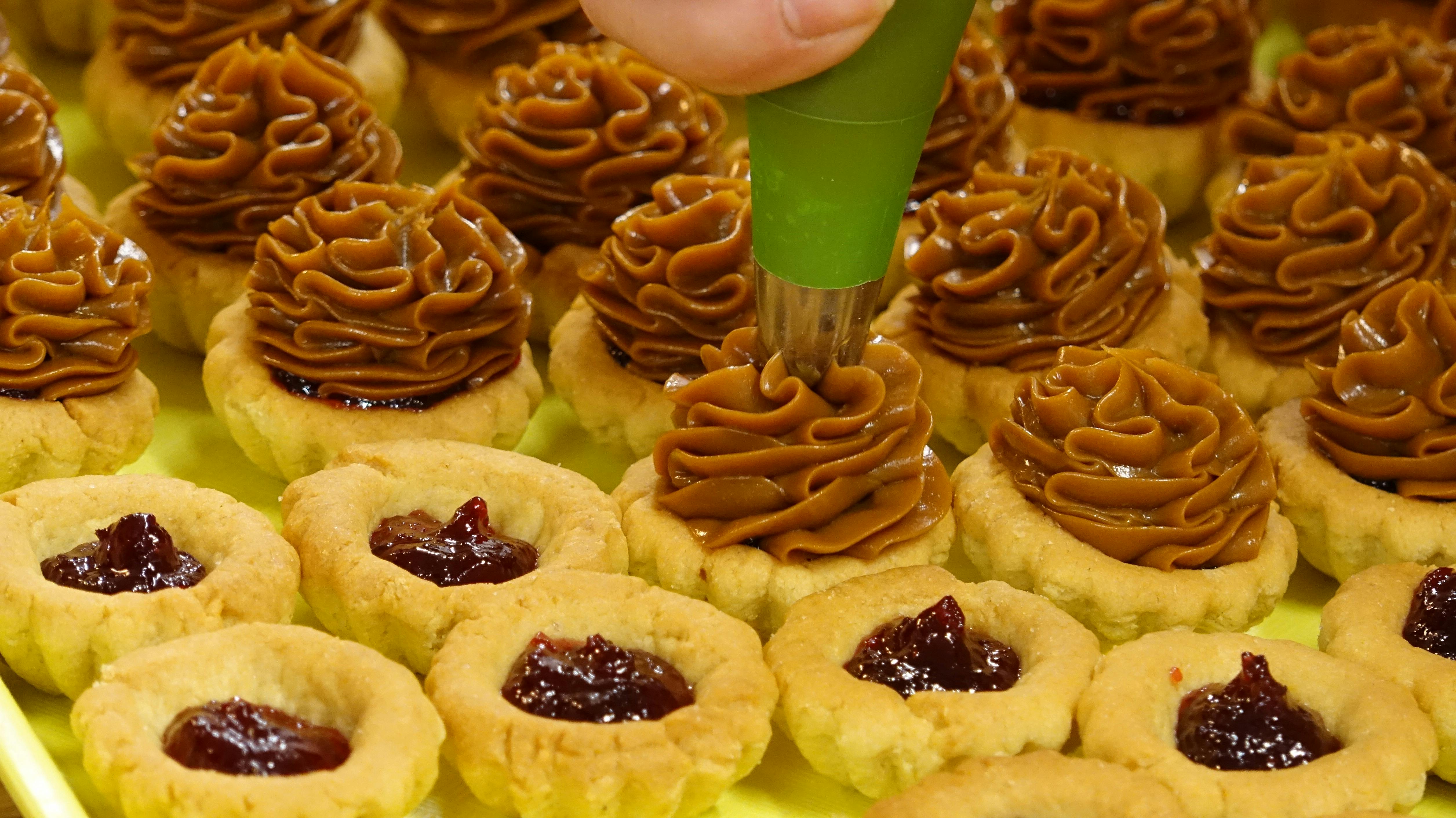
The main proteins overlapped, but the supporting cast often separated the two holidays. In the U.S., macaroni and cheese, coleslaw, baked beans, chips and dip, deviled eggs, and flag-themed fruit trays remained common at both backyard parties and larger neighborhood events.
Canada's side dishes were typically less stylized around patriotic presentation and more tied to seasonal freshness. Potato salads, pasta salads, mixed greens, grilled asparagus, corn, and bakery tarts were common, often joined by butter tarts, Nanaimo bars, strawberry shortcake, or desserts featuring maple flavors.
Dessert culture also felt more theatrical in the U.S. Red, white, and blue cakes, frosted cookies, and berry-packed pies were highly visible this year. In Canada, sweets were festive but generally less decorative, with emphasis placed more on familiar comfort desserts than overt national color schemes.
Restaurant and ready-made food played a bigger role than before
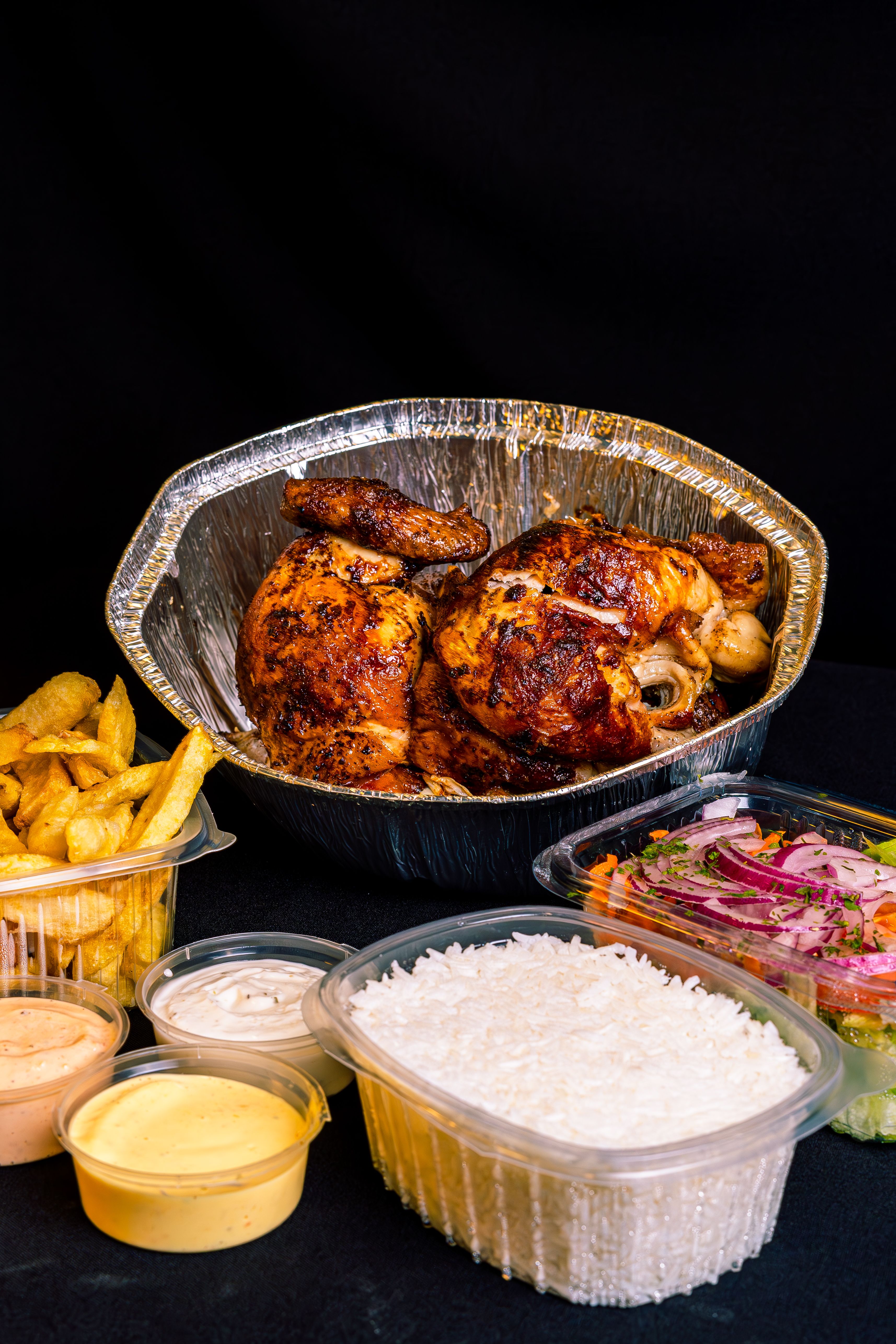
Not every holiday meal came from a backyard grill. In the U.S., supermarkets, warehouse clubs, and barbecue chains continued expanding heat-and-serve holiday packages, giving time-pressed households easier access to ribs, smoked meats, prepared salads, and dessert platters.
Canada mirrored that trend, though on a slightly smaller scale. Grocery chains and local butchers pushed meal kits, marinated meats, prepared skewers, and deli sides, while casual restaurants used Canada Day promotions to attract customers looking for convenience without losing the celebratory feel.
This shift matters because it changes what "holiday cooking" means. In both countries, people still wanted traditional flavors, but many were happy to outsource part of the meal. This year, convenience was not seen as less festive. It was simply a practical response to busy schedules and higher costs.
This year's biggest takeaway was similarity with subtle contrast
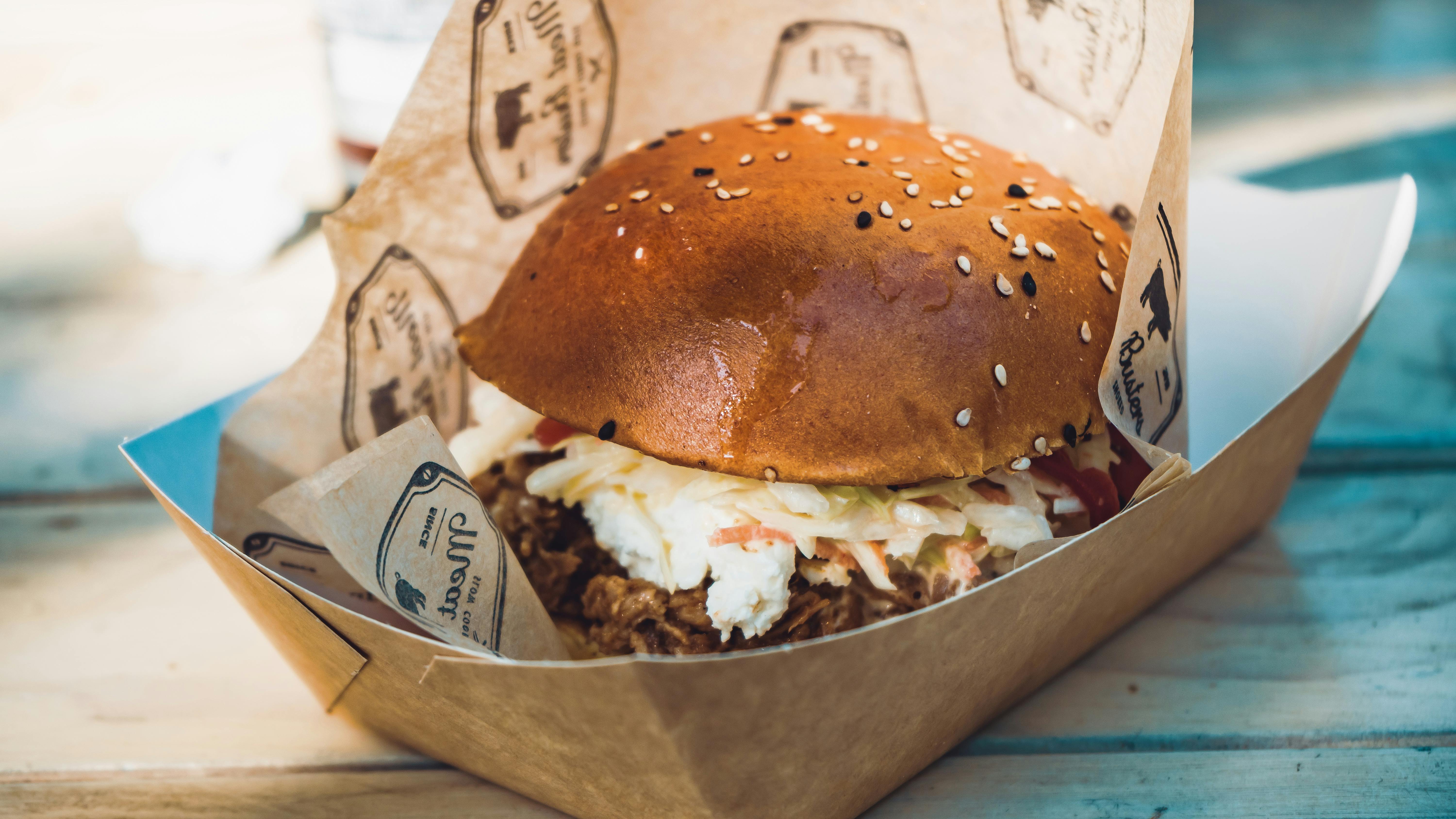
At a glance, the two holidays looked very similar on the plate. Both celebrated summer with grilled meats, cold salads, fresh produce, frozen treats, and easy outdoor food meant for sharing with family, friends, and neighbors.
But the differences became clearer the closer you looked. America's 4th of July food culture remained bigger, louder, and more standardized, with iconic staples and themed presentation leading the way. Canada's July 1st felt more regionally varied, slightly more restrained, and more closely tied to local ingredients.
So, in terms of food this year, America's 4th and Canada's 1st were cousins rather than opposites. They shared the same seasonal spirit, yet each holiday reflected a distinct national rhythm: one built around bold symbols and scale, the other around regional character and a quieter kind of pride.




Leave a Reply