
Sugar is easy to spot in desserts, but much harder to notice in everyday foods. That is why understanding where it hides matters more than most people realize.
What sugar is, and what health experts actually want you to limit

Sugar is a simple carbohydrate, and not all of it deserves the same reputation. Naturally occurring sugars in fruit, milk, and plain yoghurt come packaged with fibre, protein, vitamins, and minerals that support health. A banana and a biscuit may both contain sugar, but nutritionally they are not remotely equivalent.
What experts focus on is "free sugar", the type added by manufacturers, cooks, or consumers. It also includes sugars released from fruit during juicing, which is why fruit juice and smoothies can count more like soft drinks than whole fruit. According to the British Nutrition Foundation, this is the category most linked to overconsumption.
Global guidance is fairly clear. The WHO and American Heart Association advise keeping added sugar below 10% of daily calories, or roughly 50g on a 2,000-calorie diet. In the UK, the recommendation is stricter at 5%, or about 30g a day, which can disappear surprisingly fast.
Why hidden sugar is so common in foods that do not taste especially sweet

The biggest consumer trap is assuming sugar only belongs in obvious sweets. In reality, it appears in breakfast cereals, pasta sauces, flavoured yoghurts, plant milks, bread products, condiments, snack bars, and alcoholic drinks. Food companies use it for taste, texture, preservation, and shelf appeal.
Labels often make this harder to spot because sugar appears under dozens of names. Sucrose, dextrose, glucose syrup, maltose, molasses, treacle, fruit juice concentrate, honey, agave, and nectar all contribute to the same overall sugar load. A product can sound wholesome while still delivering a highly sweetened formula.
Recent public health reviews show how misleading this can be. The Food Foundation reported that 74% of baby and toddler snack products had medium or high sugar levels, including some marketed as "no added sugar." That often happens because fruit purees or concentrates are doing the sweetening instead.
The foods and drinks that push most people over the daily limit
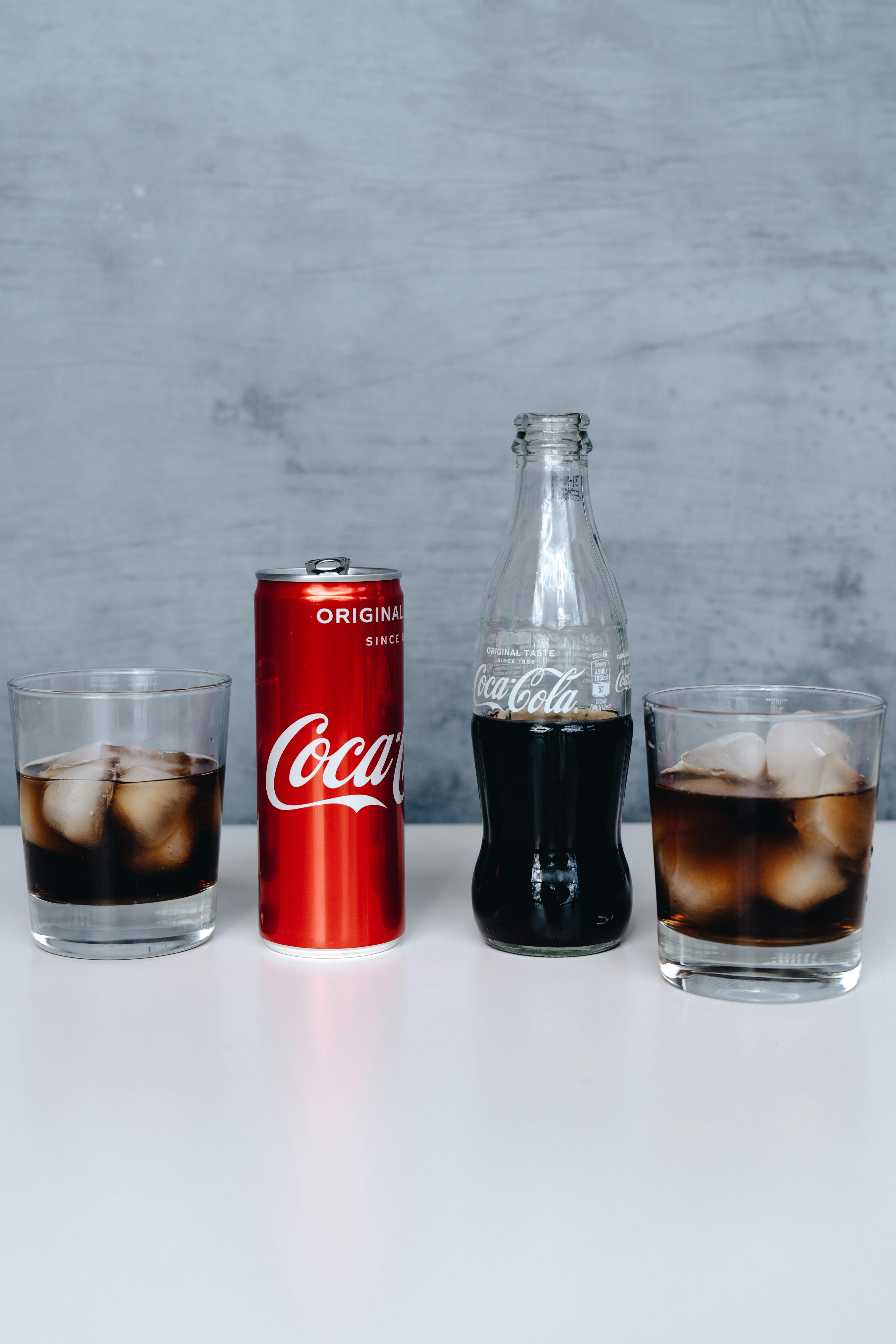
For many households, sugar intake is not driven by desserts alone. A flavoured yoghurt at breakfast, a glass of juice, a cereal bar, and a soft drink later in the day can push someone past the UK daily limit before dinner. A 330ml can of cola contains about 35g of free sugar on its own.
Children and teenagers tend to consume the most. UK data cited by the British Nutrition Foundation suggests those aged four to 18 get around 12% of daily calories from sugar, well above recommendations. Soft drinks are a leading source, especially among older children.
Adults are not doing much better, particularly when sugary drinks and alcohol are counted together. Research reviewed in recent years shows sugar intake has declined in some countries, including the US, but it still remains well above ideal levels. The problem is less about one treat and more about repeated everyday exposure.
What too much sugar can do to teeth, weight, and long-term health

Sugar's most established effect is on dental health. It feeds mouth bacteria that produce acid, which erodes enamel and raises cavity risk. Frequent sipping is especially harmful because it repeatedly bathes teeth in sugar and acid, even when the drink is marketed as fruit-based.
The wider metabolic concerns are also substantial. High sugar intake is associated with weight gain and obesity, and several studies have linked sugary diets to higher risks of type 2 diabetes, fatty liver disease, and cardiovascular problems. Sugary drinks seem particularly harmful because they are easy to consume quickly and do not satisfy appetite well.
A 2024 Swedish observational study of 70,000 adults found sugary drinks had a stronger link to cardiovascular disease than other forms of sugar. Other research, including the long-running Framingham Heart Study, has connected high intake of sweetened beverages with more liver fat, poorer blood lipids, and broader cardiometabolic risk.
Why sweeteners and "natural" alternatives are not a simple solution

Many consumers replace white sugar with honey, maple syrup, coconut sugar, or agave because they sound less processed. But nutritionally, these are still sugars. They may contain trace nutrients, yet the amounts are too small to transform a sweetener into a health food.
Artificial and low-calorie sweeteners are more complicated. In the UK and EU, products such as aspartame, sucralose, saccharin, xylitol, and sorbitol are approved for use within established safety limits. They can help people reduce sugar intake, especially if they regularly drink sugary beverages.
Still, major health bodies do not treat sweeteners as a cure-all. In 2023, the WHO advised against relying on non-sugar sweeteners for long-term weight control or disease prevention. Current expert opinion is that they can be useful as a transition tool, but the real goal is reducing dependence on intense sweetness altogether.
Practical ways to cut back without making your diet miserable

The most effective strategy is gradual change, not total elimination. Reducing sugar in tea or coffee, swapping sugary drinks for sparkling water, and choosing plain yoghurt with fruit instead of flavoured versions are realistic steps that people can sustain. Taste buds adapt with repeated exposure.
Shopping habits matter just as much. Reading labels, comparing cereals, checking plant milks for added sugar, and being cautious with products labelled natural, high-protein, or no added sugar can prevent surprises. In practice, many of the most heavily sweetened foods are sold with a strong health halo.
It also helps to reframe the goal. Consumers do not need to fear all sugar or ban occasional treats. What matters is keeping sweet foods occasional, relying more on whole fruit, vegetables, pulses, and wholegrains, and making water the default drink most of the time. That is the pattern experts consistently support.




Leave a Reply