
Somewhere along the way, dinner stopped being just dinner. A grocery cart, coffee order, or weeknight recipe can now feel like a declaration about values, class, identity, and power.
Food itself is neutral, but the systems around it are not
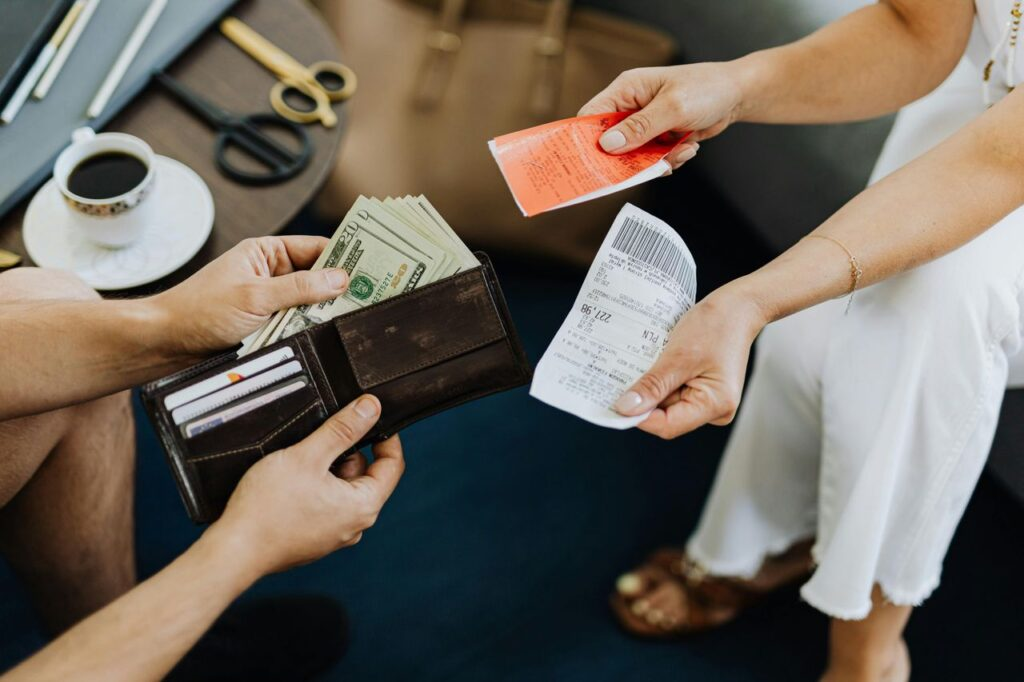
The first thing worth clearing up is the phrase people use so casually: "food is political." It sounds true, but it is often too vague to be useful. As writer Alicia Kennedy has argued, food is better understood as a tool that political systems act upon, rather than a political actor on its own. A tomato does not carry an ideology. The labor system that picked it, the trade policy that priced it, and the marketing that sold it certainly can.
That distinction matters because it shifts the conversation from symbolism to structure. During the pandemic, for example, the United States used the Defense Production Act to keep meatpacking plants open even as workers faced severe health risks. The political story was not the meat itself. It was the decision to prioritize supply chains and industry continuity over worker safety in one of the country's most dangerous food sectors.
You can see the same pattern elsewhere. In Puerto Rico, heavy dependence on imported food contributes to higher prices despite lower average wages and high poverty rates. In India, dietary choices have at times been entangled with surveillance, punishment, and religious majoritarian politics. In Italy, debates over cultivated meat have been framed not only around safety or economics, but around national identity and cultural preservation.
So when eating feels political, what people are really sensing is that food sits at the intersection of labor, law, land, trade, and culture. The meal on the plate may be ordinary. The system behind it rarely is.
Grocery bills turned everyday eating into a public argument
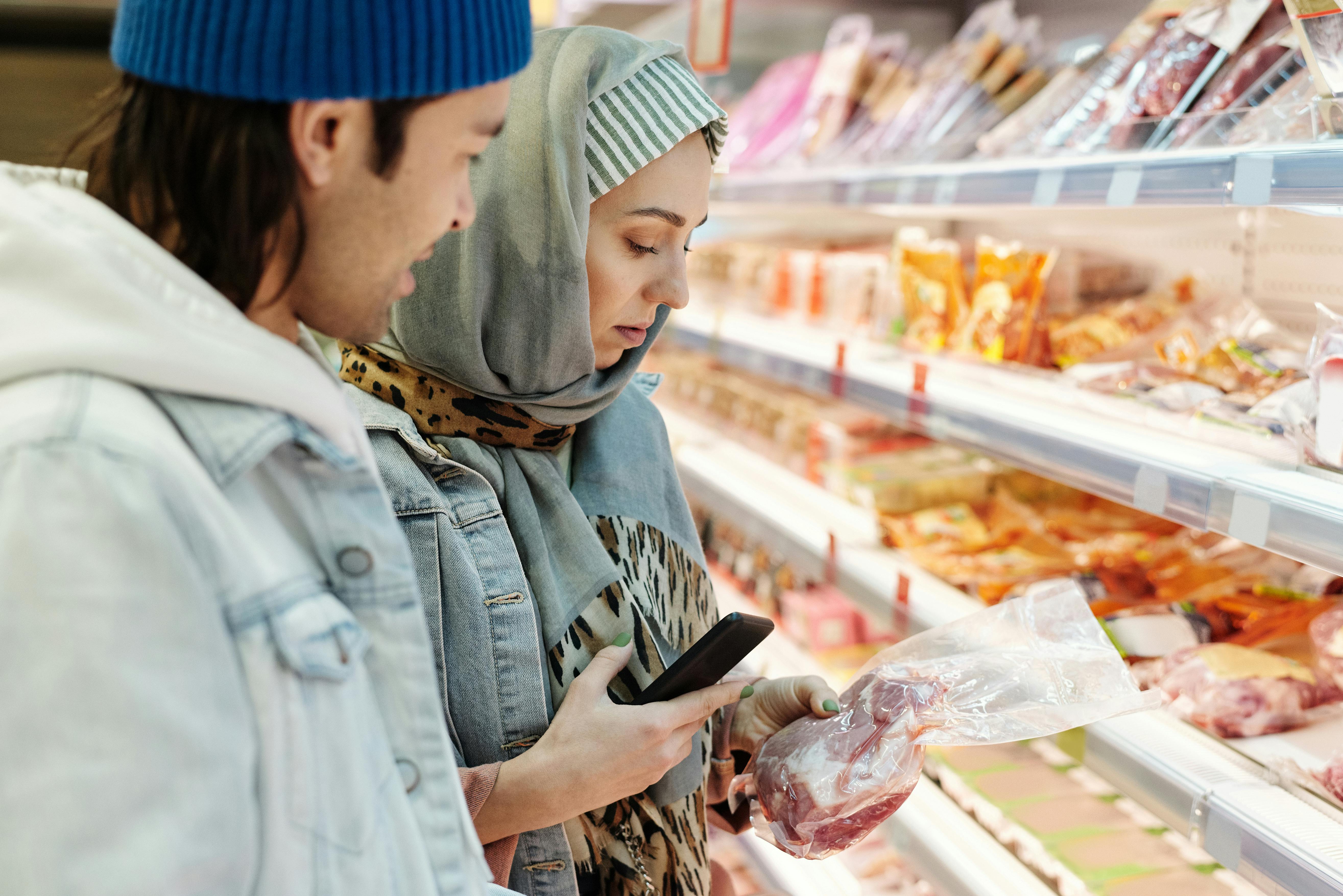
Nothing politicizes food faster than price. When inflation hits staples like eggs, bread, milk, olive oil, or beef, private household stress quickly becomes public debate. Families do not experience food costs as abstract economic indicators. They experience them as shrinking options, altered routines, and the nagging feeling that even basic nourishment is no longer secure.
Recent years made that especially visible. Supply chain disruptions, bird flu outbreaks, drought, fertilizer costs, shipping volatility, and war-related commodity shocks all pushed food prices higher across many markets. According to major inflation tracking in the U.S. and Europe, consumers responded not only by buying less, but by changing what they bought, where they shopped, and what they believed was responsible for the squeeze.
That is where food starts to feel like a statement even when no one wants it to. Shopping at a discount grocer can feel practical, but some people still read it through class. Buying organic may reflect concern about pesticides, but others see elitism. Choosing imported produce may be about availability, yet it can be framed as a failure to support local farmers. Even frugality gets moralized.
Because food is daily, visible, and emotionally charged, economic pressure turns it into a stage for blame. Consumers blame corporations, governments, regulation, immigration, climate policy, or global trade depending on their worldview. The refrigerator becomes intimate evidence of wider dysfunction. When food affordability breaks down, politics no longer feels distant. It shows up at breakfast.
Identity and morality now cling to what we eat

Food has always expressed identity, but today that expression is heavily scrutinized. Diets are no longer discussed only in terms of taste, tradition, health, or affordability. They are regularly judged as moral positions. A person can be read as disciplined, careless, enlightened, privileged, patriotic, suspect, ethical, or hypocritical based on what is on the plate.
Plant-based eating is a useful example because it shows how unstable food meaning really is. For some, vegetarianism or veganism signals compassion, climate concern, or opposition to industrial animal agriculture. For others, it can read as urban status performance, nutritional ideology, or indifference to cultural and economic realities. As Kennedy notes, the same food choice can be interpreted through radically different political lenses.
That complexity is not new. Historian Alex Ketchum's work on feminist restaurants shows that even within explicitly political spaces, food choices did not point in one direction. Some feminist establishments embraced vegetarian menus through ecofeminist principles. Others served meat because accessibility, community preference, or practical economics mattered more. The politics were not in a single ingredient. They were in the reasoning, power structure, and social context.
This is why modern food culture can feel exhausting. The pressure is not simply to eat, but to explain oneself. Gluten-free, halal, keto, regenerative, local, seed-oil-free, organic, high-protein, traditional, natural: each label carries signals beyond nutrition. In a polarized climate, people are not just consuming food. They are reading one another through it.
Social media turned food choices into visible performances
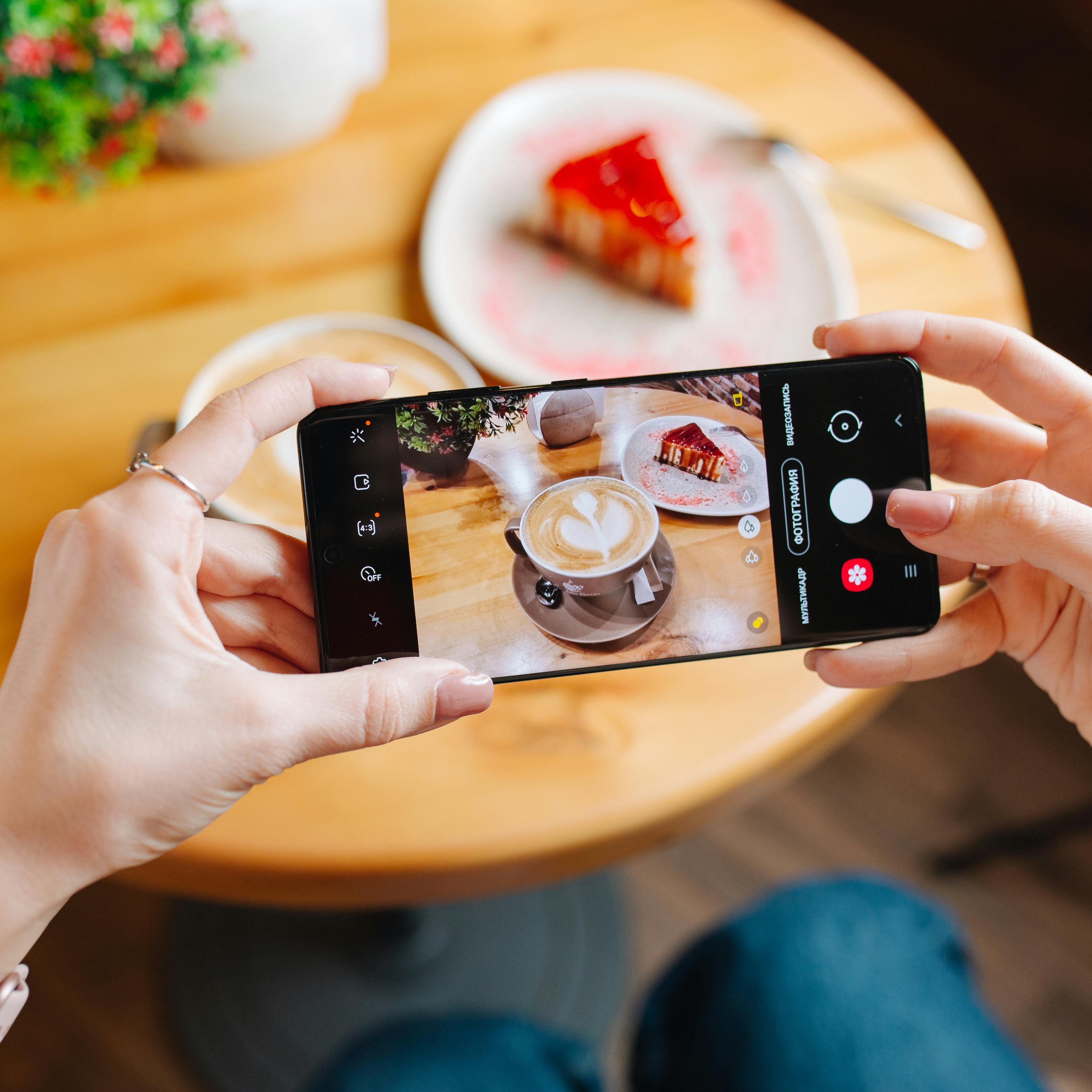
Part of the reason food feels more political than before is that eating is no longer mostly private. Social platforms transformed meals into content, and content into identity management. A lunch that once disappeared into the day can now circulate as a value statement about wellness, sustainability, indulgence, authenticity, or cultural belonging.
That visibility changes behavior. People make food decisions for many legitimate reasons, but they also know those decisions are legible to others. A reusable market tote, a farmers market haul, a fast-food bag, or a carefully tagged restaurant reservation all tell stories. Algorithms then intensify the effect by rewarding emotionally charged interpretations, especially those tied to outrage, purity, or superiority.
The result is a constant compression of complicated realities into easy symbols. A local farm becomes automatically virtuous, though labor conditions may still be poor. A cheap meal becomes shameful, though it may be all someone can afford. "Clean eating" can be promoted as empowerment while quietly reinforcing disordered thinking or class anxiety. Aesthetic food culture often hides the systems that make the image possible.
There is also a deeper cultural shift here. Public performance encourages certainty, while food realities are usually messy. Most people live with contradiction. They care about workers but need convenience. They worry about climate but have tight budgets. They love tradition but are curious about change. Social media struggles with that kind of nuance, so food gets flattened into teams.
The real politics of food are labor, land, climate, and control
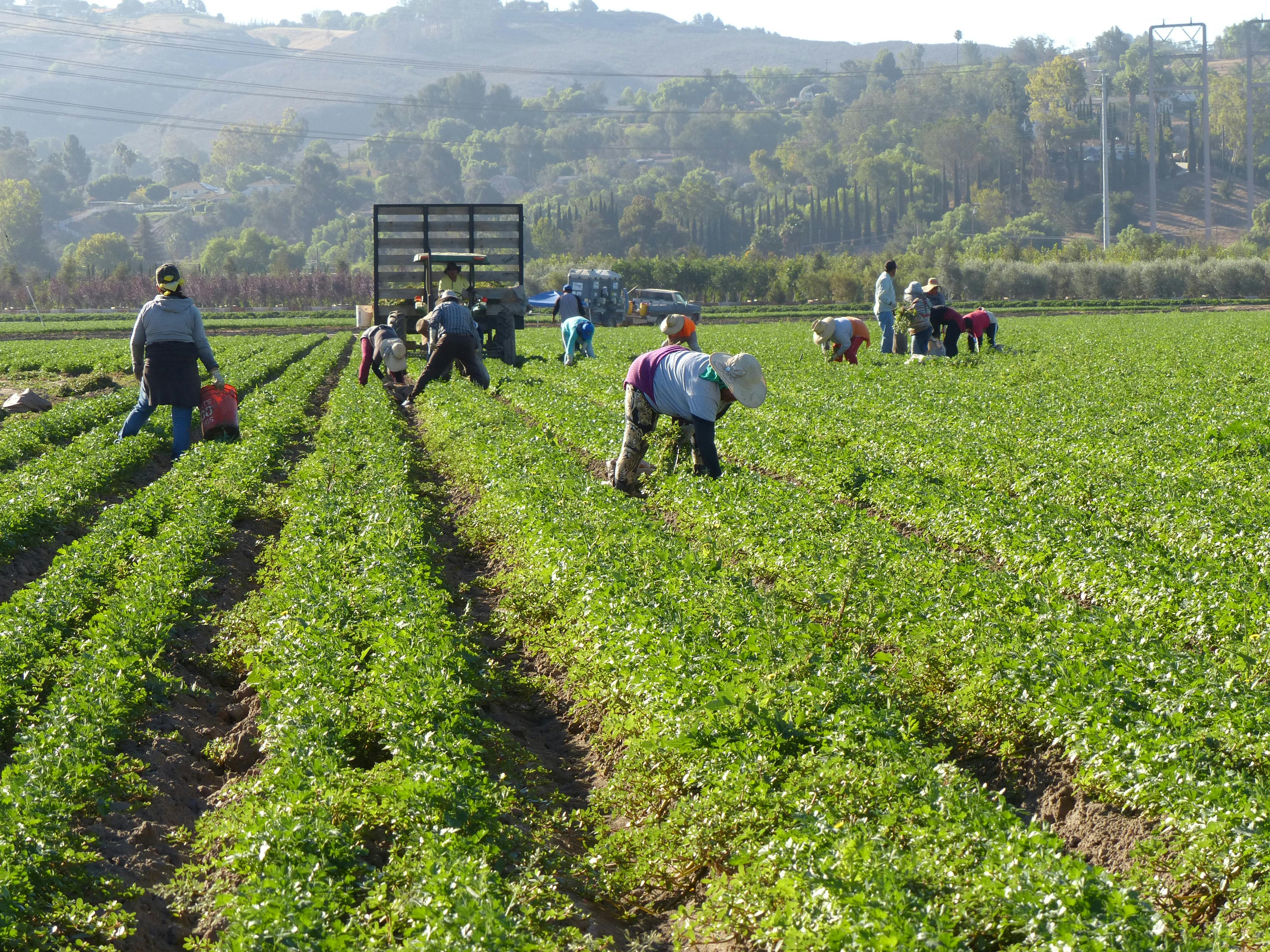
If we want to understand why food feels political, it helps to move past symbolic fights and look at material ones. Who grows food, who processes it, who profits, who is exposed to harm, and who gets reliable access are all deeply political questions. They are about power, not just preference.
Farmworkers, for example, often labor in extreme heat with limited protections, even as climate change makes those conditions more dangerous. Meatpacking workers continue to face injury risks that far exceed many other occupations. Restaurant labor remains low paid and unstable in many regions. These are not side issues to food culture. They are central to how the food system functions and why convenience is often artificially cheap.
Land and sovereignty matter too. Indigenous foodways have long been disrupted by colonization, land theft, and forced dependence on outside systems. Import dependence can leave entire places vulnerable to price spikes and supply disruptions. Trade rules, agricultural subsidies, water access, and seed control all influence what ends up on shelves and at what cost. None of this is visible in a plated entrée, but all of it shapes what eating means.
That is why the most serious food politics rarely begin with lifestyle branding. They begin with rights, risk, and access. Food feels political because control over food has always been a way to control populations, labor, culture, and economic survival.
How to talk about food without turning every meal into a culture war
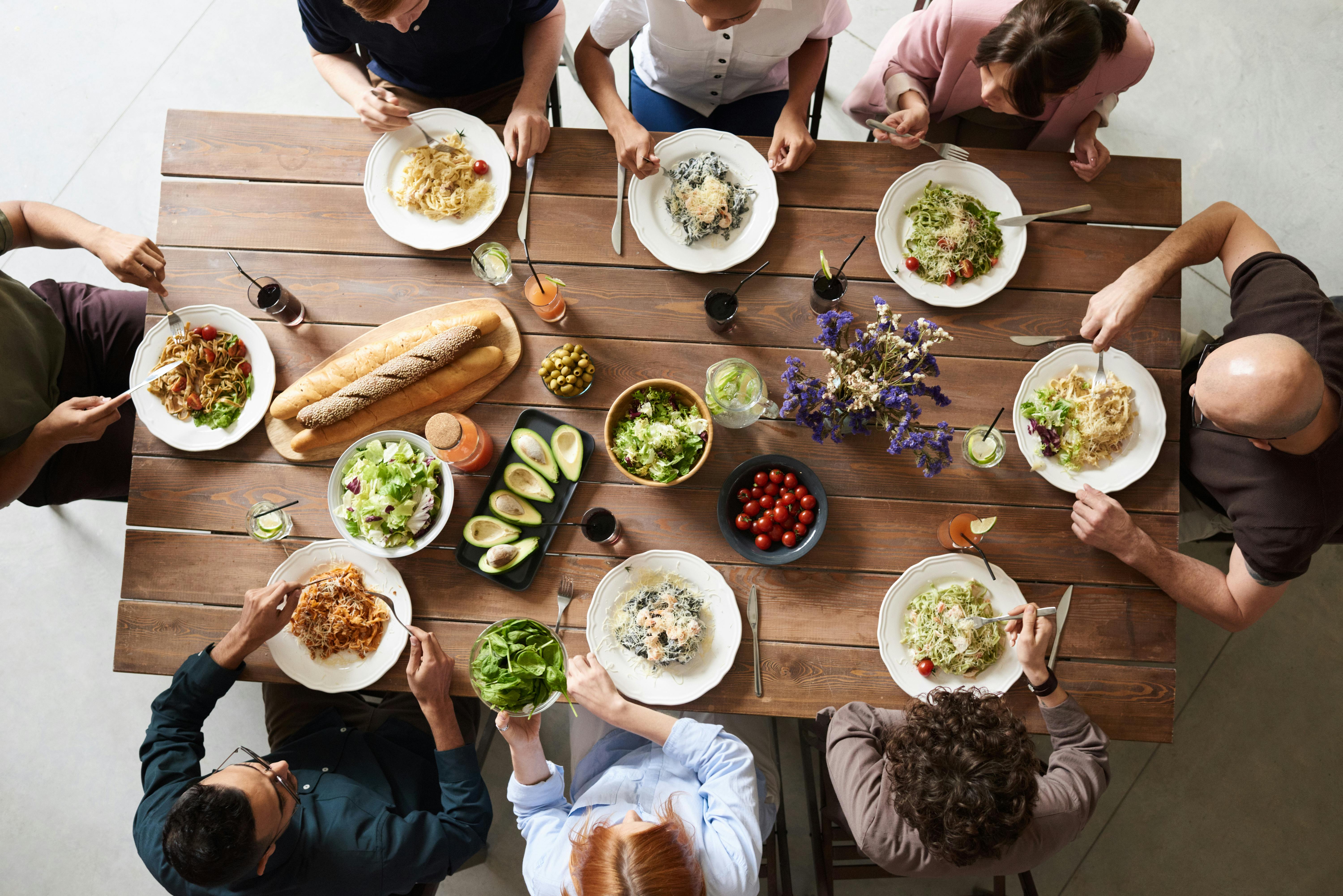
The answer is not pretending food has no political dimension. It is talking about that dimension more precisely. Saying "food is political" without explaining how often becomes a shortcut that sounds thoughtful while avoiding the harder questions. Better to ask: political for whom, in what context, and to whose benefit?
That approach makes room for reality. A school lunch debate is different from a cultivated meat ban. A family choosing cheaper calories is different from a lifestyle influencer branding ethical consumption. A religious food practice is different from a nationalist food campaign. Once the context sharpens, the conversation becomes more honest and far less performative.
It also helps to separate personal virtue from system design. Individual choices matter, but they cannot substitute for labor law, public health policy, fair wages, climate adaptation, or anti-monopoly enforcement. Consumers are constantly told to shop their values, as if the right basket can solve structural problems. It cannot. Purchasing can express preference, but it is a weak substitute for governance.
Food should still be allowed to be pleasure, memory, family, comfort, and habit. Yet because food is tied to survival, it will always attract political struggle. The goal is not to drain meals of meaning. It is to stop mistaking every ingredient for ideology, and start paying closer attention to the power surrounding the plate.



Leave a Reply