Food labels are supposed to help, yet they often create more confusion than clarity. A few familiar terms can make a product seem healthier, cleaner, or safer than it really is.
Why food label language feels clearer than it is
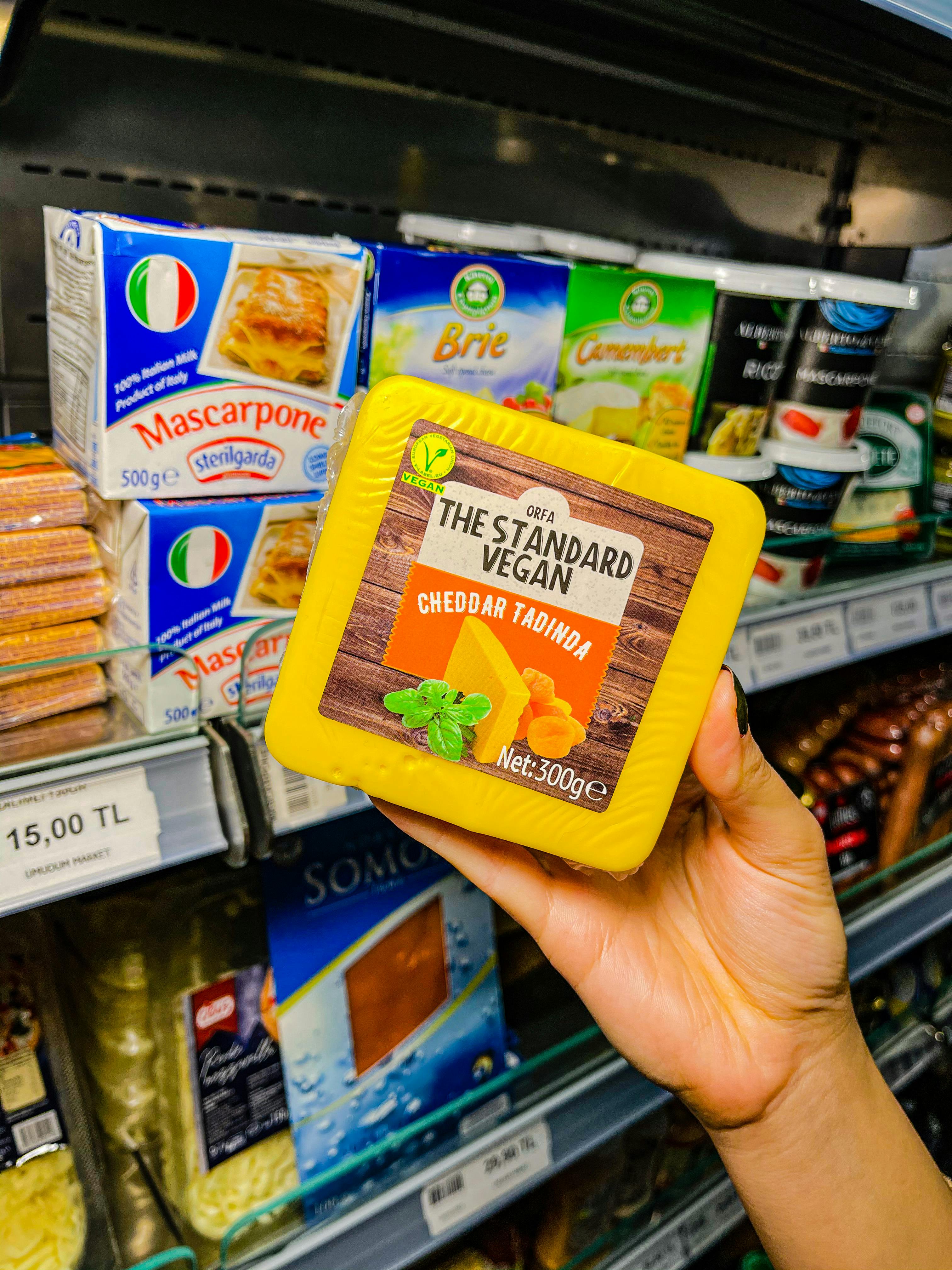
Food packaging is built to influence fast decisions. Most shoppers do not stand in the aisle comparing regulatory definitions, ingredient lists, and nutrition panels. They scan for a few promising words like "natural," "organic," or "gluten free," then assume those words tell the full story. In reality, many front-of-package claims are narrow, loosely understood, or used mainly because they sell.
Part of the confusion comes from the fact that not all label terms are regulated in the same way. Some have precise legal standards. Others are governed only in limited contexts. Some are essentially marketing language with little practical value. That means two claims can sit side by side on the same box while carrying very different levels of meaning. One may reflect audited production standards, while the other simply sounds wholesome.
Another reason these labels mislead is that they often answer only one question. A product can be organic and still be highly processed. It can be gluten free and still contain a lot of added sugar or refined starch. It can be non-GMO and still be low in fiber, high in sodium, or made from ingredients that do little for overall nutrition. A single claim is not a complete health rating.
This is why experienced dietitians and consumer advocates routinely advise shoppers to treat label terms as clues, not conclusions. The smarter approach is to understand what each term specifically covers, what it does not cover, and how it fits into the bigger picture. Once you know that, food packaging becomes far less intimidating, and much easier to read with a critical eye.
Non-GMO, organic, and natural are not interchangeable
These three terms are often grouped together in shoppers' minds, but they mean very different things. "Non-GMO" refers to foods made without genetically modified organisms. In plain language, it signals that the ingredients were not altered using genetic engineering techniques. For consumers concerned about how crops are produced, this claim may matter, especially in heavily engineered commodity crops such as corn, soy, canola, and sugar beets.
"Organic" is broader and more demanding. Under USDA organic standards, products labeled "organic" generally must contain at least 95% certified organic ingredients if they carry the USDA Organic seal. According to USDA rules, organic production limits the use of synthetic pesticides and fertilizers, prohibits genetic engineering, and sets standards for soil quality, livestock practices, processing methods, and certain additives. In other words, organic addresses an entire production system, not just one trait.
"Natural," by contrast, is where many consumers get tripped up. The FDA has historically not established a comprehensive formal definition for "natural" in the way it has for many other claims. In practice, that means the term often carries more marketing power than legal precision. A "natural" cookie can still be sweetened, processed, and nutritionally weak. A "natural" cereal can still be high in sugar and low in protein. The word may create a health halo without proving much.
The key point is simple: organic includes more standards than non-GMO, and "natural" often tells you the least. If a shopper sees all three terms on different packages, the best move is to look beyond the headline claim. Read the ingredient list. Check the added sugar, sodium, and fiber. A product can satisfy one popular label standard and still fail the test of everyday nutrition.
Gluten free, sugar content, and the health halo problem
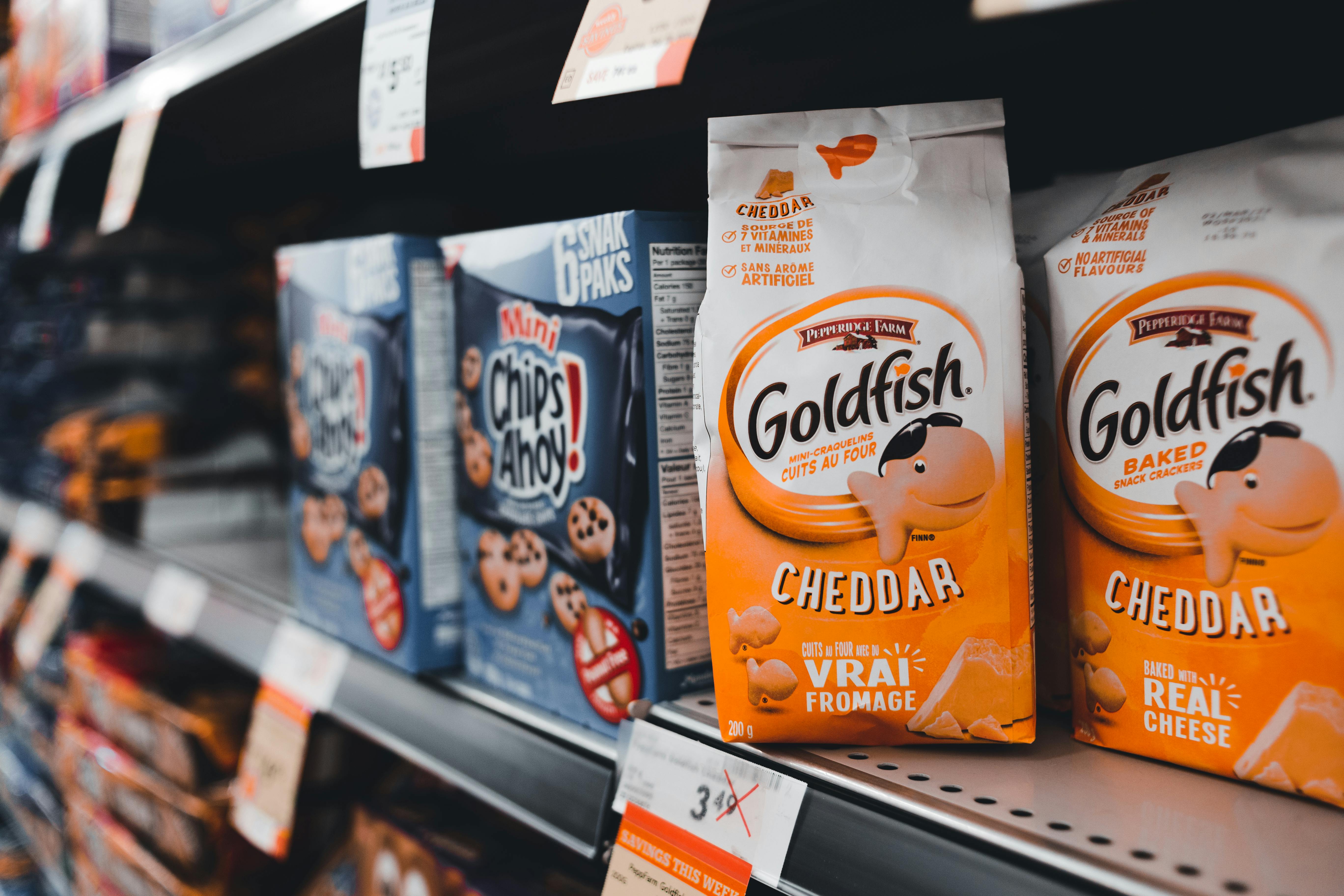
For people with celiac disease, gluten free labeling is not a trend. It is essential. In the United States, foods labeled "gluten free" must meet FDA requirements, including containing less than 20 parts per million of gluten. The term indicates that the product should not contain wheat, rye, barley, or relevant crossbreeds, or that any gluten present falls below the permitted threshold. For those who medically need to avoid gluten, that standard is meaningful.
But gluten free does not automatically mean healthier. This is one of the most common misunderstandings in modern grocery shopping. When manufacturers remove gluten from baked goods, crackers, and snack foods, they often rely on refined starches such as rice flour, potato starch, tapioca starch, or corn flour to recreate texture. The result can still be a highly processed product with limited fiber, modest protein, and plenty of added sugar or sodium.
This "health halo" effect extends well beyond gluten free foods. A package may be labeled organic, non-GMO, or natural and still be nutritionally weak. The source material behind this article points to a useful warning: products that sound virtuous can still deliver surprising amounts of sugar. That matters because shoppers often stop reading after spotting a reassuring claim on the front. The package earns trust before the nutrition facts panel even gets a look.
A practical example makes the point clear. Compare gluten free crackers with sliced vegetables dipped in hummus, or compare sweetened gluten free toast with apple slices and peanut butter. The less processed option usually wins on simplicity and often on satiety. The real lesson is not that specialty labels are useless. It is that they answer only a narrow question. If you want to know whether a food supports your health, you still have to inspect the full label and consider how processed the product really is.
What grass fed, farm-raised, and wild-caught actually tell you
Animal protein labels carry their own set of assumptions, especially when terms suggest a more natural or premium food. "Grass fed" is one of the most prominent examples. In its strictest meaning, it refers to ruminant animals such as cattle that, after weaning, are fed grass and forage rather than grain, with access to pasture during the growing season. Many shoppers associate grass fed meat with different fatty acid profiles and more traditional feeding practices, though actual products can vary depending on certification standards and finishing methods.
Even here, label reading matters. Some packages say "grass fed," others say "grass finished," and others use broader language that may be less exact. While shoppers often treat these phrases as interchangeable, they may not describe identical feeding histories. If the label does not clearly explain the claim or show a recognized certification, consumers may be left relying on branding rather than verified production details.
Seafood labels create similar confusion. "Farm-raised" fish means the fish were raised in tanks, ponds, pens, or other managed enclosures. "Wild-caught" means the fish were harvested from natural bodies of water such as oceans, lakes, or rivers. That distinction tells you where the fish came from, but not everything about nutrition, sustainability, contamination risk, or freshness. Those factors depend on species, feed practices, water conditions, harvest methods, and handling after catch.
This is why broad assumptions often fall short. Wild-caught salmon may be an excellent choice, but one species of farm-raised fish can differ substantially from another in fat composition and environmental footprint. Likewise, a grass fed beef label may reflect meaningful production differences, but it does not erase concerns about portion size, total saturated fat intake, or overall diet quality. These terms are useful, but they are descriptors, not automatic proof that one item is always better in every context.
How to read labels like a smart, skeptical shopper

The best way to use front-of-package terms is to treat them as a starting point, not a verdict. First, ask what specific issue matters to you. If you have celiac disease, gluten free status is critical. If you want to avoid genetically engineered ingredients, non-GMO may matter. If you care about production standards across farming and processing, organic may be more relevant. Matching the label to your actual concern prevents marketing from defining your priorities for you.
Next, move immediately to the ingredient list and nutrition facts panel. A short ingredient list with recognizable foods often tells you more than a polished claim on the front. Check added sugars, sodium, saturated fat, and fiber. Look at serving size, because many products appear modest until you notice the package contains 2 or 3 servings. If a food sounds healthy but the numbers do not support the impression, trust the numbers.
It also helps to compare the packaged product with a simpler alternative. Instead of assuming a gluten free snack cracker is the best option, consider fruit, vegetables, yogurt, eggs, nuts, or minimally processed foods. Instead of buying premium-labeled frozen nuggets, you may be better served by making a basic homemade version from chicken, breadcrumbs that suit your needs, and simple seasonings. Foods without dramatic packaging claims often require less decoding.
In the end, the most reliable strategy is remarkably old-fashioned. Build most of your diet around foods that do not need much explanation: produce, beans, whole grains, plain dairy or alternatives, eggs, fish, and unprocessed meats if you eat them. Use packaged food labels to refine choices, not to outsource judgment. Once you understand what these common terms really mean, the grocery store becomes less of a marketing maze and more of a place where informed decisions are possible.