The 1950s turned the American kitchen into a laboratory of convenience, color, and confidence. Home cooks embraced canned goods, molded salads, and party foods that promised modern living in every bite. Some of these trends still feel comforting, while others seem almost surreal today. Together, they tell the story of a decade fascinated by novelty, presentation, and the future of food.
Jell-O Molds

Few foods capture 1950s optimism quite like a shimmering Jell-O mold. These bright, sculpted creations sat proudly at potlucks and holiday tables, often packed with fruit, marshmallows, vegetables, or even seafood. They looked modern, decorative, and just a little futuristic.
Part of the appeal was ease. Boxed gelatin was affordable, simple to prepare, and adaptable enough for both dessert and salad. In an era that prized polished presentation, a molded dish suggested effort and elegance without requiring restaurant-level skill.
Today, the idea of suspended ingredients can seem odd. But in its moment, Jell-O was a symbol of a well-run, up-to-date kitchen.
TV Dinners

The TV dinner was more than a meal. It was a lifestyle shift served in aluminum trays. Introduced by Swanson in 1953, the concept turned leftovers and freezer technology into a sensation, giving families a hot meal that required very little planning.
Its timing was perfect. Television was becoming the center of the American living room, and frozen dinners fit neatly into a faster, more convenience-minded routine. Meat, potatoes, and a vegetable in tidy compartments felt efficient and modern.
The quality was basic by today's standards, but that was beside the point. The TV dinner sold a vision of domestic ease, and Americans bought in enthusiastically.
Casseroles

If the 1950s had a weekday workhorse, it was the casserole. These one-dish meals brought together canned soup, noodles, vegetables, breadcrumbs, and bits of meat into something warm, filling, and practical. They were built for families, leftovers, and busy schedules.
Convenience foods helped fuel the trend. Condensed soup became a shortcut sauce, while frozen vegetables and pantry staples made dinner easier to assemble. Tuna noodle casserole and green bean casserole became staples because they were affordable and dependable.
Casseroles also matched the decade's mood. They were economical without feeling plain, and they gave home cooks a reliable way to feed a table with minimal fuss and cleanup.
Meatloaf

Meatloaf was the kind of dinner that made sense in nearly every direction. It stretched ground meat with breadcrumbs, eggs, and seasonings, making it easier to feed a whole family without overspending. In postwar America, that balance of thrift and comfort mattered.
It also fit neatly into the rhythm of home cooking. Baked in a loaf pan and sliced at the table, meatloaf felt substantial and familiar. Ketchup or a sweet glaze on top gave it a little personality, even when the ingredient list stayed simple.
Its real strength may have been the next day. Cold slices tucked into sandwiches turned leftovers into lunch, making meatloaf one of the most practical classics of the era.
Canned Pineapple Creations

Canned pineapple was a star ingredient in the 1950s, and it seemed to land everywhere. It topped baked ham, sweetened upside-down cake, appeared in salads, and found its way into gelatin molds. The ring shape alone made it instantly recognizable and visually tidy.
For many households, pineapple signaled something a little glamorous and faraway. It was tropical, sweet, and shelf-stable, which made it both exciting and practical. That combination was hard to resist in a decade fascinated by novelty.
The sweet-and-savory pairings now feel distinctly retro. Still, pineapple's popularity makes perfect sense when you remember how much mid-century cooking valued color, convenience, and a sense of cheerful abundance.
Spam-Based Recipes

Spam had already been around for years, but the 1950s gave it new life in the American kitchen. Cheap, salty, and shelf-stable, it answered a very practical question: what protein can stay in the pantry and still become dinner when needed?
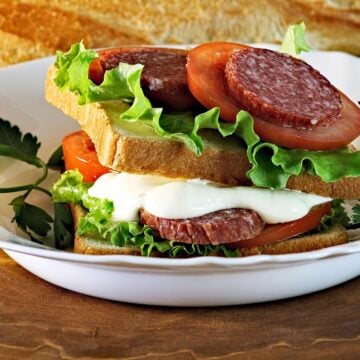
Home cooks sliced it for breakfast, baked it into casseroles, tucked it into sandwiches, and even shaped it into more elaborate party dishes. In a decade that admired resourcefulness and convenience, Spam fit right in.
Its reputation later became more complicated, but that should not erase its role. For many families, Spam was dependable, affordable, and surprisingly versatile, which is exactly what mid-century cooking often demanded.
Fondue Parties
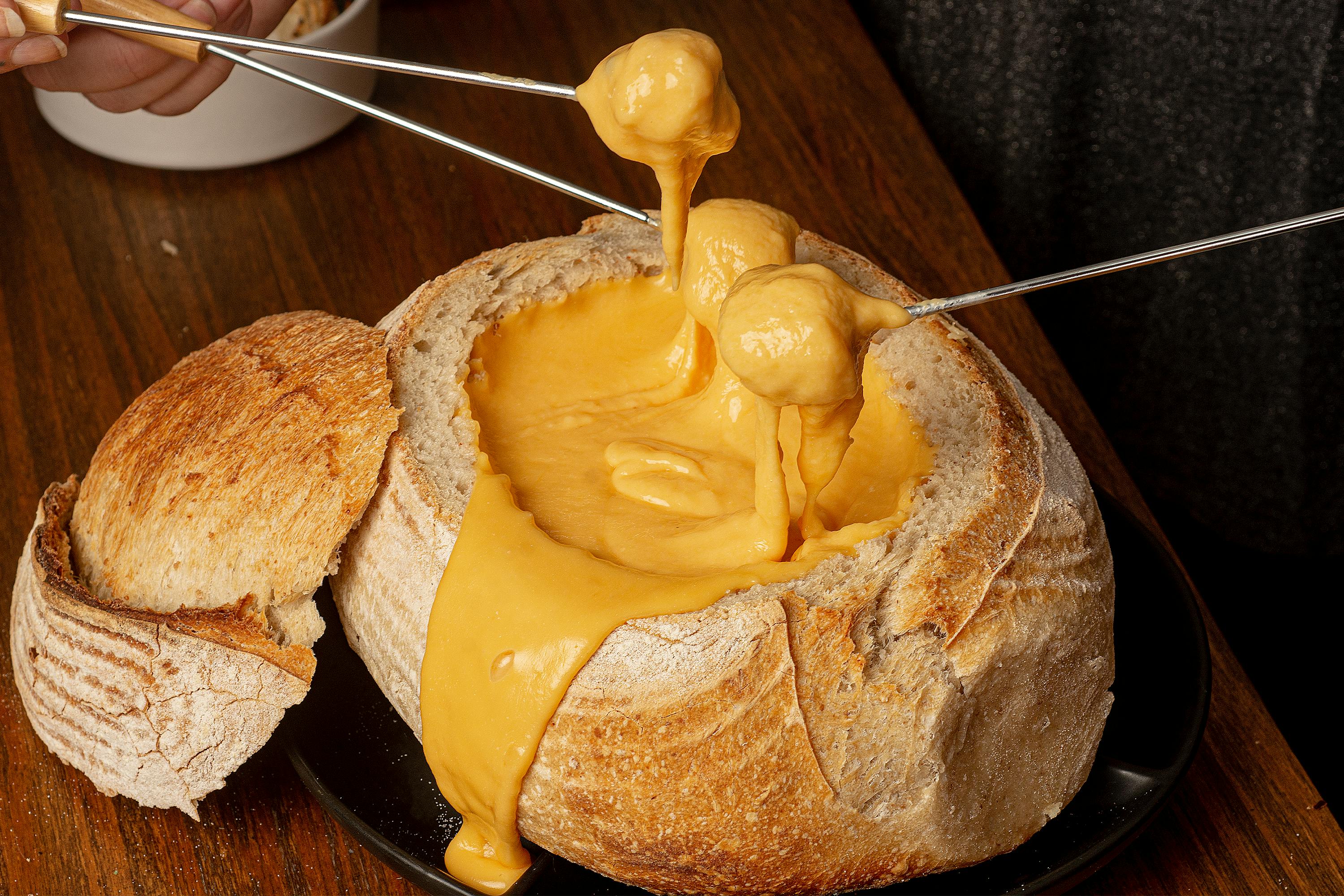
Fondue turned dinner into an event. Borrowed from European tradition and embraced by upwardly mobile American hosts, it invited guests to gather around a communal pot of melted cheese and dip bread, vegetables, or fruit with long forks. It felt interactive and worldly.
That sense of occasion was a big part of the appeal. A fondue set looked stylish on the table, and serving a shared pot made entertaining feel more playful than formal. It was dinner with built-in conversation.
The trend also fit the decade's appetite for novelty. Fondue was indulgent without being overly complicated, and it let hosts signal sophistication while still keeping the mood relaxed and fun.
Deviled Eggs
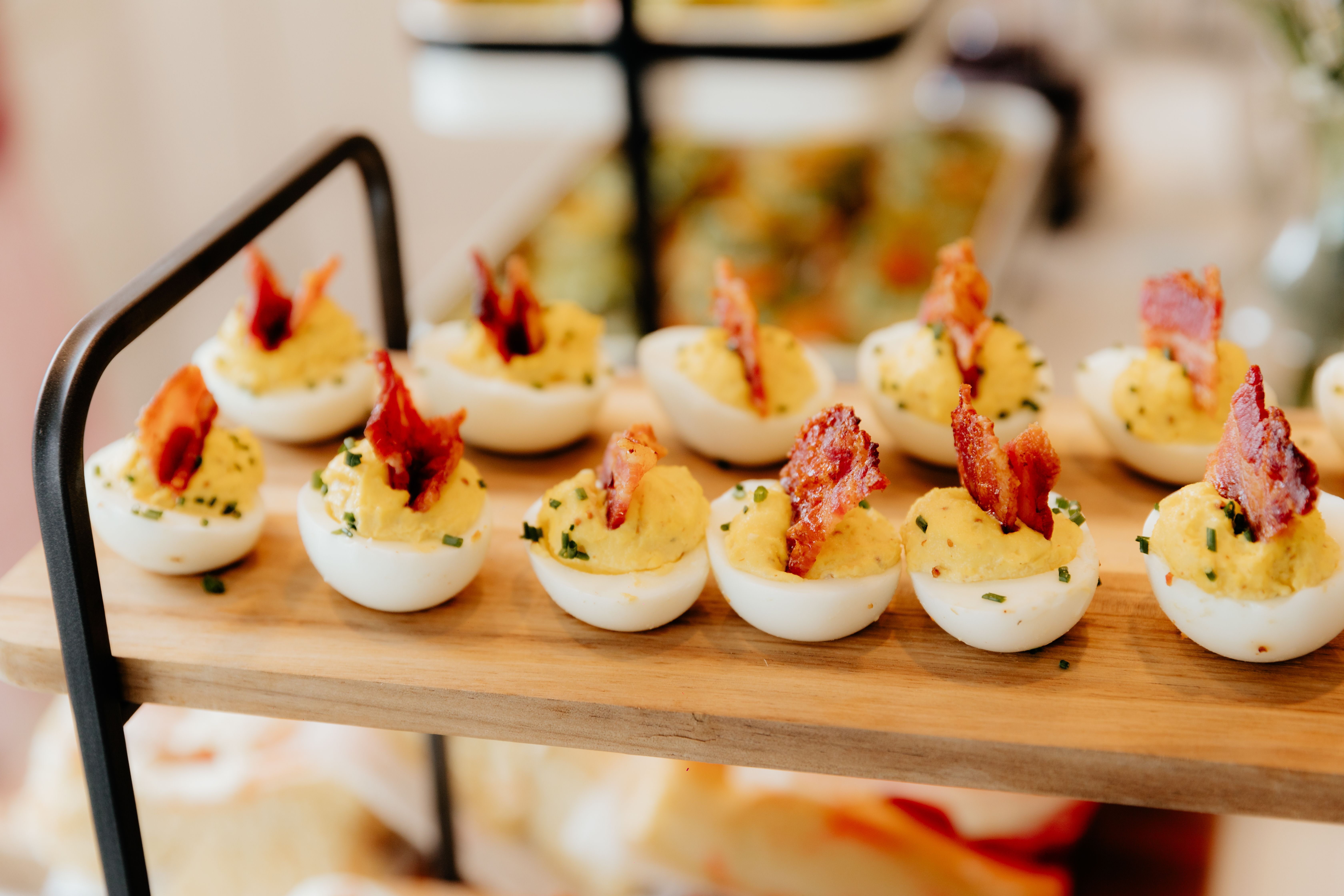
Deviled eggs were the polished little party bite that seemed to belong everywhere. Made by mixing cooked yolks with mayonnaise, mustard, and seasonings, then spooning the filling back into the whites, they offered a mix of thrift, neatness, and crowd appeal.
They also looked festive without requiring much expense. A dusting of paprika or a slice of olive made them feel dressed up enough for showers, holidays, and cocktail spreads. That visual charm mattered in a decade that loved carefully arranged buffet tables.
Best of all, they were familiar. Even when the presentation felt elegant, the flavor stayed approachable, which helps explain why deviled eggs remain one of the few 1950s staples that never really disappeared.
Aspic Dishes

Aspic was the more formal, savory cousin of the gelatin mold, and it asked diners to admire food before they even considered eating it. Made from clarified meat stock that set into a clear jelly, aspic encased vegetables, eggs, seafood, or sliced meats in glossy suspended layers.
Its popularity says a lot about the era. Mid-century entertaining valued precision, presentation, and dishes that looked impressive on the buffet. Aspic delivered all three, even if the taste and texture were never universally adored.
Today it can seem like a culinary curiosity, but in the 1950s it represented ambition. Making aspic took planning and care, and serving it signaled that a host was serious about style.
Baked Alaska
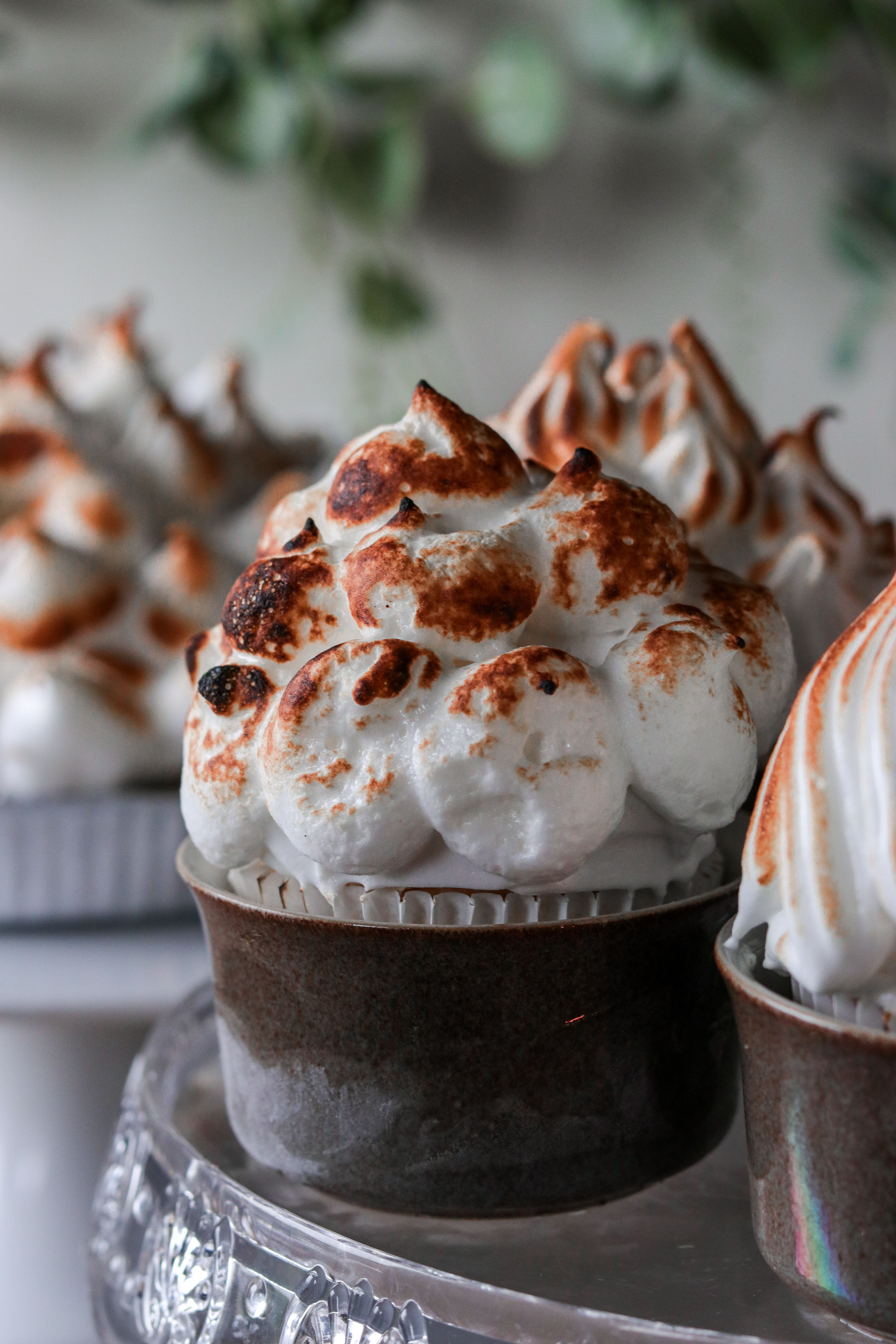
Baked Alaska was pure dinner-party theater. A layer of cake topped with ice cream and sealed in meringue, it emerged from the oven browned on the outside while staying frozen within. That contrast gave the dessert both drama and a little scientific magic.
It matched the decade's taste for spectacle. Hosts and restaurants loved serving something that looked extravagant and sparked conversation. The browned meringue dome felt celebratory, especially at special occasions when simple sweets would not do.
What made Baked Alaska memorable was its confidence. It was elegant, technical, and slightly showy, which are three qualities the 1950s often rewarded at the table. Even now, it still feels like a performance in dessert form.