A cutting board touches your food more often than almost any tool in the kitchen. That alone makes its safety worth taking seriously.
What "safe" really means in a cutting board
Safety in a cutting board is not just about whether a material is toxic. It also includes how easily the board can be cleaned, whether it traps moisture, how much it sheds into food, and whether it encourages safe cooking habits. A board that is technically inert but so slippery or knife-damaging that people avoid using it properly is not always the best real-world choice. In home kitchens, the safest option is usually the one that balances hygiene, low chemical exposure, durability, and ease of maintenance.
Many shoppers focus first on plastic versus wood, but the issue is broader. Some conventional boards may contain additives, synthetic coatings, glues, or antimicrobial treatments that raise concerns for people trying to limit chemical exposure. The source material you provided points out common worries such as phthalates, BPA, formaldehyde-based adhesives, and chemical coatings. Those concerns matter most with lower-quality products, especially boards made from multiple bonded layers without clear material disclosures.
Another part of safety is how a board behaves after months of chopping. Knife marks matter because deep grooves can hold moisture and food residue if they are not cleaned well. That does not automatically make a board unsafe, but it means the board must either resist deep scoring or be easy to refresh. Dense hardwood boards, for example, can be sanded and re-oiled. Stainless steel can be sanitized easily. Glass does not absorb food but creates a very hard cutting surface that changes the safety equation in a different way by dulling knives quickly.
The smartest approach is to think in categories of use. One board may be ideal for vegetables and bread, another for raw meat, and a third for serving. Professional kitchens often separate tasks to reduce cross-contamination, and home cooks benefit from the same logic. The safest kitchen setup is rarely one universal board. It is usually a small system of boards chosen for specific jobs, cleaned promptly, and replaced or refinished before wear becomes a hygiene problem.
Why solid wood remains the best all-around choice
Wood still earns the strongest reputation as the best all-purpose cutting board material for most home kitchens. A high-quality solid hardwood board, especially maple, walnut, cherry, or beech, offers a rare mix of knife friendliness, durability, and low chemical exposure. The key word is solid. A one-piece board avoids the glue lines and bonding agents found in many cheaper assembled or laminated products. That makes it especially appealing to anyone trying to build a lower-toxin kitchen.
There is also a practical reason cooks keep returning to wood: it feels good to use. Knives bite into it in a controlled way instead of skidding, and the surface is hard enough to last while still forgiving on blade edges. That reduces sharpening frequency compared with glass or metal. End-grain and edge-grain boards each have fans, but both can be safe choices when made from quality hardwood and finished with food-safe oils or waxes. The reference material notes that some boards come initially sealed with food-grade mineral oil, while others can be maintained with beeswax or linseed oil.
Wood does require care, but that care is manageable. It should be hand-washed, dried upright or thoroughly towel-dried, and conditioned regularly to prevent cracking. Letting a board sit wet in a sink is one of the fastest ways to shorten its life. If the board develops rough patches, deep cuts, or dryness, sanding and re-oiling can restore it. That ability to be renewed is part of what makes wood such a strong long-term safety choice. You are not forced to keep using a worn-out surface until it fails.
People often worry that wood is less hygienic because it is porous, yet real-world safety depends on maintenance and use patterns. A clean, well-kept hardwood board used for general prep is extremely reliable in home kitchens. Many cooks reserve wood for produce, herbs, cheese, and cooked foods, then use a separate board for raw meat. That division gives wood its best role: the safest and most pleasant everyday cutting surface for the majority of kitchen tasks.
When stainless steel and glass make sense
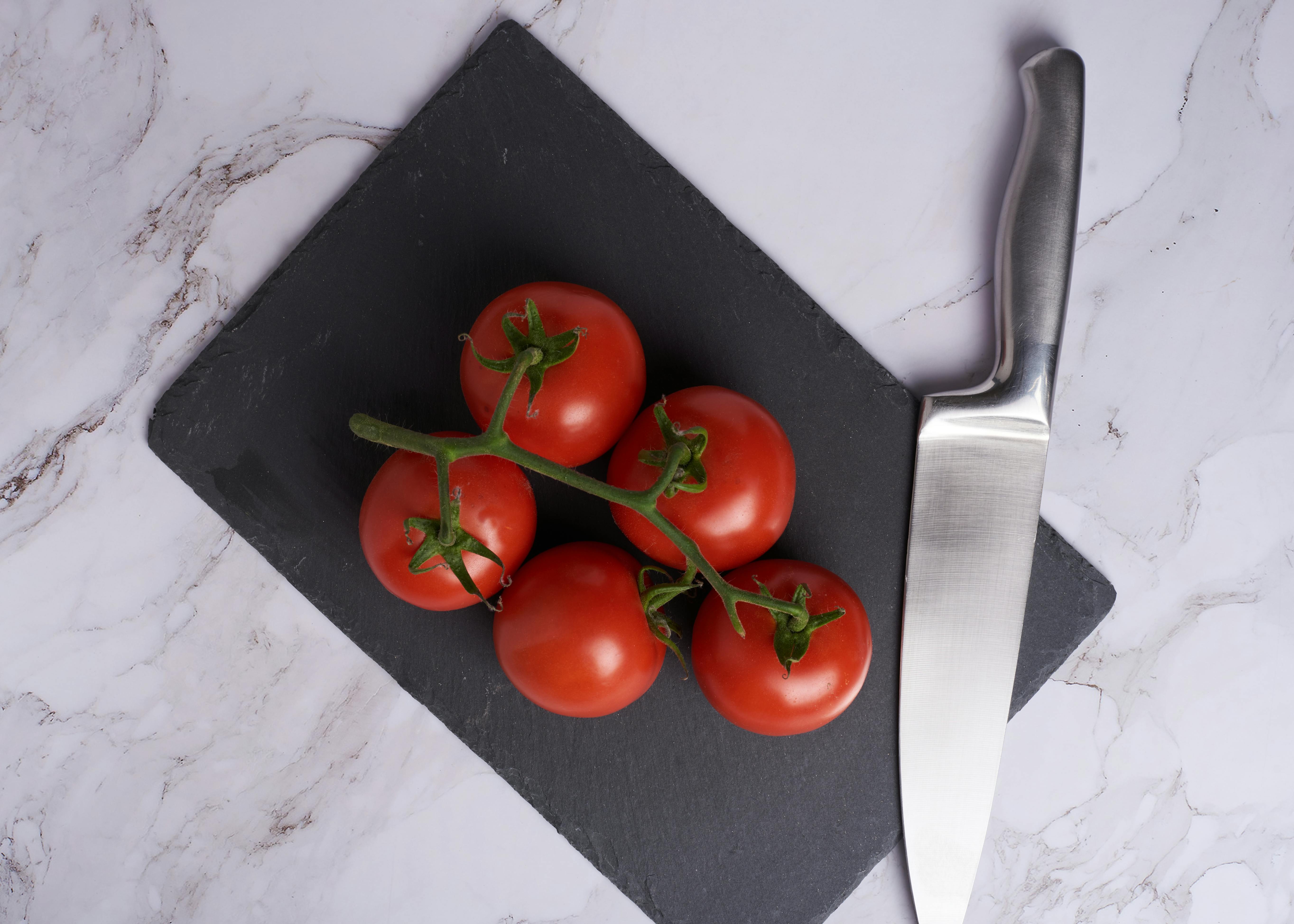
Some of the safest cutting board materials from a purely inert-material standpoint are stainless steel and glass. Neither absorbs juices, odors, or stains the way softer materials can, and both are easy to wash thoroughly. If your primary concern is a non-porous surface with minimal chemical complexity, these options are attractive. The source material specifically highlights stainless steel and titanium boards as fully non-toxic, durable, and well suited to hygiene-focused prep.
Stainless steel is especially useful for raw meat, fish, and poultry because it cleans up quickly and does not hold onto odors. It can also go into the dishwasher, depending on the product, which makes consistent sanitizing easier. For households that handle a lot of raw proteins, one dedicated stainless steel board can be a smart addition. The drawback is knife wear. Metal is significantly harder on blades than wood or quality composite boards, so frequent chopping on steel can mean more sharpening and a less pleasant cutting experience.
Glass offers a similar benefit in terms of being inert and easy to sanitize. It resists staining, does not absorb smells, and can often be cleaned in the dishwasher. For pastry work, serving, or light prep tasks, it can be fine. But as many home cooks know from experience, glass is loud, slick, and unforgiving. It can dull knives quickly and may even encourage less controlled cutting because the blade does not engage with the surface naturally. In that sense, a perfectly clean material can still be a poor main cutting surface.
The safest way to use these materials is selectively. Stainless steel is best treated as a specialty board for messy raw-protein prep or tasks where sanitation is your top priority. Glass is better as a secondary surface for low-impact work, not as the main board you use every day. Both materials can play a useful role in a safe kitchen, but neither offers the broad, balanced advantages that a well-made hardwood board provides for routine chopping.
The caveats around bamboo, composite, and plastic
Bamboo is often marketed as the eco-friendly answer, and it can be a decent option, but it comes with important caveats. Unlike a solid slab of hardwood, many bamboo boards are made by bonding strips together with adhesives. That means the safety of the final product depends heavily on the glues, sealants, and manufacturing standards used. The reference material correctly warns that some bamboo products may involve formaldehyde-containing adhesives or other undisclosed chemicals, especially in lower-cost imports with limited transparency.
That does not mean all bamboo boards are unsafe. It means shoppers should be selective. A responsibly made bamboo board that clearly states how it is constructed and what finish is used can work well in a home kitchen. Bamboo is lightweight, relatively durable, and often more affordable than premium hardwood. But it is typically harder than many woods, which can make it slightly rougher on knives over time. If you choose bamboo, look for brands that explain their adhesive system, disclose finishes, and ideally use a solid or minimally bonded construction for the cutting surface.
Composite boards sit in a middle category. Some are made from paper or wood fibers bonded with resin under high pressure. Quality varies widely, but certain brands have built a strong reputation by testing for toxins and obtaining certifications such as Greenguard. These boards are popular because they are lightweight, dishwasher-safe, resistant to warping, and easier on knives than glass or steel. For busy households, a trustworthy composite board can be one of the most convenient safe options, especially when you need something low maintenance.
Plastic remains the most debated material. It is common because it is cheap, color-coded, and dishwasher-safe, but concerns about additives and microplastic shedding have made many consumers uneasy. Repeated chopping creates grooves and eventually contributes tiny worn particles. Even if a particular plastic board meets regulatory standards, many people prefer to reduce this kind of food contact where possible. If plastic is used, it should be replaced at the first sign of deep scoring, warping, or staining. For many home kitchens, however, wood or a verified low-tox composite board is the more reassuring long-term choice.
How to choose the safest board for your kitchen

The safest cutting board is the one that fits your cooking habits and can be maintained consistently. If you cook mostly vegetables, fruit, bread, and cooked foods, a solid hardwood board is usually the best primary choice. It protects your knives, avoids many concerns linked to plastics and adhesives, and can last for years when properly cared for. A board made from maple, walnut, cherry, or beech, finished with a simple food-safe oil or wax, is hard to beat for everyday kitchen use.
If you regularly prepare raw chicken, seafood, or large cuts of meat, consider adding a second board dedicated to those tasks. Stainless steel is a strong option if maximum cleanability matters most to you, while a high-quality dishwasher-safe composite board can be more comfortable for frequent chopping. The point is separation. Using one board for produce and another for raw proteins reduces cross-contamination risk and makes kitchen hygiene easier to manage. Even in small kitchens, two boards can make a meaningful safety difference.
It also helps to know what to avoid. Be cautious with very cheap bamboo or composite boards that do not explain their adhesives or coatings. Avoid boards with synthetic antimicrobial treatments unless the manufacturer clearly discloses what is used and why. Be skeptical of heavy marketing terms like "natural" or "eco" when they are not backed by construction details. The safest products tend to be transparent products. Brands that explain wood species, finish type, glue use, and care instructions usually inspire more confidence than those that rely on vague claims.
A sensible home setup often looks like this: one medium or large solid wood board for daily prep, one separate board for raw proteins, and perhaps one specialty board for serving or pastry work. Wash promptly, dry thoroughly, and inspect surfaces often. If a board develops deep grooves, persistent odor, peeling layers, or cracks, repair or replace it. In the end, safety is less about chasing a perfect material and more about choosing well-made boards, using them for the right tasks, and keeping them in good condition.