
Canadian grocery shopping no longer looks the way it did just a few years ago. A 6.2% rise in food inflation has pushed millions of households to rethink nearly every decision they make at the checkout.
Higher prices are changing everyday buying decisions

Sticker shock has become routine in Canadian grocery aisles. A basket that once felt manageable now forces shoppers to compare brands, postpone purchases, and cut back on non-essentials. According to Statistics Canada, food bought from stores has remained one of the clearest pressure points for household budgets.
This shift is not just about paying a little more for the same goods. It is changing how often people shop, how much they buy at one time, and which items get left behind. Fresh produce, meat, and dairy are often the first categories where consumers start making substitutions.
Retail analysts have noted that many families are moving from habit-based shopping to calculation-based shopping. Instead of filling carts on autopilot, they are tracking flyers, checking loyalty apps, and planning meals more carefully. That level of scrutiny used to be more occasional. Now it is becoming standard behavior.
Discount chains and private labels are gaining ground
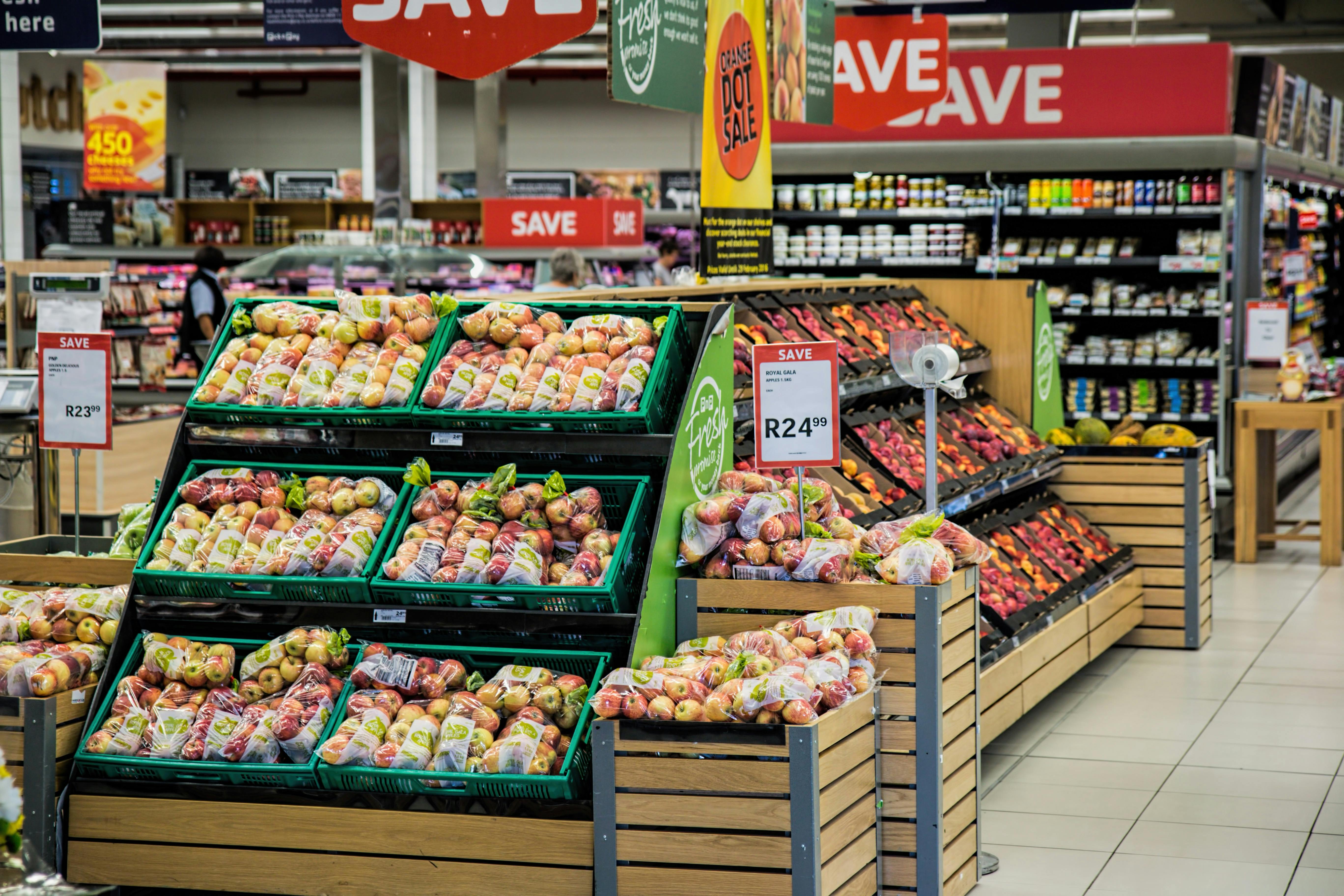
The clearest winner in an inflationary food market is the discount format. More Canadians are choosing lower-cost banners and warehouse-style retailers because the price gap between premium and discount grocery stores has become too large to ignore.
Private-label products have also gained importance. Store brands were once viewed mainly as backup options, but they are increasingly treated as smart default choices. In categories like pasta, canned vegetables, frozen foods, and pantry staples, many shoppers now see little reason to pay extra for national brands.
This trend is being reinforced by retailers themselves. Grocers are giving more shelf space to in-house labels and promoting value packs more aggressively. The result is a feedback loop: consumers search for savings, stores respond with more value-focused inventory, and those habits become more entrenched over time.
Shoppers are buying less, wasting less, and planning more

One major change is happening before people even enter the store. Canadians are building tighter shopping lists, checking what is already in the fridge, and planning meals around sales rather than preference alone. Inflation is making grocery shopping more strategic.
Smaller baskets are becoming more common. Instead of one large weekly trip filled with extras, many households are making targeted visits for specific deals. That reduces impulse buying, but it also reflects a more cautious relationship with spending.
There is also a growing effort to reduce food waste. When prices rise this quickly, throwing out spoiled produce or uneaten leftovers feels more costly. Consumers are freezing more food, repurposing ingredients, and choosing items with longer shelf lives. What began as a money-saving move is also reshaping kitchen habits.
Protein choices are shifting as budgets tighten
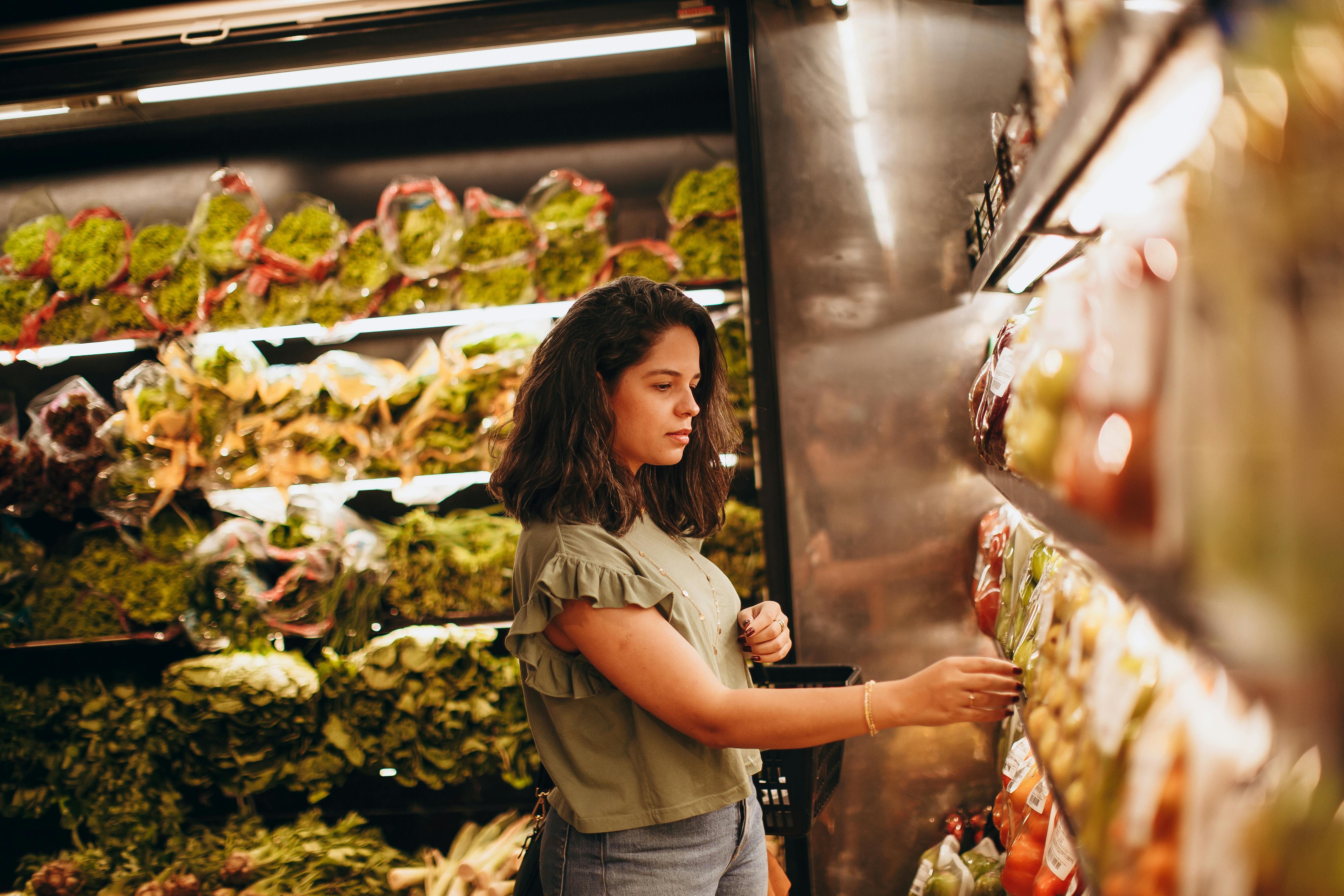
The most visible food trade-offs often happen in the meat aisle. Beef, in particular, has become harder for many households to justify regularly, pushing shoppers toward chicken, pork, eggs, beans, and lentils. These are not just nutritional substitutions. They are financial decisions.
Seafood and specialty items are also being purchased less often in many homes. Higher-income households may still absorb those increases, but middle-income and lower-income families are far more likely to scale back or reserve them for occasional meals. That creates a noticeable split in shopping patterns across income levels.
Prepared foods are facing similar pressure. Rotisserie meals, pre-cut fruit, and convenience snacks still appeal to busy consumers, but many are deciding that time-saving products are no longer worth the premium. In an inflation-driven market, price is beating convenience more often.
Promotions, loyalty programs, and price matching matter more

Value hunting has become a core shopping skill. Canadians are spending more time reviewing weekly flyers, loading digital coupons, and timing purchases around promotions. In practical terms, the modern grocery trip begins on a phone screen before it begins in a store aisle.
Loyalty programs are playing a larger role in where people shop. Points, member pricing, and app-exclusive offers can meaningfully lower total bills over a month. That has made shoppers more willing to split purchases across multiple stores if the savings justify the effort.
Price matching, once used by a narrower group of highly deal-focused consumers, is also becoming more mainstream. When inflation stays elevated, even small savings on staples add up quickly. This is one reason retailers are working harder to prove value, not just convenience or product selection.
The changes in shopping behavior may outlast inflation
What makes this moment significant is that many of these habits may stick even if price growth slows. Consumers who have learned to compare unit prices, embrace store brands, and plan around promotions are unlikely to completely abandon those behaviors. Inflation has trained a more disciplined shopper.
There is also a broader social effect. Food has become a more frequent topic of household stress, public debate, and policy discussion in Canada. Concerns about grocery competition, supplier costs, and affordability are no longer abstract economic issues. They are part of everyday life.
In that sense, the 6.2% increase is more than a statistic. It marks a turning point in consumer behavior. Canadians are not simply reacting to higher prices in the short term. They are building a new grocery culture defined by caution, flexibility, and relentless attention to value.




Leave a Reply