
It sounds trivial until it shows up on the receipt. For many fast-food customers, the extra 10-cent bag charge has become the latest symbol of a dining experience that feels more expensive and less transparent.
A Tiny Fee That Feels Bigger Than It Looks

What frustrates people is not only the amount, but what it represents. Ten cents is small on its own, yet customers often encounter it after already paying more for burgers, fries, drinks, and delivery than they did a year or two ago. In that setting, even a dime feels like one charge too many.
Behavioral economists have long noted that consumers react strongly to add-on fees because they appear at the final stage of a purchase. A listed menu price feels like the true price in the customer's mind. When a bag fee appears afterward, it can create the sense that the business is quietly moving the goalposts.
That helps explain why the reaction is emotional as much as financial. People are not organizing their budgets around 10 cents, but they do notice when basic elements of service are suddenly separated into extra line items. The irritation grows when the bag seems less like an option and more like a necessity.
Why Fast-Food Chains Are Charging for Bags
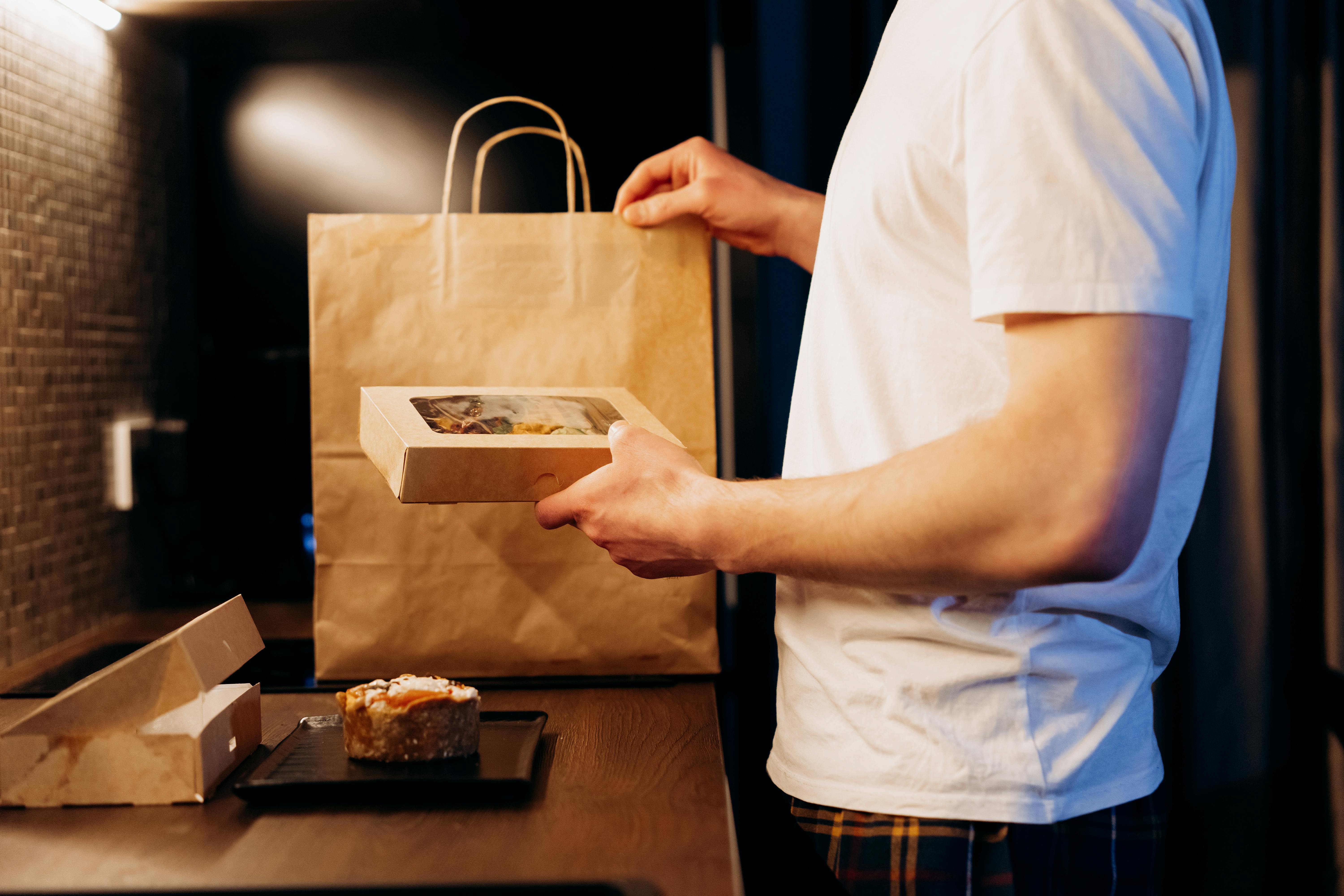
At the store level, operators point to a mix of regulation, cost pressure, and packaging changes. In some cities and states, bag fees are tied to local environmental rules designed to cut single-use waste. In other places, chains or franchisees have introduced them to offset packaging costs that have risen alongside food, labor, and transportation expenses.
Paper bags are not free, and stronger bags for larger orders cost more than many customers realize. Industry groups have repeatedly noted that packaging has become a bigger operating expense, especially for takeout-heavy restaurants. Fast-food companies today handle far more off-premise orders than before 2020, which means more containers, more sealing materials, and more bags.
Still, the business logic does not automatically satisfy customers. People tend to accept higher menu prices more readily than highly visible service charges. When a chain treats the bag as an extra rather than part of the meal transaction, it risks making customers feel nickel-and-dimed.
The Environmental Argument Meets Consumer Skepticism

The bag charge is often defended as a sustainability measure. The theory is straightforward: if customers pay for bags, they may order differently, combine purchases, or use reusable carriers where possible. Governments and retailers have used similar strategies for years in grocery settings, where bag fees have helped reduce single-use consumption in many markets.
Fast food, however, is a different environment. Customers picking up a drive-thru order or carrying drinks, fries, and sandwiches to a car cannot easily skip the bag. That is why some diners see the fee as symbolic environmental policy placed on a transaction where the practical choice is limited.
This gap between theory and reality feeds skepticism. If every item inside the order is still wrapped, boxed, lidded, and sealed, charging separately for the outer bag can look selective rather than transformative. Consumers may support waste reduction in principle while doubting whether this particular fee meaningfully changes much.
Why the Backlash Is Growing Now
Timing matters. Consumers have spent the past several years dealing with menu inflation, smaller portions, and a growing list of charges tied to delivery, customization, and convenience. Against that backdrop, a new bag fee lands differently than it would have in a lower-cost environment.
There is also a trust issue at play. Customers are more likely to tolerate price increases when they feel the pricing is simple and honest. They are less forgiving when charges appear fragmented, especially if the total cost no longer matches the value they expect from a quick, affordable meal.
Social media has amplified that frustration. Receipts with tiny surcharges often spread quickly because they tell a larger story in one image: the affordable fast-food stop no longer feels so affordable. A dime becomes viral not because it is expensive, but because it captures the public mood.
What Chains Risk by Getting This Wrong
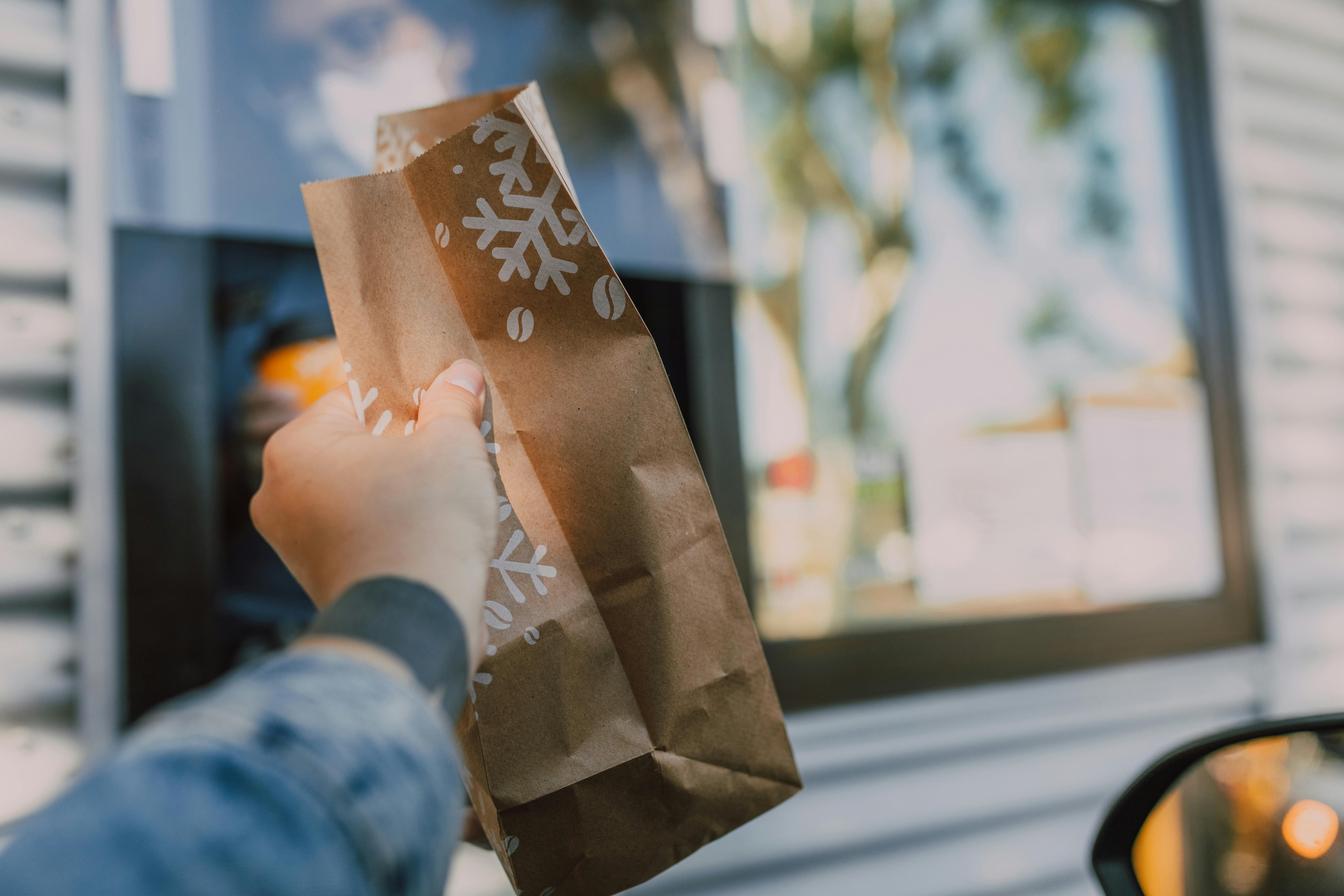
For fast-food brands, the monetary gain from bag fees may be modest compared with the reputational cost. Quick-service restaurants compete heavily on convenience, predictability, and price perception. Any fee that complicates those strengths can undermine customer loyalty, especially among value-focused diners who visit frequently.
The concern is sharper for chains already battling complaints about higher prices. Revenue managers may see the bag charge as a rational pass-through cost, but customers often interpret it as one more example of corporate overreach. That perception can hurt more than the fee itself.
Brands also have to consider inconsistency across locations. If one store charges for a bag and another nearby does not, confusion grows. Uneven policies create friction at the counter and in the drive-thru, where staff end up defending rules they did not make.
What Customers and Restaurants Actually Want

Most customers are not demanding free everything. They want pricing that feels clear, fair, and complete from the start. If a bag is essential to carrying the order, many believe it should be built into the menu price rather than broken out as a separate charge at checkout.
Restaurants, meanwhile, want flexibility to manage rising costs without alienating diners. The smartest path may be better communication and fewer surprise fees. If environmental rules require a charge, signage and digital ordering screens should explain it plainly before the customer reaches the payment page.
In the end, the 10-cent bag charge matters because it touches a deeper nerve. Fast food has always sold speed and simplicity as much as food itself. When even the bag starts to feel like an upsell, customers begin to wonder what part of the basic service will be itemized next.



Leave a Reply