
Canada's summer turned sharply drier in a matter of weeks. What looked like a regional concern quickly became a national warning sign.
A rapid shift across the map
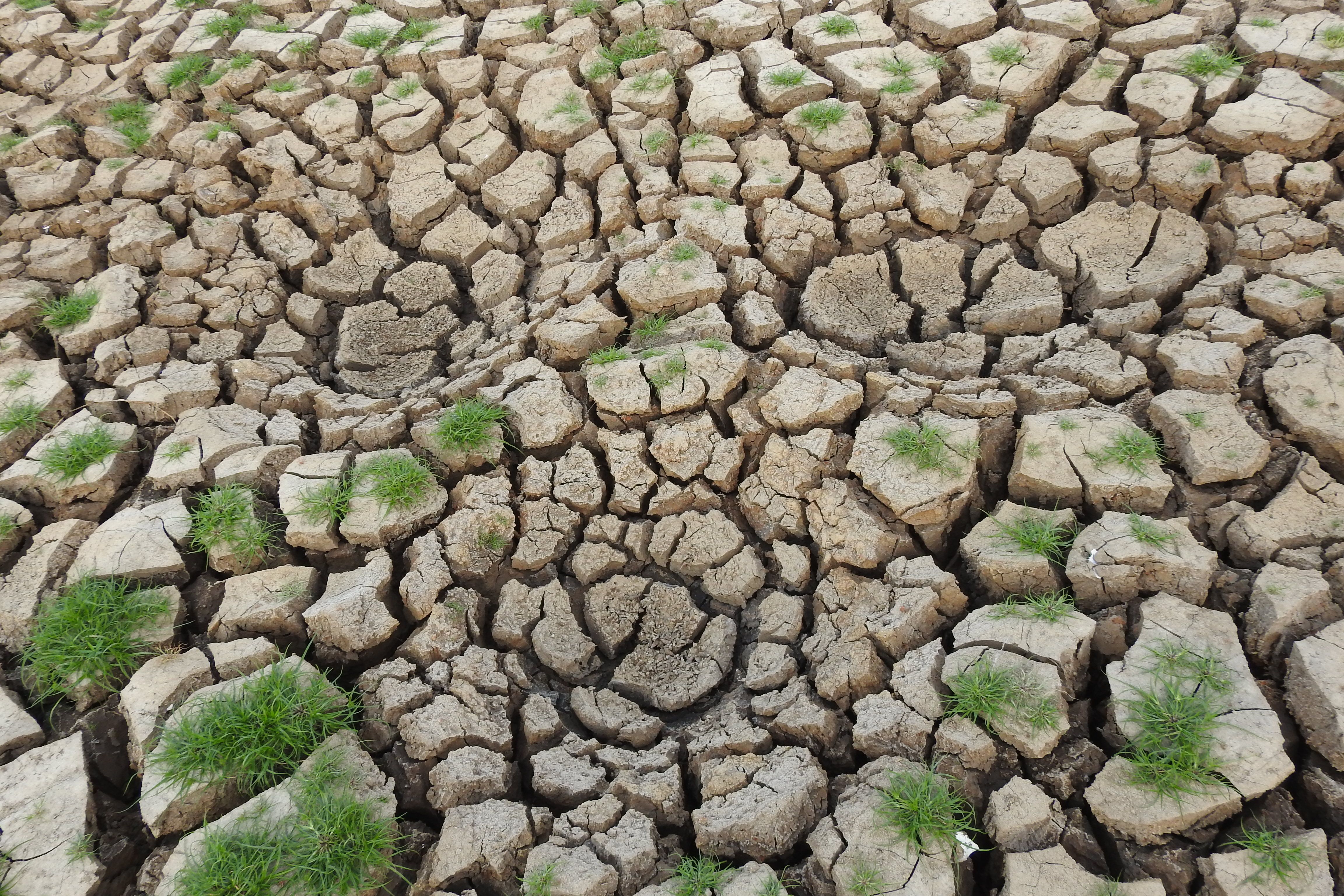
What stands out most is the speed. According to the Canadian Drought Monitor, drought coverage expanded from 18.8% of the country at the end of May to 38.9% by the end of June, a dramatic one-month jump that signals widespread moisture loss rather than isolated dry pockets.
The expansion was driven by below-normal rainfall and persistent warmth across large parts of the Prairies, British Columbia, northern Ontario, and parts of Atlantic Canada. When precipitation misses several weather systems in a row, soils dry quickly, especially after a warm spring and early summer.
This kind of change matters because drought is not only about how much rain falls. It is also about how fast water leaves the land through evaporation and plant use. High temperatures, dry winds, and longer sunny periods can intensify the problem even before reservoirs and rivers show major declines.
Why conditions worsened so quickly
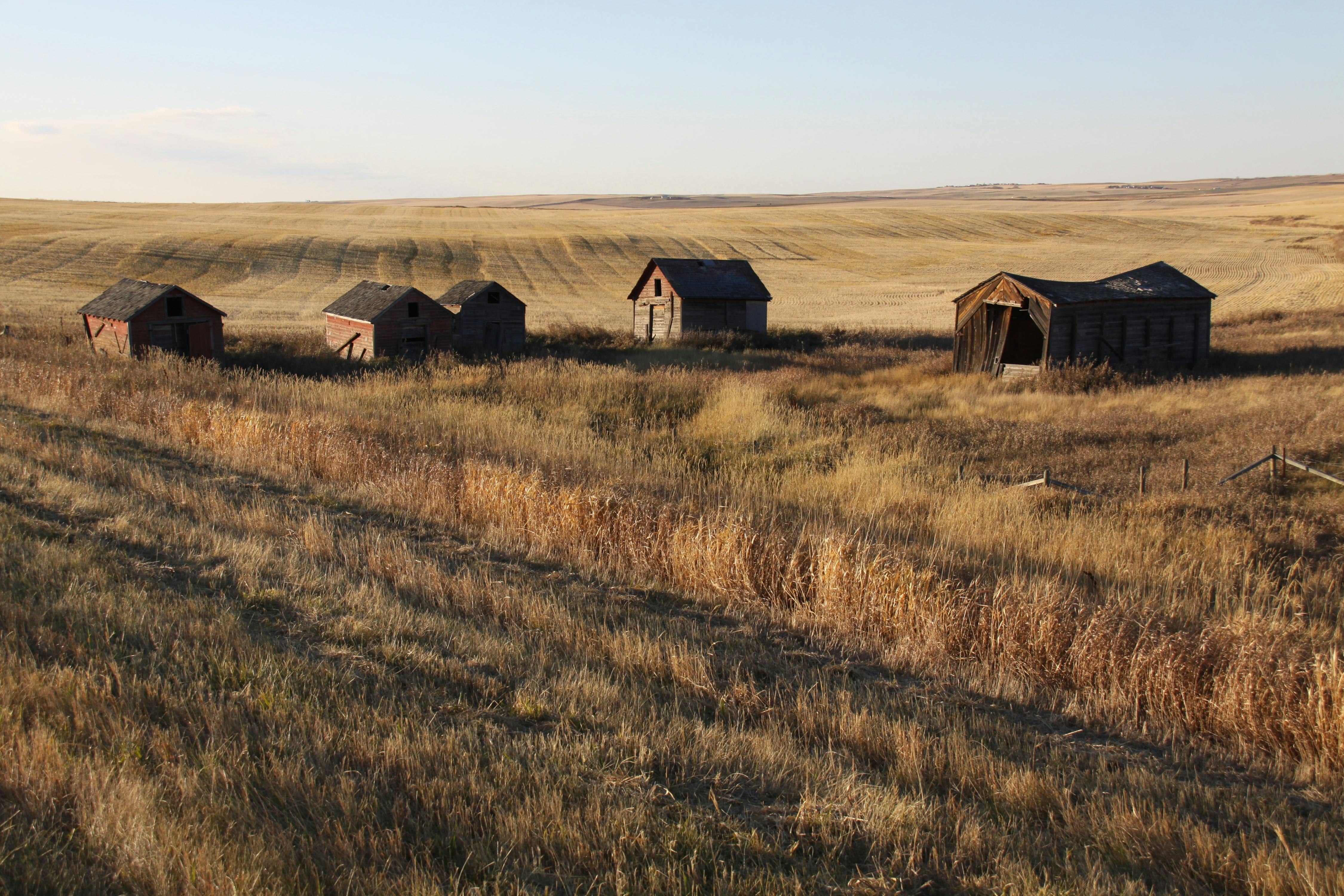
The key ingredient was a broad imbalance between incoming moisture and atmospheric demand. In simple terms, too little rain arrived while heat and wind pulled more water out of soils, crops, wetlands, and forests. That imbalance can build rapidly during the early growing season.
Western Canada saw some of the most serious stress because the Prairies rely heavily on timely spring and early summer rainfall. If those weeks come up short, crops have limited opportunity to recover. Surface moisture disappears first, but root-zone dryness can soon follow, affecting yields and pasture growth.
In some areas, winter snowpack and spring runoff also failed to provide enough carryover moisture. That left communities entering summer with less of a buffer. Once repeated hot spells set in, drought classifications can escalate fast from abnormally dry to moderate or severe conditions.
The Prairies and farm sector felt it first
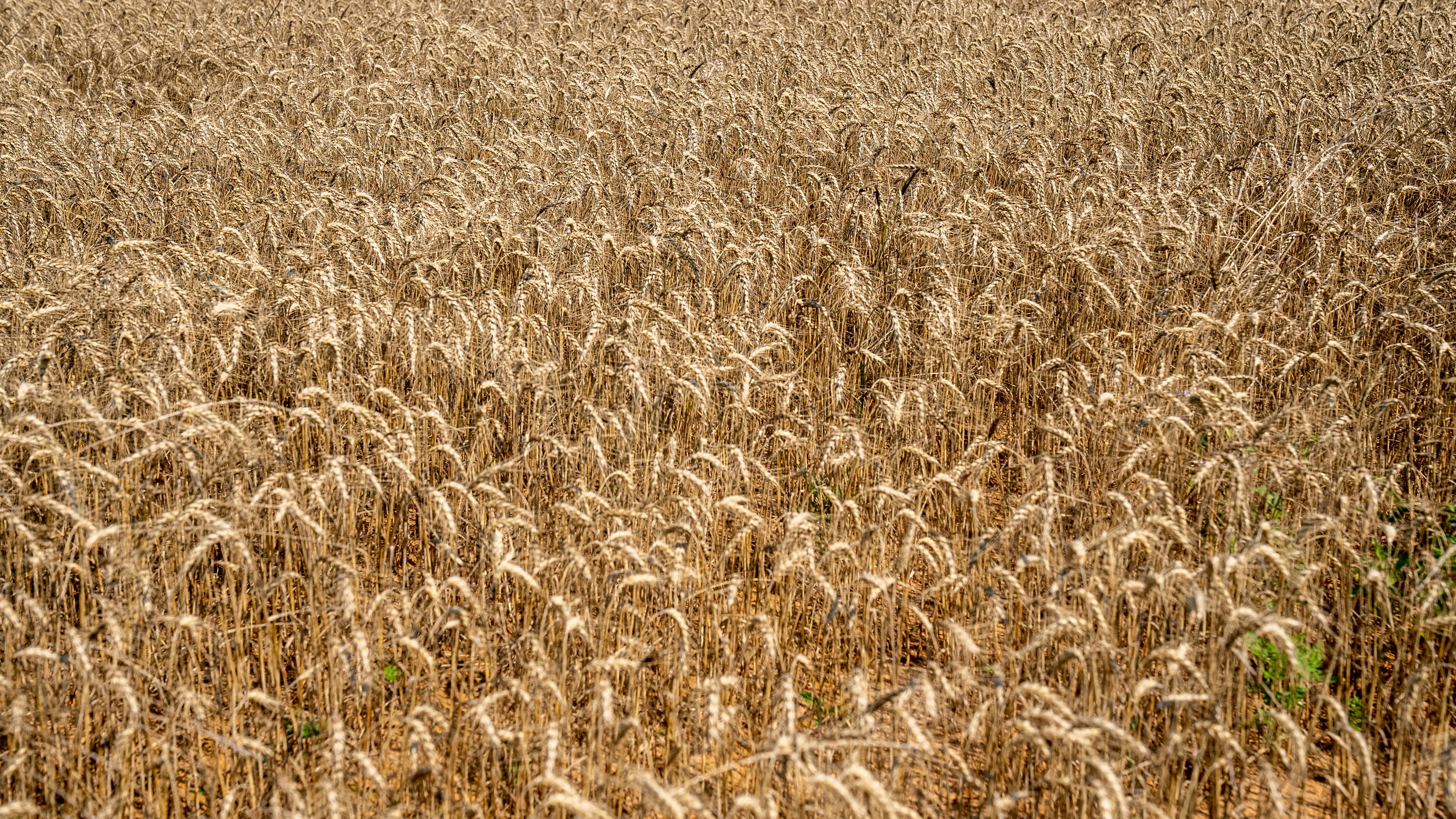
The first visible impacts often show up on farms. Producers in Alberta, Saskatchewan, and Manitoba watch soil moisture closely because germination, early root development, hay growth, and pasture quality all depend on reliable moisture at the start of summer.
When topsoil dries out, crops can emerge unevenly and forage production weakens. That puts livestock operators in a difficult position, especially if pasture conditions deteriorate early. Ranchers may need to use stored feed sooner than planned or reduce herd sizes if water and grass become scarce.
Statistics from provincial crop reports often reveal these changes before the wider public notices them. Ratings for topsoil moisture, pasture health, and crop condition can slip quickly during a hot dry month. For grain growers, the concern is not just current stress but how long the pattern lasts into July and August.
Wildfire risk rises when landscapes lose moisture

Dry land does not stay a farming issue for long. As vegetation loses moisture, the danger of fast-moving wildfire increases, especially in forested regions and the grasslands where cured fuels can ignite easily under heat, wind, and low humidity.
Canada has already seen in recent years how quickly wildfire seasons can become severe when drought overlaps with lightning outbreaks and strong winds. British Columbia and parts of the Prairies are especially vulnerable when forest fuels, brush, and grass dry out at the same time.
Low moisture also affects smoke risk far beyond the fire zone. A blaze in one province can degrade air quality hundreds or even thousands of kilometers away. That makes drought a public health issue as well, particularly for children, older adults, and people with asthma or heart and lung disease.
Water systems and communities come under pressure
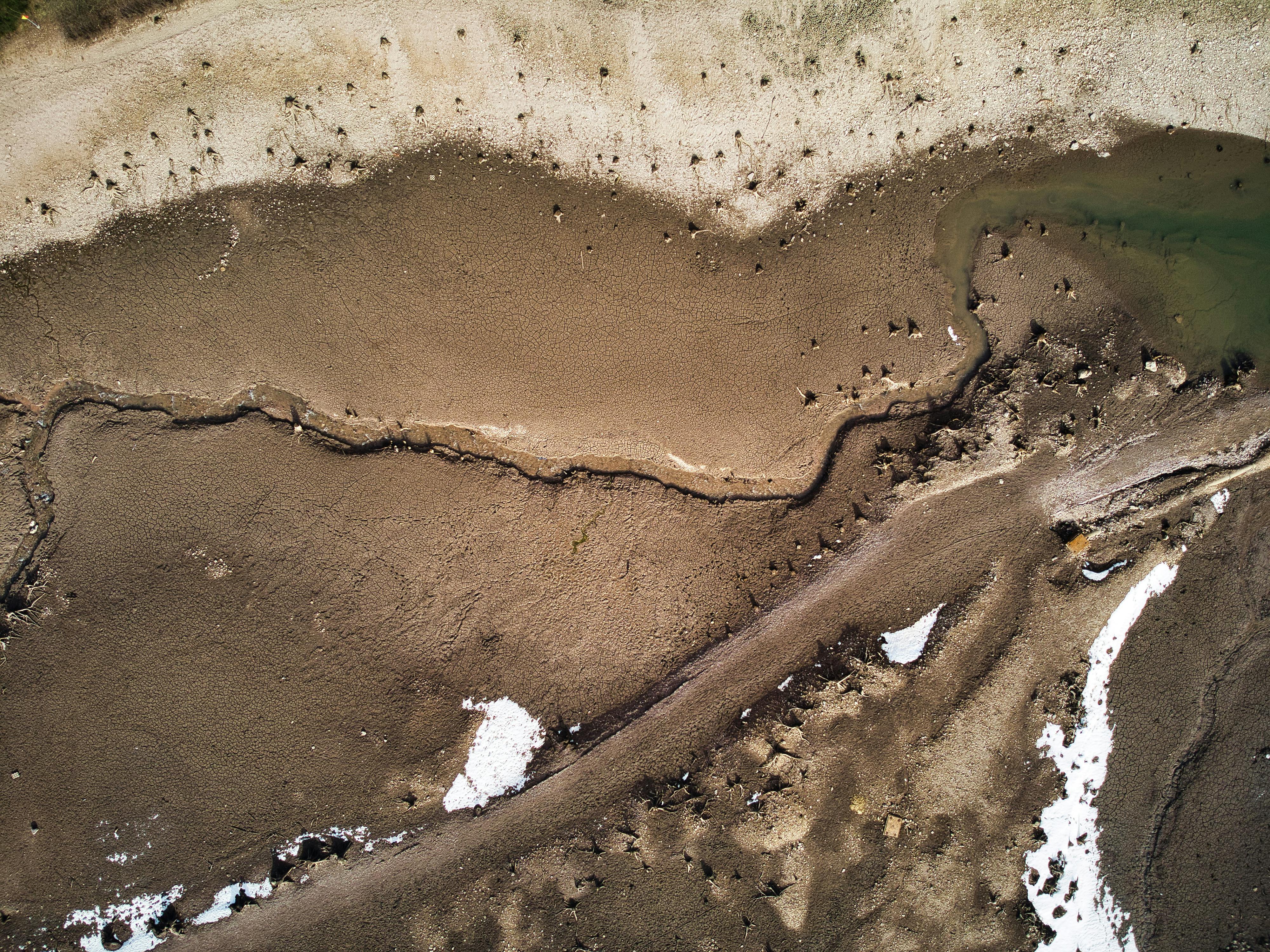
Another reality of drought is that water stress does not always look dramatic at first. Reservoir levels, streamflows, dugouts, and groundwater supplies can decline gradually, but the effects become serious when heat persists and demand rises for irrigation, livestock, and household use.
Smaller communities are often more exposed because they depend on limited local supplies. If dry weather continues, water restrictions may be introduced to protect essential use. Rural households with wells can also face challenges if groundwater recharge remains weak through the season.
Hydropower, recreation, fish habitat, and wetland health may all be affected as water levels fall. Rivers that run low and warm can stress aquatic ecosystems, while shrinking wetlands reduce habitat for birds and other wildlife. Drought therefore reaches well beyond farms and weather maps.
What this summer's surge says about the future
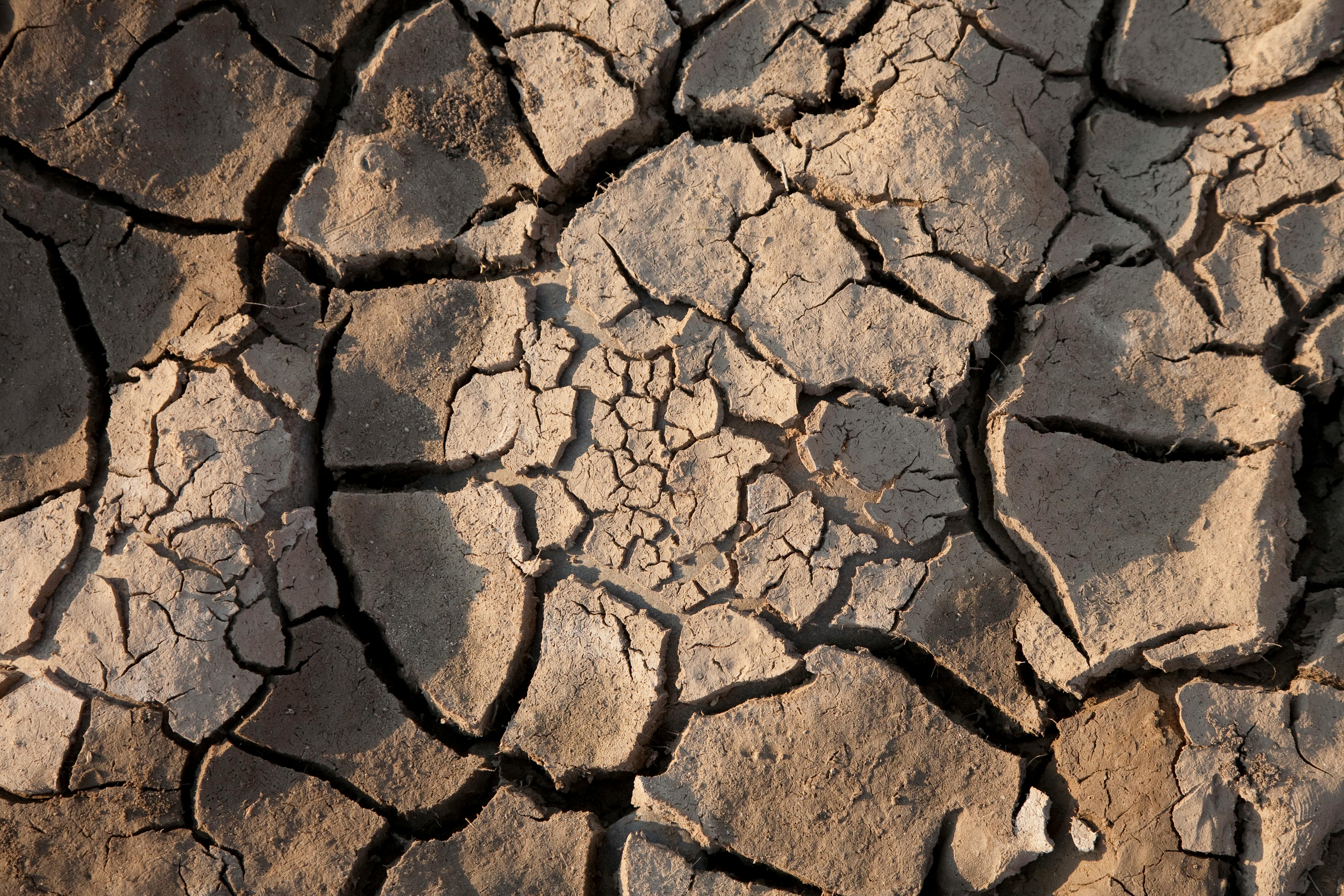
The bigger lesson is that drought can intensify far faster than many people expect. A jump from 18.8% to 38.9% in one month shows how vulnerable Canada can be when heat, sparse rainfall, and high evaporation line up across several regions at once.
Scientists have long warned that a warmer climate raises the odds of more extreme moisture swings. That does not mean every year will be dry, but it does mean wet-to-dry transitions can become sharper and harder to manage. Planning now matters more than reacting later.
Better forecasting, stronger water management, drought-resilient crops, and local emergency planning all help reduce risk. For the public, the message is straightforward: drought is not a slow-moving background issue. In the right conditions, it can spread across a country with surprising speed.



Leave a Reply