
Ozempic can change how your stomach feels from one meal to the next. What you eat often determines whether side effects stay manageable or become much harder to tolerate.
Fried and greasy foods

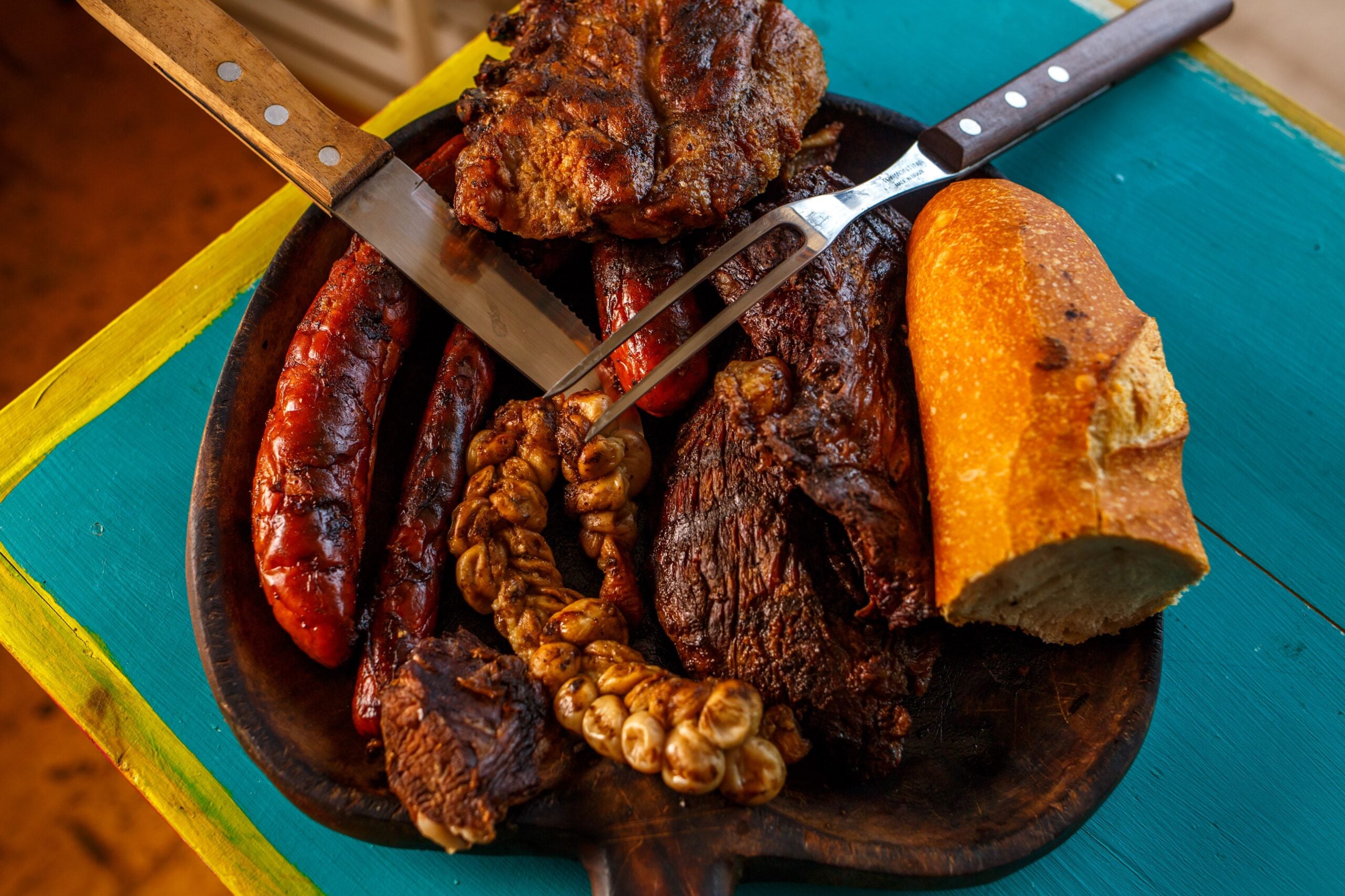
High-fat fried foods are one of the first things many clinicians warn about when someone starts Ozempic. Because semaglutide slows stomach emptying, heavy foods can sit in the stomach longer and create a lingering sense of fullness. That may sound minor, but in practice it often means stronger nausea, burping, bloating, and even vomiting.
French fries, fried chicken, onion rings, pizza with extra cheese, and fast-food burgers are common troublemakers. These meals combine fat, salt, and large portions, which can overwhelm a digestive system already moving more slowly. Gastroenterology specialists often note that patients tolerate smaller, lower-fat meals much better in the first weeks of treatment.
There is also a reflux issue. Greasy meals can relax the lower esophageal sphincter, making heartburn more likely. If Ozempic already leaves you queasy, that extra layer of burning and regurgitation can make eating feel miserable.
Sugary foods and desserts
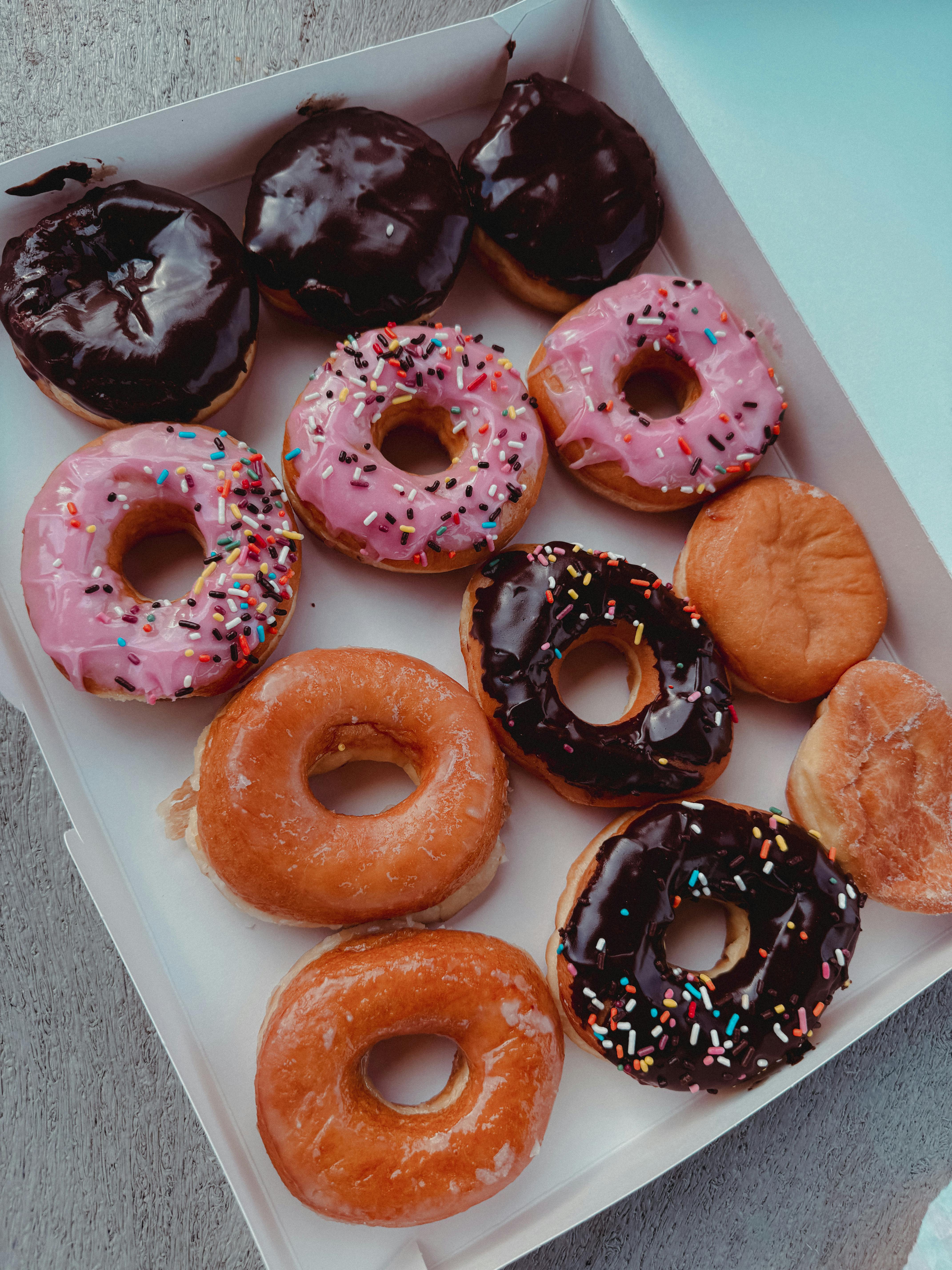
Sweet foods can be surprisingly rough on people taking Ozempic, especially when eaten in large amounts. Cake, donuts, pastries, candy, and sweet breakfast items may not only spike blood sugar but also worsen nausea and stomach upset. Many patients report that intensely sweet foods become less appealing after starting the drug, and there may be a good reason for that.
Rapid swings in blood sugar can add to feelings of shakiness, fatigue, and discomfort, particularly in people also using other diabetes medications. On top of that, rich desserts are often high in fat as well as sugar, which creates a double hit for digestion. Ice cream, for example, can trigger bloating and cramping for several different reasons at once.
Doctors often recommend testing tolerance with small portions rather than eliminating everything forever. A few bites of something sweet after a balanced meal may feel very different from eating dessert on an empty stomach. Portion size matters more than many people realize.
Carbonated drinks
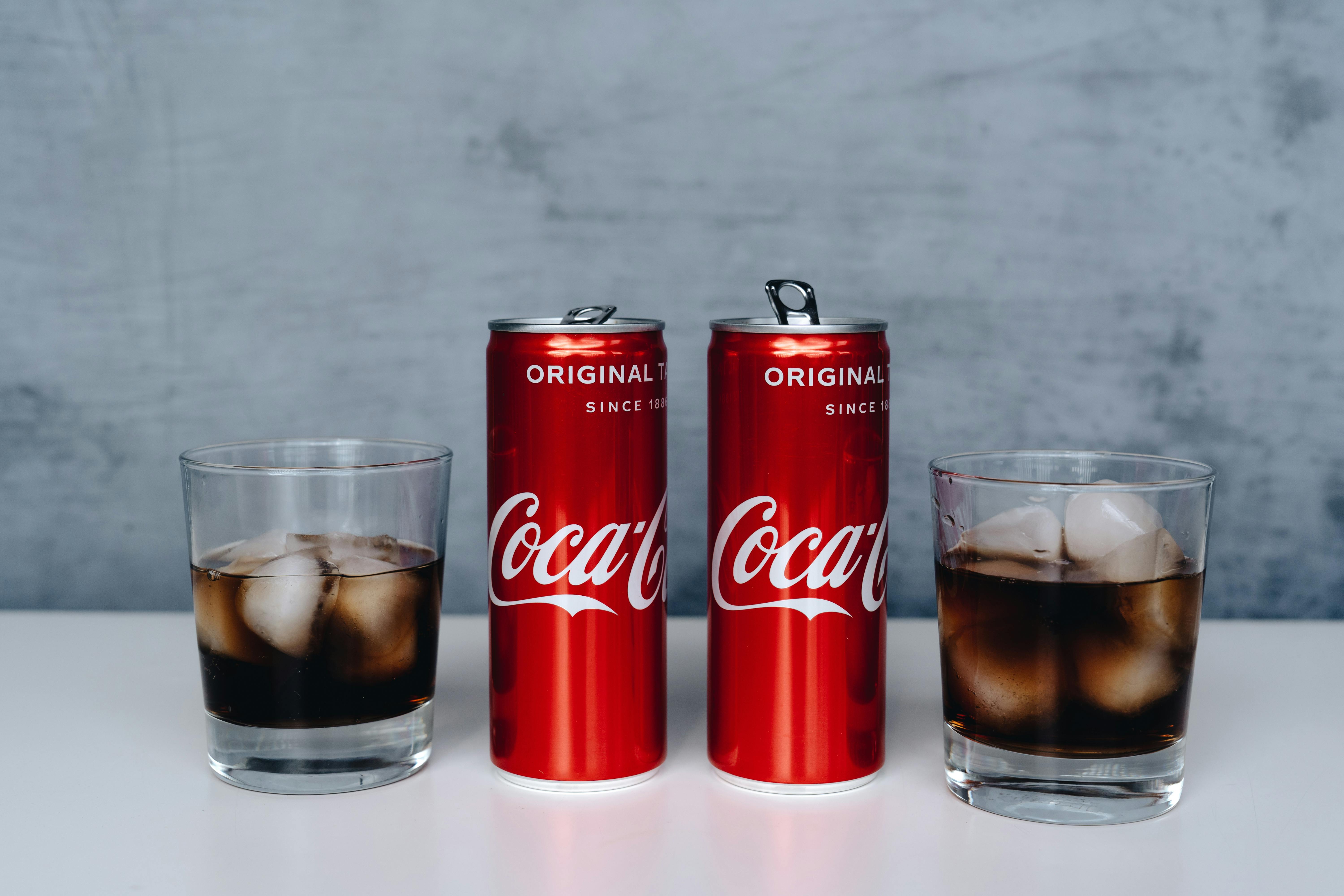
Fizz can seem harmless, but carbonated beverages are a frequent cause of extra discomfort on Ozempic. Sparkling water, soda, energy drinks, and even some flavored seltzers introduce gas into the digestive tract. When stomach emptying is already slower, that trapped gas may translate into pressure, belching, bloating, and upper abdominal pain.
The problem gets worse when the drink also contains sugar or caffeine. Regular soda can contribute to blood sugar spikes, while caffeinated fizzy drinks may aggravate jitters, reflux, or nausea in sensitive people. Even diet sodas can be bothersome if carbonation itself is the main trigger.
Doctors usually suggest still water, diluted electrolyte drinks, or non-caffeinated beverages when symptoms flare. Some patients can return to occasional sparkling drinks later, but during dose increases, keeping things simple often helps. It is less about permanent restriction and more about symptom control.
Spicy foods
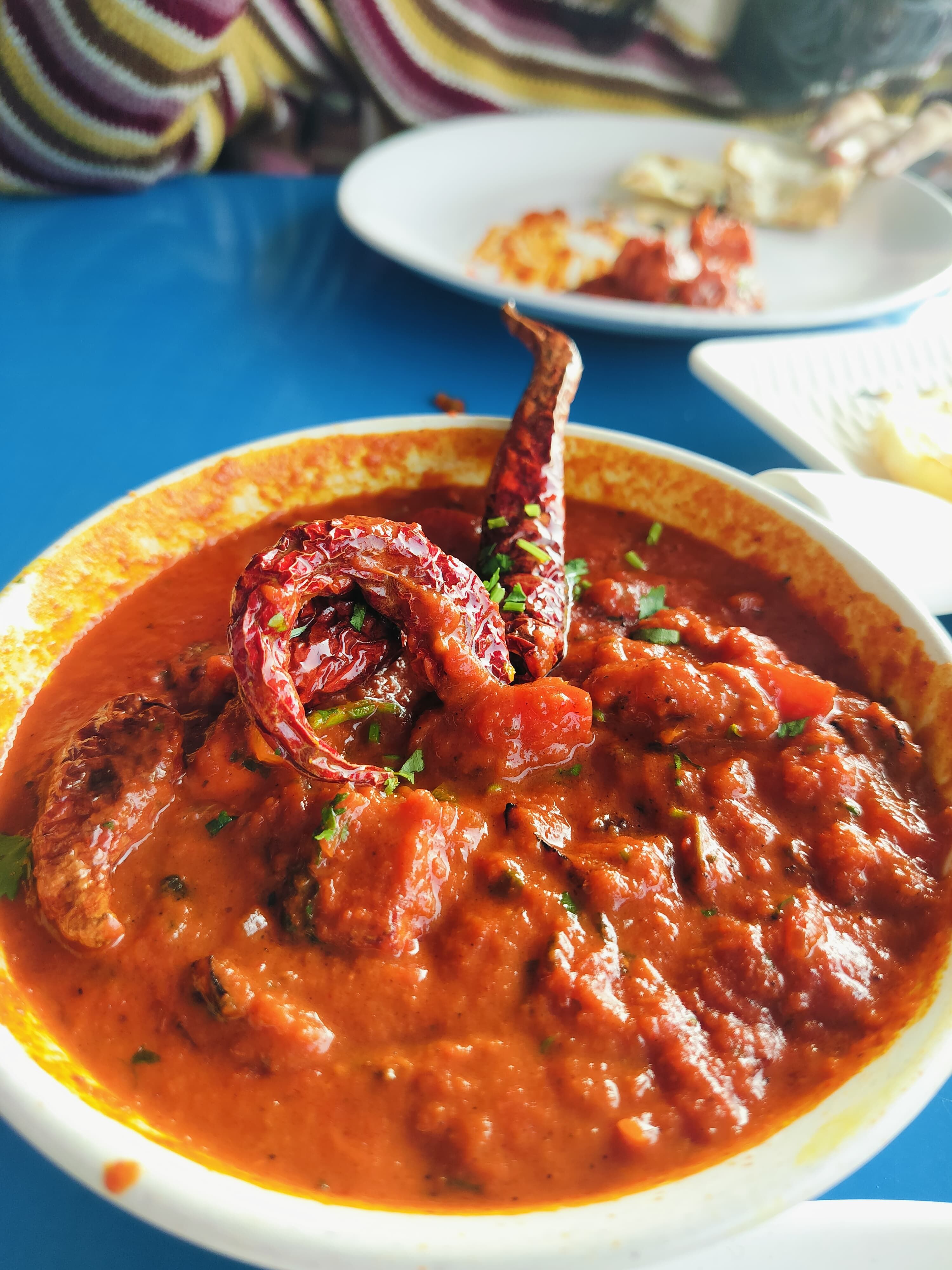
For some people, spice is energizing. On Ozempic, it can turn an already sensitive stomach into a much more reactive one. Hot peppers, spicy curries, buffalo sauce, salsa, and heavily seasoned takeout meals may intensify nausea, indigestion, and acid reflux, especially during the first few months of treatment.
Capsaicin, the compound that gives chili peppers their heat, can irritate the digestive tract in susceptible individuals. If Ozempic is already causing delayed gastric emptying and a full, uneasy feeling, spicy meals may amplify that discomfort. The result can be burning in the chest, stomach pain, or a sudden loss of appetite.
This does not mean every seasoned food is off-limits. Many patients do well with herbs, mild seasoning, ginger, turmeric, or small amounts of black pepper. The key is noticing whether heat itself is the problem or whether the issue comes from oily, oversized restaurant meals that happen to be spicy.
Alcohol
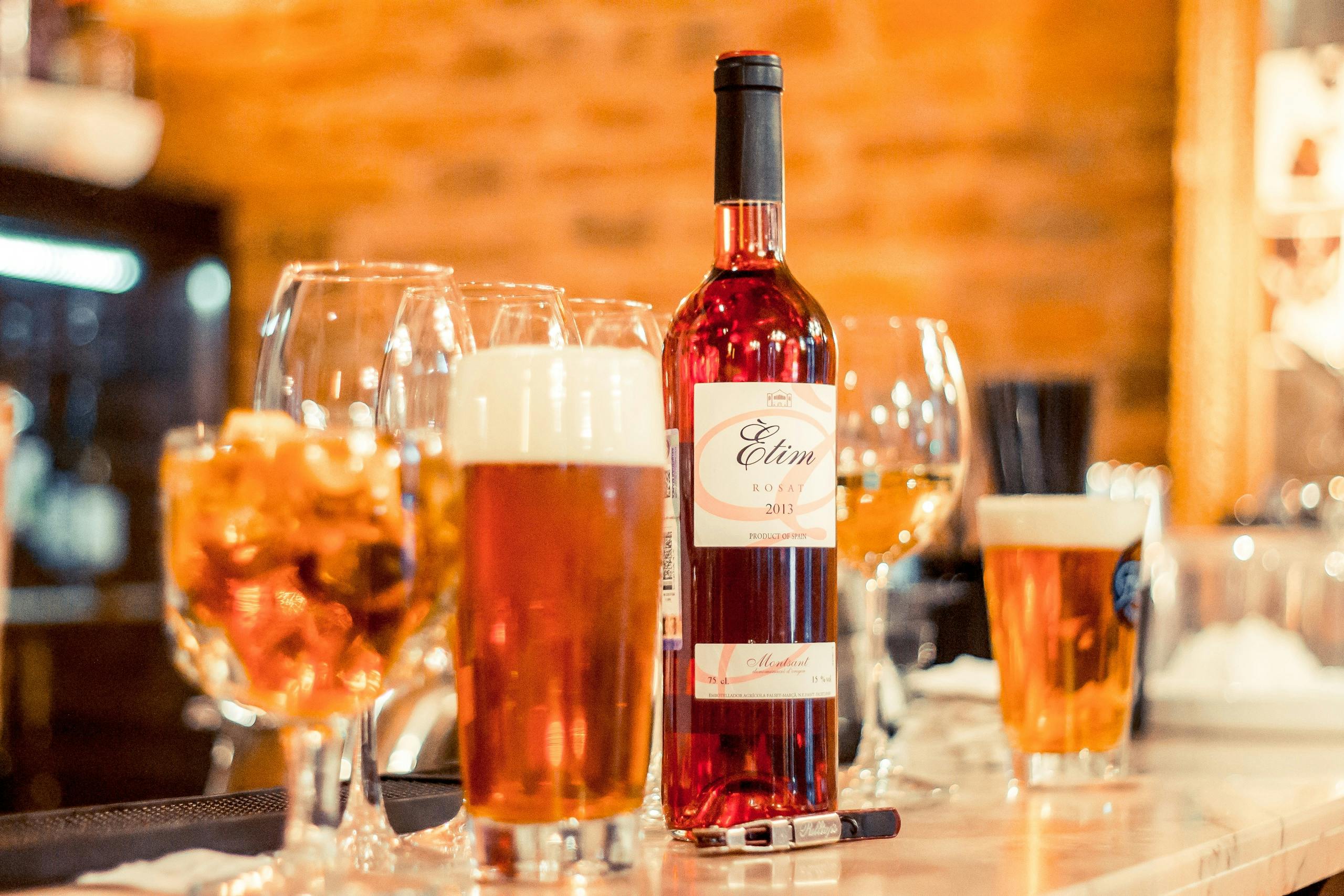
Alcohol can be especially unpredictable while taking Ozempic. Even small amounts may feel stronger than usual if you are eating less, losing weight, or dealing with nausea. Beer, wine, and cocktails can all irritate the stomach lining and contribute to reflux, vomiting, dizziness, and dehydration.
In people with diabetes, alcohol adds another concern because it can affect blood sugar in complex ways. A sugary cocktail may raise blood sugar at first, while later drops can occur depending on what else was consumed. If appetite is reduced and meals are skipped, that risk becomes more important.
Doctors commonly advise caution rather than a universal ban. Drinking slowly, having alcohol with food, and avoiding it during periods of active nausea are practical steps. If you notice that one drink consistently leads to stomach upset, your body is giving you useful information.
Large portions of red or processed meat

Dense, heavy proteins can be harder to tolerate when digestion has slowed. Large servings of steak, sausage, bacon, pepperoni, or burgers may linger in the stomach and leave you feeling overfull for hours. That can worsen the exact side effects many Ozempic users are trying to manage, including bloating, nausea, and uncomfortable pressure.
Processed meats can be particularly troublesome because they are often high in fat and sodium. A breakfast of bacon, sausage, and buttery biscuits may taste satisfying, but it can create a long afternoon of stomach distress. Some patients also find that the smell and richness of these foods become off-putting after starting treatment.
Leaner proteins are often easier to handle. Chicken breast, turkey, fish, eggs, tofu, Greek yogurt, and beans in modest portions usually sit better. Doctors often encourage patients to spread protein across the day instead of loading it into one large meal.
Highly processed snack foods
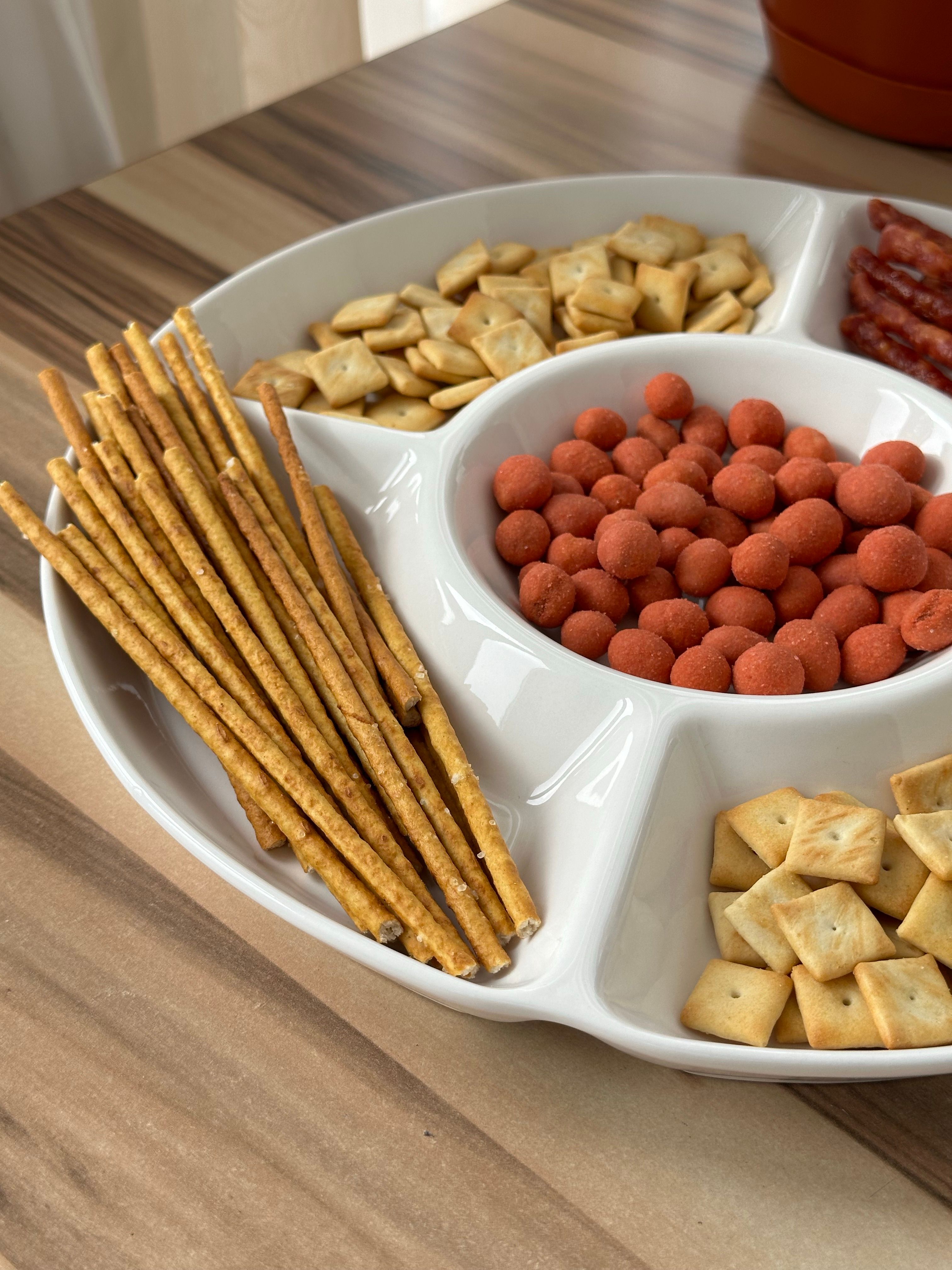
Packaged snack foods are easy to overeat, and that is part of the problem. Chips, cheesy crackers, microwave pastries, packaged sweets, and fast-food snack items tend to combine refined carbs, added fat, salt, and artificial flavoring in a way that can aggravate Ozempic-related digestive symptoms. They also encourage mindless eating, which makes fullness cues easier to miss.
A small snack may seem insignificant, but grazing on processed foods throughout the day can keep the stomach under constant strain. Instead of getting balanced nutrition, you may end up with more nausea and less energy. That is a poor tradeoff, especially if appetite is already lower than normal.
Doctors usually steer patients toward simpler choices like toast, oatmeal, bananas, applesauce, soup, plain crackers, yogurt, or small portions of nuts, depending on tolerance. The goal is not perfection. It is choosing foods that work with the medication rather than against it.


Leave a Reply