
The face is not the only place where fast weight loss can show up. Doctors are now noticing that the feet can change too.
What doctors mean by "Ozempic feet"
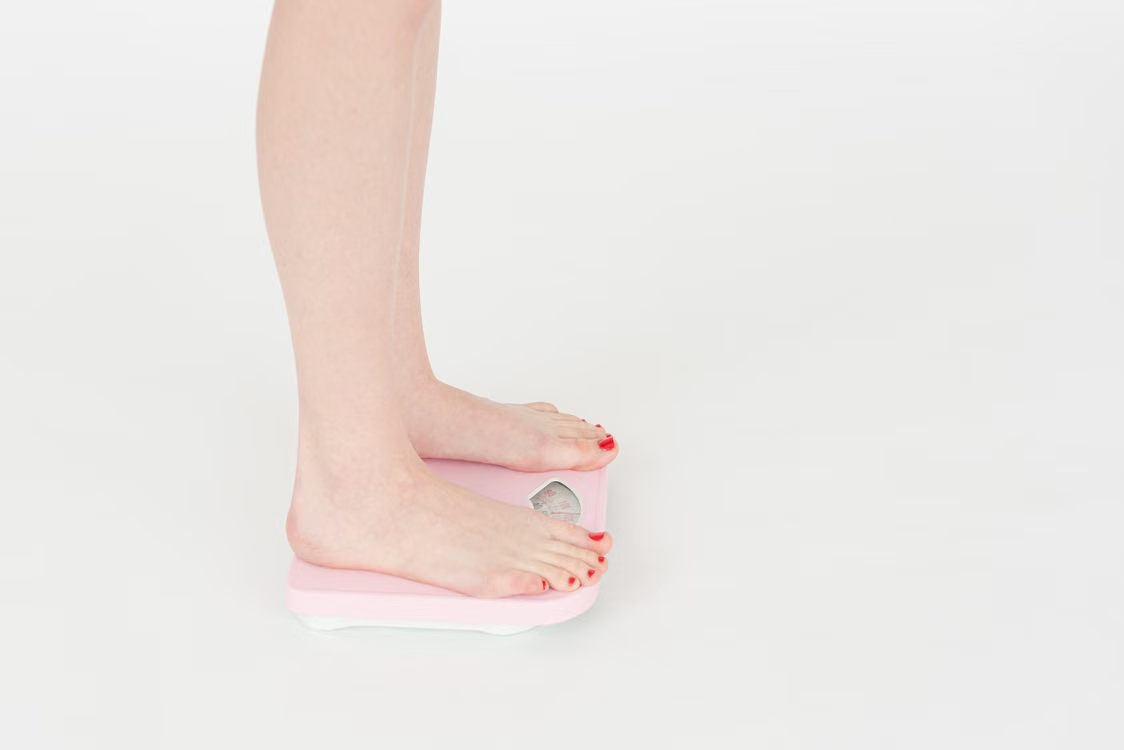
The phrase "Ozempic feet" is not a formal medical diagnosis. It is a nickname being used online and in clinics to describe feet that look bonier, thinner, more veiny, or suddenly older after significant weight loss on GLP-1 medicines such as Ozempic, Wegovy, Mounjaro, and Zepbound.
Doctors who treat obesity and cosmetic concerns say the idea follows a pattern already seen with terms like "Ozempic face" and "Ozempic butt." In each case, the core issue is not usually the drug damaging tissue directly. It is the visible effect of losing body fat quickly, including in places people do not expect.
The feet contain soft tissue padding that helps create a fuller appearance and cushions pressure points. When some of that fat decreases, tendons, veins, and bones may become more obvious. For certain patients, the change is subtle. For others, it is noticeable enough that shoes fit differently or the skin appears looser.
Why GLP-1 weight loss can change the feet

A surprising detail about body fat is that it is stored almost everywhere, including the soles and tops of the feet. GLP-1 drugs reduce appetite, slow stomach emptying, and help many people lose a meaningful amount of weight over months. According to large clinical trials, some patients lose 10% to 20% or more of their body weight, which can affect the look of the entire body.
That loss is rarely evenly distributed in a way people can predict. One person may notice changes first in the face, while another sees them in the hands, chest, or feet. Age also matters. Older adults naturally have thinner skin, lower collagen, and less elastic tissue, so volume loss often shows up faster.
There is also a mechanical side to this. Fat pads under the heel and ball of the foot help absorb force during walking. If those pads thin as overall body composition changes, a person may become more aware of hard surfaces, rubbing, and pressure, even if the foot itself remains healthy.
What symptoms people are actually noticing
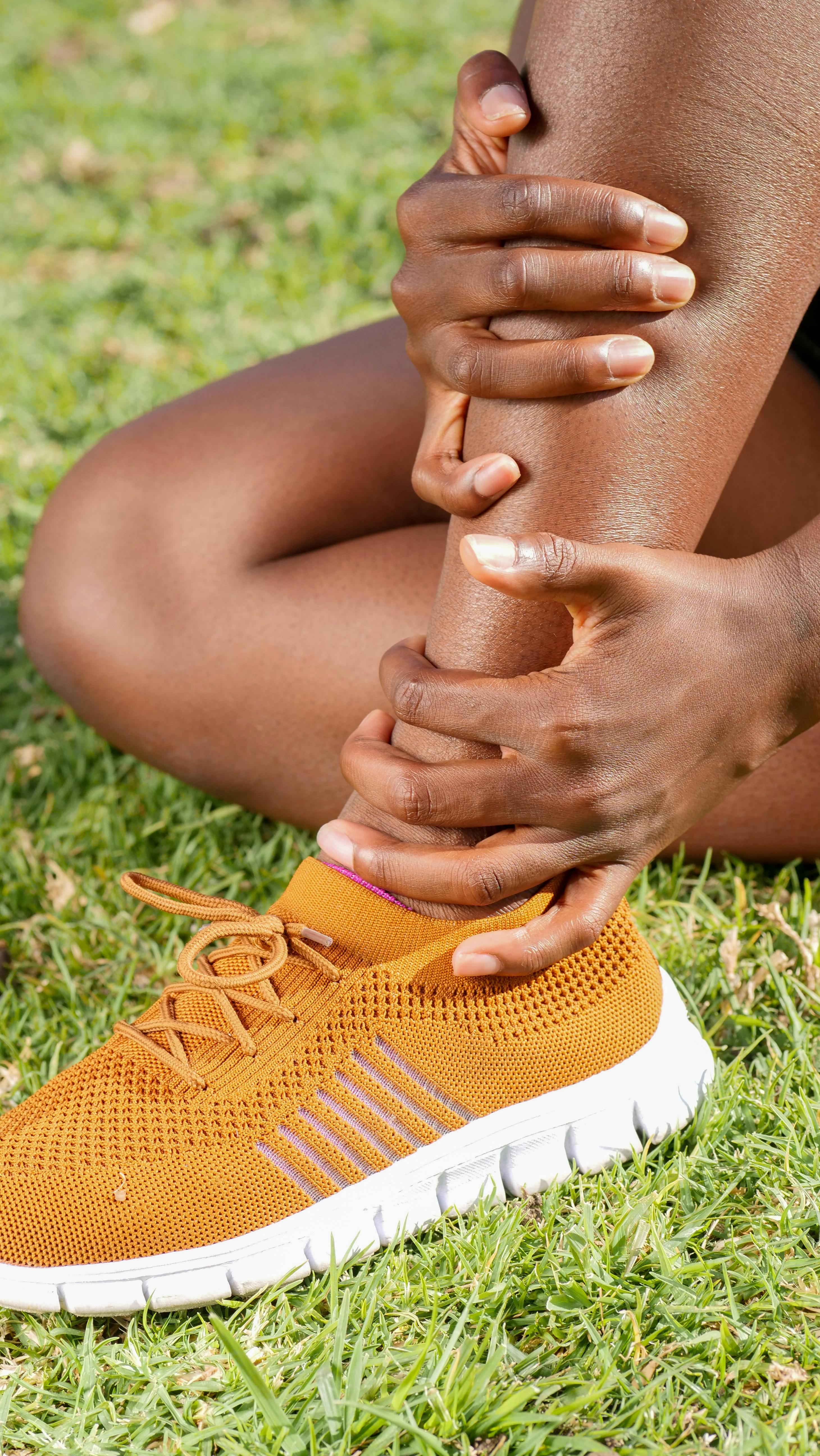
Not every report is about pain. Many people simply say their feet look different in sandals or bare feet, with more prominent veins, toe joints, tendons, or wrinkles. Some describe a "deflated" appearance, especially on the top of the foot, where soft tissue can thin enough to make contours stand out.
Others notice practical issues before cosmetic ones. Shoes that once felt snug may suddenly slip. Straps can rub in new places. A few patients report more tenderness in the forefoot or heel, especially if they are walking more as part of a weight-loss plan and their cushioning has changed at the same time.
Doctors also warn that not every foot change should be blamed on a GLP-1 drug. Swelling, redness, numbness, color changes, sores, or severe pain need medical evaluation. Those symptoms can point to circulation problems, nerve disease, gout, arthritis, or diabetes-related complications rather than a simple loss of fat volume.
Who is more likely to experience it

The clearest risk factor is significant weight loss in a relatively short period. Someone who loses a large amount of weight over 6 to 12 months is more likely to notice visible tissue changes than someone whose weight drops slowly. People starting from a higher body weight may also see more dramatic shifts because the total amount of fat loss is greater.
Age, genetics, and baseline foot structure matter too. A naturally thin foot with high arches may appear bonier faster than a broader foot with more soft tissue. People with sun-damaged skin, lower muscle mass, or previous volume loss from aging are often more sensitive to cosmetic changes.
Lifestyle can add to the effect. Increased walking, exercise, and lower body swelling after weight loss can make feet look more defined. In some cases, the appearance reflects improved overall health rather than harm. Still, patients who have diabetes, neuropathy, or circulation disease should monitor their feet closely during any rapid weight-loss program.
What doctors recommend if it happens
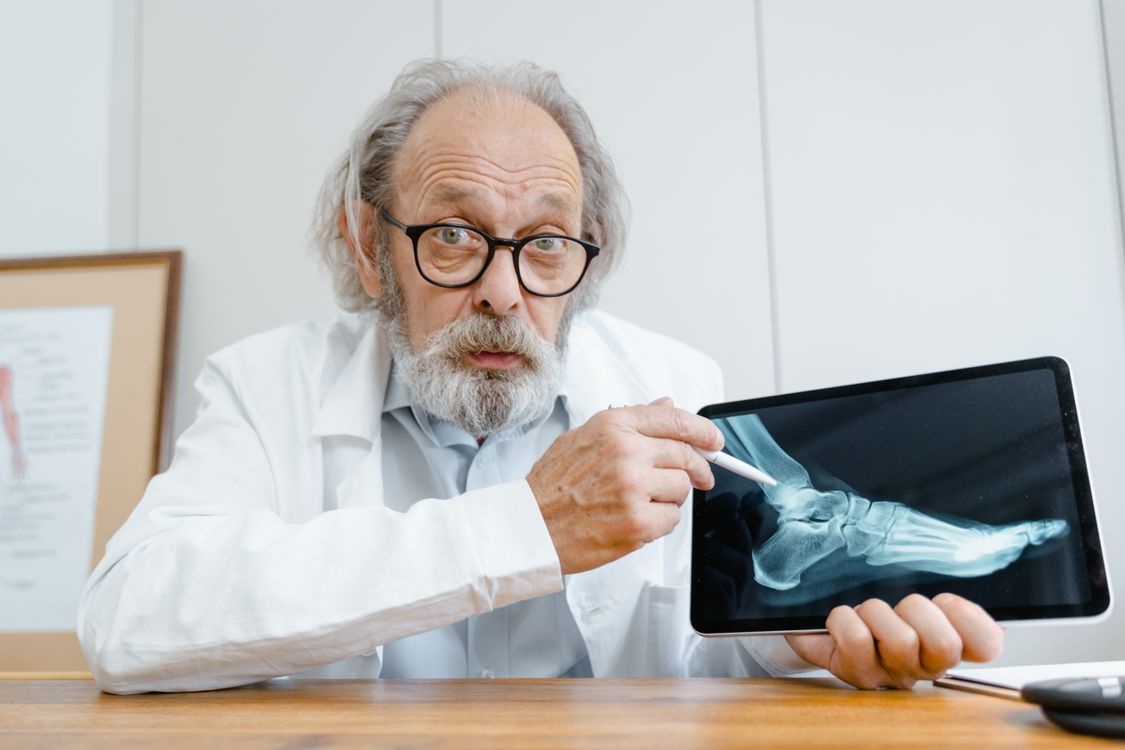
The first step is simple: mention it to the clinician prescribing the medication. Doctors can help distinguish a cosmetic change from a problem that needs treatment, such as plantar fat pad pain, poorly fitting shoes, fungal skin issues, or unrelated vascular disease. If discomfort is the main issue, a podiatrist may suggest footwear changes, cushioned insoles, or pressure-relieving supports.
Skin care matters more than many people realize. As tissue volume changes, dry skin and friction can become more noticeable. Regular moisturizing, avoiding harsh rubbing, and checking for pressure points can prevent cracks and irritation, especially in people prone to calluses.
Nutrition also deserves attention. Specialists often emphasize adequate protein, resistance training, and gradual rather than extreme weight loss when possible. While these steps will not stop all cosmetic changes, they can support muscle, skin quality, and function during GLP-1 treatment.
The bigger lesson behind the trend

The real takeaway is that GLP-1 drugs reshape the body in visible and sometimes unexpected ways. The same fat loss that improves blood sugar, blood pressure, sleep apnea, and joint stress can also alter appearance from head to toe. "Ozempic feet" is a catchy label, but the biology behind it is familiar to doctors who manage major weight changes.
That is why experts say expectations matter. Patients should know that rapid weight loss can affect skin, facial fullness, clothing size, and even shoe fit. Clear counseling helps people see these shifts as part of a broader body-composition change rather than a mysterious new disorder.
For most people, "Ozempic feet" is more nuisance than danger. But it is still worth discussing, especially if the change comes with pain, sores, or balance problems. In medicine, even a viral nickname can open the door to a useful conversation about comfort, safety, and realistic weight-loss goals.




Leave a Reply