
Breakfast is no longer just breakfast. It has become a performance ritual, a nutrition strategy, and a branding battlefield.
A bread launch that signals a much bigger shift
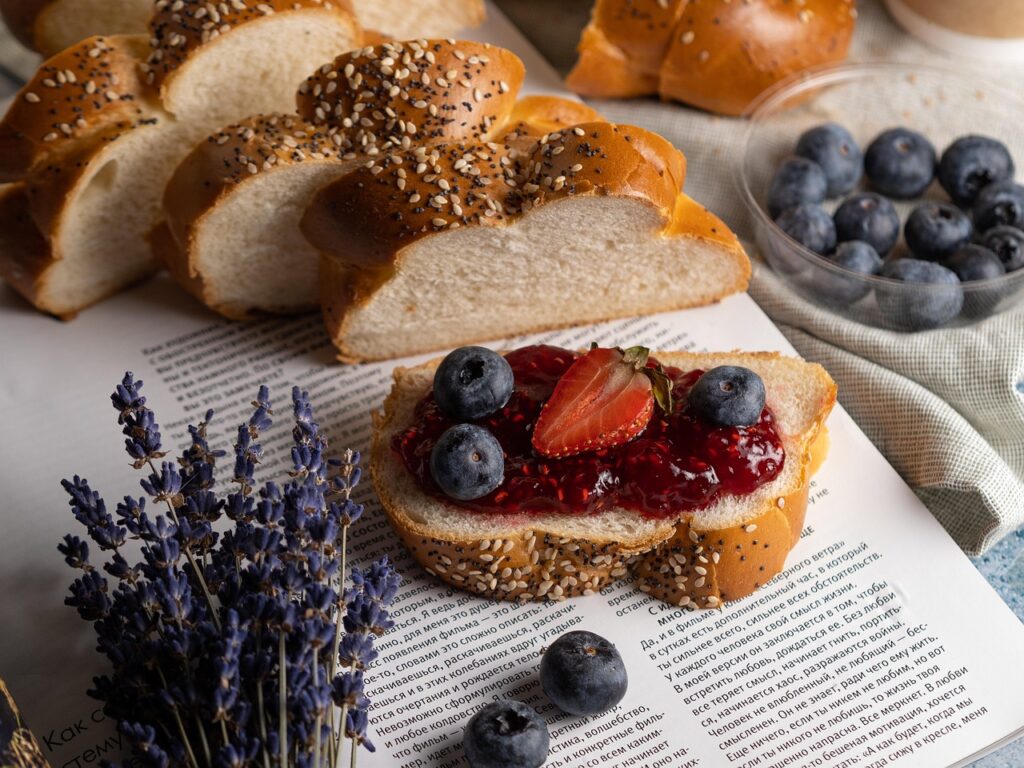
At first glance, Dempster's move into protein-forward breakfast products looks like a familiar grocery aisle update. A legacy bread brand adds more protein, highlights satiety, and gives shoppers another reason to swap their usual loaf or bagel for something that sounds more nutritionally serious. But the significance is larger than the packaging. When a mainstream bakery brand leans this hard into protein, it suggests the trend has moved well beyond gym culture and into everyday household shopping.
That matters because mass-market food companies do not typically chase niche behavior unless it has become reliably profitable. Protein has become one of the clearest examples of that shift. Once concentrated in powders, bars, and specialty yogurts, it is now showing up in pancakes, cereals, waffles, oatmeal cups, frozen sandwiches, and bread. Dempster's entry fits a pattern seen across North American food retail, where companies are reformulating familiar staples to match the language consumers now expect to see on shelves.
The language itself tells the story. Food labels increasingly emphasize "high protein," "energy," "stays full longer," and "better-for-you" cues. These claims speak to a buyer who is not simply purchasing taste or tradition. They are buying utility. Breakfast has become less about sitting down to eat and more about getting ready to perform, commute, parent, study, or train. In that environment, protein is not just a nutrient. It is a promise.
Dempster's positioning also reflects a widening definition of breakfast. For many consumers, the first meal happens in stages, in the car, at a desk, after a workout, or between school drop-off and a first meeting. Bread remains familiar and flexible, which makes it an ideal platform for nutritional upgrades. A protein push from a bread brand therefore says something basic but important: the modern breakfast market rewards foods that can feel both ordinary and optimized at the same time.
Why protein became breakfast's dominant selling point
Protein's rise did not happen by accident. It came from a convergence of nutrition science, weight-management trends, fitness culture, and clever food marketing. Research over the past decade has consistently shown that protein can support satiety more effectively than many refined carbohydrates, which helps explain why consumers associate it with staying fuller for longer. For busy people trying to avoid a mid-morning crash, that message is powerful and easy to grasp.
The appeal widened as public attitudes toward breakfast changed. For years, conventional advice promoted cereal, toast, juice, and other carbohydrate-heavy starts to the day. But consumer skepticism grew as sugar content in many breakfast products came under greater scrutiny. A 2024 pattern visible across food launches and retail data is clear: shoppers increasingly want breakfast foods that look less sugary, more sustaining, and more aligned with broader health goals such as blood sugar management, muscle maintenance, and appetite control.
Protein also carries cultural prestige in a way other nutrients often do not. Fiber is essential, but it does not market as easily. Whole grains matter, but they can sound abstract. Protein, by contrast, feels tangible and measurable. People track grams, compare labels, and discuss intake in everyday language. That makes it ideal for front-of-pack messaging. It is one of the few nutrition concepts that appeals to athletes, older adults, parents, and office workers all at once.
Manufacturers have responded accordingly. According to industry trend reports from major food analysts, high-protein claims have become one of the fastest-growing positioning strategies in breakfast and snack categories. Greek yogurt helped normalize the shift. Protein bars expanded it. Egg bites, drinkable shakes, and fortified cereals accelerated it. Now bakery products are catching up. Dempster's is participating in a market logic that says the fastest way to modernize a familiar food is to make protein the headline benefit.
The modern breakfast routine is shaped by time pressure

One of the clearest reasons breakfast has changed is that mornings have changed. The traditional image of a cooked meal at the kitchen table has become less realistic for many households dealing with long commutes, hybrid work schedules, school routines, and rising mental load. Breakfast increasingly has to fit into fragmented time. That reality favors foods that are quick, portable, and easy to justify nutritionally.
This is where products like protein bread become especially relevant. They do not ask consumers to reinvent their habits. They ask for a small substitution within routines people already know. Toast, a breakfast sandwich, or peanut butter on bread remains familiar, but the upgraded nutritional framing gives the meal a new purpose. In consumer psychology, that is a strong formula: minimal behavior change paired with a meaningful perceived benefit.
There is also an economic angle. In periods of persistent food inflation, households often seek foods that can do more than one job. A loaf that promises better satiety may feel like a practical value, especially compared with buying separate specialty snacks to bridge the gap until lunch. Consumers do not always want premium wellness products. They often want ordinary foods that seem to work harder. That is a subtle but crucial distinction in understanding the current breakfast market.
The rise of all-day breakfast behavior adds another layer. Many people now eat "breakfast foods" outside the morning altogether, whether as a late first meal, a post-workout bite, or a simple dinner. This broadens the market for any product positioned around breakfast nutrition. Dempster's protein push is not only about what people eat at 7 a.m. It is about how food brands are adapting to a world where meal boundaries are looser and convenience has become one of the most powerful forces shaping what ends up on the plate.
Health positioning sells, but consumers are getting more critical

Protein may be a strong selling tool, but shoppers are increasingly better at reading beyond a headline claim. A loaf marketed for protein still has to compete on ingredient quality, sugar content, sodium, texture, price, and overall nutritional balance. That is especially true as consumers become more familiar with the difference between a genuinely nutrient-dense product and one that simply adds enough protein to justify a front-of-pack badge.
This scrutiny has grown alongside broader fatigue with wellness marketing. Consumers have seen years of products dressed up with buzzwords that do not always translate into better health outcomes. They are more likely now to check whether a product also contains fiber, whether it relies heavily on isolates, and how it fits into a complete meal. In breakfast foods, this matters because protein alone does not guarantee sustained energy if the overall formulation is highly processed or nutritionally thin.
There is also the question of who benefits most from these products. For some people, especially those who routinely skip breakfast or eat very little protein in the morning, a fortified bread can be genuinely useful. For others who already consume eggs, yogurt, nuts, or other protein-rich foods, the added value may be marginal. Food companies know this, which is why the marketing often leans on broad emotional promises such as "fuel," "focus," and "strong start," rather than highly specific dietary need.
Still, skepticism does not mean the trend is hollow. It means the category is maturing. The first phase of protein marketing rewarded novelty. The current phase rewards credibility. Brands like Dempster's are entering a more demanding environment where consumers want convenience and health cues, but also expect products to taste good, fit the budget, and hold up to closer inspection. The breakfast aisle is no longer impressed by the word "protein" alone. It wants proof that the upgrade is worth making.
What Dempster's move says about legacy food brands

There is something especially telling about a traditional bread company leading with protein. Startups often innovate by challenging habits, but legacy brands win by updating habits without breaking them. Dempster's has name recognition, shelf presence, and a built-in relationship with households that already buy bread weekly. That gives it a strategic advantage in translating a health trend into something mainstream. It can make change feel low-risk.
This is a broader pattern across packaged food. Established companies increasingly modernize their portfolios by attaching functional benefits to familiar formats. Rather than asking shoppers to buy a niche wellness product, they reposition the staples already sitting in pantries and lunchboxes. In practice, this means adding protein to bread, fiber to tortillas, probiotics to drinks, or extra nutrients to cereal. The innovation is often less about inventing a new food than about rewriting the meaning of an old one.
For brands, breakfast is the ideal battleground for this approach because it is repetitive. Many consumers eat variations of the same morning foods several times a week, making even a modest product switch commercially valuable. If a household trades standard bread for a protein-enhanced loaf and repeats that purchase regularly, the payoff is substantial. This helps explain why so many mainstream brands are competing to own the "better breakfast" narrative.
Dempster's move also reflects how far health expectations have penetrated everyday grocery shopping. Not long ago, functional nutrition was largely separated from comfort and familiarity. Now the market expects both at once. Consumers want foods that feel natural to their routines but still signal nutritional intent. In that sense, a protein loaf is not just another launch. It is evidence that the center of the grocery store has been forced to evolve, borrowing some of the language and ambition once reserved for specialty health foods.
Breakfast's future will be defined by function, flexibility, and trust

The most important lesson from Dempster's protein push is not that everyone suddenly wants more bread with extra grams of protein. It is that breakfast has become a category organized around function. People increasingly ask what a food does for them, not just how it tastes or what tradition says belongs on the table. Energy, fullness, blood sugar steadiness, convenience, and mood all now shape the way morning foods are marketed and judged.
That shift is likely to continue, but not in a simple one-note way. Protein will remain central, yet future winners in the category will probably combine multiple benefits. Expect stronger emphasis on fiber, lower sugar, whole grains, and portion practicality alongside protein. Consumers are looking for breakfasts that support busy lives without feeling like nutritional theater. The products that succeed will be the ones that make health claims feel grounded, understandable, and useful.
Trust will become even more important as brands keep layering benefits onto familiar foods. Shoppers are learning to distinguish between meaningful formulation changes and marketing inflation. That means brands will need to be clearer about ingredients, more realistic in their messaging, and more disciplined about balancing nutrition with taste. Breakfast is intimate and habitual. If a product disappoints, consumers rarely give it many second chances.
In the end, Dempster's latest move is a snapshot of a much larger change in food culture. Breakfast has shifted from a meal defined mostly by tradition to one shaped by productivity, portability, and personal goals. A simple loaf of bread now has to compete in the language of wellness, performance, and value. That says a great deal about where food marketing is headed, but even more about what modern consumers now expect from the first thing they eat each day.



Leave a Reply