
Some brands quietly fade away. Delissio did the opposite, leaving Canadians with a very loud sense of loss.
Delissio became a household habit
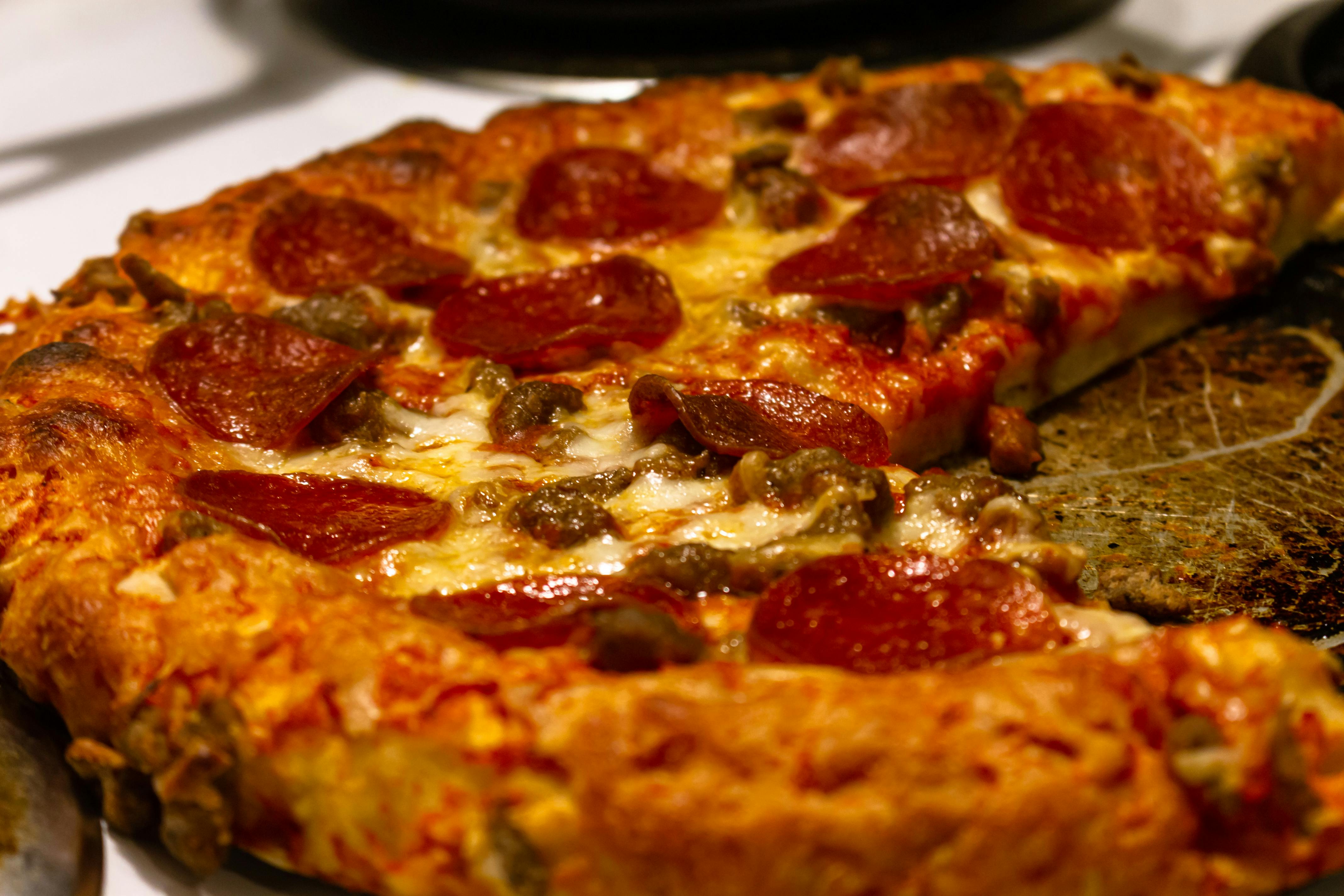
At its peak, Delissio was not just another frozen pizza. It was one of the most recognizable convenience foods in Canada, especially through the 2000s and early 2010s, when supermarket freezer aisles were packed with its boxes in multiple sizes and styles.
The brand stood out because it hit a very specific sweet spot. It was more affordable than delivery, more satisfying than bargain frozen pizza, and easy enough for busy families, students, and shift workers to keep on hand for an almost no-effort meal.
Its reach also reflected a larger shift in Canadian eating habits. Frozen prepared foods were becoming a bigger part of weeknight routines, and Delissio fit perfectly into that trend by promising a restaurant-like pizza experience from a standard home oven.
Its marketing made the brand unforgettable

What many Canadians remember first is not the crust or toppings. It is the slogan: "It's not delivery, it's Delissio," a campaign so effective that it embedded the product directly into pop culture and everyday conversation.
That message did more than advertise pizza. It framed Delissio as a clever substitute for takeout, suggesting consumers could get something close to delivery quality without the added cost, wait time, or inconvenience, which mattered during years of rising food and restaurant prices.
Nestlé, which owned the brand in Canada, also understood the value of consistency. Delissio ads stayed simple, memorable, and widely repeated, allowing the product to build trust over time in a way many grocery brands never manage.
The product line matched how Canadians actually shopped

One reason Delissio lasted so long was its ability to meet different budgets and appetites. There were rising crust pizzas, stuffed crust versions, thin crust options, snack-sized products, and formats designed for both families and solo eaters.
That breadth mattered in a country where grocery shopping patterns vary widely by household size, region, and income. A suburban family could grab a larger pizza for a quick Friday dinner, while a student in a small apartment could choose a personal-size version for convenience and value.
The brand also benefited from strong placement in major Canadian chains. Once shoppers began treating Delissio as a reliable freezer staple, repeat purchases became routine, and routine is often the most powerful force in mass-market food success.
Why the brand disappeared from Canada
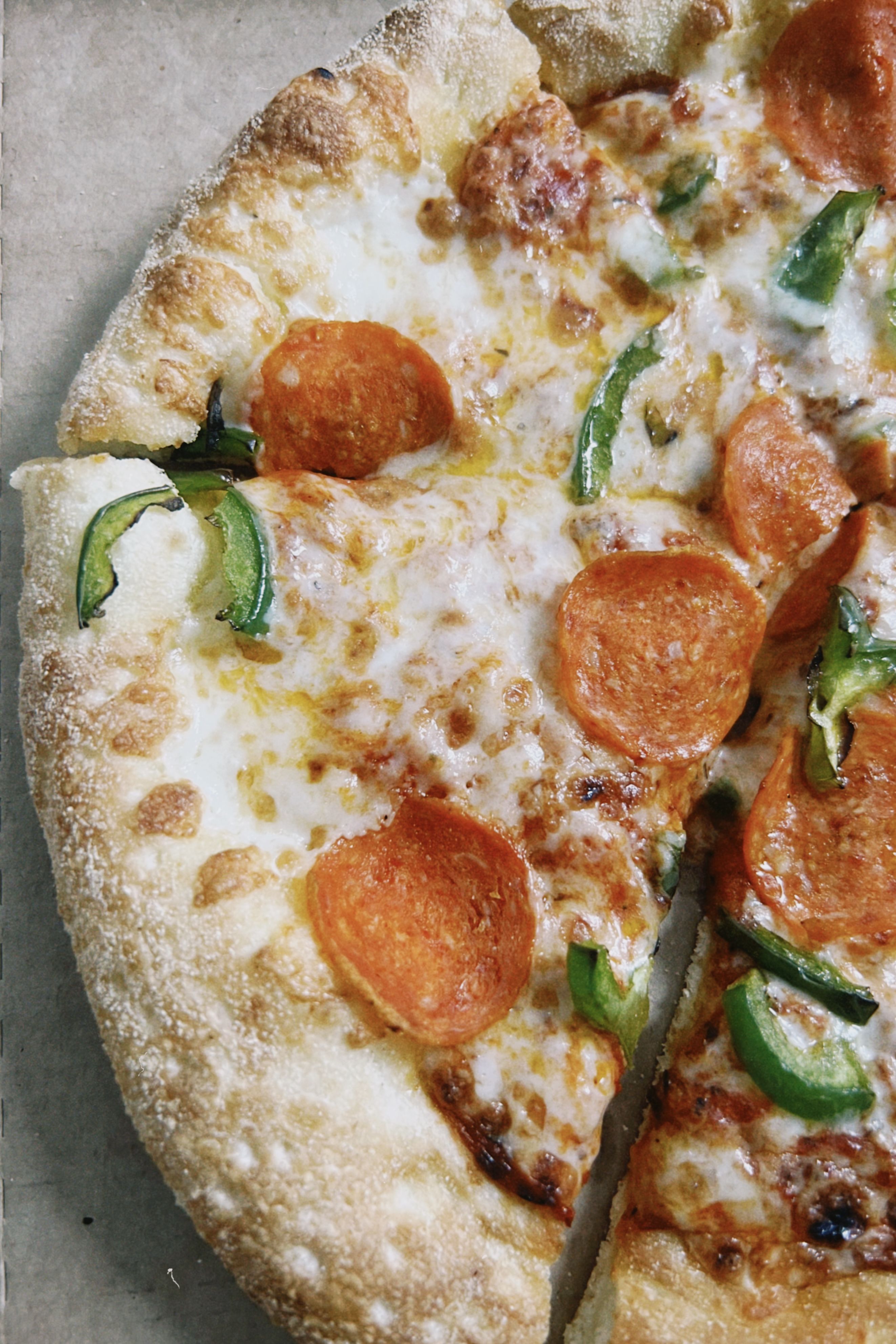
The shock came in 2023, when Nestlé announced it would wind down its frozen meals and pizza business in Canada, including Delissio. The company said the decision was tied to a broader strategic review of its local frozen portfolio.
For shoppers, that explanation felt cold compared with the emotional response the news triggered. But from a corporate standpoint, such exits usually reflect a mix of manufacturing priorities, competition, margin pressure, and changing long-term investment plans rather than one simple collapse in popularity.
In other words, Delissio did not vanish because Canadians suddenly stopped liking it. It disappeared because large food companies make portfolio decisions at scale, and beloved national products can still be cut if they no longer fit the parent company's future direction.
Canadians reacted like they had lost a ritual
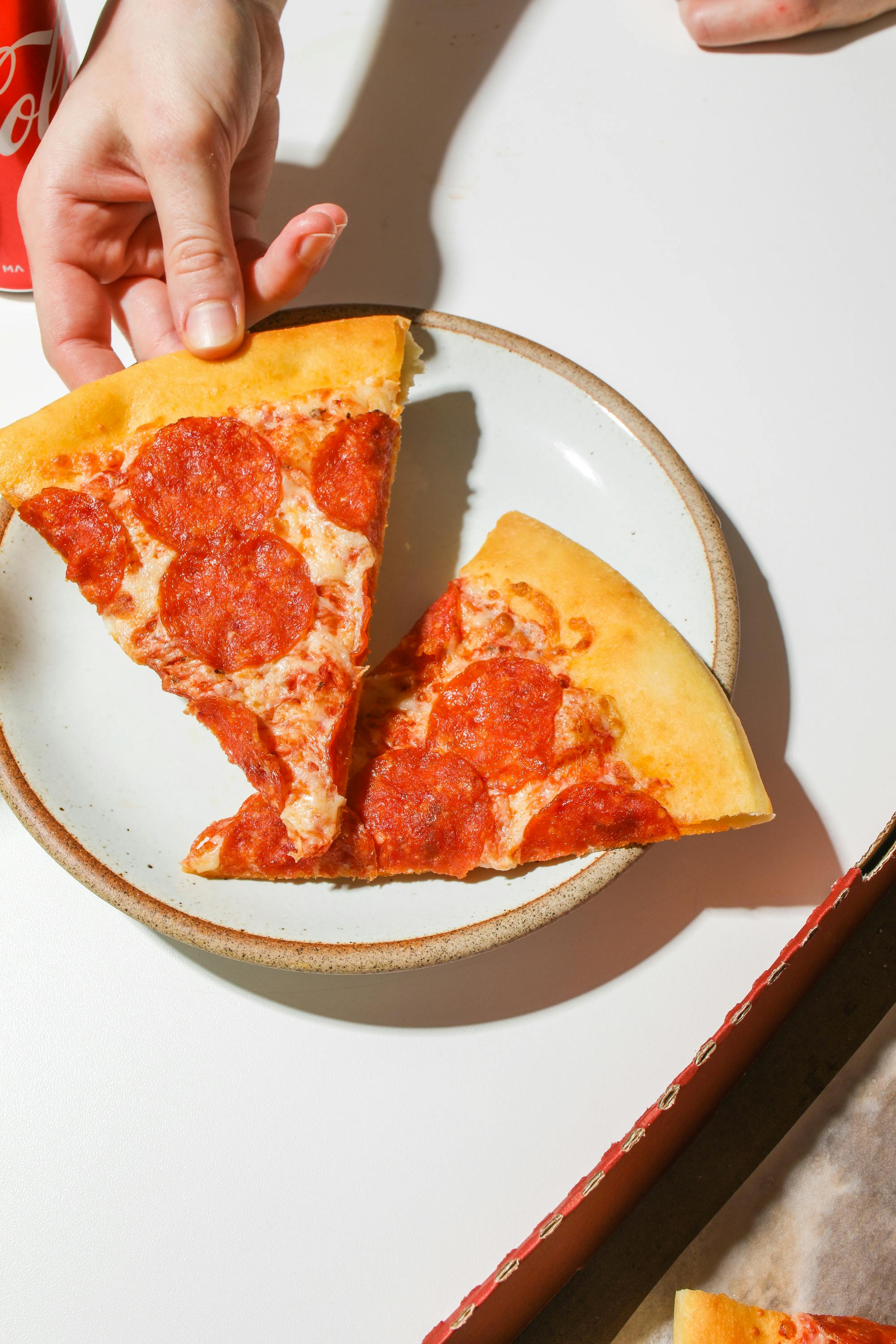
The public reaction was unusually intense for a frozen grocery item. Social media filled with farewell posts, freezer photos, jokes about stockpiling, and genuine frustration from people who felt a dependable part of family life had been taken away.
That response makes sense when viewed through the lens of food memory. Familiar brands often become tied to after-school meals, late-night snacks, movie nights, first apartments, and low-stress dinners during hectic workweeks, making them far more emotional than their packaging suggests.
Delissio also occupied a particular era of Canadian consumer life. For many millennials especially, it symbolized a time when a branded freezer meal still felt like an affordable little upgrade rather than a compromise shaped by shrinking budgets.
What Delissio's exit says about modern food culture
The disappearance of Delissio shows how strongly convenience foods can shape identity and memory. People do not mourn every discontinued product, but they do mourn brands that helped structure ordinary life in a reliable, affordable, and familiar way.
It also highlights the fragility of supermarket permanence. Even products that seem universal can vanish quickly when multinational owners change strategy, leaving consumers to realize that what felt like a permanent fixture was actually a business decision on borrowed time.
In the end, Canadians are still not over Delissio because they are not just missing frozen pizza. They are missing a dependable ritual, a specific era of grocery shopping, and a brand that understood exactly where it belonged in the national freezer.




Leave a Reply