
Coca-Cola's Freestyle machines are getting their most important refresh in years. The update is not just cosmetic. It signals how seriously Coca-Cola is responding to demand for faster service, more customization, and a more modern fountain experience.
Why this update matters now
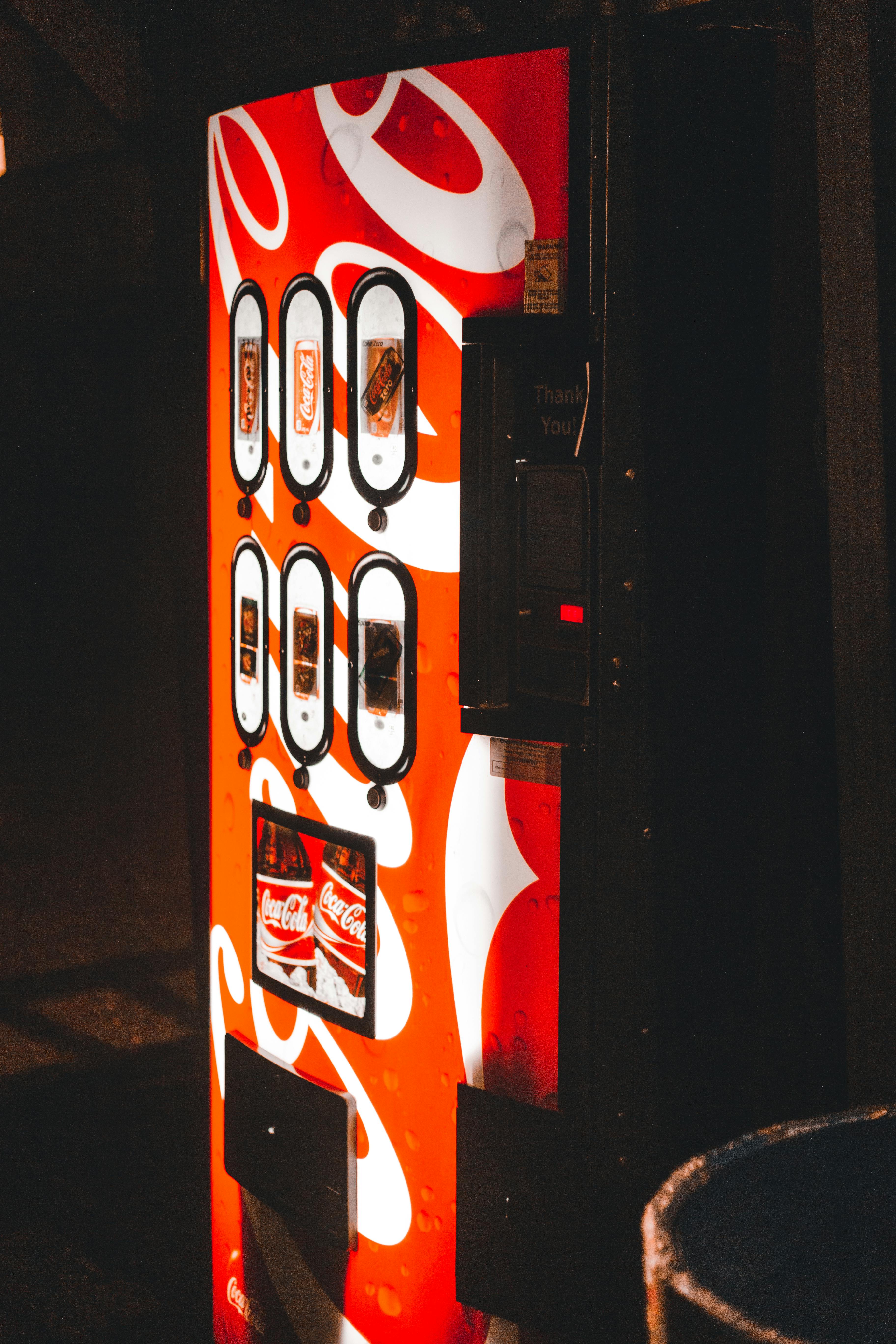
Freestyle changed the soda fountain business when it launched in 2009. Instead of a few fixed options, customers could choose from more than 100 drink combinations on a touchscreen, turning a basic refill station into an interactive product showcase.
That mattered for Coca-Cola, but it also mattered for restaurants, theaters, and travel venues. Freestyle gave operators a premium machine that could attract attention, encourage trial, and make beverage service feel more contemporary than a traditional dispenser.
Now the market is even more competitive. Better-for-you soda brands, novelty launches, and the rise of dirty soda have pushed large beverage companies to innovate faster. In that environment, a 15-year-old interface, even a successful one, was due for a meaningful overhaul.
The new Freestyle Equinox interface
The centerpiece of the update is Freestyle Equinox, a redesigned user interface that Coca-Cola describes as the biggest change to the platform since launch. The new system begins rolling out on June 23 across all Freestyle machines, making it a network-wide refresh rather than a limited pilot.
The goal is simple: help people find what they want faster while making the screen more visually engaging. Limited-edition drinks can be highlighted more clearly, and favorite beverage combinations should be easier to access without as much menu hunting.
This matters because speed is a customer benefit, not just a design preference. In busy dining rooms, long pauses at self-service dispensers create lines. A cleaner interface can reduce hesitation, improve throughput, and make the overall experience feel more polished and intuitive.
Smaller machines with bigger placement potential

Coca-Cola is also introducing Freestyle Mini machines to the U.S. market after launching them first in Europe. These compact units are designed for bars, cafés, and hotels where countertop space is limited and a full-size Freestyle machine may be impractical.
The smaller footprint expands where the system can go. A venue that once relied on a bar gun or a more basic fountain setup can now offer touchscreen customization without sacrificing too much space behind the counter or in service areas.
Freestyle Mini can hold up to 16 flavor cartridges, which gives operators meaningful variety in a tighter format. That balance is important. Restaurants increasingly want equipment that supports premium beverage programs while still fitting real-world layouts and labor constraints.
The mixology angle could be a major shift

Perhaps the most forward-looking change is Coca-Cola's partnership with Micro Matic. Together, they are introducing a non-alcoholic mixology dispenser that can be added to Freestyle machines, expanding the system beyond standard soda-and-flavor dispensing.
This add-on can layer syrup, dairy, and dairy alternatives directly into drinks. That opens the door to fountain-made beverages that feel closer to handcrafted café drinks or dirty soda-style creations than conventional fast-food fountain pours.
For consumers, that means more experimentation and more personalization at the point of service. For operators, it creates an opportunity to sell higher-margin specialty beverages without requiring the same labor, training, or prep space as a fully manual drink station.
What restaurants and customers gain
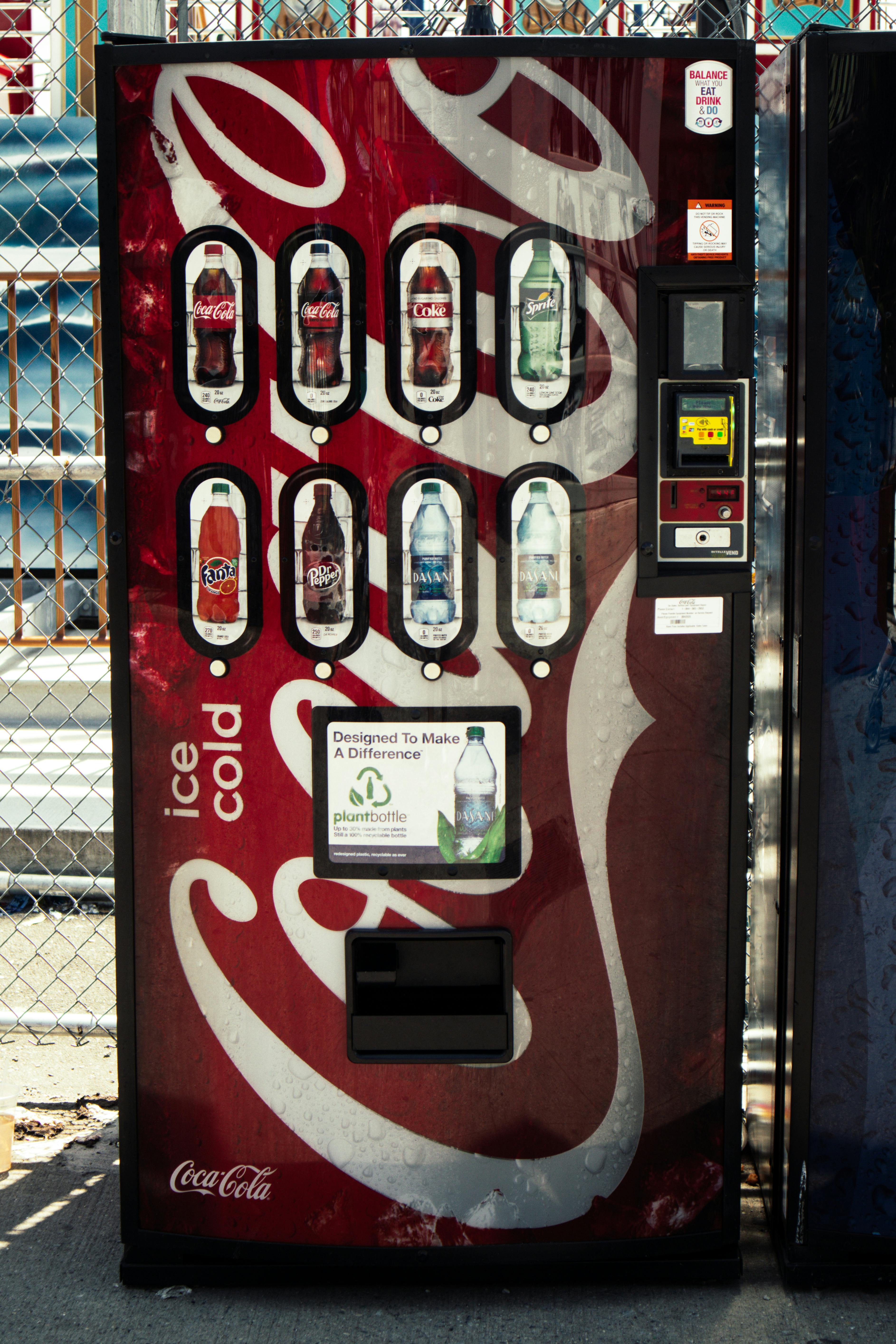
Coca-Cola's broader advantage with Freestyle has always been speed to market. According to the company, insights from the system can help bring a new soda flavor to Freestyle locations in as little as 90 days, far faster than the 18 months often associated with traditional beverage launches.
That agility helps explain why exclusive promotions work so well on Freestyle. Movie theaters, amusement parks, and cruise ships can offer themed drinks tied to entertainment releases or seasonal campaigns without waiting for a national bottled rollout.
Customers benefit from novelty and choice, while restaurants benefit from differentiation. A venue with exclusive or customizable beverages can stand out in a crowded market, encourage repeat visits, and turn the drink station into something closer to an experience than a utility.
Rollout plans and the bigger industry signal

Not every restaurant with Coca-Cola service will get the newest setup immediately. While the Equinox interface is set for broad deployment, the newer hardware formats and mixology capabilities will likely expand in stages based on venue type, equipment cycles, and operator demand.
That gradual rollout is typical for foodservice technology. Restaurants need time to evaluate cost, space, maintenance needs, and expected sales lift. Even so, Coca-Cola's direction is clear: beverage dispensers are becoming smarter, more flexible, and more central to the customer experience.
The larger takeaway is that self-service is evolving from convenience into customization. Consumers now expect digital interfaces, personalized options, and limited-time variety in categories that once felt standardized. Coca-Cola's Freestyle overhaul shows that the modern fountain is no longer just about pouring soda. It is about delivering choice at scale.

Leave a Reply