
Dollarama built its reputation on cheap basics and quick, convenient shopping. But as the chain has grown and prices have shifted, many Canadians say the store feels less like a true dollar store and more like a regular discount retailer with a different name.
Prices that go well beyond a dollar
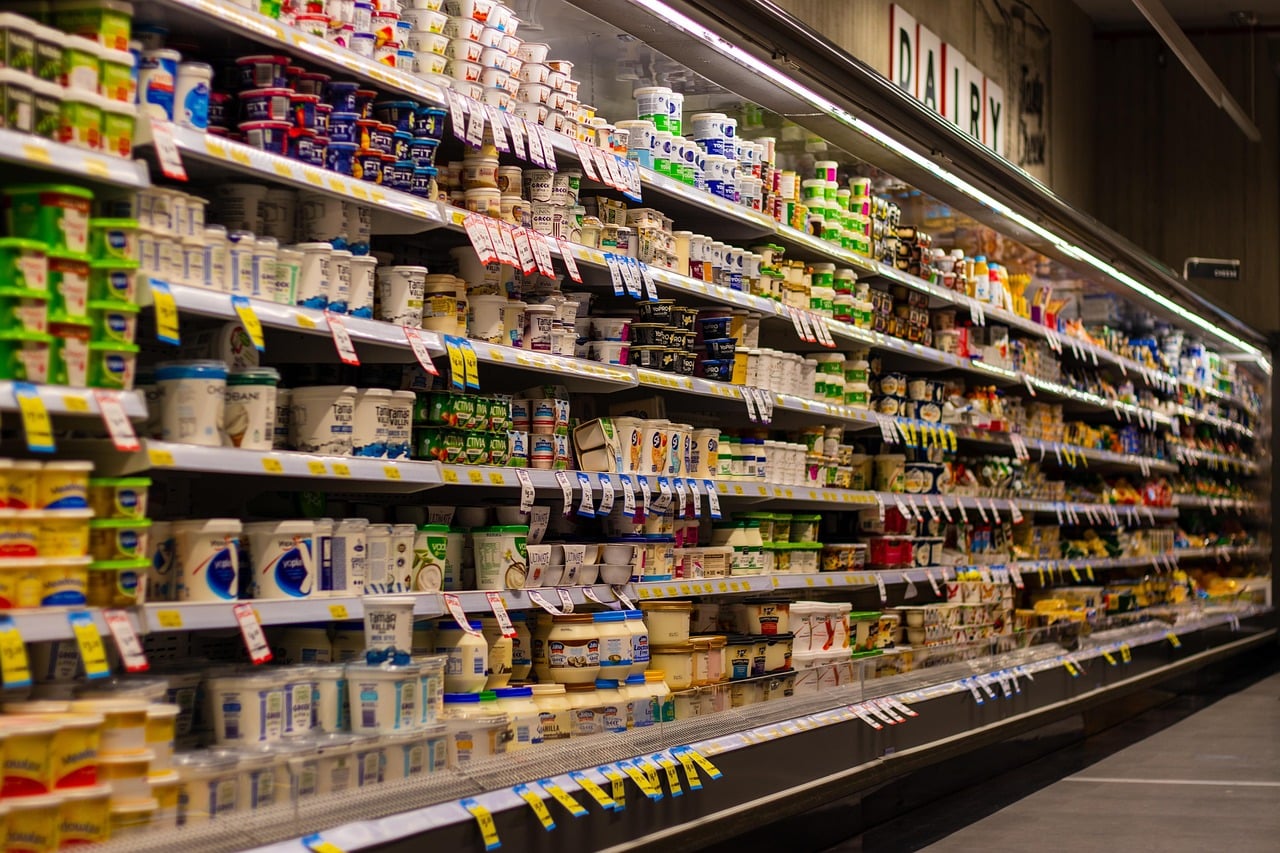
The biggest change is the one shoppers see first: many items now cost far more than $1. Dollarama has gradually raised its top price point over the years, moving from the old single price idea to a broad range that now reaches up to $5.
That shift is not a rumor or a social media exaggeration. Dollarama has openly described itself as a value retailer with multiple fixed price points, not a one dollar store. For longtime customers, though, the psychological change matters. A place once associated with spare change purchases now asks shoppers to compare a $4 or $5 item against what they could get at Walmart, Giant Tiger, or a grocery store sale.
Smaller quantities can erase the bargain
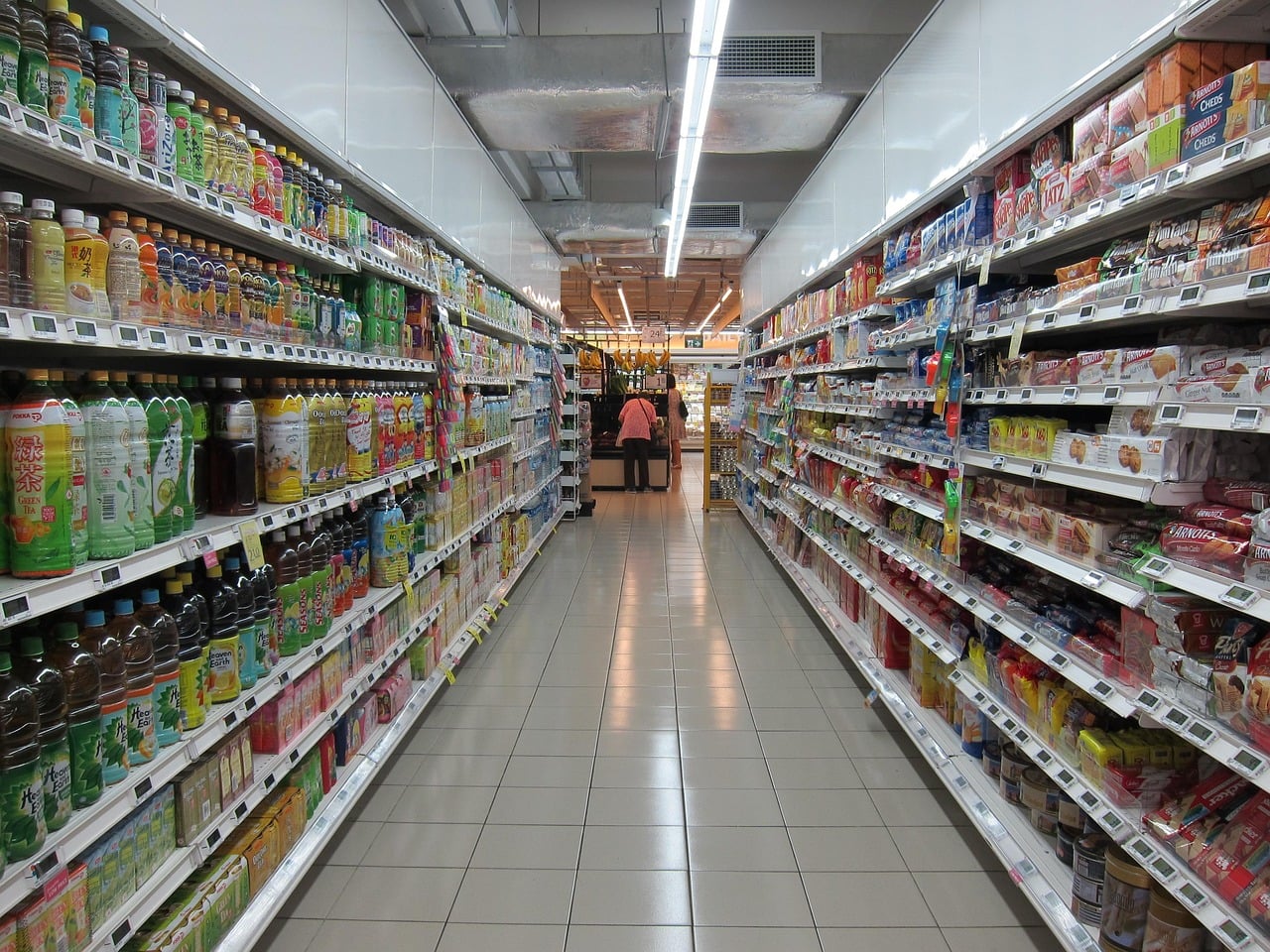
A low shelf price still grabs attention, but quantity matters just as much as the sticker. Many Dollarama products are sold in smaller package sizes, which can make them feel affordable while delivering less value per use.
This shows up most clearly in pantry goods, cleaning products, and household basics. A snack pack, a bottle of detergent, or a roll count of storage bags may cost less upfront than a larger version elsewhere, but the unit price can be worse. Consumer advocates have long warned that discount shopping only works when buyers compare size, count, and quality, not just the number on the tag. That is one reason some Canadians say the store no longer feels like the automatic bargain it once did.
More imported goods, more quality complaints

Dollarama's shelves are packed with general merchandise sourced from around the world, and that helps the chain keep prices low. But it also feeds one of the most common customer complaints: some items simply do not last very long.
This criticism tends to come up around kitchen tools, storage products, toys, seasonal decor, and electronics accessories. When an item breaks quickly, even a low price can feel wasteful. Dollarama's business model depends on offering low cost goods across many categories, but shoppers who remember sturdier basics from years past often say the tradeoff is more obvious now. Paying less only feels like a win when the product does the job for a reasonable amount of time.
Return rules can make bad buys sting more

A disappointing product is easier to accept when returns are simple. At Dollarama, the policy is stricter than what many Canadians are used to at larger retailers. The company says items can be exchanged with a receipt, but it does not offer cash refunds.
That matters because discount retail often involves impulse buying. Shoppers toss a charger, container, craft supply, or pantry item into the basket because the risk seems low. If the product disappoints, an exchange only helps if there is something else worth taking instead. For customers who compare policies across chains, that can make Dollarama feel less flexible and less customer friendly than competitors with more generous refund options.
The treasure hunt feel has changed
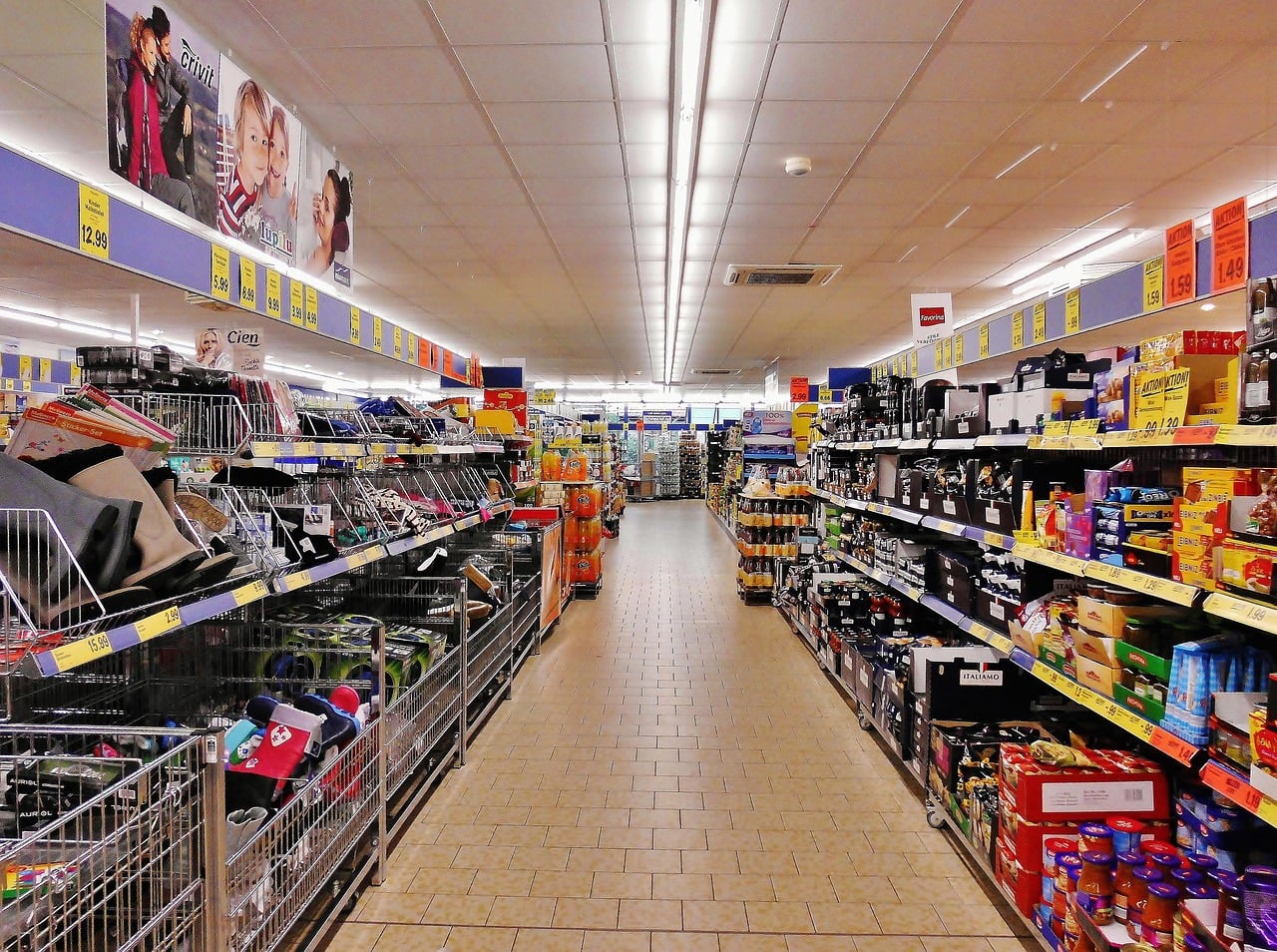
Part of Dollarama's appeal used to be the sense that shoppers might stumble on an unexpectedly great deal. That feeling still exists, but some customers say the balance has shifted as the chain has expanded its private label goods, seasonal programs, and higher priced items.
In practical terms, the store can feel more curated and more predictable than it once did. There are still useful basics, party supplies, school items, and convenience purchases, but fewer finds that seem shockingly underpriced. For many Canadians, that is the real heart of the complaint. Dollarama still serves a purpose, but the thrill of getting a standout bargain does not feel as strong as it used to.




Leave a Reply