
For decades, Loblaws and its related banners were a routine part of Canadian grocery shopping. Lately, though, rising prices, public backlash, and a series of controversies have changed how many people see the company.
Higher grocery bills

For many shoppers, the break with Loblaws starts at the checkout. Loblaw Companies Ltd. reported retail sales of $14.14 billion in the first quarter of 2024, up from $13.58 billion a year earlier, while food retail same-store sales rose 3.4 percent. Those figures do not prove prices alone drove the increase, but they landed during a period when Canadians were already frustrated by expensive groceries.
That frustration has been especially sharp because food inflation became a daily reality, not an abstract statistic. In 2023, Loblaw and parent company leaders were repeatedly called before parliamentary committees studying food prices. The company said it was working to hold down costs and pointed to global pressures, but many customers felt the largest grocery chains were still benefiting while households cut back.
The bread price-fixing scandal
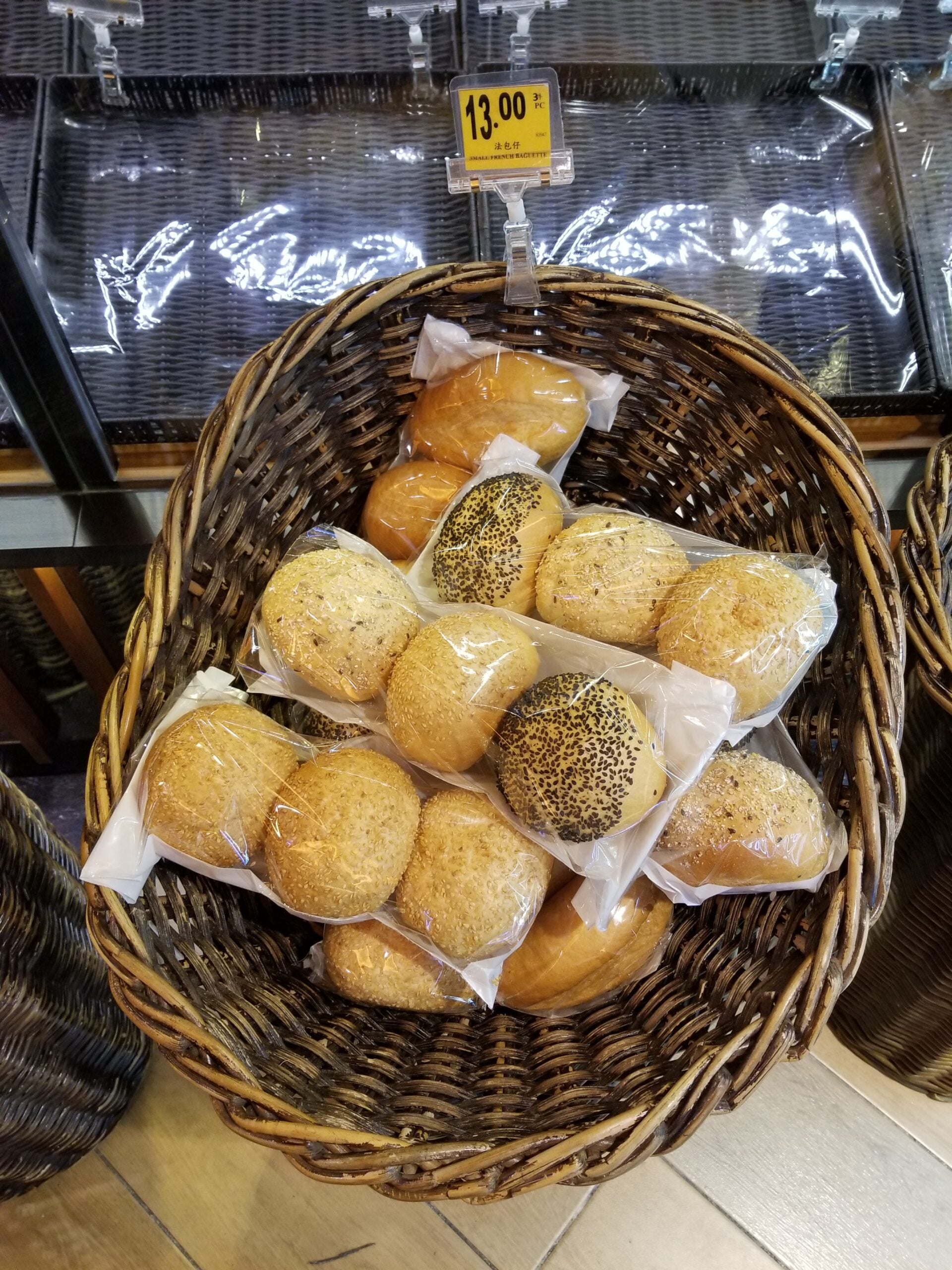
Nothing damaged trust quite like the bread case. In 2017, Loblaw and George Weston Limited disclosed their participation in an industry-wide arrangement involving the price of packaged bread. Loblaw said the conduct lasted about 14 years and offered a $25 gift card program to eligible customers as part of its response.
Even for shoppers who appreciated the public admission, the scandal left a long memory. Bread is a basic staple, and the idea that its price had been manipulated hit a nerve. The Competition Bureau's investigation and the company's own statements kept the issue in the public eye, and for many Canadians, this was the moment Loblaws stopped feeling like a dependable household name.
The 2024 boycott
A customer complaint becomes a different story when it turns into organized action. In May 2024, a month-long boycott targeting Loblaw and its banners drew national attention, with thousands of Canadians joining online communities devoted to skipping the chain. The protest was centered on affordability concerns and a belief that major grocers had become too powerful.
Loblaw responded by saying it respected customers' right to choose where they shop and argued that its margins in food retail were modest. Still, the boycott mattered because it gave scattered frustration a single focus. Even people who did not participate saw the anger, and the public conversation helped turn dissatisfaction into a broader reputational problem for the brand.
Fee fights with suppliers
Shoppers do not usually see the relationship between grocers and suppliers, but it can shape what ends up on the shelf and at what price. In recent years, Loblaw faced criticism over supplier fees and tough negotiations, particularly as manufacturers pushed back on charges linked to distribution and shelf placement. Industry groups warned that these disputes could strain the food supply chain.
This issue matters because it feeds a wider perception that Canada's grocery market is dominated by a few powerful players. When suppliers and grocers clash, shoppers often assume the cost will eventually reach them. Loblaws has said it works to keep prices competitive and improve efficiency, but the recurring disputes have added to the sense that the company has too much leverage.
Pharmacy and health care criticism

Loblaws is not only a grocer. Through Shoppers Drug Mart, it also plays a major role in pharmacy and health services, which has drawn another layer of scrutiny. In 2024, a House of Commons committee examined the use of MedsCheck billing in Ontario after reporting from The Toronto Star raised questions about how often the medication review program was being used.
That matters for trust because customers often see pharmacies differently from supermarkets. People may accept hard-nosed competition in retail, but they expect something more careful in health care. Shoppers Drug Mart has said it follows provincial rules and that medication reviews support patient care, yet the attention around billing practices added to a broader sense of skepticism toward the parent company.
A sense that the brand changed

Sometimes loyalty fades through one big event, and sometimes it erodes bit by bit. For Loblaws, the strongest case may be cumulative: high prices, the bread scandal, the boycott, supplier disputes, and pharmacy criticism all stacked on top of each other. None of those concerns exists in isolation for shoppers deciding where to spend a weekly grocery budget.
That is why the debate around Loblaws now feels larger than one store flyer or one quarter's earnings. The company is still financially strong and still serves millions of Canadians across banners such as Loblaws, No Frills, Real Canadian Superstore, and Shoppers Drug Mart. But for many former loyalists, the old sense of trust has become much harder to recover.



Leave a Reply