
Food prices are already straining Canadian households. That is exactly why costly "better-for-you" foods deserve a harder look before they land in the cart.
Gluten-free packaged foods for people without celiac disease

The gluten-free label has become a health halo, but for most people it is not a nutritional upgrade. Nutritionists consistently note that unless someone has celiac disease, a diagnosed wheat allergy, or true gluten sensitivity, avoiding gluten does not automatically improve health.
Many gluten-free breads, crackers, and cereals sold in Canada are made with refined rice flour, tapioca starch, or potato starch. Those ingredients can make products lower in fibre and protein than regular whole-grain versions. In some cases, they also contain more sodium, sugar, or added gums to improve taste and texture.
That means shoppers often pay a premium for a product that is not healthier and may be less satisfying. Registered dietitians regularly point out that whole oats, brown rice, and whole-wheat foods offer strong nutrition at a lower price for people who tolerate gluten normally.
Organic snack foods that are still snack foods

Organic branding often gets mistaken for a guarantee of superior nutrition. In reality, an organic cookie, chip, or granola bar is still a cookie, chip, or granola bar, even if the ingredient list sounds cleaner or more natural.
According to nutrition experts, organic farming may matter to some shoppers for environmental or pesticide reasons, but that is different from claiming better nutrition. Reviews comparing organic and conventional foods generally find small or inconsistent nutrient differences, especially in heavily processed snack products.
Canadian shoppers can end up paying several dollars more for organic packaged treats that deliver the same calories, similar sugar, and comparable sodium. If the goal is better health, dietitians say money is usually better spent on more fruits, vegetables, beans, and plain yogurt instead.
Detox juices and cleanses marketed as nutritional resets

The promise is simple and seductive: drink a cold-pressed juice and "reset" your body. But nutritionists are clear that the liver and kidneys already handle detoxification, and expensive juice programs do not give those organs special powers.
Many bottled juices sold as wellness products strip out much of the fibre found in whole fruits and vegetables. Without that fibre, the drink may be less filling and easier to consume quickly, while still delivering a concentrated load of natural sugars.
Some Canadian cleanse packages cost as much as a week of groceries for one person. Experts say the same money could buy whole produce, lentils, eggs, and frozen vegetables that support steady nutrition without the hype, the hunger, or the sharp blood sugar swings.
Alkaline water and enhanced waters with vague health claims
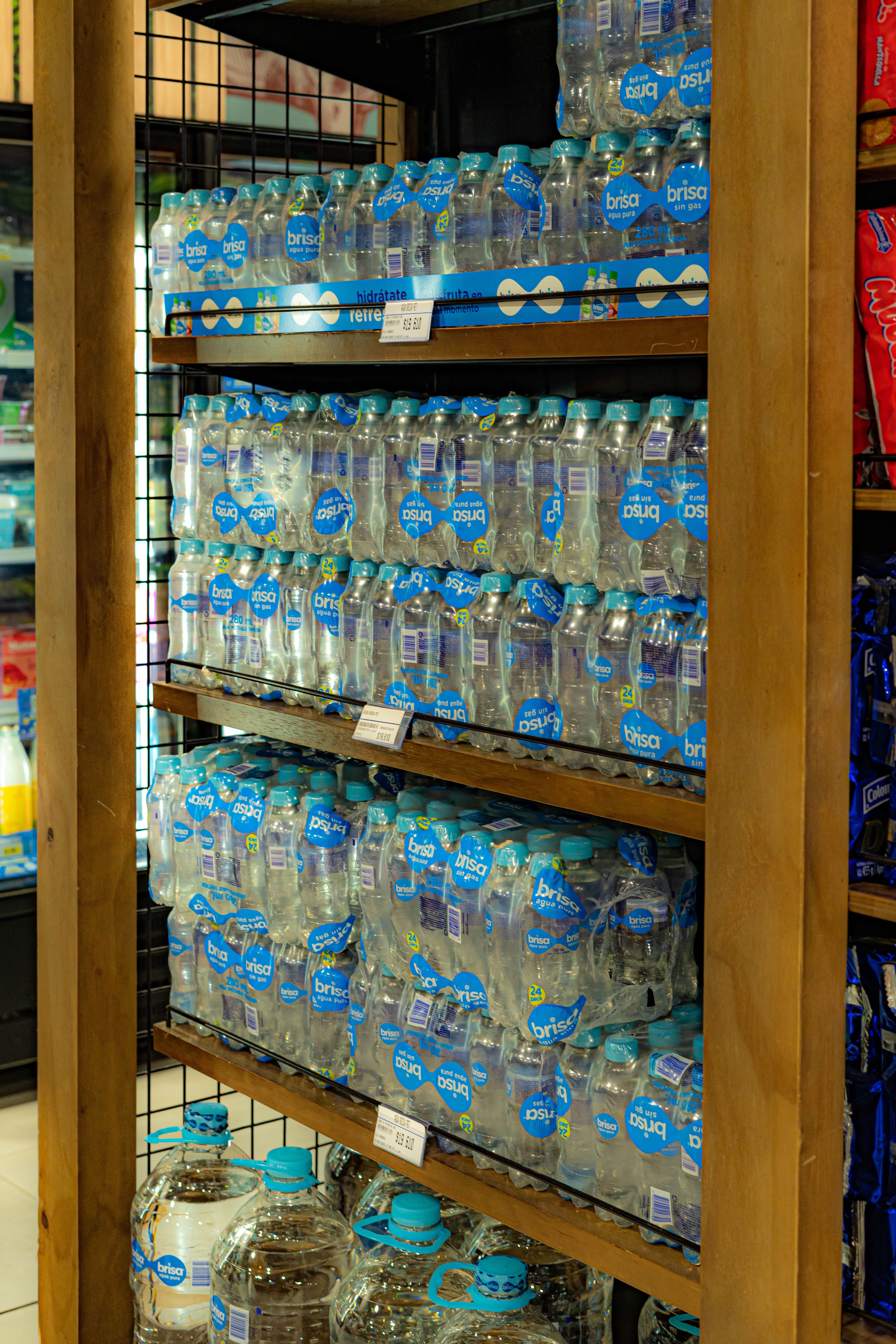
Few products sell ordinary hydration at luxury prices as effectively as alkaline water. The marketing often suggests improved pH balance, better detoxification, or superior hydration, yet nutrition researchers say healthy bodies already regulate pH very tightly.
For most people, there is no good evidence that alkaline water offers meaningful benefits over safe tap water or standard bottled water. Some enhanced waters also add tiny amounts of vitamins or minerals, but usually not enough to transform anyone's diet.
In Canada, that markup can be significant, especially for households buying cases every week. If someone needs electrolytes after intense exercise or illness, specific sports drinks may have a role, but everyday hydration does not require premium water with a wellness story attached.
Plant-based "superfood" powders with exaggerated nutrient promises

The word superfood is a marketing triumph because it sounds scientific without meaning much nutritionally. Powders made from greens, algae, berries, or exotic roots are often promoted as shortcuts to better immunity, energy, and overall wellness.
Dietitians tend to be skeptical because these products are expensive and often unnecessary for people eating a balanced diet. A scoop may contain some vitamins or antioxidants, but it does not replace the fibre, fullness, and broad nutritional value of actual vegetables, fruit, legumes, and grains.
There is also a dosage problem. Labels can make modest nutrient amounts feel dramatic, while the price per serving remains high. For many Canadians, buying spinach, carrots, apples, and beans will stretch further and provide more proven benefits than a trendy powder stirred into water.
Fancy salts, raw sugars, and other "natural" pantry upgrades

A pink salt grinder or raw cane sugar bag can make a pantry feel healthier, but nutritionists say these swaps are often more cosmetic than meaningful. Himalayan pink salt, sea salt, and table salt all contribute sodium, which is the main health concern for most consumers.
Likewise, raw sugar, coconut sugar, and similar sweeteners are still sugars. They may contain trace minerals, but not in amounts large enough to offset their impact on overall sugar intake. From a health standpoint, using less matters more than paying extra for a prettier version.
This is where packaging and language do a lot of the work. Words like natural, mineral-rich, and unrefined can justify a higher shelf price without creating a measurable advantage. In many kitchens, the cheaper basic option performs the same job just as well.




Leave a Reply