
Sticker shock is back at the checkout. And for many Canadians, the anger is no longer just about prices, but about how relentless the increases have become.
Why Canadians are bracing for another painful year
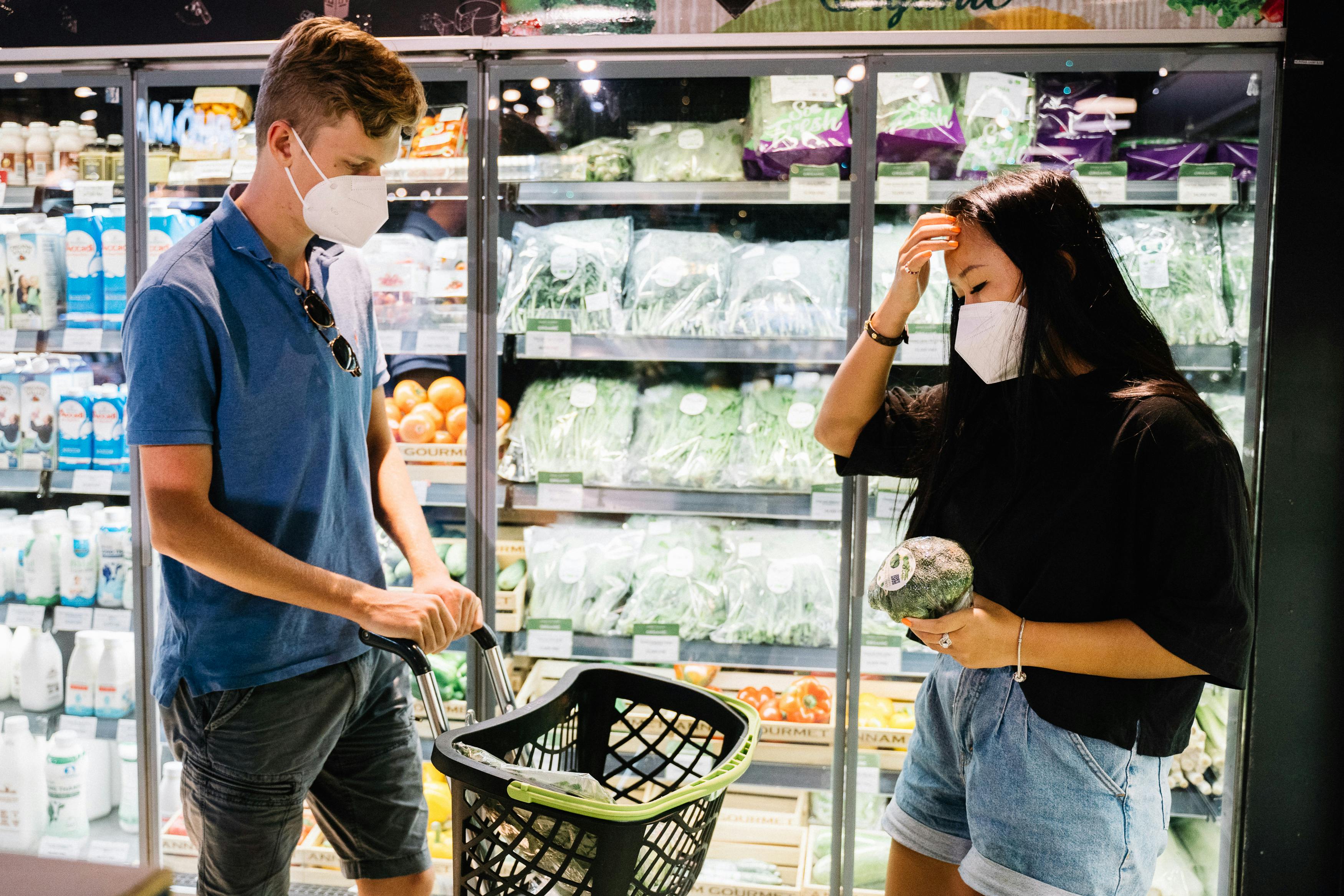
The frustration is easy to understand. After years of elevated grocery inflation, many households expected some relief, yet forecasts for 2026 suggest another meaningful increase in food prices. That means families already cutting back on restaurant meals, snacks, and brand-name staples may have even less room in their budgets.
Food price projections from major Canadian researchers have pointed to continued increases across key categories, even if the pace is not as extreme as the spikes seen earlier in the inflation cycle. A smaller increase still hurts when it lands on top of several years of cumulative gains. For shoppers, that distinction feels academic once they reach the till.
Public anger is also being shaped by fatigue. Wage growth has not fully restored purchasing power for everyone, especially renters, seniors on fixed incomes, and lower-income workers. When essentials such as bread, meat, produce, and dairy keep rising, the sense of being trapped becomes harder to ignore.
What is actually pushing food prices higher
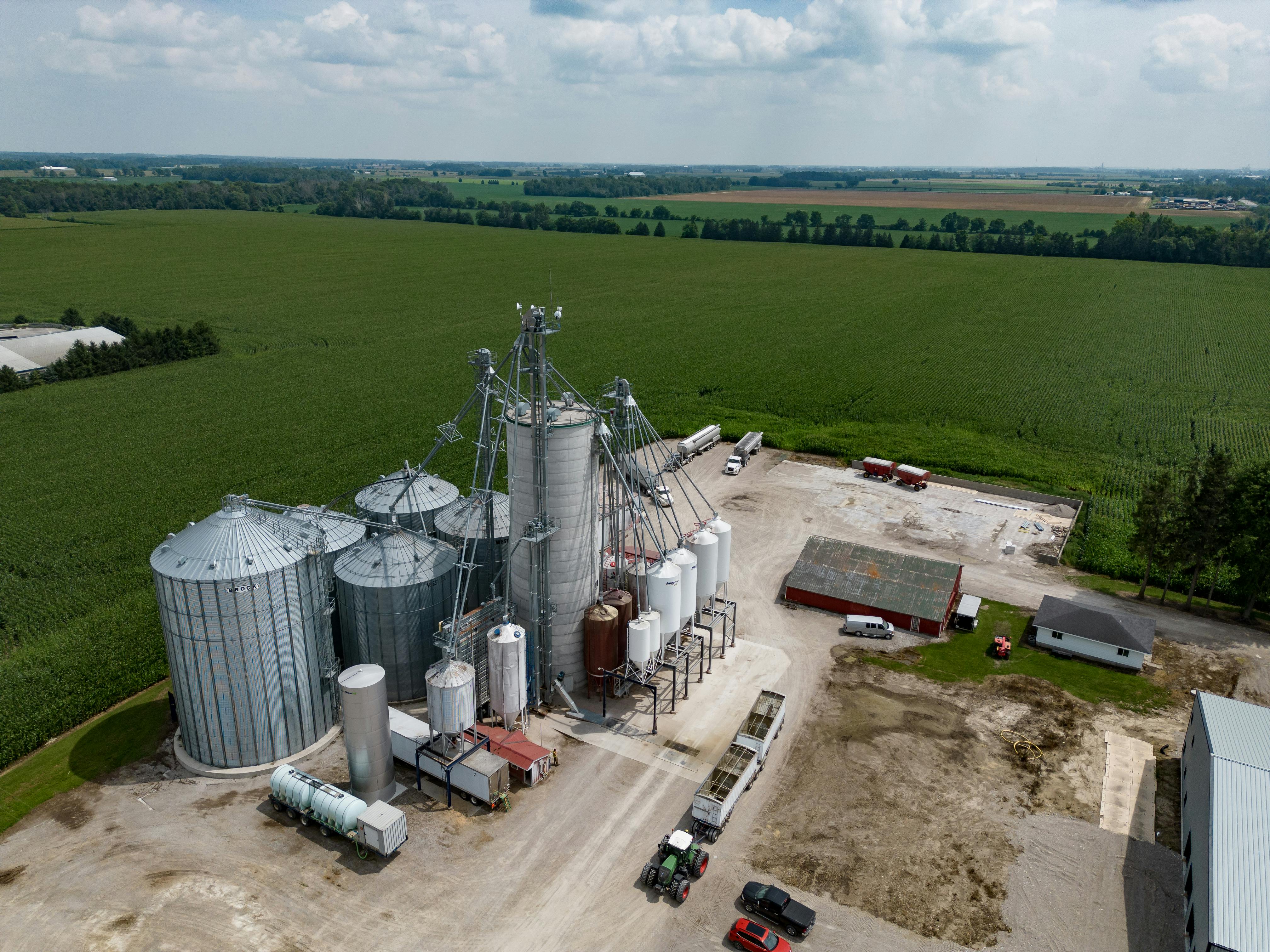
One major driver is the cost of producing food itself. Farmers continue to face high prices for fertilizer, animal feed, fuel, machinery, and borrowing. Even when some input costs cool, others remain stubborn, and producers cannot absorb those pressures indefinitely without passing part of the burden through the supply chain.
Climate volatility is another force that is impossible to overlook. Drought, flooding, heat waves, and wildfire smoke have disrupted harvests in Canada and abroad, shrinking supplies and affecting quality. Fresh vegetables, fruit, grains, and livestock feed are particularly vulnerable when weather conditions become less predictable and more severe.
There is also the matter of transportation and distribution. Food has to move across vast distances in Canada, and trucking, refrigeration, warehousing, and labor all add to final shelf prices. If fuel rises, roads are disrupted, or labor shortages intensify, the grocery bill reflects it quickly.
Which foods could see the biggest increases
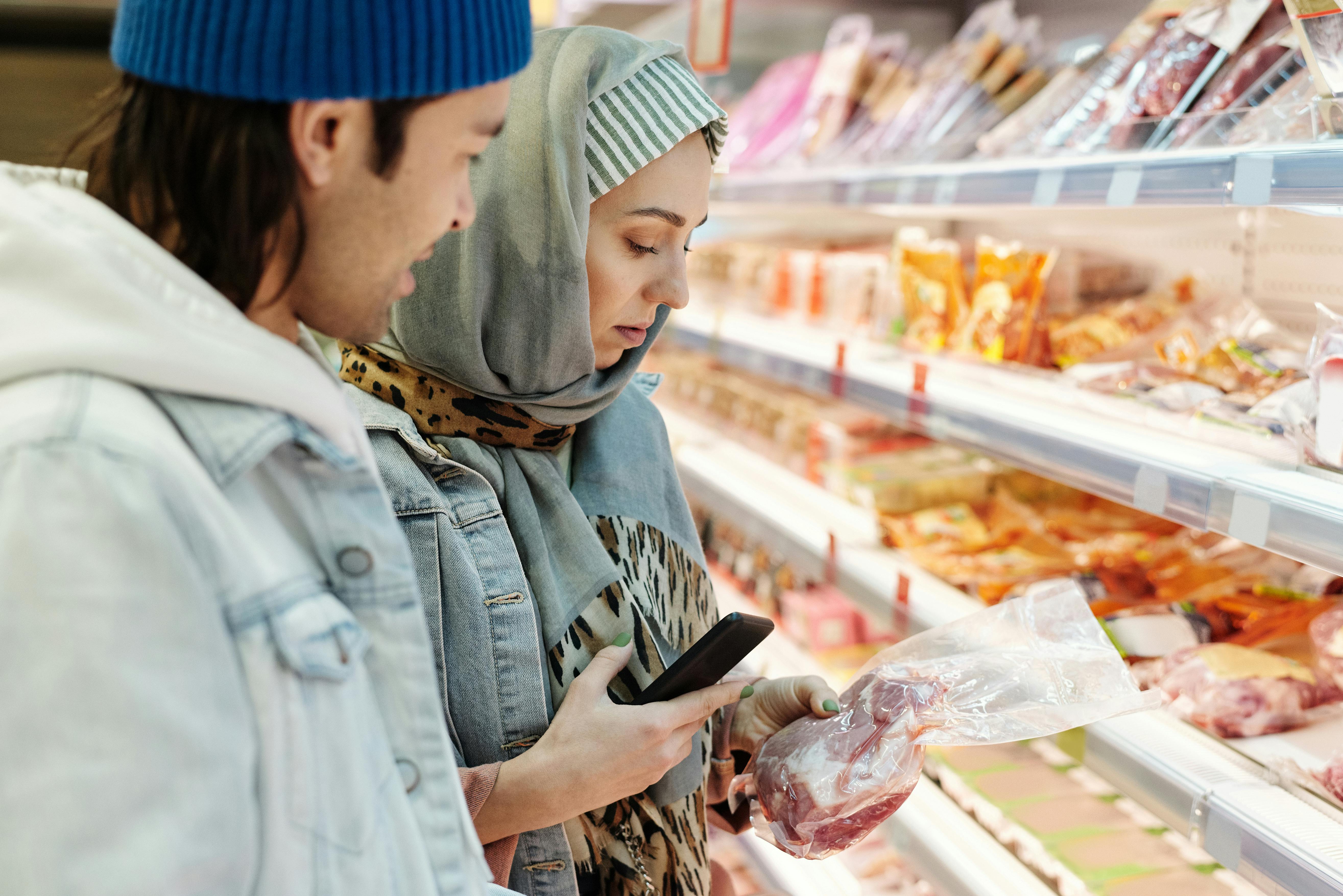
Protein is likely to remain a pressure point. Beef prices have been affected by herd reductions in North America, while poultry and pork still depend heavily on feed, transport, and processing costs. Seafood can also become more expensive when fuel, quotas, or import conditions shift against buyers.
Produce is another category that can swing sharply. Canadians rely heavily on imported fruits and vegetables during much of the year, so exchange rates, weather events in exporting countries, and border logistics matter a great deal. A weaker Canadian dollar can make basics such as berries, lettuce, peppers, and citrus noticeably pricier.
Processed and packaged foods may also keep climbing, sometimes in less obvious ways. These products bundle together ingredient costs, packaging, energy, transportation, and marketing. Even if a raw commodity price steadies, the finished product can still rise because every layer of the chain has become more expensive.
Why many shoppers feel the system is failing them
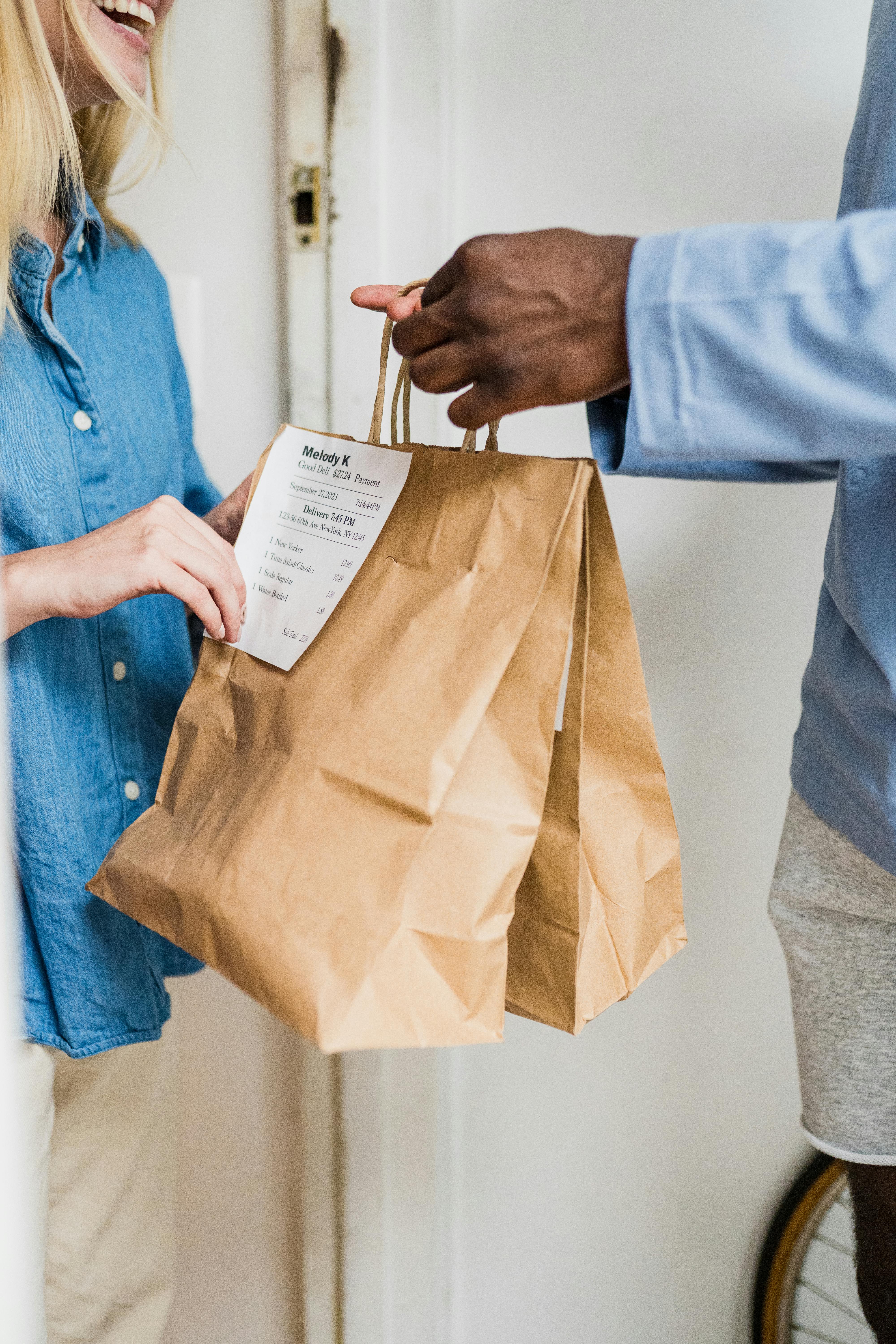
Consumers are not just upset about inflation itself. They are upset because grocery shopping now feels like an exercise in compromise, where even careful planning does not deliver the savings it once did. People compare receipts, switch stores, buy less meat, and chase weekly promotions, yet many still leave paying far more than they expected.
That frustration has intensified scrutiny of major grocers and food manufacturers. Critics argue that dominant players have too much power over pricing, promotions, and shelf space, while shoppers struggle to tell whether increases reflect genuine cost pressures or stronger margins. Trust erodes quickly when transparency is limited and prices change unevenly.
Shrinkflation adds another layer of resentment. A box, bag, or package may look familiar while containing less product, creating the impression that consumers are being hit twice. Even when companies cite higher costs, shoppers often experience the change as stealth inflation rather than honest pricing.
How families are adjusting their buying habits

Canadian households are already changing what they buy and how they shop. Discount banners, private-label goods, frozen produce, dried beans, and larger batch cooking have become more common strategies. Many families are planning meals more tightly, reducing food waste, and treating sale cycles almost like a second job.
Some are also trading down within categories rather than cutting them out entirely. Beef becomes chicken, chicken becomes eggs or legumes, and fresh berries become frozen alternatives. These substitutions help, but they also show how rising prices can gradually narrow choice and reduce the quality or variety people feel able to afford.
Food insecurity is the most serious consequence. Food bank use has remained elevated across the country, and community agencies continue to report pressure from working households, not just the unemployed. When people with jobs still cannot consistently cover groceries, it signals a problem deeper than temporary inflation.
What 2026 could mean for households and policymakers

If food prices rise again in 2026, the impact will extend beyond the supermarket. Higher grocery bills leave less money for rent, utilities, child care, transportation, and debt payments. For many families, the food budget is one of the few flexible areas left, which means nutrition often becomes the sacrifice.
Policymakers will likely face louder demands for action. That could include stronger competition oversight, support for domestic food production, targeted affordability measures, and investment in supply chain resilience. None of those fixes will produce instant relief, but public pressure tends to build quickly when essentials remain under strain.
The deeper issue is confidence. Canadians want to believe the basic act of feeding a family will not become steadily more punishing year after year. If 2026 brings another broad increase, anger will not come only from higher receipts. It will come from the feeling that an essential part of everyday life has become permanently unstable.


Leave a Reply