
A lot of cross-border shoppers assume meat and dairy are either banned or tightly restricted in every case. In reality, Canada allows far more than most people expect, provided the products meet federal import rules.
The little-known allowance is real

One of the biggest surprises for Canadian travellers is that personal food import limits from the United States can be fairly generous. Under rules administered by the Canadian Food Inspection Agency, travellers can usually bring back up to 20kg of certain fresh, frozen, cooked, cured, or dried meat products for personal use.
The same broad threshold applies to many dairy products, including milk, with a limit of up to 20 litres per person in many circumstances. That sounds high because most leisure travellers are not thinking in commercial quantities when they stop at a U.S. grocery store or warehouse club.
The reason this catches people off guard is simple. Border conversations often focus on alcohol, tobacco, and duty-free exemptions, while food import rules receive far less attention. As a result, many Canadians leave bargains behind or assume officers will automatically seize common groceries.
The numbers matter, but so do the conditions
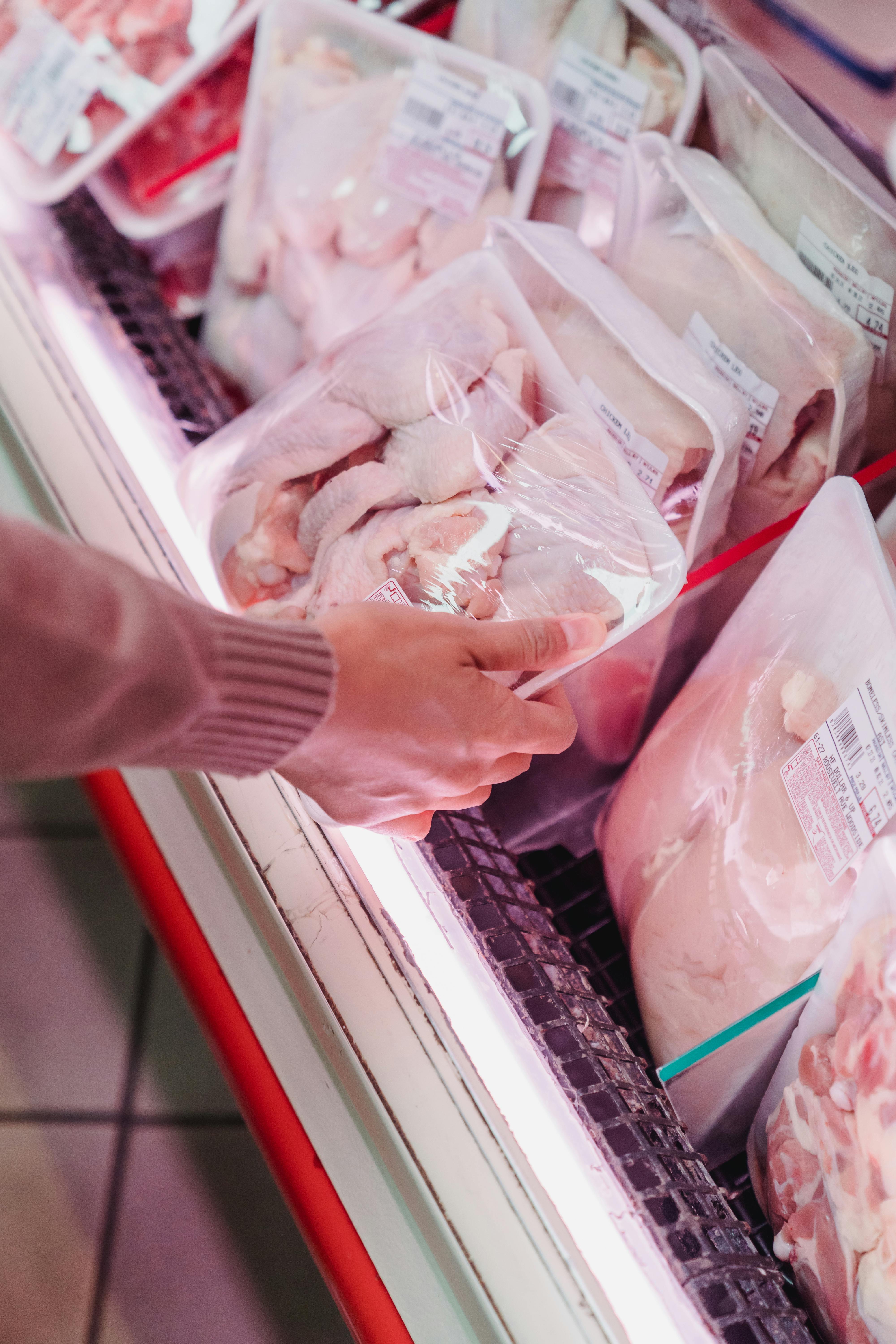
The headline limit is only part of the story. The products must be for personal use, not resale, and they generally need to come from the United States with proper packaging or clear identification showing what they are and where they were produced.
Meat and milk imports can also be affected by animal disease controls or temporary restrictions. If there is an outbreak involving livestock in a particular region or product category, rules can change quickly. That is why travellers who rely only on old advice from friends can get caught out.
Inspection officers look at more than quantity. They may check whether the product appears homemade, whether labels are missing, whether the packaging has been opened, and whether the item fits current import guidance. In practice, a sealed retail package creates far fewer questions than an unmarked cooler bag.
Why Canada allows these amounts
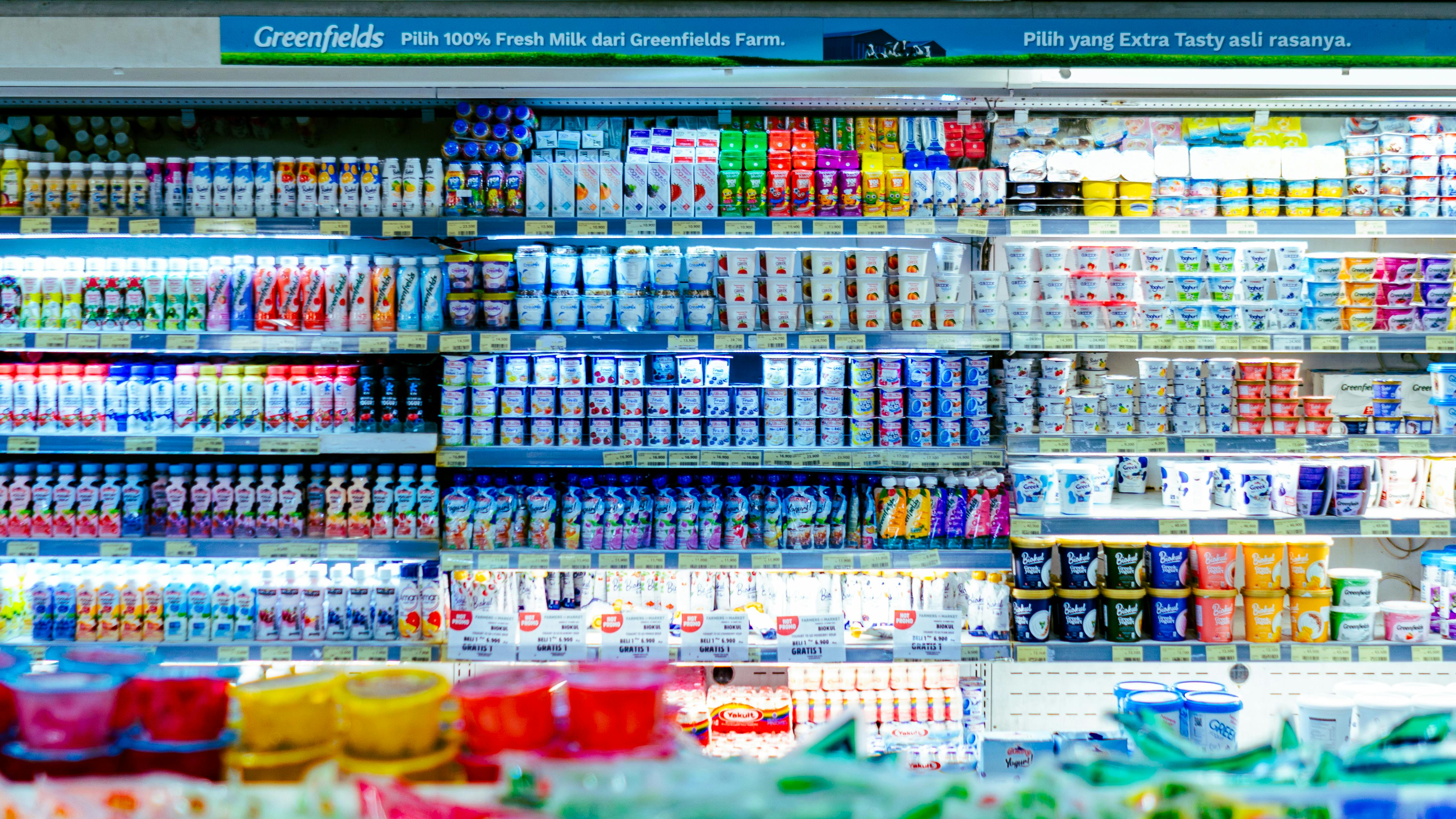
At first glance, 20kg of meat and 20 litres of milk may seem unusually generous. But the policy reflects a balance between consumer convenience, practical enforcement, and animal health controls. Canada is not trying to stop ordinary grocery purchases. It is trying to manage biosecurity risk.
That distinction matters. Food products from approved U.S. supply chains are generally easier to assess because North American inspection systems are closely integrated. According to Canadian government guidance, many commercially prepared foods are considered lower risk when they are properly labelled and originate in acceptable jurisdictions.
This is also why the same flexibility does not always apply equally to every country. Rules differ depending on disease status, processing standards, and traceability. What a traveller can bring from the U.S. may be very different from what is allowed from another destination, even if the item looks identical on the shelf.
What travellers most often get wrong

The most common mistake is failing to declare food at all. Some people worry that declaring meat or milk will automatically trigger confiscation, but the opposite is usually true. Not declaring an allowed product can lead to penalties, while honestly declared items are simply assessed under the rules in effect that day.
Another frequent misunderstanding involves total quantity. Travellers sometimes assume the 20kg and 20-litre figures apply per vehicle or per family, when limits may be assessed per person depending on the product and circumstance. That matters during group trips, especially after bulk shopping runs.
People also confuse customs duty rules with food admissibility rules. Even if an item fits within your personal exemption for taxes and duties, it still must satisfy food import requirements. In other words, a product can be tax-free and still not admissible if it lacks proper origin, labelling, or disease-clear status.
Smart ways to cross with groceries
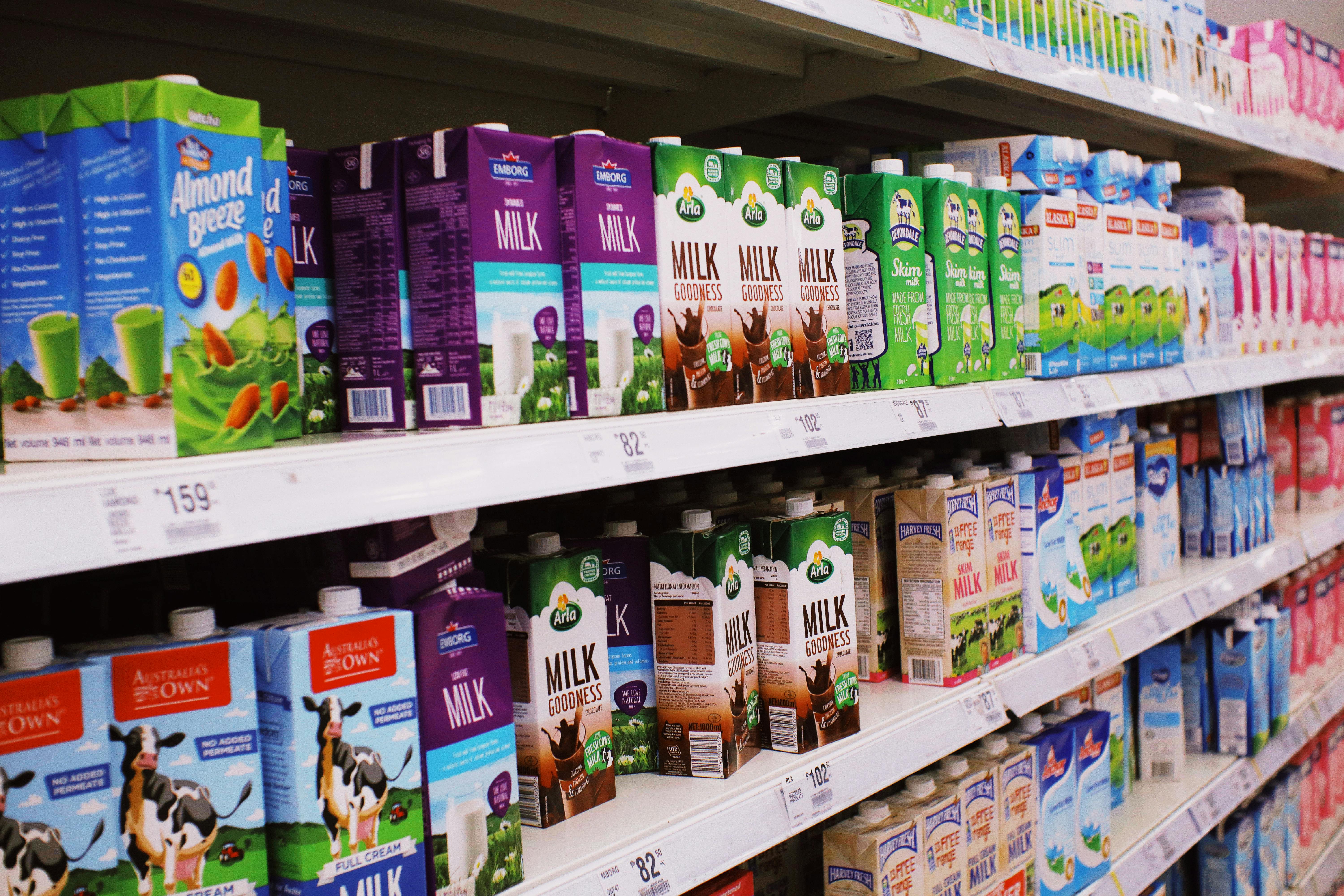
A practical approach begins before leaving the store. Keep meat and dairy in original packaging, save receipts, and avoid repacking products into unmarked containers. If an officer asks what you bought, being able to show labels quickly makes the process smoother and reduces uncertainty.
It also helps to separate groceries in your vehicle. When food is mixed with personal items, officers may need more time to sort and inspect everything. A dedicated cooler with clearly packaged items is easier to review than several shopping bags stuffed into a trunk.
Before returning, check current federal guidance because border food rules can shift with outbreaks or seasonal controls. Travellers who do this tend to have the fewest problems. The allowance is useful, but it works best for people who treat it as a regulated privilege rather than an unwritten shopping loophole.
The bottom line for Canadian shoppers
For households near the border, this rule can make a real difference. Bulk meat purchases, specialty dairy items, and price-driven U.S. grocery trips can all be worthwhile when travellers know the limits and follow the conditions attached to them.
The main takeaway is straightforward. Yes, Canadians can often bring back up to 20kg of meat and 20 litres of milk from the United States for personal use, but those products must still be admissible under Canadian inspection rules and must always be declared.
That combination of flexibility and oversight is exactly why the policy is widely misunderstood. The limit exists, it is useful, and it is more generous than many people realize. But like most border rules, the benefit goes to travellers who prepare properly and answer clearly at the port of entry.




Leave a Reply