
Spicy food lovers know the bargain well. The thrill on the tongue can come with a price much farther down.
Why spicy food is a problem for so many people

Heat is only half the story when it comes to chili peppers. The real trouble for millions begins after the meal, when capsaicin, the compound that makes peppers hot, irritates the digestive tract and can trigger cramping, reflux, nausea, or urgent trips to the bathroom.
This reaction is especially common in people with acid reflux, irritable bowel syndrome, sensitive stomachs, or existing gut inflammation. Doctors have long noted that spicy food does not harm everyone equally, which is why one person can eat habaneros comfortably while another struggles after a mild curry.
The issue is not always damage in the classic sense. Often, capsaicin activates pain receptors known as TRPV1 receptors, which are found not only in the mouth but throughout the gastrointestinal system. That means the same chemical that creates pleasure for spice fans can also send distress signals through the stomach and intestines.
For people who grew up loving bold food, the result can feel surprisingly limiting. They are forced to choose between flavor and comfort, and that trade-off has shaped restaurant orders, packaged food development, and even medical advice for years.
What Canadian scientists appear to have found

The new attention is centered on researchers in Canada investigating ways to separate chili flavor from some of the biological irritation that follows. Instead of trying to remove spice altogether, the goal is more precise: blunt the gut-triggering effects of capsaicin while preserving the sensory experience people actually enjoy.
That matters because capsaicin is unusually complex. It stimulates nerve endings, affects gastric activity, and can alter how the intestines respond in sensitive people. A successful fix would need to reduce those downstream effects without turning spicy food into something flat and disappointing.
Early reports around this kind of research suggest scientists are exploring food-compatible compounds, delivery systems, or reformulation methods that may shield the digestive tract or change how capsaicin is released. In practical terms, that could mean a hot sauce, snack, or prepared meal that still tastes spicy but causes less internal backlash.
Food science has moved in this direction before with caffeine, lactose, and gluten alternatives. The difference here is that the challenge is sensory and physiological at the same time, which makes a workable solution especially noteworthy if the data continue to hold up.
The science behind the pain after the pleasure

Here is the key idea: your body reads capsaicin almost like a warning signal. It binds to TRPV1 receptors, which normally react to heat and irritation, and that creates the familiar burning sensation in the mouth before the same process can continue deeper in the digestive system.
In some people, that receptor activity may increase discomfort rather than simple tolerance. Research over the years has linked spicy foods to symptom flare-ups in those prone to reflux or functional bowel disorders, even if peppers are not the original cause of the condition.
Capsaicin can also influence stomach emptying, intestinal sensitivity, and secretion patterns. That is why the aftereffects vary so widely. One person gets heartburn, another gets abdominal pain, and someone else experiences little more than warmth and a runny nose.
Canadian researchers appear to be targeting this mismatch between enjoyment and intolerance. If they can reduce receptor overstimulation or limit where capsaicin is most active, they may be addressing the exact biological mechanism that turns a favorite food into a regret.
What this could mean for everyday eaters
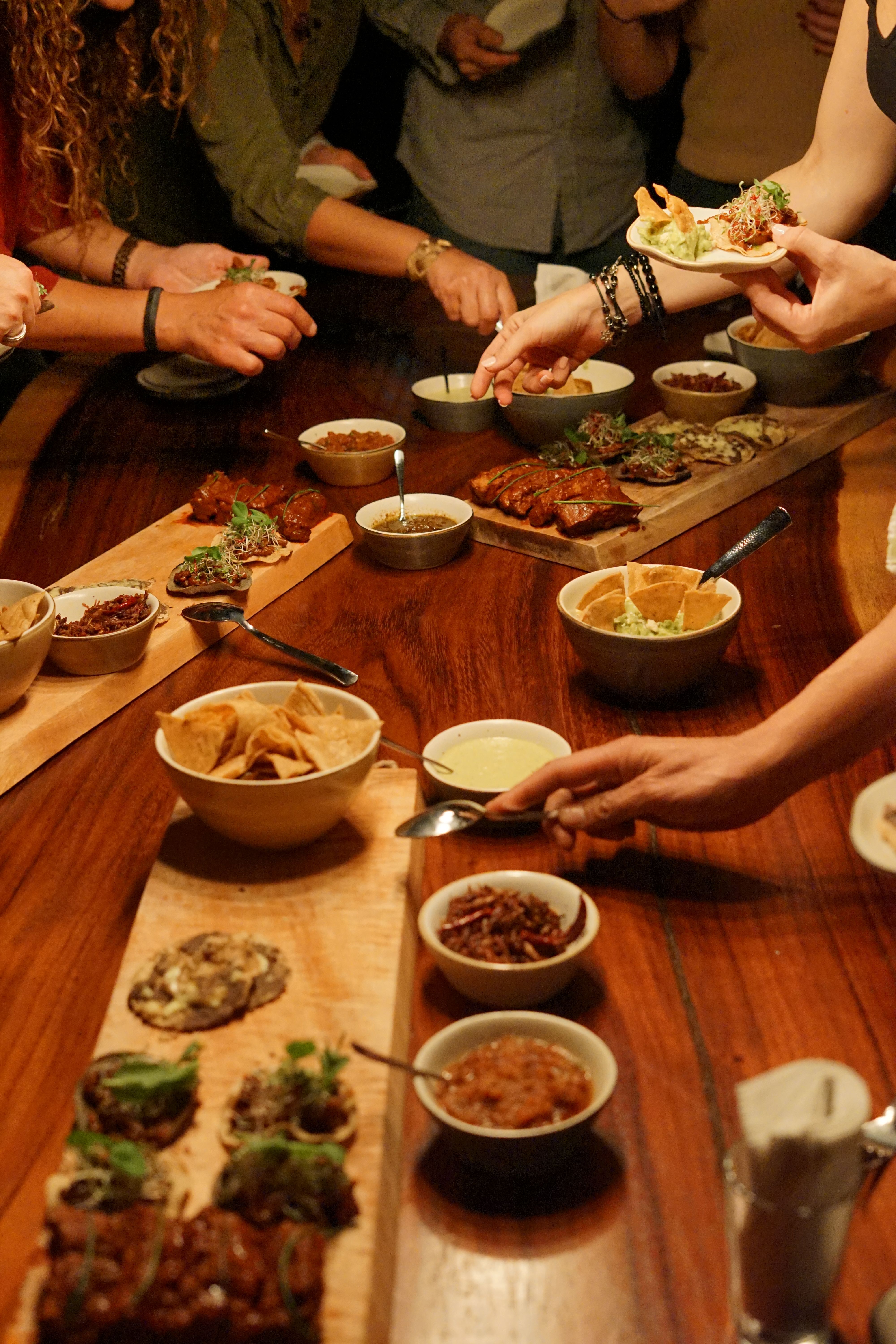
For consumers, the biggest impact would be simple freedom. People who currently avoid tacos, curries, kimchi, jerk chicken, chili crisp, or spicy instant noodles might finally get options designed for flavor first and fallout second.
This could also reshape the packaged food market. Companies have spent years making milder products for cautious shoppers, but many consumers do not want bland food. They want the brightness, smokiness, and complexity of peppers without the stomach punishment that sometimes arrives later.
Restaurants would likely pay attention too. A digestively gentler spice system could open doors for menu innovation, especially in fast-casual dining where bold flavors sell well but broad accessibility matters. It may even help hospitals, schools, and workplace cafeterias offer more globally inspired dishes to sensitive diners.
There is also a quality-of-life angle. People with mild digestive sensitivity often self-restrict more foods than necessary because it is hard to predict what will trigger them. A more reliable spicy food experience could remove a surprisingly common source of anxiety around eating.
The limits, caveats, and questions still ahead

Excitement should be tempered with realism. A promising lab result does not automatically become a supermarket product, and not every spicy food reaction can be solved by changing capsaicin behavior alone.
Some people react to acidic ingredients, oil content, garlic, onions, or large meal size rather than heat itself. Others may have gallbladder issues, ulcers, inflammatory bowel disease, or severe reflux, where any heavily seasoned food can still be a problem regardless of a new formulation.
Researchers will also need to prove consistency across real meals, not just controlled settings. A solution that works in a beverage or sauce may behave differently in fried foods, fermented foods, or high-fat dishes, where digestion changes how ingredients are released and absorbed.
There is a sensory challenge as well. Spice enthusiasts are quick to notice when heat feels artificial, delayed, or oddly muted. If the experience no longer feels authentic, the science may impress clinicians without winning over the people it is meant to help.
Why this matters beyond spicy food itself

This story points to a larger shift in food science. Researchers are increasingly designing foods around biological comfort, not just taste, calories, or shelf life, and that reflects how modern consumers actually eat and shop.
The best innovations now aim to preserve pleasure while reducing side effects. That idea has already reshaped dairy, plant-based products, and reduced-acid coffee. Spicy food may be the next category where science stops asking people to give something up and starts asking how to make it easier to enjoy.
If Canadian scientists truly have found a workable path, the implications reach far beyond chili peppers. It would show that a beloved food does not have to remain off-limits simply because the body objects to one part of the experience.
For millions of people, that could turn spicy food from a calculated risk back into what it should be: fun, flavorful, and worth looking forward to.




Leave a Reply