
Sticker shock is becoming routine in Canadian grocery aisles. For many households, the weekly food shop now feels like one more bill that keeps quietly climbing.
Why grocery bills are set to rise again
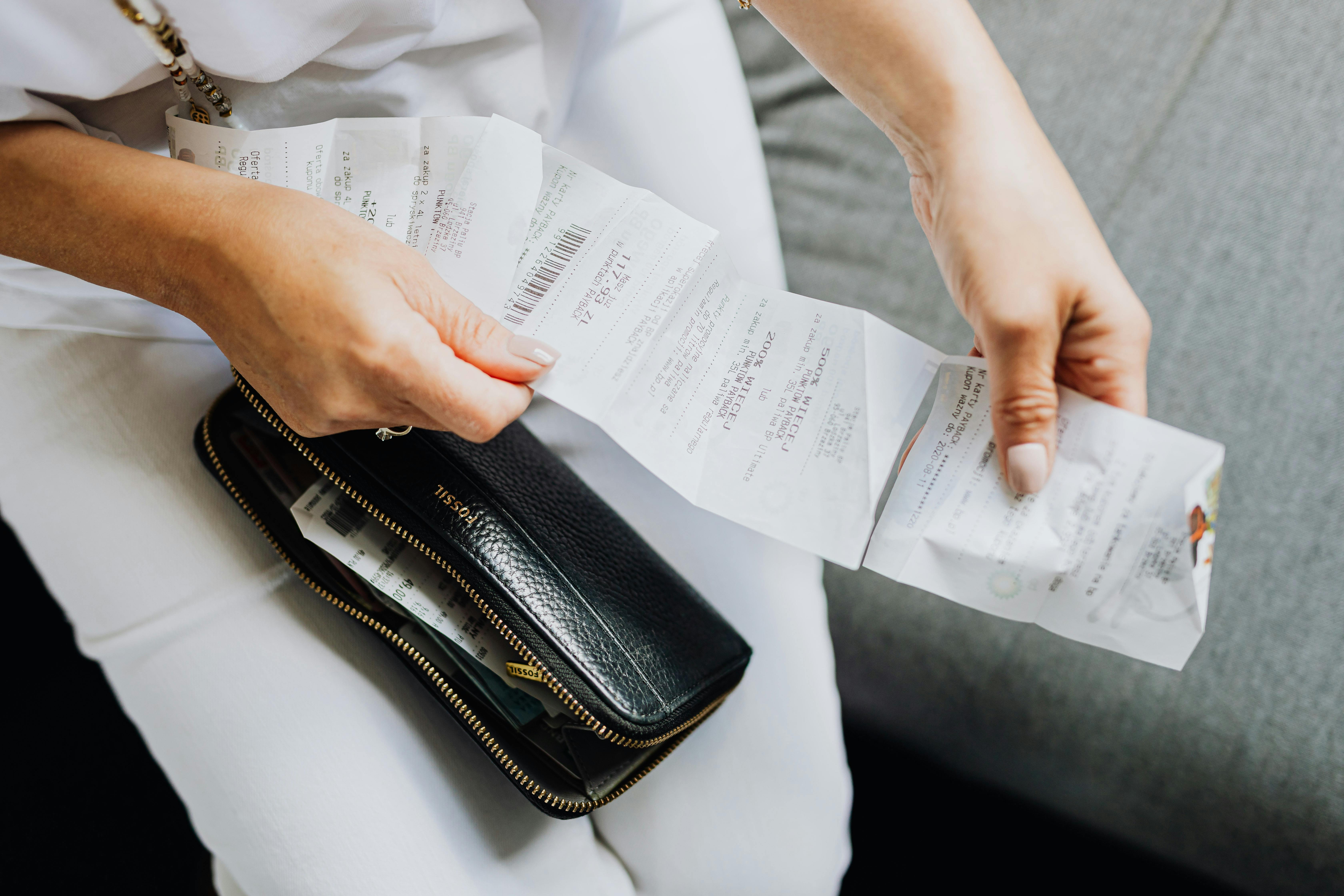
The latest forecasts suggest food prices in Canada could increase by 4-6% this year, a pace that would outstrip general inflation for many household staples. For a family already spending heavily on food, that can translate into about $1,000 in added annual costs. Researchers who track food inflation have warned that even moderate percentage increases quickly become painful when applied across meat, dairy, produce, and pantry basics.
The pressure is not coming from one source alone. Farmers, processors, distributors, and retailers are all dealing with higher input costs, from fuel and electricity to packaging and transportation. When those costs rise in several parts of the supply chain at the same time, the final price on store shelves tends to follow.
Currency movements also matter. A weaker Canadian dollar can make imported foods and agricultural inputs more expensive, especially during winter months when Canada relies heavily on produce from the United States and Mexico. That exchange-rate effect can ripple through everything from lettuce and berries to cooking oils and animal feed.
Which foods are likely to see the biggest increases

Some categories are more exposed than others, and shoppers usually notice those jumps first. Meat prices remain vulnerable because livestock producers continue to face elevated feed, energy, and transportation expenses. Beef has been especially sensitive in recent years, partly because herd sizes in North America have tightened after drought conditions and higher operating costs forced some producers to reduce supply.
Fresh vegetables and fruit are also likely to remain volatile. Weather events in key growing regions, including droughts, floods, and heat waves, can shrink harvests and reduce quality, leaving retailers to pass along higher procurement costs. Items such as leafy greens, berries, and citrus often show the sharpest week-to-week price swings.
Processed foods can rise more quietly, but they matter just as much to household budgets. Bread, cereal, canned goods, frozen meals, and snack products carry embedded costs for ingredients, labor, packaging, and shipping. When multiple cost layers increase together, the shelf price can rise even if raw commodity prices are relatively stable.
What is driving the increase behind the scenes
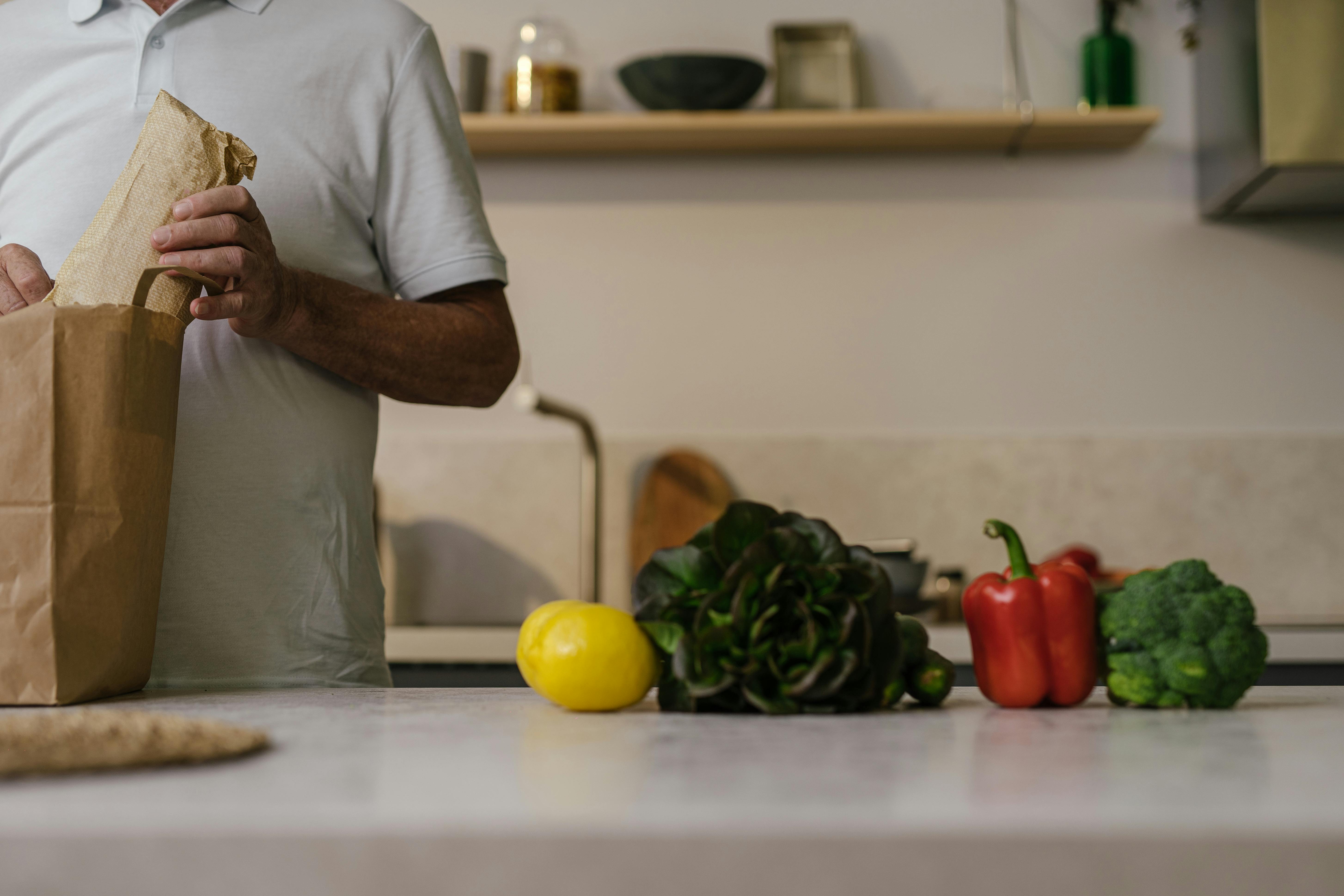
One major factor is climate disruption. Canadian agriculture and global food systems are increasingly affected by wildfires, poor growing conditions, water shortages, and unpredictable seasons. These disruptions reduce yields, delay shipments, and create temporary shortages that put upward pressure on prices even in well-supplied markets.
Labor is another key issue. Food manufacturing plants, farms, trucking firms, and grocery stores all face wage pressure and occasional worker shortages. Higher labor costs are not inherently negative, but they do add to the overall price of moving food from field to shelf.
Global trade uncertainty has added another layer of risk. Tariff disputes, shipping delays, and geopolitical tensions can affect ingredient imports and transportation routes. According to economists who follow food supply chains, even small interruptions can create outsized price effects when retailers are operating in a just-in-time environment with limited slack.
How the squeeze affects household budgets differently

Not every family will feel the increase in the same way. Higher-income households may absorb an extra $1,000 with adjustments elsewhere, but lower- and middle-income families tend to spend a larger share of their earnings on food. That makes grocery inflation especially difficult because it cuts into money needed for rent, utilities, childcare, and transportation.
Families with teenagers, athletes, or multiple children often feel the impact more quickly because they buy larger volumes of milk, bread, eggs, meat, and fresh produce each week. Seniors on fixed incomes can also be hit hard, particularly if they already face higher healthcare and housing costs.
Regional differences matter too. Northern and remote communities often pay substantially more for groceries because transportation costs are higher and supply options are limited. In those areas, even a national price increase of 4-6% can translate into a much sharper sense of financial strain at the checkout counter.
What shoppers can do to reduce the damage

There is no perfect workaround for food inflation, but households can soften the impact with a few disciplined habits. Planning meals around weekly promotions, choosing store brands, and buying versatile staples in larger sizes can reduce costs without sacrificing nutrition. Price-matching, when available, can also help trim the total bill.
Shoppers may also benefit from being flexible about produce and protein choices. If berries are expensive, apples or bananas may offer better value that week. If beef prices surge, beans, lentils, eggs, chicken, or pork can provide lower-cost alternatives while still supporting balanced meals.
Cutting food waste is another practical defense. Statistics Canada has repeatedly shown that a meaningful share of household food spending is lost to spoilage or poor planning. Using leftovers, freezing extras, and shopping with a list can make expensive groceries stretch further over the month.
What this means for Canada's broader economy

Food inflation matters beyond the dinner table because it shapes consumer confidence and spending behavior. When households devote more income to groceries, they often pull back on restaurants, clothing, travel, and discretionary purchases. That can slow activity across other sectors of the economy.
Persistent grocery inflation also complicates the job of policymakers. If food prices remain elevated while other inflation measures cool, families may still feel financially squeezed even when headline economic data appears to improve. That gap between official trends and lived experience can deepen frustration and anxiety.
For now, Canadians should prepare for another expensive year at the supermarket. A 4-6% increase may sound manageable in theory, but across 12 months of essentials, it adds up fast. For many families, the real challenge is not one unusually costly trip, but the steady accumulation of higher prices week after week.




Leave a Reply