
Few issues unite Canadians faster than the price of groceries. Few policies divide them faster than a promise to fix it.
What Ottawa Is Actually Promising

Prime Minister Mark Carney's new food security strategy commits $3.2 billion over 10 years to reshape how food is grown, processed, and distributed in Canada. The stated goal is simple: produce more food at home, rely less on volatile foreign supply, and make groceries more affordable for households facing years of stubborn price pressure.
A major piece is the new Food Link Fund, backed by $1 billion to expand wholesale food terminals and regional food hubs. These facilities are meant to help independent grocers, hospitals, restaurants, and community buyers purchase produce more competitively instead of depending on supply chains controlled by dominant retailers.
The plan also includes $700 million over seven years for greenhouses and indoor agriculture to adopt technology that lowers operating costs and improves year-round production. Another element boosts support for small and mid-sized processors through Farm Credit Canada, while annual funding for competition enforcement rises by $12.9 million.
Why the Government Thinks the Plan Matters
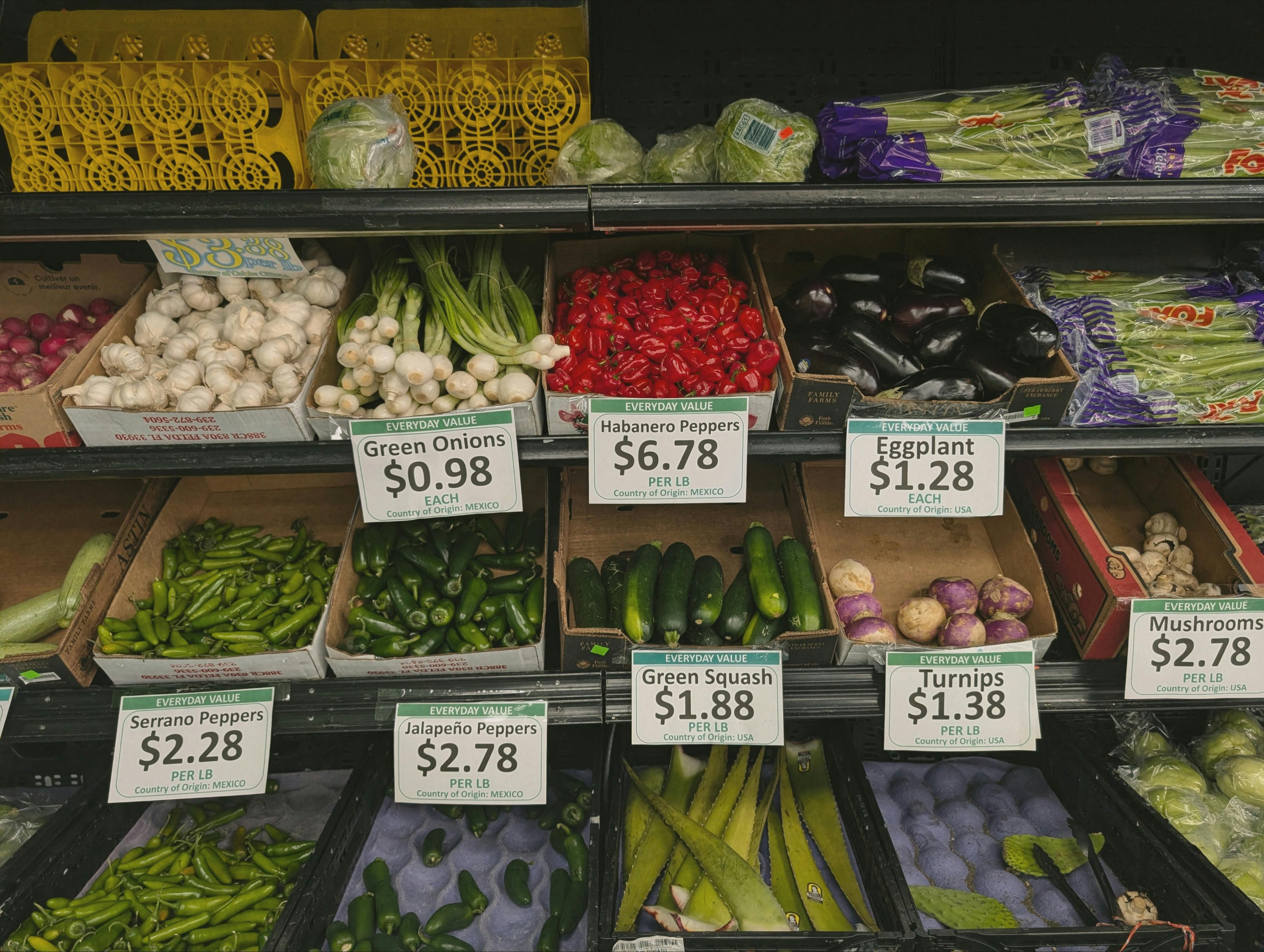
Ottawa's argument rests on a structural weakness in Canada's food system. According to CBC's reporting on the strategy, Canada imports 88 per cent of fresh fruits and nuts and 72 per cent of vegetables, with roughly half of all food imports coming from the United States. That leaves consumers exposed to tariffs, droughts, transport disruptions, and currency swings.
The government says a richer agricultural country should not be this vulnerable to external shocks. Carney has framed food as part of national resilience, arguing that a country that cannot feed itself gives away too much control over prices and supply to global events far beyond its borders.
There is also a competition case behind the spending. Five major chains dominate roughly 75 per cent of the grocery market, a concentration critics say allows too much control over pricing, real estate, and supplier access. By strengthening terminals, hubs, and competition oversight, Ottawa hopes to give smaller players a fighting chance.
Why Supporters See Real Potential

Backers of the strategy argue it goes after bottlenecks that have been ignored for decades. Independent grocers often pay inflated prices because they buy through larger competitors or lack access to scale. If food hubs expand successfully, smaller stores could buy fresher products at better rates and compete more directly in neighborhoods where choice is limited.
Indoor agriculture is another reason supporters are optimistic. Greenhouses have already transformed Canadian tomato, cucumber, and pepper production, especially in Ontario. New technology that cuts energy use could extend that model, smooth winter shortages, and reduce the sharp seasonal price swings consumers see when imported produce becomes more expensive.
Supporters also like the focus on processing capacity. Canada grows a great deal, but too much value is lost when food is shipped elsewhere for processing and then re-imported. Building more domestic capacity could create jobs, shorten supply chains, and keep more food moving within Canada during global disruptions.
Why Skeptics Are Far From Convinced

The strongest criticism is straightforward: a long-term industrial plan is not the same thing as near-term grocery relief. The strategy sets no target for what an affordable basket of food should cost, and officials acknowledged there is no direct price benchmark attached. For families already stretched thin, that sounds more like aspiration than accountability.
Critics on the right say high food costs are being driven by taxes, inflationary spending, transport expenses, and a weaker dollar, not merely by logistics and competition. From that perspective, new federal spending could miss the cause of the problem while adding another expensive program that takes years to show results.
Some skeptics on the left reach the opposite conclusion but remain dissatisfied anyway. New Democrats have pushed ideas such as banning surveillance pricing, stronger consumer protections, and even public grocery stores. For them, the strategy may diagnose concentration correctly but still stop short of confronting corporate pricing power directly.
The Hard Part Will Be Implementation

Building terminals and food hubs is slower than announcing them. Land, municipal approvals, transport links, refrigeration systems, labor, and operating costs all matter. Expanding the Ontario Food Terminal and opening new hubs by 2028 is achievable on paper, but infrastructure projects often run into delays that dilute their economic impact.
Greenhouse expansion comes with its own complications. Energy prices remain a major concern, especially in colder provinces where winter growing is costly. Even with public support, indoor farming can struggle to match the price of imports from warmer climates, which means the affordability benefit may vary widely by product and region.
Competition policy is another test. Increasing enforcement funding is useful, but changing behavior in a highly concentrated grocery market is notoriously difficult. Canada has tried before to encourage more competition in food retail without transforming the landscape, so many analysts say success will depend on execution, not headline dollars.
Why Canadians Remain So Divided
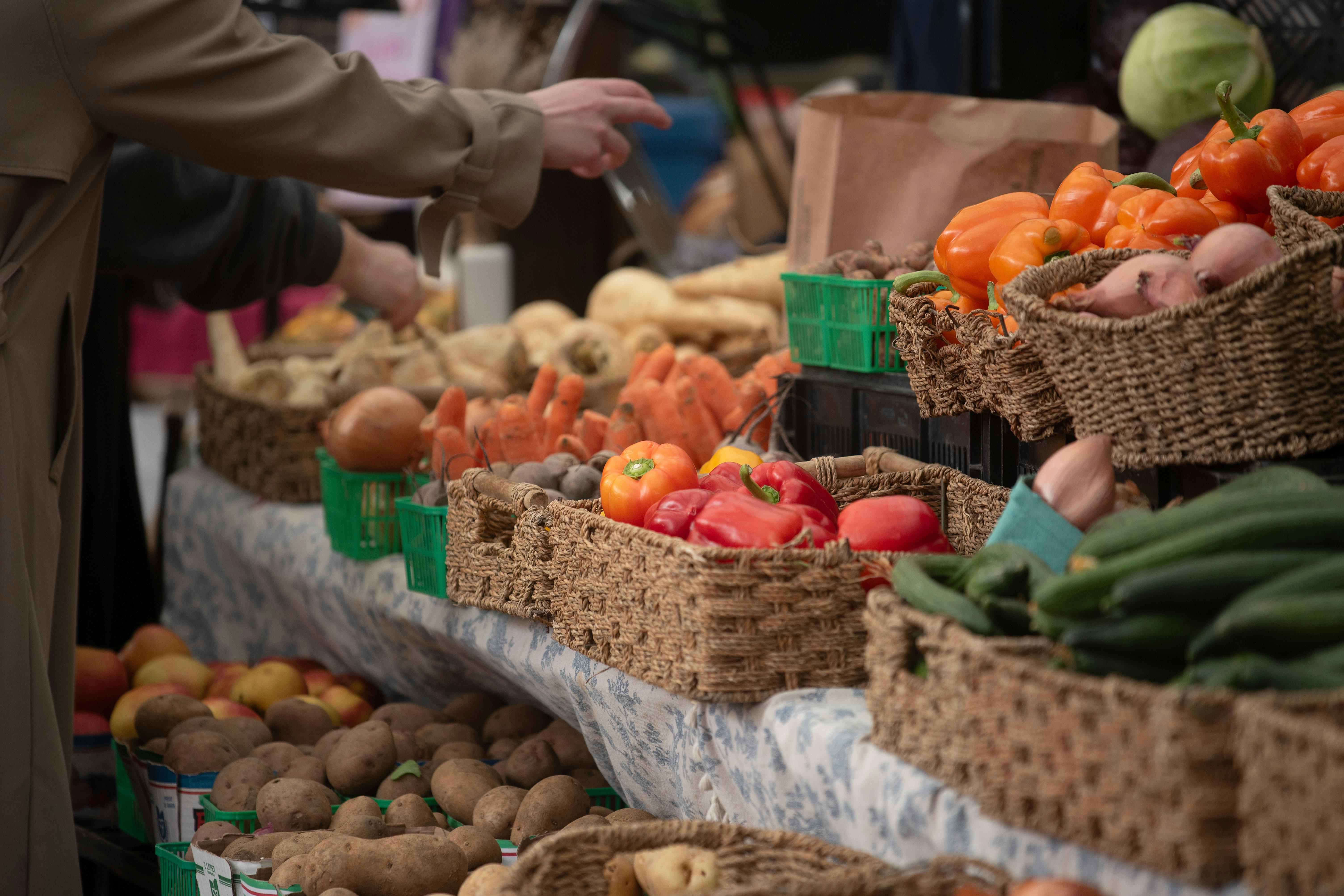
Canadians are split because the plan speaks to two different crises at once. One is national food resilience, where more domestic production and processing make strategic sense. The other is household affordability, where people want to know whether next month's grocery bill will actually fall. Those are related problems, but they are not identical.
That gap explains the mixed reaction. Farmers, processors, and regional distributors can see a credible case for better infrastructure and less dependence on imports. Consumers, however, judge policy through the checkout lane, and many have heard years of promises about grocery competition without seeing dramatic savings.
The strategy may still prove important if it strengthens Canada's food system against future shocks. But its political fate will depend on something much more immediate: whether people notice lower prices, better local access, and more real competition before patience runs out.




Leave a Reply