
Two great nations, two summer holidays, one smoky question. When it comes to backyard grilling, Canada often delivers the better party, even if Americans rarely say so out loud.
The mood matters more than the flag
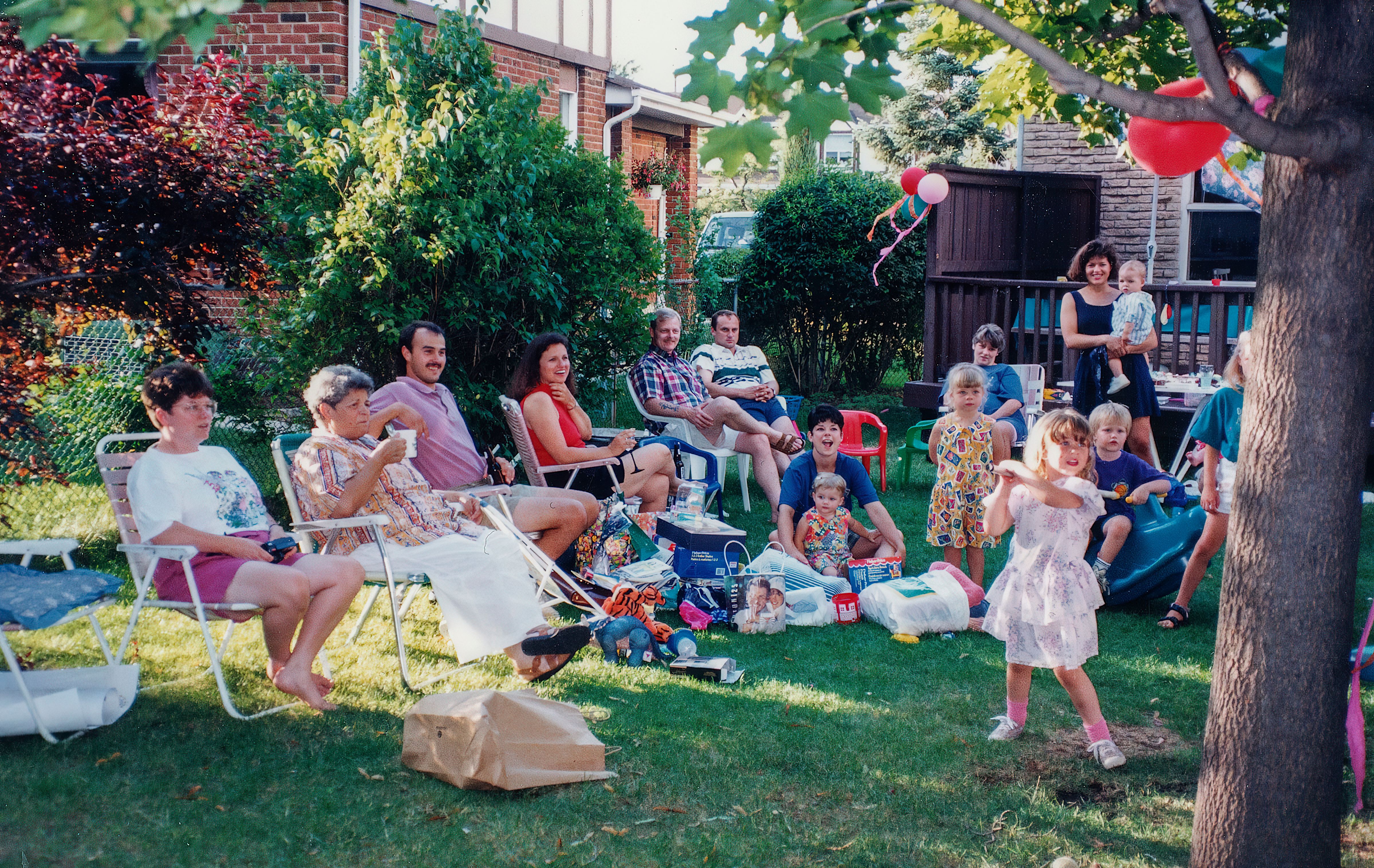
A great BBQ starts before the grill is lit. Canada Day gatherings tend to feel less like a performance and more like an invitation, which changes everything for guests.
In many Canadian cities and suburbs, the holiday cookout is built around parks, cottages, cul-de-sacs, and family backyards where people move easily between picnic tables, coolers, and the grill. The atmosphere is patriotic, but usually not overpowering. That matters because the meal stays at the center instead of becoming background noise to spectacle.
By contrast, many 4th of July parties in the United States are tied to bigger displays, louder competition, and a stronger culture of excess. Bigger flags, larger speaker systems, and more elaborate setups can be fun, but they can also shift attention away from hospitality. The Canadian style often wins because it feels easier to join and easier to enjoy.
Canadian grills play the long game
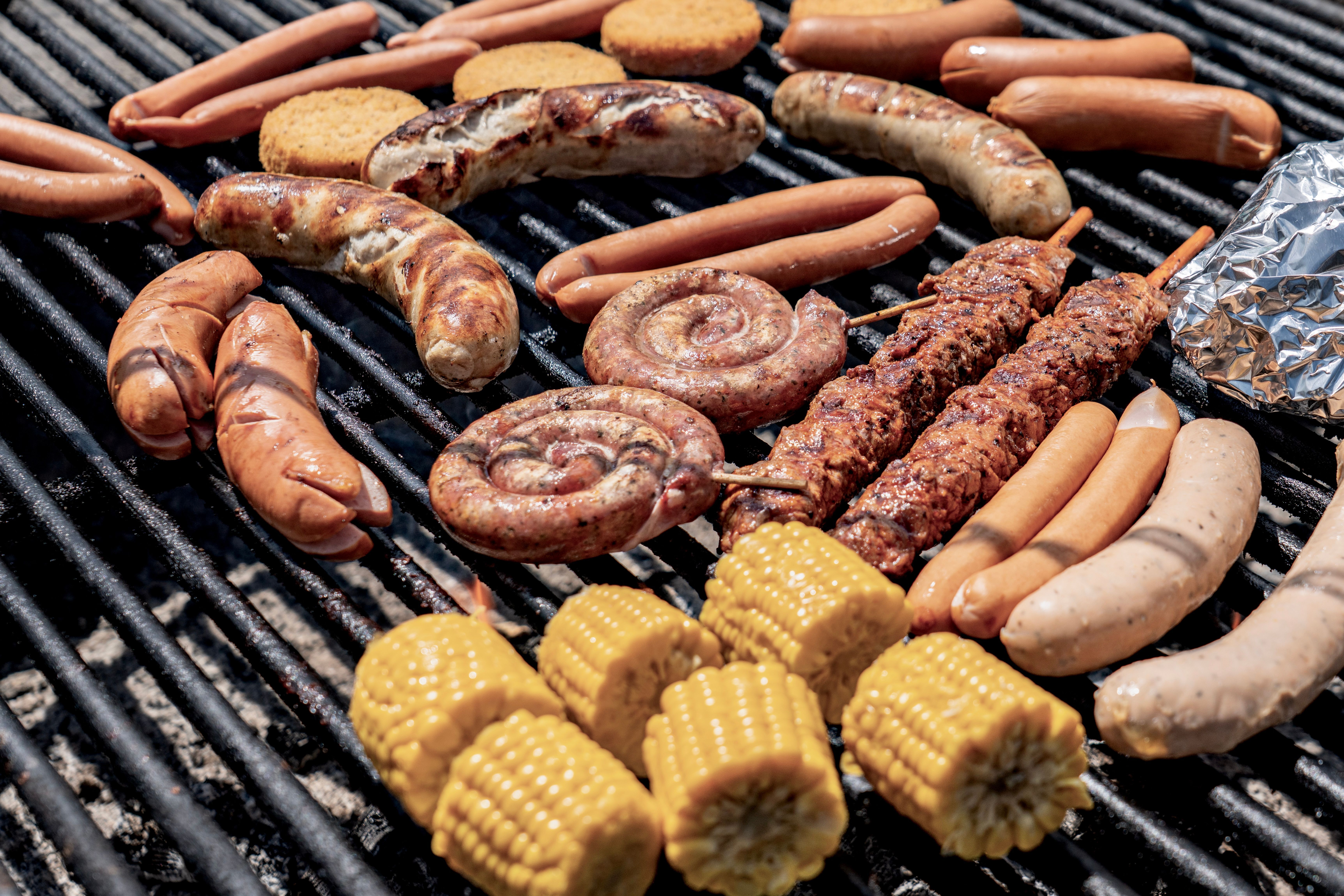
The smartest BBQ hosts know that variety beats volume. Canada Day menus often reflect that idea better, blending regional tastes, practical hosting, and a wider range of crowd-friendly options.
Across Canada, it is common to see burgers and sausages share space with cedar-planked salmon, grilled corn, marinated chicken, vegetable skewers, and potato salads shaped by local traditions. In Quebec, you may find elevated sausages and excellent cheese nearby. In the Maritimes, seafood often appears naturally, not as a luxury flex but as part of local eating culture.
American 4th of July BBQs absolutely have iconic strengths, especially ribs, brisket, and smoked classics rooted in serious regional traditions. But those dishes can also demand a very specific style of event and a lot of time around one centerpiece. Canadian cookouts often feel more balanced, making it easier to feed children, older relatives, vegetarians, and casual eaters without turning the menu into a logistical puzzle.
Hosting is where Canada quietly pulls ahead
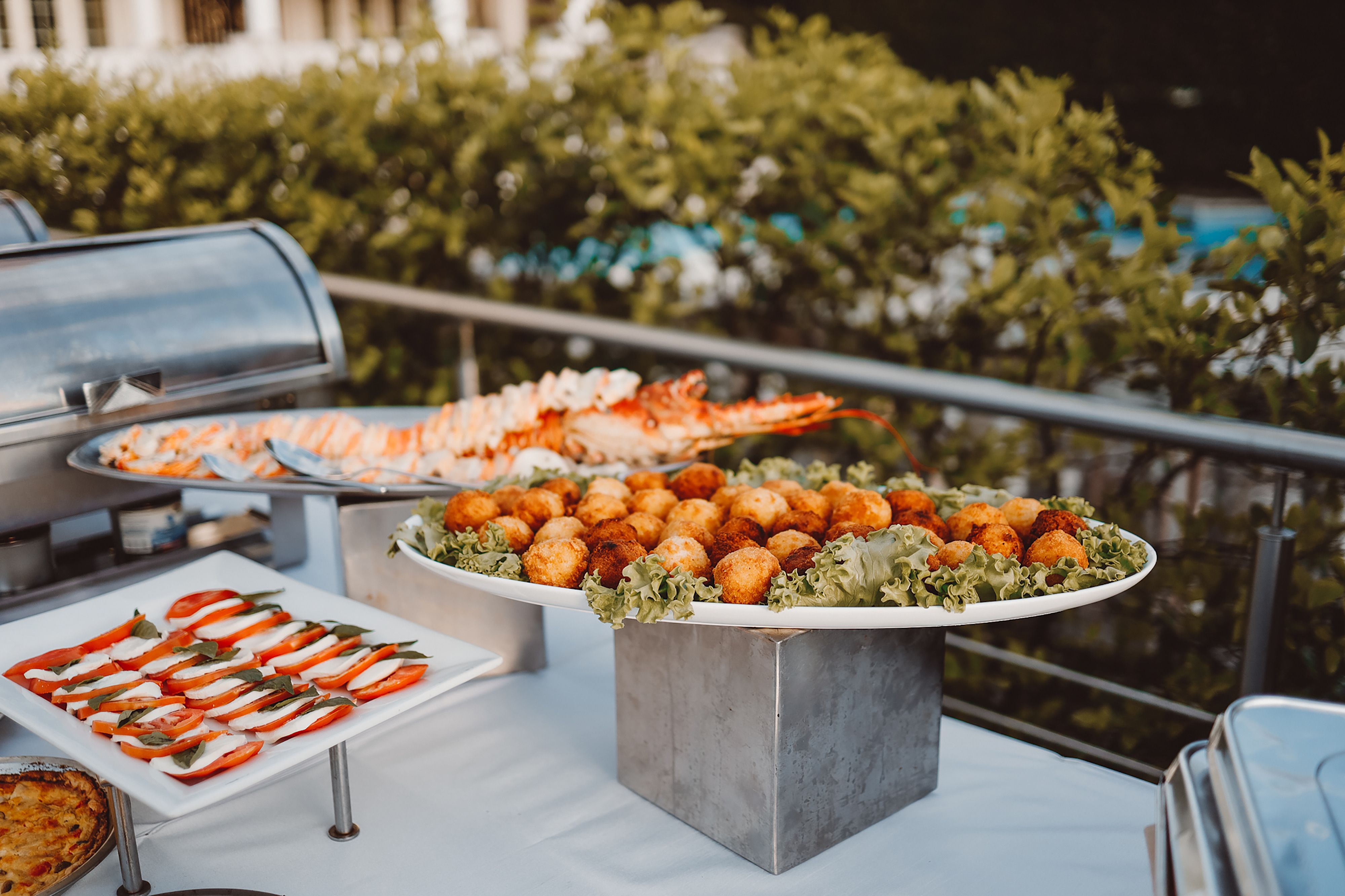
Here is the overlooked truth. The best BBQ is not the one with the flashiest grill, but the one where everyone gets fed comfortably and on time.
Canadian hosts, on average, tend to organize around flow. Food comes out in waves, people help themselves without chaos, and side dishes are often chosen for portability and stability outdoors. Pasta salads, sliced fruit, chips, buns, pickles, and chilled desserts are not glamorous, but they keep a gathering moving smoothly.
The American 4th of July setup can sometimes lean into abundance without enough structure. That creates long waits, overcooked burgers sitting in trays, and guests hovering awkwardly for the next batch. Canada Day BBQs often avoid that trap by favoring practical menus and shared responsibility, which makes the experience feel more relaxed and more generous.
The sides tell the real story
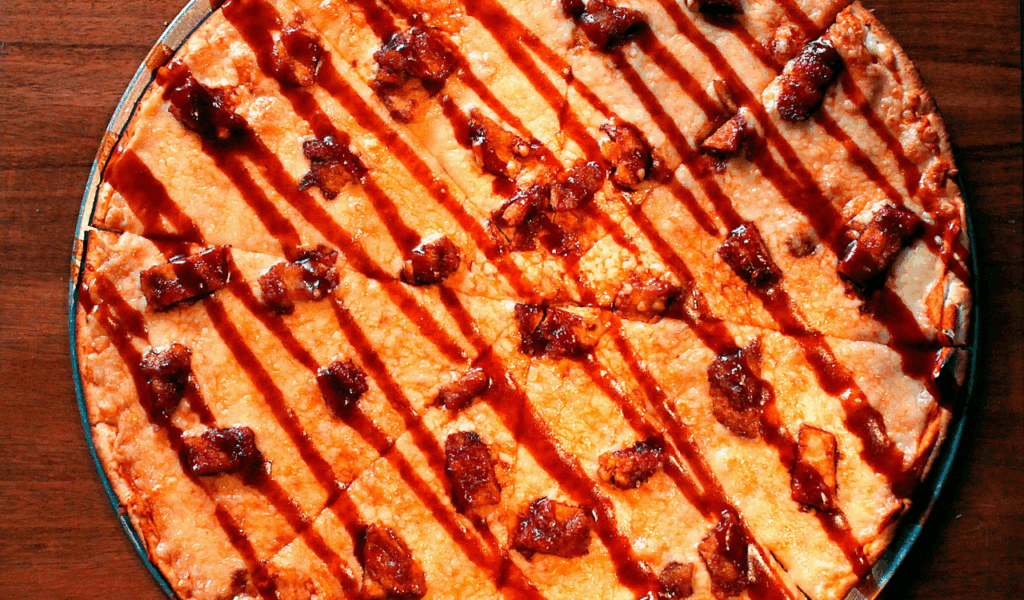
Anyone can char a hot dog. The real test of a national BBQ culture is what shows up beside the main protein, and this is where Canadian tables are often more thoughtful than they get credit for.
Canadian cookouts usually feature fresh salads, bakery buns, pickled vegetables, watermelon, coleslaw, and regional snack staples that make the plate feel complete rather than heavy. There is often a better balance of salt, acid, sweetness, and texture. Even dessert tends to stay seasonally appropriate, with berry pies, Nanaimo bars, or ice cream instead of sugar overload from every direction.
American holiday spreads can be excellent, especially in regions with deep food traditions. Still, many 4th of July tables drift toward repetition: multiple mayonnaise-based sides, very sweet drinks, and an all-beige plate. Canada's edge is not sophistication for its own sake. It is better pacing, fresher contrast, and food that holds up over a long afternoon.
Weather, timing, and setting help Canada
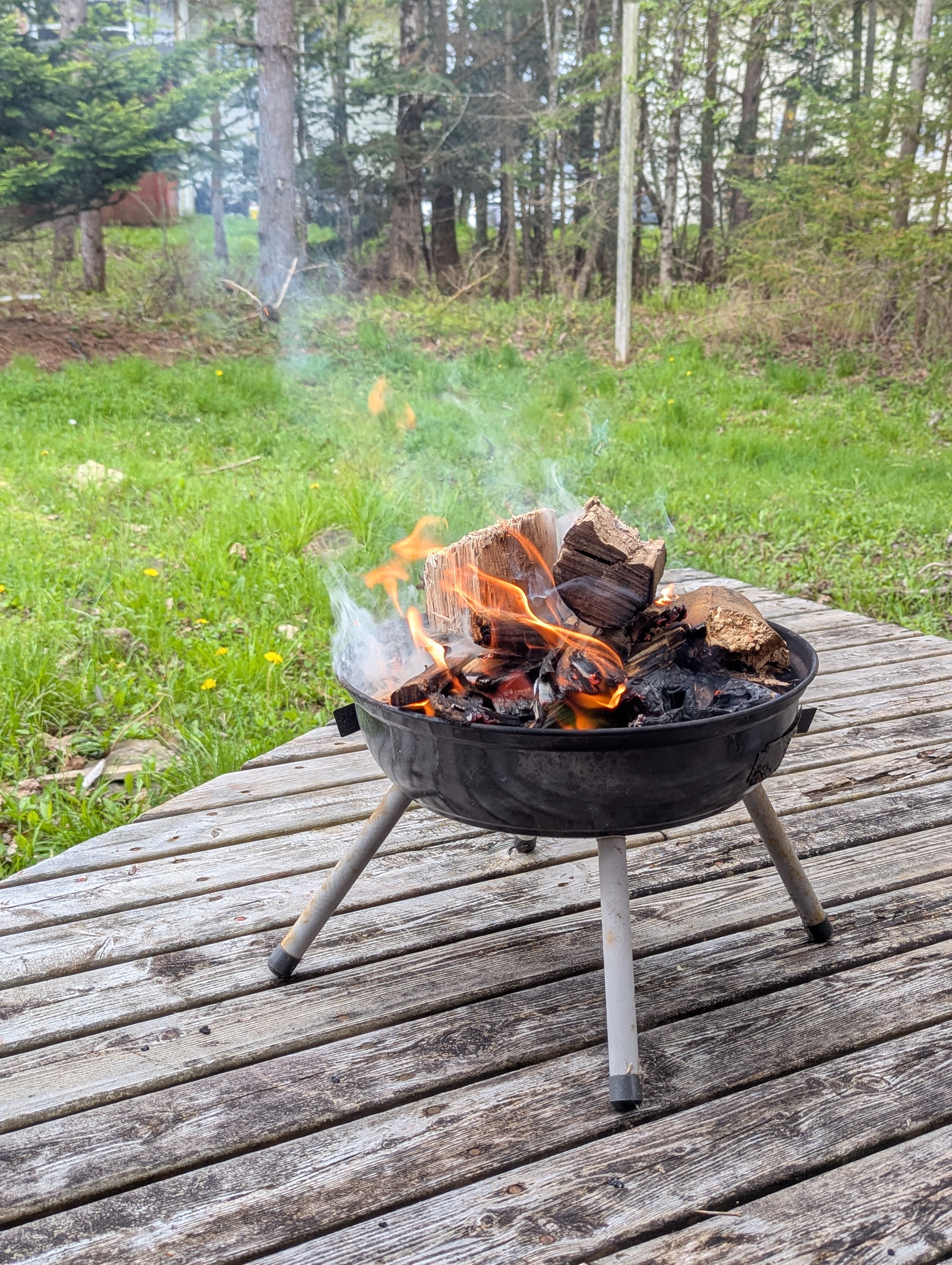
Geography quietly shapes BBQ quality. In much of Canada, early July often offers long daylight hours, manageable evening temperatures, and a peak sense of summer arrival that flatters outdoor dining.
That timing is useful. Guests can eat comfortably, children can stay outside longer, and hosts do not have to battle the same level of heat stress found across large parts of the United States. According to Environment and Climate Change Canada normals, many major Canadian population centers see pleasant early-July evenings that support longer, more social meals.
In many American regions, the 4th arrives with intense humidity, punishing heat, or storm volatility. None of that ruins a BBQ, but it does affect appetite, patience, and food safety. Canada Day often benefits from conditions that let the grill do its job without forcing everyone to recover in air conditioning every twenty minutes.
Why Americans resist admitting it
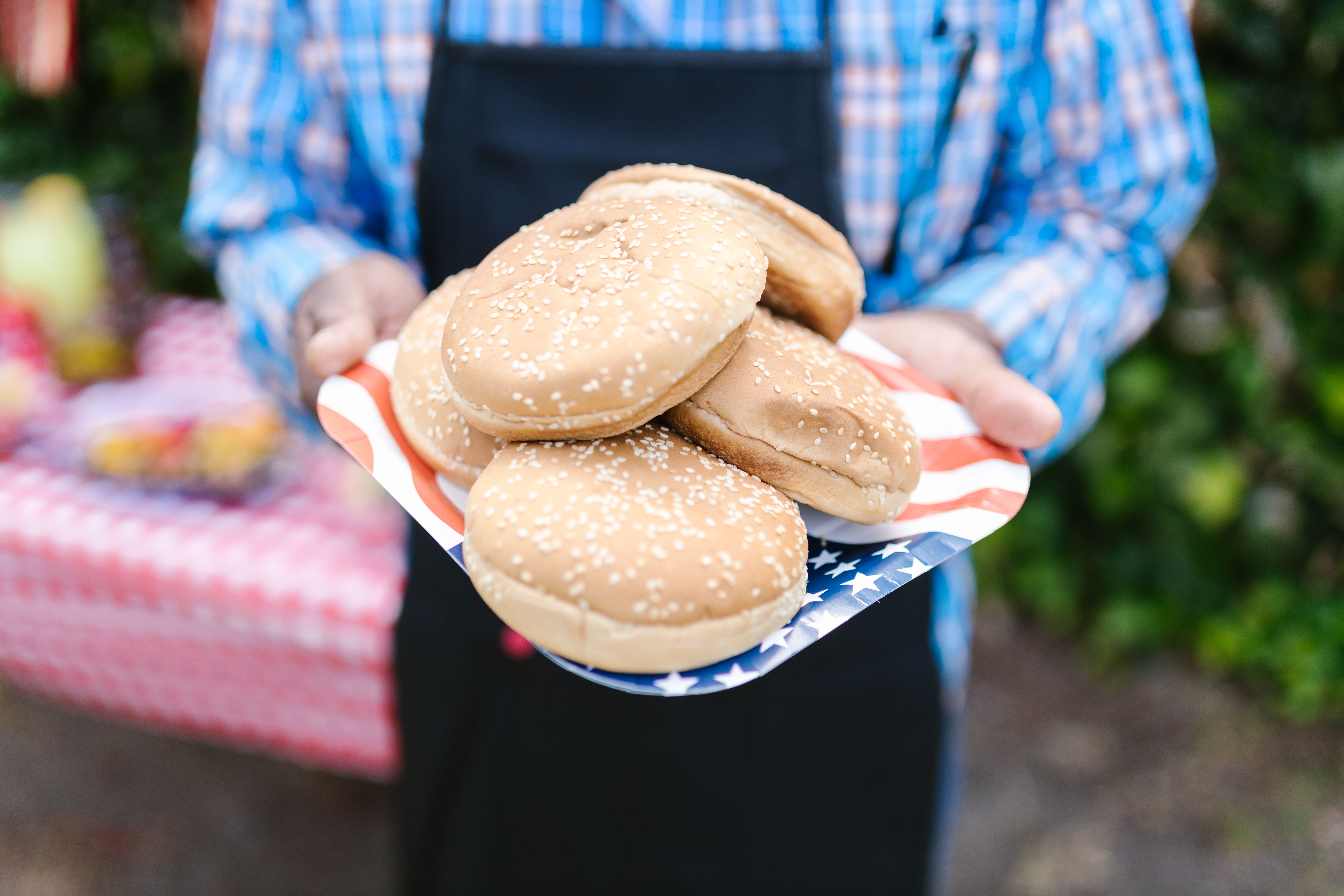
This is not about saying American BBQ is bad. In fact, the United States remains one of the world's true barbecue powers, especially in smoked meats, sauce traditions, and regional mastery.
But holiday BBQ and barbecue culture are not the same thing. The 4th of July often asks the cookout to carry too much symbolic weight, turning it into a statement about national identity, abundance, and entertainment. Canada Day asks a little less, and that restraint improves the result.
The Canadian advantage is subtle but real: less pressure, more inclusiveness, stronger menu balance, and a setting that rewards conversation as much as cooking. Americans may have louder traditions and more swagger, but Canadians often produce the better all-around holiday meal. The smartest grillers know that the best party is the one people want to stay at until sunset.


Leave a Reply