
Restaurants do not need to say the words out loud. Their pricing tactics are saying it for them.
Across fast food, coffee chains, and casual dining, the industry is quietly signaling that millions of customers are under real financial strain.
Value meals are back because sticker shock is real
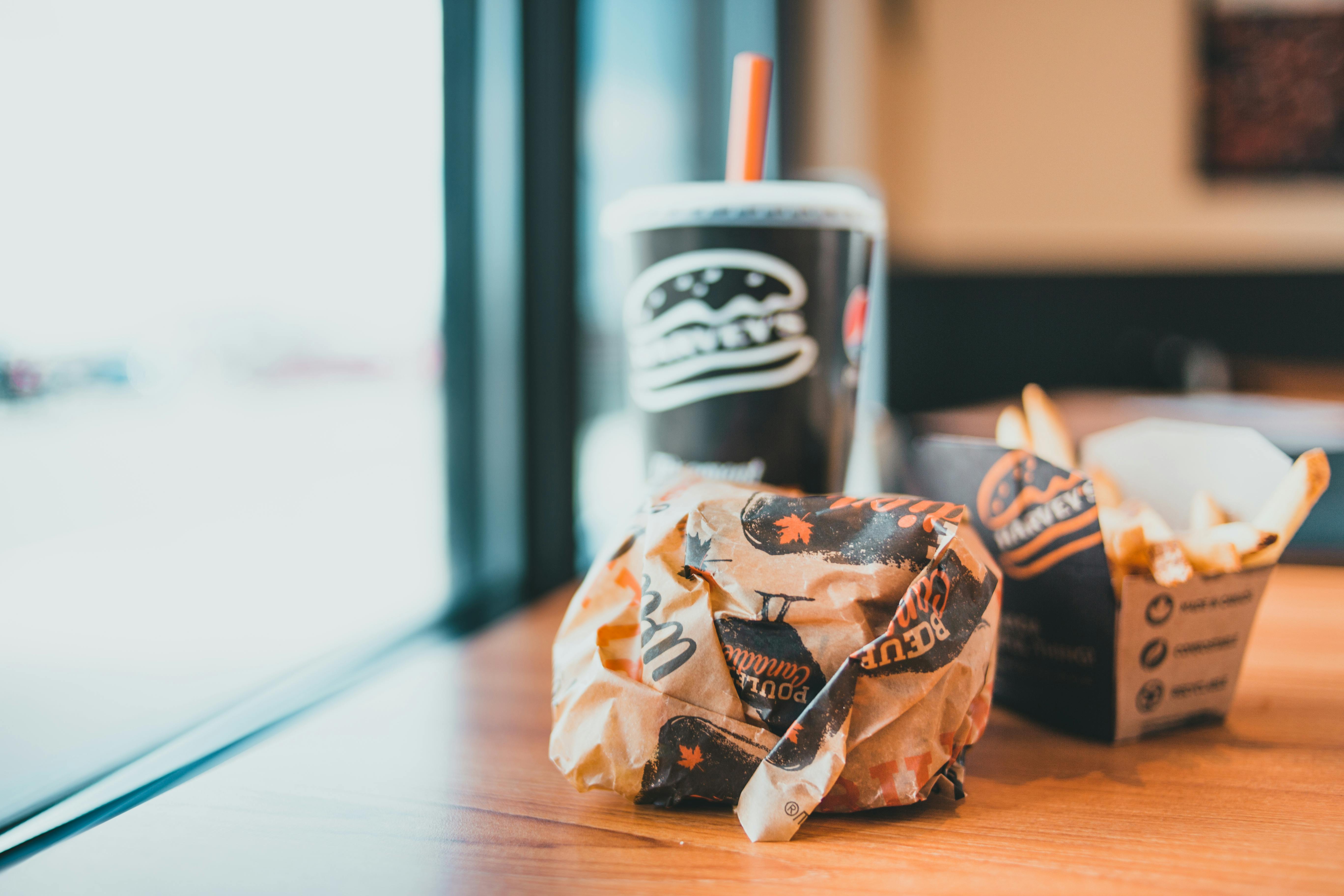
The return of bundles and value meals is one of the clearest signs of stress in restaurant spending. Chains that spent years pushing premium sandwiches, loaded drinks, and add-on upgrades are now highlighting $5, $6, and $7 meal combinations as front-window promises. According to major earnings calls across 2024, restaurant executives repeatedly pointed to weaker low-income traffic and growing customer resistance to menu prices.
This is not nostalgia marketing. It is a defensive move. Restaurant prices rose much faster than many consumers expected over the past few years, and the gap between grocery inflation and restaurant inflation became impossible to ignore for families trying to manage weekly budgets.
Brands know that a bundled meal reduces decision friction. More importantly, it creates the feeling of control. A customer may not like paying more than they did in 2021, but they are more willing to buy when the total feels predictable.
Loyalty points now function like a private discount system
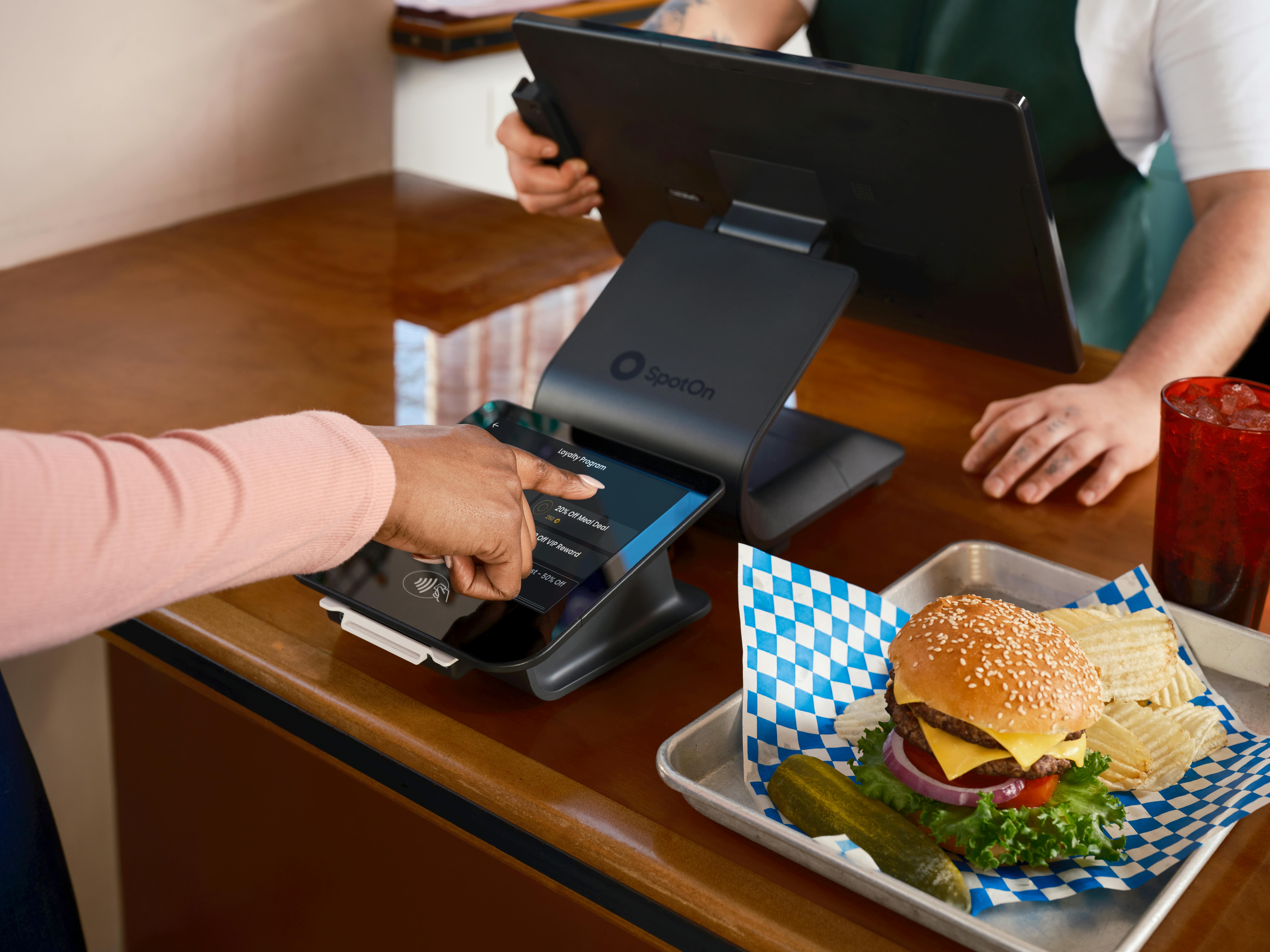
Loyalty programs used to be framed as a fun extra. Today they operate more like a hidden pricing layer. Restaurants increasingly reserve their best discounts for app users, members, and point earners, creating a two-tier system where full-price customers subsidize digitally engaged bargain hunters.
That approach helps chains protect margins without publicly cutting menu prices across the board. A free side, bonus points day, or app-only combo can target price-sensitive diners while preserving the higher list price that investors want to see. It is selective discounting, not generosity.
There is also a behavioral reason this works. Points make people feel they are building toward something, even when the immediate savings are small. In a tighter economy, that psychological reward matters. A customer who hesitates at a $14 lunch may still go through with it if they believe future visits will unlock value.
Limited-time offers create urgency when demand is shaky
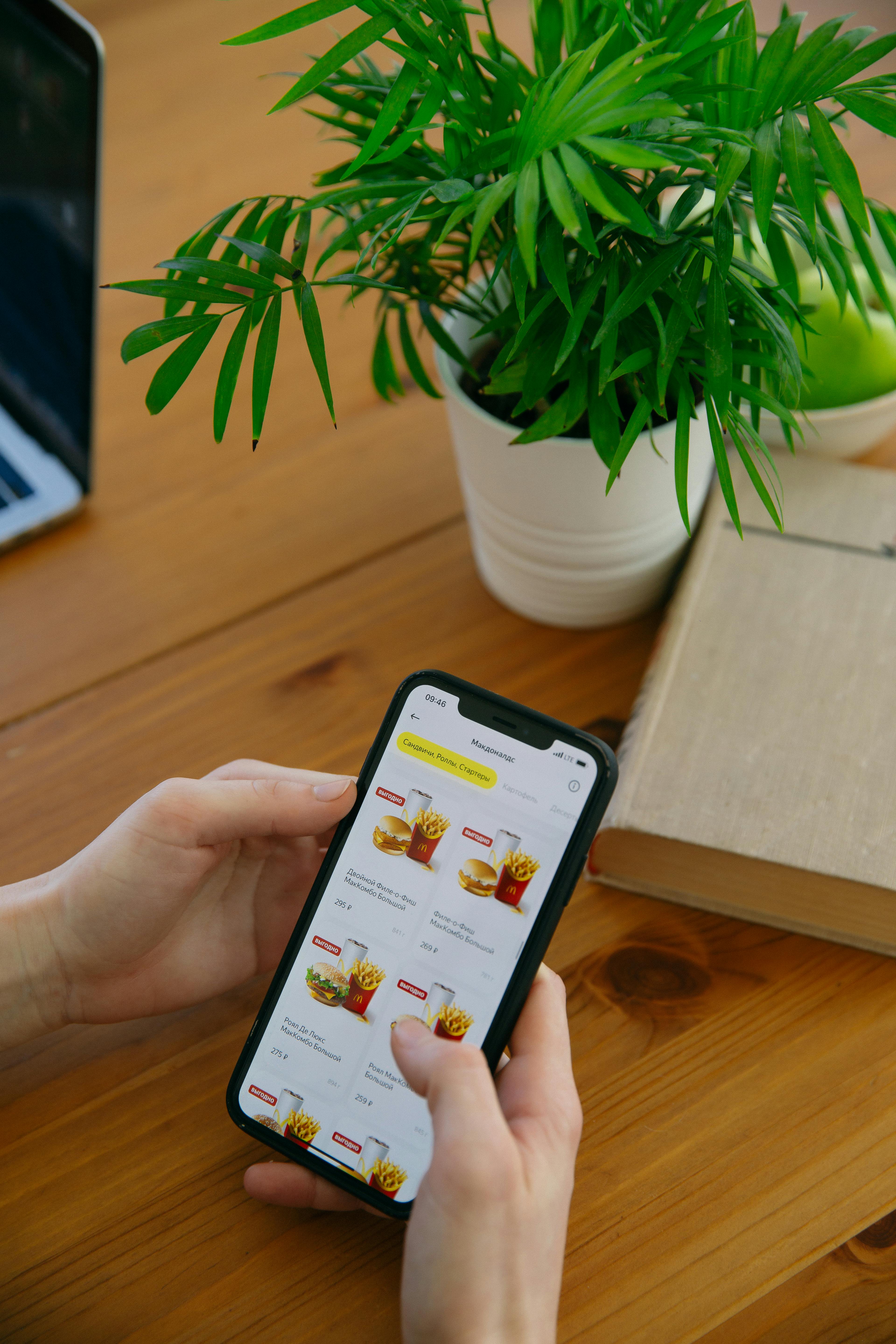
Limited-time deals are often presented as excitement, innovation, or seasonal fun. In practice, they are also a way to stimulate demand without admitting that normal traffic is not strong enough. A one-week combo, a weekend-only BOGO offer, or a countdown timer in an app can push customers to act before they rethink the expense.
Scarcity marketing works especially well when consumers feel financially squeezed. People become more cautious, but also more responsive to opportunities that seem fleeting. That is why urgency and value now appear together so often in restaurant promotions.
Executives like this model because it is flexible. A chain can quickly test whether a discount drives traffic, then remove it before it resets long-term price expectations. In uncertain demand conditions, temporary deals are safer than permanent price cuts.
Fast food is no longer automatically cheap
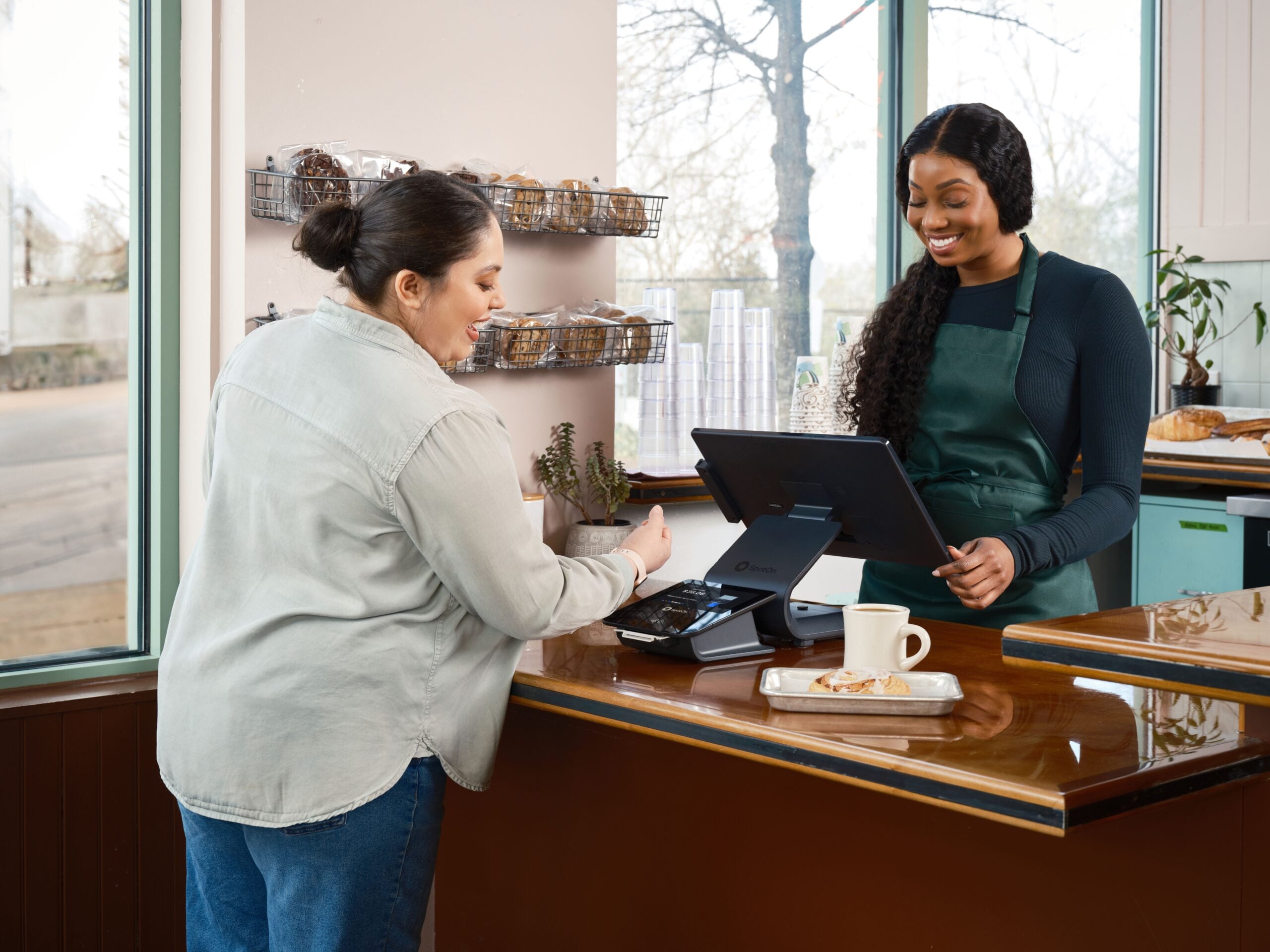
One reason these promotions matter so much is that fast food has lost part of its historic identity. For decades, it was the default low-cost convenience option. Now many customers look at a drive-thru total and compare it directly with grocery staples, warehouse club prepared food, or even discounts from casual dining chains.
That shift has forced restaurants to compete harder for every visit. If a family can spend only so much on eating out each month, the question is no longer where to indulge, but whether to go at all. A small difference in price can now change behavior fast.
The response has been a sharper focus on entry-level price points. Chains are still selling premium items, but they are using cheaper bundles as traffic drivers. Get the customer in with value, then hope for a drink upgrade, dessert add-on, or repeat visit.
The pressure is strongest on lower-income diners
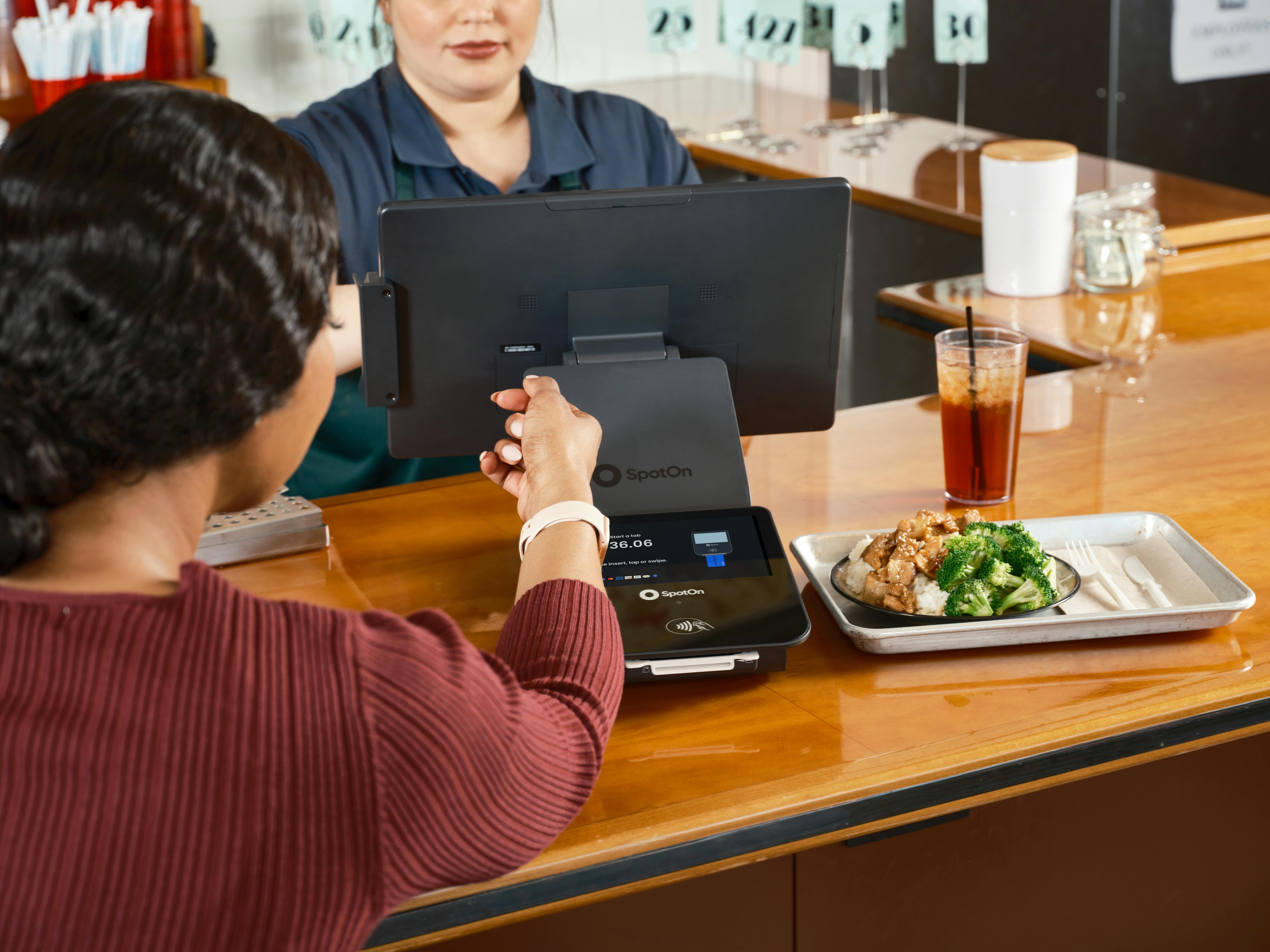
The restaurant industry does not experience consumer weakness evenly. According to earnings commentary from several national chains, lower-income guests have pulled back more sharply than higher-income diners. That helps explain why discount messaging has become so aggressive in quick-service and fast-casual segments that depend on frequent, budget-conscious visits.
For these households, eating out is not just a treat. It is also a convenience purchase that competes with rent, gas, childcare, and debt payments. When those essentials rise, restaurant visits become easier to cut, delay, or trade down.
That is why the current wave of deals feels so targeted. The industry is not simply trying to boost sales in a generic way. It is trying to keep stressed customers from disappearing altogether, even if that means training them to wait for an offer.
What looks like generosity is really economic triage
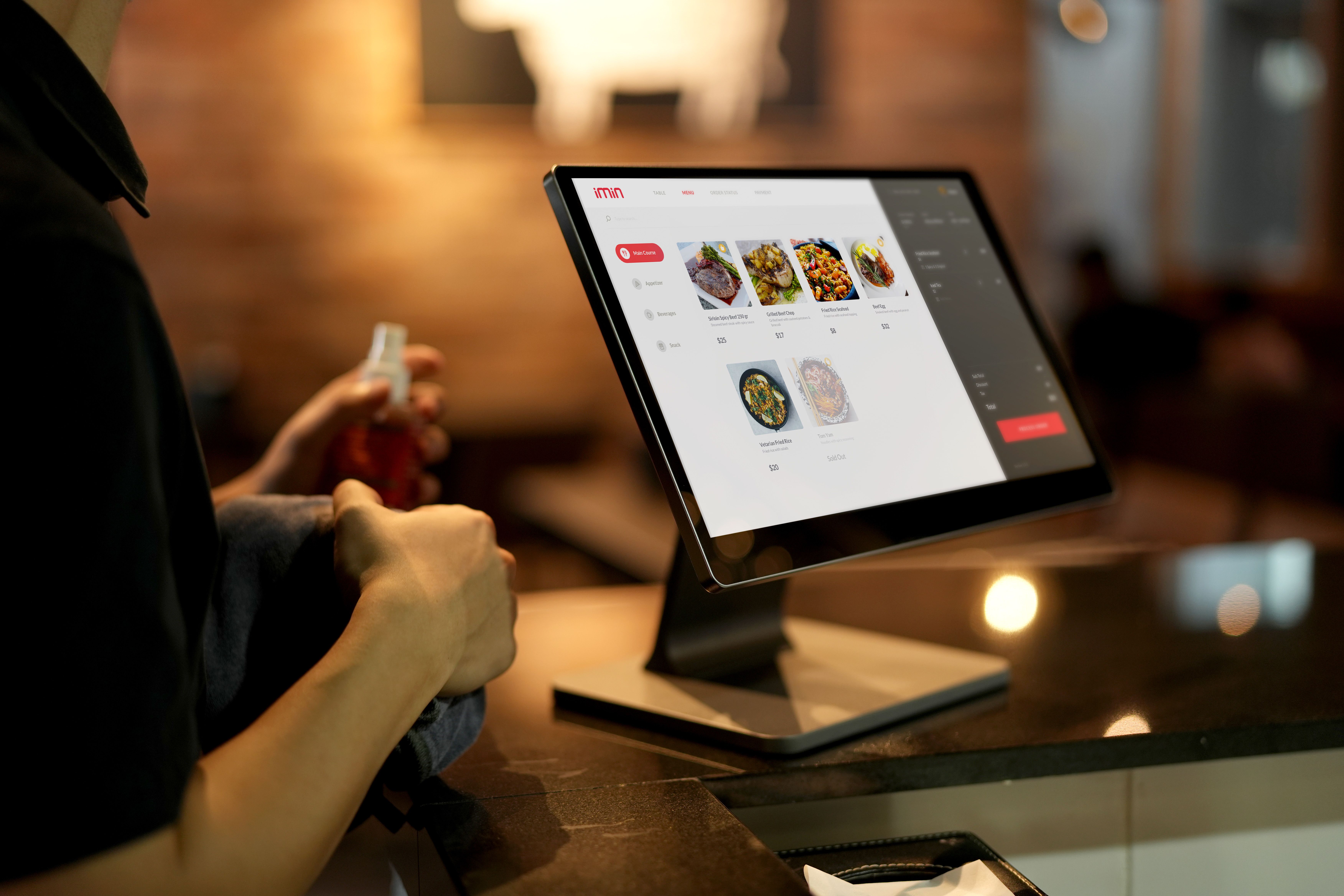
There is nothing accidental about the flood of meal deals, member perks, and push notifications promising savings. These are signs of an industry adapting to a consumer who still craves convenience, but no longer accepts convenience at any price. The message is subtle but unmistakable: restaurants know affordability has become a problem.
That does not mean diners have stopped spending entirely. It means they are spending more strategically, with more skepticism and less impulse. In response, restaurants are segmenting offers, tightening promotional windows, and using data to find the exact discount needed to trigger a purchase.
In that sense, the modern restaurant deal is a kind of economic triage. It is not only about driving traffic today. It is about preserving habits, protecting frequency, and keeping financially pressured customers attached to the brand until they can afford to spend more freely again.



Leave a Reply