
Some foods become popular. Others become part of a country's story.
BeaverTails belongs firmly in the second category, a hand-stretched pastry from Ottawa that grew from a husband-and-wife idea into a Canadian icon.
A family recipe became a business idea

The BeaverTails story starts with Grant and Pam Hooker, who turned a home-cooking tradition into a commercial venture in Ottawa in 1978. The pastry itself was inspired by recipes passed down through Grant Hooker's family, where pieces of dough were stretched by hand and fried as a special treat.
What made the couple stand out was not only the recipe but the timing and setting. Ottawa offered a strong mix of local foot traffic, winter tourism, and a growing appetite for distinctive regional foods. According to the company's own history, the Hookers first tested the concept in community and fair settings before building it into a recognizable brand.
Their decision to name the pastry after a beaver's tail was especially smart. The beaver is a national symbol in Canada, and the flattened oval shape of the dough made the comparison instantly memorable. In branding terms, it was simple, visual, and deeply Canadian.
The shape and toppings made it unforgettable

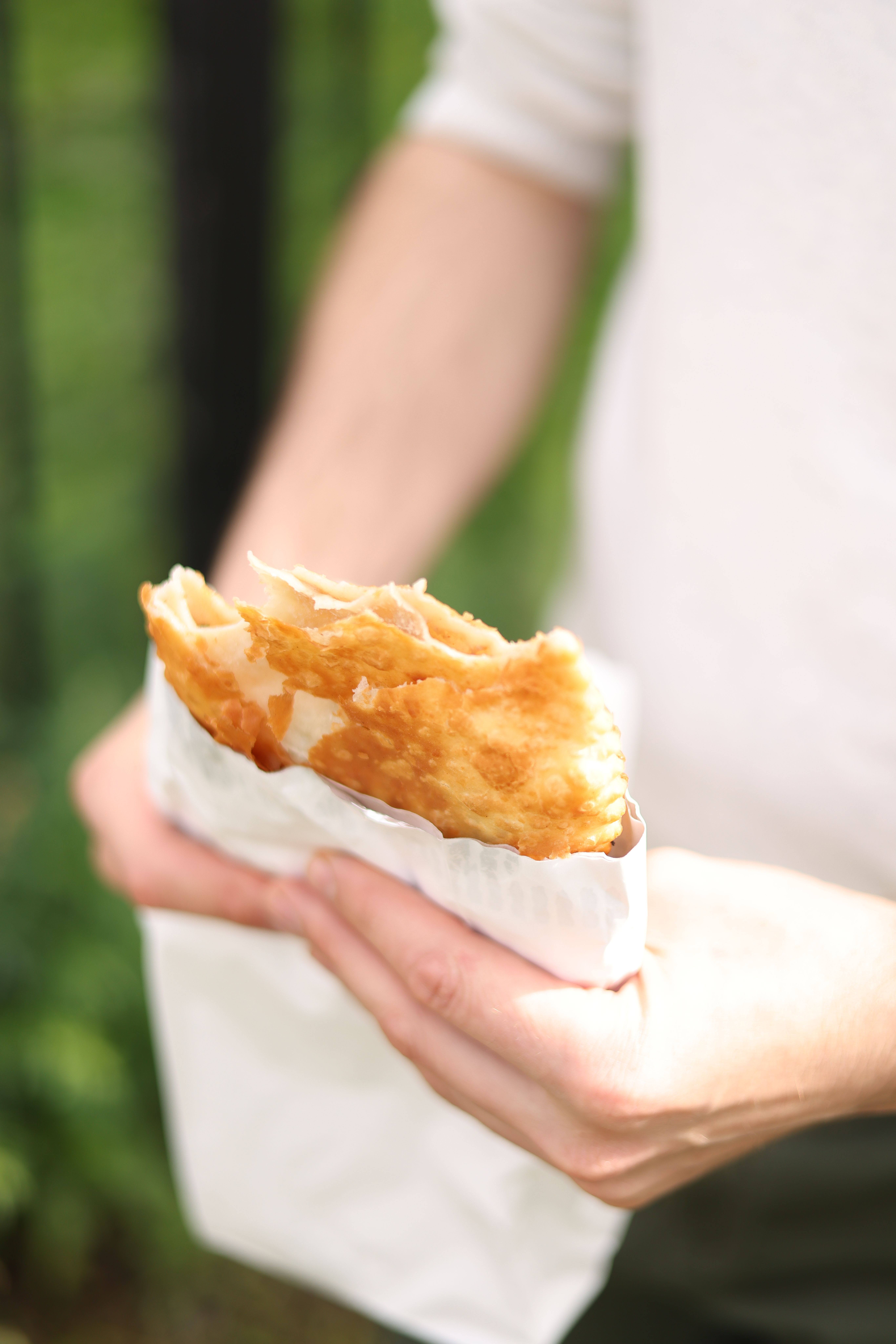
At its core, a BeaverTails pastry is made from whole-wheat dough that is hand stretched to resemble the broad tail of a beaver, then fried and finished with toppings. That format gave the product a major advantage. It was familiar enough to feel comforting, yet distinctive enough to stand apart from ordinary doughnuts or funnel cakes.
The classic topping combination of cinnamon and sugar helped anchor the brand early. From there, the menu broadened to include options such as chocolate hazelnut spread, banana slices, maple flavors, and confectioners' sugar. The variety allowed BeaverTails to appeal to both traditionalists and tourists looking for a photo-worthy indulgence.
Texture also played a major role in its appeal. A fresh BeaverTails pastry is crisp at the edges, soft in the center, and rich without being overly dense. That balance helped make it a cold-weather favorite, especially at outdoor sites where a warm fried pastry felt especially satisfying.
Ottawa gave BeaverTails the perfect stage
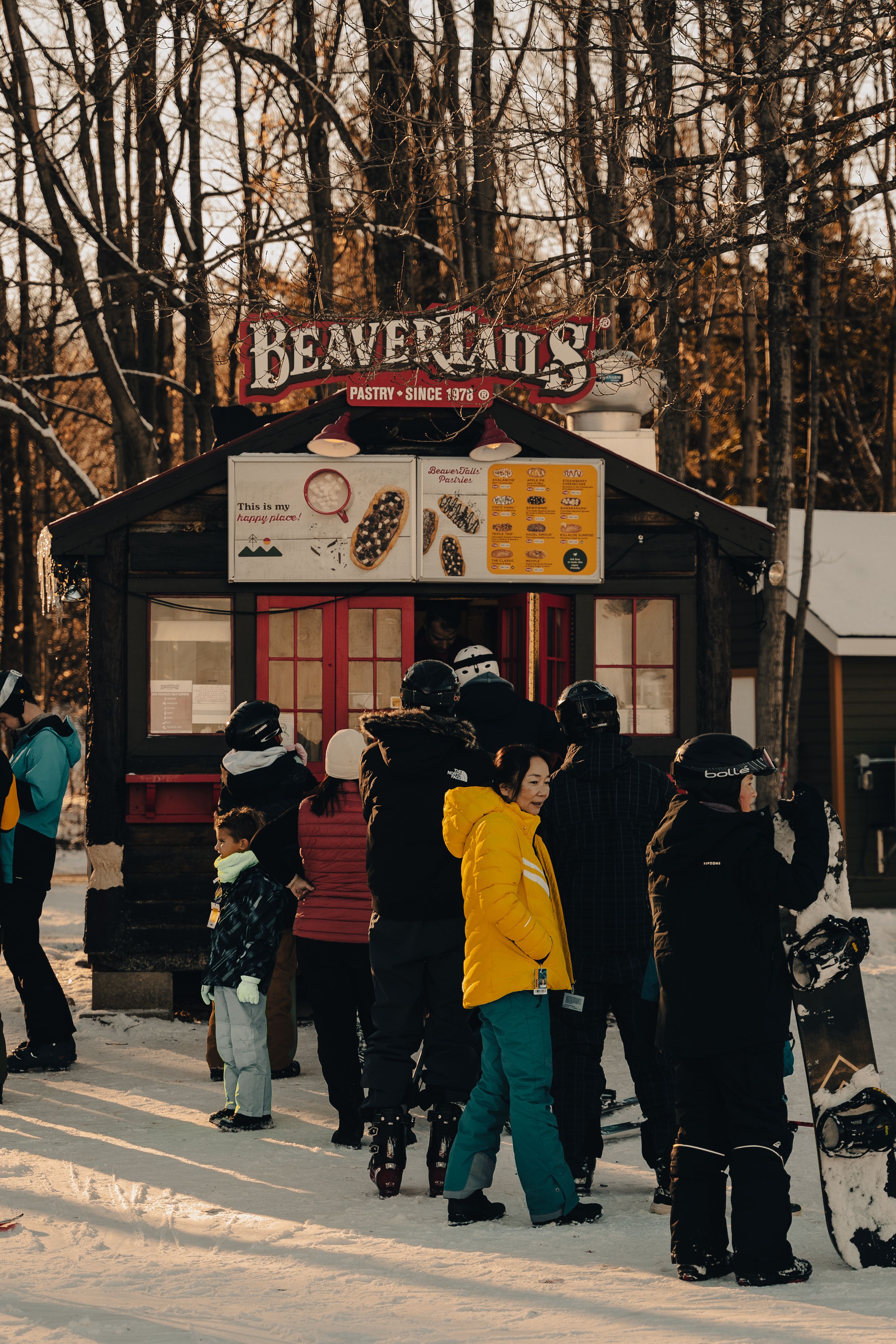
Few places could have launched BeaverTails more effectively than Canada's capital. Ottawa's seasonal rhythms, especially winter activity along the Rideau Canal, created an ideal environment for a hot handheld treat. The canal, which becomes one of the world's largest skating venues, exposed the pastry to both residents and visitors in a setting that felt unmistakably Canadian.
That connection to place mattered. BeaverTails was not sold as a generic snack but as part of an experience, something eaten after skating, sightseeing, or walking through a festival. Food businesses often succeed when they attach themselves to memory, and BeaverTails did that exceptionally well.
Over time, Ottawa became inseparable from the pastry's public identity. Even people who first encountered BeaverTails elsewhere often linked it back to the capital. In that sense, the city did not just host the brand. It helped define its meaning.
From local favorite to national symbol

Expansion transformed BeaverTails from a regional specialty into a cross-country name. Franchising allowed the company to establish locations in tourist centers, urban districts, and recreational destinations where customers were already primed for a treat. The business model worked because the product was both easy to recognize and strongly tied to Canadian imagery.
As it spread, BeaverTails joined a small category of foods that visitors actively seek out as part of the Canadian experience. Poutine may be the country's most discussed comfort food, but BeaverTails earned a special place by being portable, visual, and adaptable. It became as much a ritual purchase as a snack.
That cultural role gave the brand unusual staying power. It was not chasing novelty alone. It was selling a story about family origins, national symbolism, and the pleasure of warm food in cold weather, a combination that resonated across generations.
Obama's stop made global headlines
One of BeaverTails' most famous moments came in February 2009, when U.S. President Barack Obama visited Ottawa on his first foreign trip after taking office. During the visit, he made an unscheduled stop at a ByWard Market BeaverTails location, where he ordered the pastry and greeted a crowd that quickly turned the moment into a media event.
The stop mattered because it felt spontaneous and human. Political visits are usually rigidly managed, so a leader pausing for a local pastry offered a rare glimpse of informality. News organizations across North America covered it, and BeaverTails suddenly gained a publicity moment that money could never easily buy.
The company later commemorated the visit with the "ObamaTail," a version topped with cinnamon, sugar, and a maple-flavored element. More importantly, the episode reinforced BeaverTails as a diplomatic soft-power symbol, one of those foods that can introduce a place better than a speech can.
Why BeaverTails still matters today

BeaverTails has endured because it sits at the intersection of taste, memory, and identity. Many food trends fade once novelty wears off, but this pastry has remained relevant by staying rooted in its original strengths: handmade preparation, recognizable form, and a strong connection to Canadian culture.
It also benefits from versatility. A BeaverTails pastry works as street food, comfort food, tourist food, and nostalgic food all at once. Few products manage to serve so many emotional roles without losing clarity in what they are.
Most of all, the brand proves that a simple idea, executed well, can travel far. Grant and Pam Hooker started with a family-inspired fried pastry in Ottawa. Decades later, it remains one of Canada's sweetest success stories, and one that even a U.S. president found impossible to pass up.

Leave a Reply