
Canadians are seeing a new buzzword everywhere in the grocery aisle. "Anti-inflammatory" has quickly become one of the most visible health-driven food claims of the year.
A wellness term has become a retail strategy
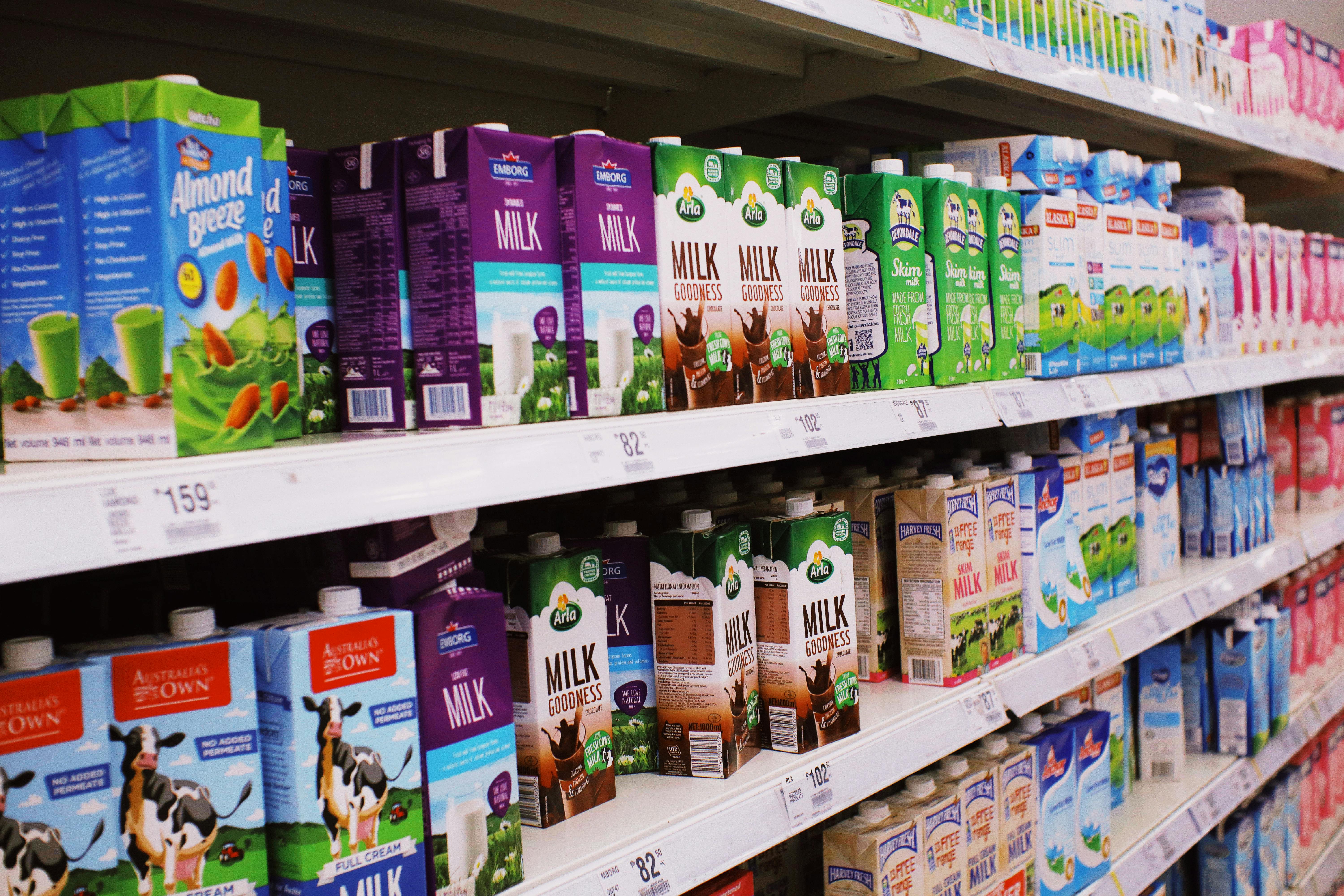
What began as a clinical concept is now a powerful marketing cue. A 168% rise in anti-inflammatory food claims in Canada points to more than a passing fad. It shows that brands have identified inflammation as a health concern consumers already recognize, even if they do not always define it precisely. In practical terms, the phrase suggests a product may support better long-term health, energy, digestion, or recovery.
Part of the appeal is that inflammation connects to many common worries. People hear about chronic inflammation in discussions about heart disease, arthritis, gut health, skin issues, and metabolic disorders. Because the topic spans so many conditions, it gives food companies a flexible way to speak to broad audiences without focusing on one diagnosis. That makes the claim commercially useful in a crowded market.
The wording also feels more proactive than restrictive. "Low sugar" and "low sodium" ask shoppers to avoid something. "Anti-inflammatory" implies a benefit. That shift matters in consumer psychology, because people often respond better to foods framed as adding wellness rather than removing risk.
Shoppers are looking for food that feels functional

A major driver behind the increase is the mainstreaming of functional eating. Canadians are not only buying food to satisfy hunger. They increasingly want products that appear to help with sleep, immunity, focus, recovery, and healthy aging. Anti-inflammatory language fits neatly into that broader movement, sitting alongside claims tied to protein, gut health, and antioxidants.
Rising food prices have also changed how people think about value. When groceries cost more, shoppers often want a stronger reason to choose one product over another. A package that promises anti-inflammatory ingredients such as turmeric, ginger, berries, olive oil, flax, or omega-3-rich seeds can appear to offer more than basic nutrition. It can feel like food and self-care in one purchase.
This trend is especially visible in categories already associated with health. Soups, snack bars, beverages, cereals, frozen bowls, and dairy alternatives are all good vehicles for this kind of message. Brands do not need to invent entirely new eating habits. They can layer wellness language onto foods consumers already buy.
Social media has helped turn ingredients into signals
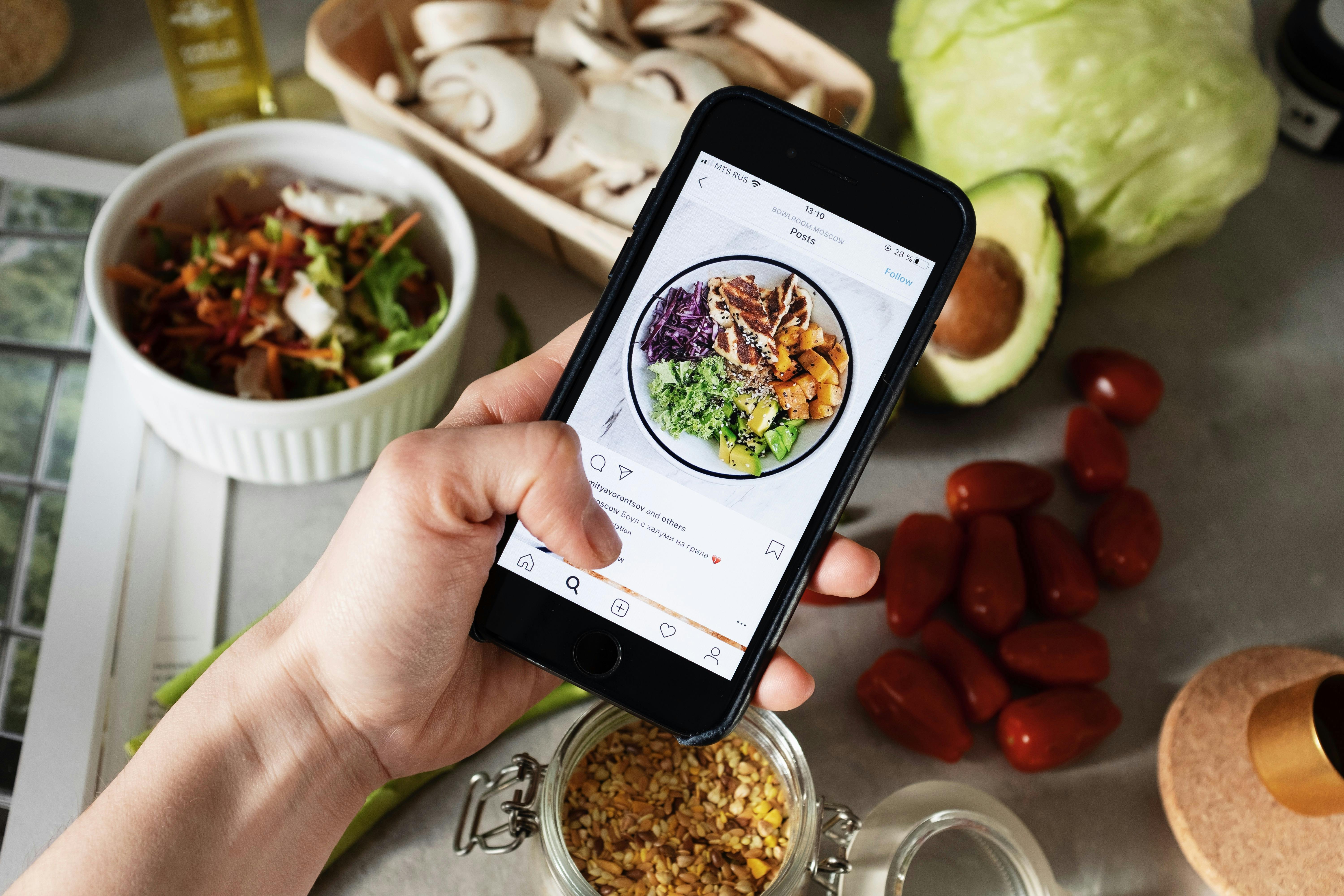
The digital health ecosystem has played a major role in popularizing the idea. On TikTok, Instagram, YouTube, and wellness blogs, anti-inflammatory eating is often presented through easy swaps, ingredient lists, and morning routine content. Turmeric shots, tart cherry drinks, leafy greens, salmon bowls, and seeded crackers are regularly framed as simple tools for reducing inflammation.
That content works because it is visual, repeatable, and easy to imitate. A consumer may not read a scientific review, but they will remember a creator describing swollen joints, bloating, or fatigue and then naming foods that supposedly helped. Over time, repeated exposure turns certain ingredients into shorthand for health, whether or not the evidence is equally strong for every product using the claim.
Brands have adapted quickly. Packaging now often highlights botanical ingredients, spices, whole grains, and healthy fats in a way designed to match what consumers already see online. In that sense, social media is not just spreading nutrition ideas. It is shaping product design and label language.
The science is real, but the claims can get fuzzy
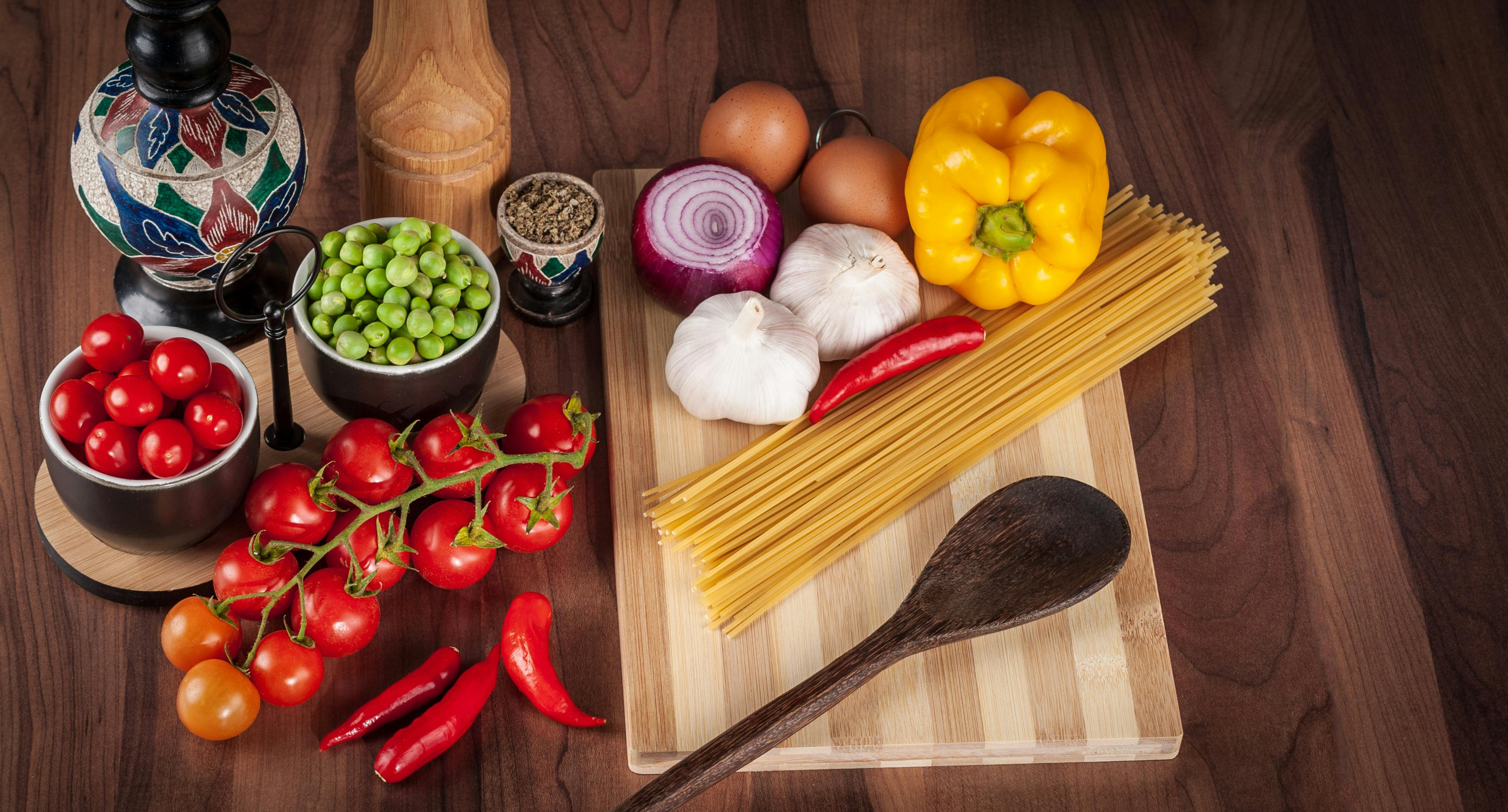
There is legitimate science behind anti-inflammatory dietary patterns. Research has long linked diets rich in fruits, vegetables, legumes, nuts, fish, olive oil, and minimally processed foods with lower levels of inflammatory markers and better cardiometabolic health. The Mediterranean-style pattern is one of the best-known examples. It supports the broad idea that overall eating habits can influence inflammation.
The challenge is that evidence usually applies to dietary patterns, not single packaged foods. A cracker containing flax or a beverage with ginger is not automatically anti-inflammatory in a clinically meaningful sense. The rest of the formula still matters, including added sugar, refined starches, sodium, and processing level. That gap between pattern-based science and product-level marketing creates room for confusion.
Regulators generally take a careful view of disease-related claims, but softer wellness language can be harder to police. As a result, "anti-inflammatory" may sometimes function more as an aura than a rigorously defined benefit. That does not make every claim misleading, but it does mean shoppers should read beyond the front of the package.
Manufacturers are using the claim to refresh mature categories

For food companies, anti-inflammatory language offers a way to modernize familiar products without fully reinventing them. A granola, broth, yogurt alternative, or frozen entrée can be repositioned through ingredients already associated with wellness. Add turmeric, chia, walnuts, spinach, pulses, or extra-virgin olive oil cues, and the product can suddenly feel current and premium.
Private-label retailers and emerging health-focused brands are both participating. Smaller brands often move first, using cleaner ingredient decks and strong storytelling to appeal to early adopters. Larger manufacturers then follow, especially once a claim shows traction across natural food stores, e-commerce platforms, and mainstream supermarkets. Canada's multicultural food landscape also helps, since many globally familiar ingredients already carry healthy reputations.
This is not unusual in the food business. Claims evolve with consumer anxieties and aspirations. Years ago, the focus was fat-free, then high-protein, then gut-friendly. Anti-inflammatory branding is the latest example of how nutrition science, selective interpretation, and merchandising often meet on the same package.
What Canadians should watch for next

The next phase of this trend will likely be more specific and more competitive. Instead of using anti-inflammatory as a broad umbrella, brands may start tying it to adjacent concerns such as women's health, sports recovery, healthy aging, and digestive comfort. Expect more products built around polyphenols, omega-3s, fermented ingredients, pulses, and spice blends with recognizable functional narratives.
At the same time, scrutiny will probably increase. Nutrition experts are pushing consumers to ask whether a product supports an anti-inflammatory diet overall, rather than simply featuring one fashionable ingredient. A berry drink loaded with sugar or a snack with refined fillers may not deliver what the label implies. That distinction matters as wellness language becomes more sophisticated.
For shoppers, the smartest approach is simple. Treat anti-inflammatory claims as a starting point, not a verdict. Foods closest to their original form still carry the strongest evidence, while packaged products deserve a closer look at ingredient quality and the full nutrition panel.




Leave a Reply