
Few pasta debates are as satisfying as this one. Alfredo and carbonara look similar at a glance, yet they create very different dinners.
What makes each sauce distinct

At first bite, the biggest difference is where the creaminess comes from. Alfredo is built around butter, cheese, and in many modern home versions, heavy cream. Carbonara creates its silky texture from eggs, Pecorino Romano, pasta water, and rendered pork fat, usually guanciale or pancetta.
That distinction matters because the flavor profiles move in different directions. Alfredo tastes mellow, buttery, and round, with Parmesan often bringing a nutty finish. Carbonara is sharper, saltier, and deeper, thanks to cured pork, black pepper, and aged sheep's milk cheese.
In culinary terms, carbonara is the more technique-driven sauce. The eggs must warm enough to thicken without scrambling, which is why timing and residual heat matter. Alfredo is generally more forgiving, especially the cream-based American style that stays stable on the stove.
The history behind the bowl

One useful way to choose between these sauces is to understand what they were meant to be. Fettuccine Alfredo is associated with Alfredo di Lelio in early 20th-century Rome, where the original preparation was simply pasta tossed with butter and Parmigiano-Reggiano for maximum richness and shine.
Carbonara has a different story and a more debated origin. Food historians often place its rise in mid-20th-century Rome, with some linking it to wartime ingredients like eggs and cured pork. What is clear is that traditional carbonara became a cornerstone of Roman pasta cooking.
Today, many diners know Alfredo through restaurant menus in the United States rather than from its Roman roots. Carbonara, by contrast, is still widely discussed in terms of authenticity, especially regarding cream, garlic, and bacon substitutions. That cultural difference influences expectations before the fork even hits the plate.
Flavor, texture, and overall richness
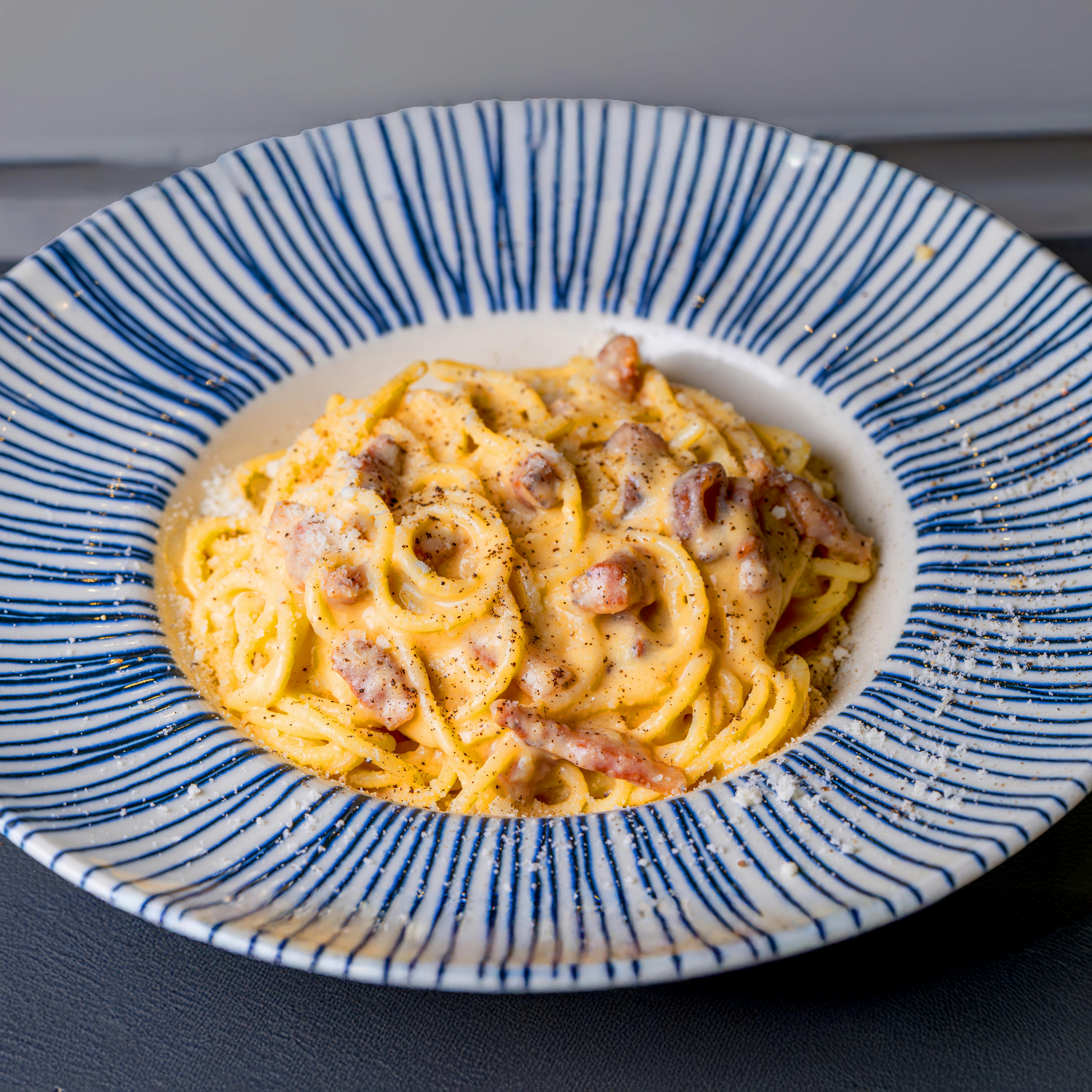
If your dinner mood leans toward gentle comfort, Alfredo usually wins. Its taste is soft and creamy, and it easily welcomes add-ins like chicken, broccoli, shrimp, or mushrooms. Because the sauce is less assertive, it can act as a rich backdrop rather than the star.
Carbonara is more direct and more dramatic on the palate. The cured pork brings bursts of savory intensity, while black pepper adds heat and edge. Pecorino Romano contributes a tangy, salty punch that makes each bite feel livelier than Alfredo.
Texture also separates them in a meaningful way. Alfredo often sits thicker and heavier on noodles, especially when cream is used generously. Carbonara should cling in a glossy, fluid layer, creating richness without the same weight, though it can still feel indulgent and deeply satisfying.
Which sauce is easier to cook at home
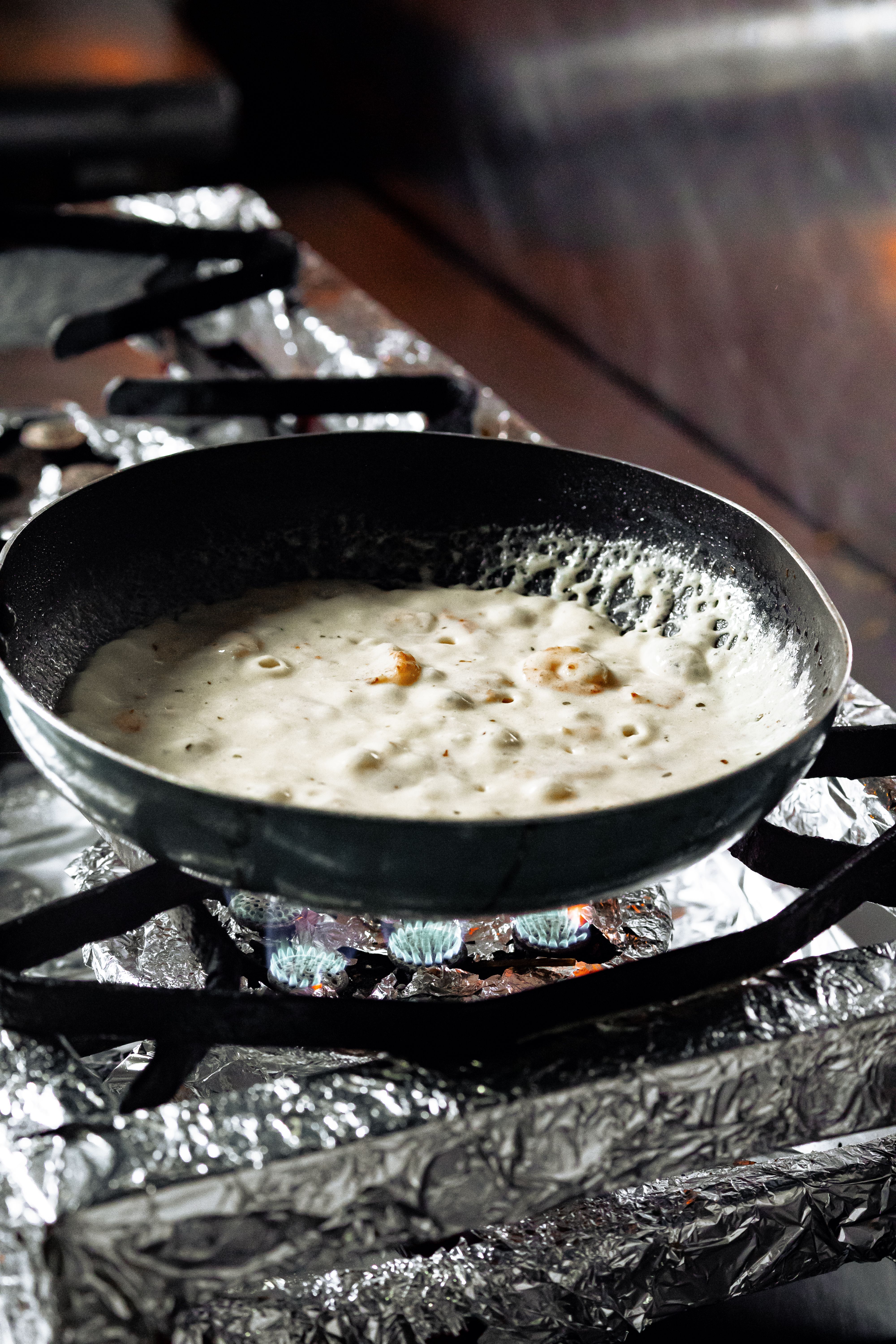
For many home cooks, Alfredo is the lower-stress option. You can melt butter, stir in cream if using it, add grated cheese, and adjust consistency with pasta water. Even if proportions are imperfect, the result is usually pleasant and recognizable.
Carbonara asks for more attention, but not necessarily more time. The challenge is managing heat so the egg-and-cheese mixture emulsifies smoothly. Professional chefs often note that carbonara is quick but unforgiving, because a few extra seconds over direct heat can turn the sauce grainy.
Ingredient sourcing can also affect convenience. Alfredo relies on staples many households already buy, particularly butter, cream, and Parmesan. Carbonara is best with guanciale and Pecorino Romano, and while pancetta works well, the sauce loses some of its classic Roman character when key ingredients are swapped too freely.
Pairings, occasions, and who will enjoy them
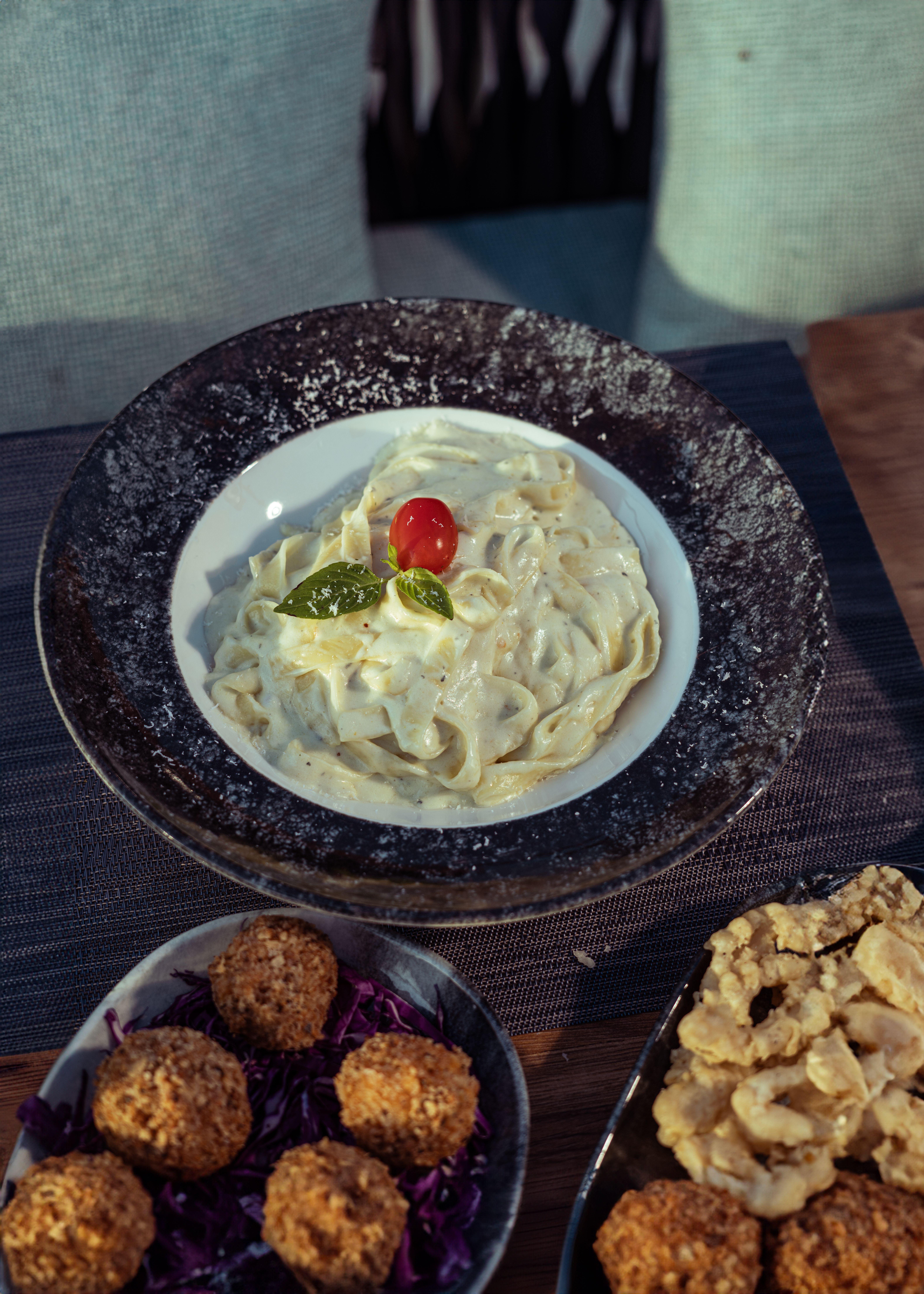
Dinner choice often comes down to the people at the table. Alfredo is usually the safer crowd-pleaser for children, picky eaters, or anyone sensitive to peppery, salty flavors. Its familiar richness also pairs well with garlic bread, green salads, and simple roasted vegetables.
Carbonara tends to appeal to diners who enjoy stronger savory notes. It suits smaller, more focused meals where the pasta is the main event rather than one component among many. A crisp salad with bitter greens can balance it well, since the sauce already brings plenty of fat and salt.
There are practical considerations too. Alfredo adapts more easily to added protein and vegetables, making it useful for weeknight fridge cleanouts. Carbonara is better when you want a dish that feels classic, intentional, and restaurant-worthy without requiring a long ingredient list or hours at the stove.
How to decide what belongs on tonight's table
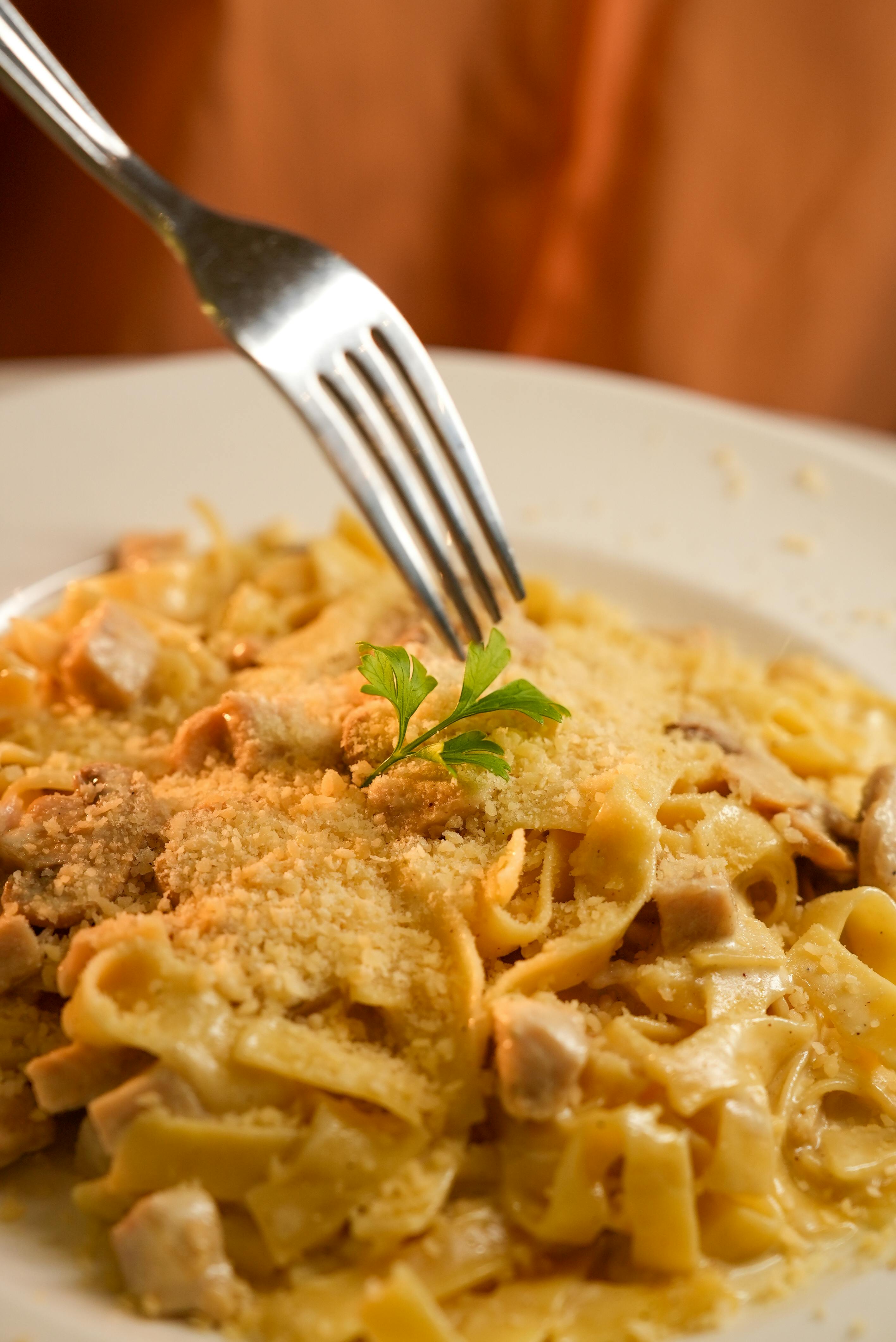
When choosing between them, start with the mood of the meal. If you want a cozy, creamy, highly customizable dinner, Alfredo is probably the better match. It is especially effective when serving a group with mixed preferences or when you want leftovers that reheat reasonably well.
Choose carbonara when you want sharper flavor and a more traditional Italian profile. It feels a bit more special because the balance of egg, cheese, pork, and pepper depends on good timing. Done right, it tastes elegant without being fussy.
In the end, neither sauce is better in every situation. Alfredo is the comfort-first classic, while carbonara is the bold, technique-driven choice. If tonight calls for ease and broad appeal, go Alfredo. If you want character and a true Roman-style punch, carbonara is the sauce to beat.




Leave a Reply