
AI has entered the test kitchen. In Canada, it is helping restaurants decide what diners may see on the menu next.
Why Canadian restaurants are inviting AI into menu planning

Across Canada, restaurant operators are facing intense pressure from food inflation, labour shortages, and shifting customer habits. In that environment, AI is becoming less of a novelty and more of a practical business tool. It can scan menu trends, compare pricing, and suggest dish concepts in minutes rather than days.
That speed matters. According to reporting from Restaurant Business, some foodservice companies are already using AI to cut recipe development time dramatically by analyzing sales patterns, ingredient lists, and seasonal demand. For multi-unit operators in Canada, that kind of efficiency can help teams react faster to rising costs or changing tastes.
The appeal is not only operational. AI can also act as a brainstorming partner, especially for small culinary teams that do not have dedicated analysts or large R&D departments. In a market where every new item must justify its place, AI offers a quicker route to a first draft.
How chefs are using it to build dishes and descriptions

The most common use case is not full automation. It is assisted creativity. Chefs and menu developers are asking AI to organize trend research, compare competitors, and sort through possible flavour combinations before they ever start cooking.
Restaurant Business highlighted how Piada Italian Street Food used ChatGPT as a sounding board for beverage development. After reviewing menu data and trend signals, the system helped narrow a broad pool of flavours to combinations such as strawberry, watermelon, and cantaloupe. The final product still required human testing, refinement, and judgment.
AI is also being used for menu language. Developers can feed in overly dense descriptions and ask for cleaner, more concise versions that marketing teams can polish. In a bilingual and highly competitive country like Canada, that ability to simplify and sharpen menu copy has clear commercial value.
Where AI performs well, and where it clearly falls short

AI is good at pattern recognition. It can quickly identify ingredient pairings, seasonal trends, pricing gaps, and category opportunities that might take a person much longer to compile. For restaurant groups managing many locations, that analytical advantage can translate into better planning and fewer weak launches.
But there is a hard limit. AI does not taste sweetness, smell herbs, or notice when a sauce feels heavy on the palate. It cannot sense hospitality, local mood, or the emotional reason a certain dish resonates in a dining room on a cold Toronto night or during patio season in Vancouver.
Chefs who use it most effectively tend to treat it like an informed assistant, not an authority. They use it to generate options, test assumptions, and speed up technical work. The sensory and cultural decisions still belong to people.
Why some chefs see opportunity while others see creative risk
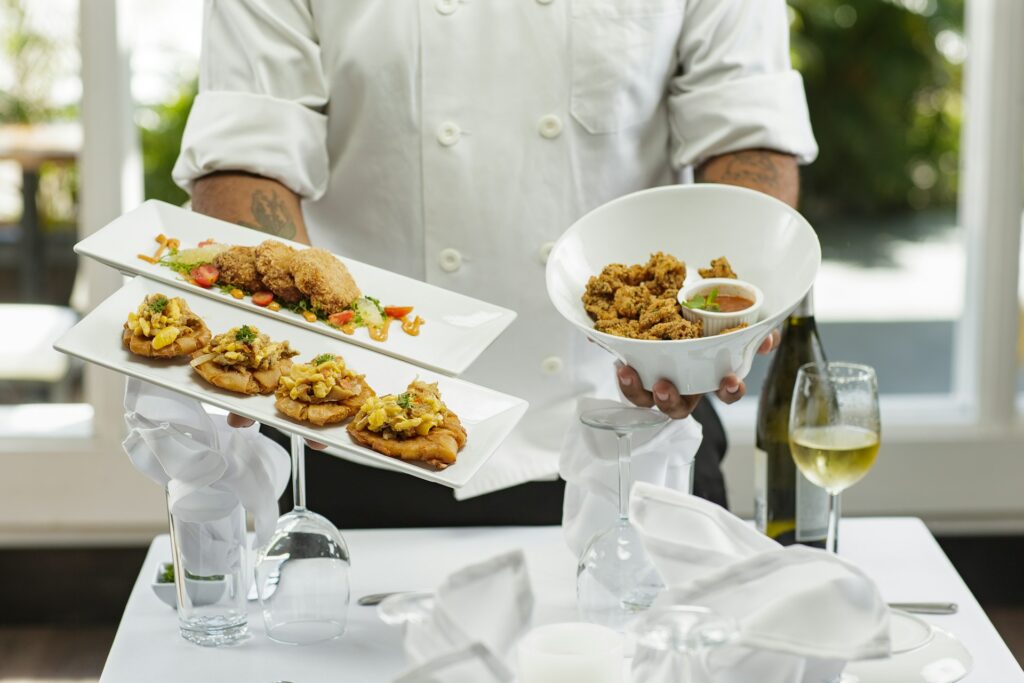
Supporters argue that AI frees chefs from repetitive tasks and leaves more room for actual cooking. If a system can sort market data, model food costs, and offer a rough recipe structure, culinary teams can spend more time tasting, adjusting, and presenting dishes with personality.
Skeptics worry about sameness. If many restaurants rely on similar prompts and the same pools of trend data, menus could begin to converge around predictable flavours, buzzwords, and visual styles. That is a serious concern in Canada, where regional identity and multicultural influence are central to modern dining.
There is also a philosophical divide. For some chefs, menu creation is deeply personal and rooted in memory, technique, and place. Handing any part of that process to software can feel less like efficiency and more like a compromise of craft.
Fine dining, fast casual, and the different Canadian stakes
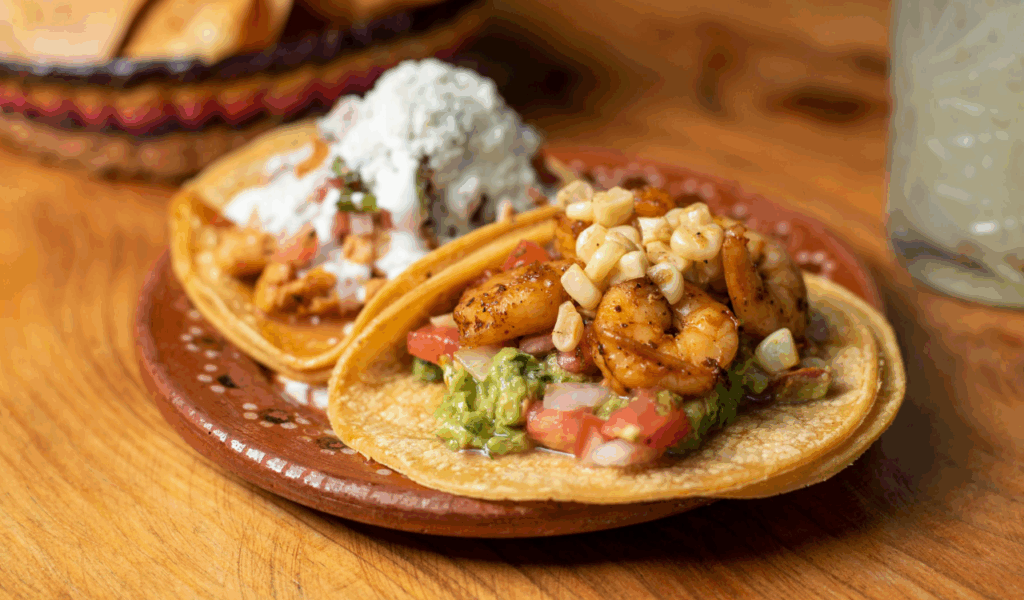
AI's role looks different depending on the restaurant model. Fast-casual chains and campus or corporate foodservice operations stand to gain the most from its analytical strengths. They need speed, consistency, and pricing precision, all areas where AI can provide measurable support.
Fine dining uses are more experimental. Restaurant Business described chefs using AI to imagine fictional culinary personas, test fermentation questions, and refine technical processes. That approach may appeal to innovation-driven kitchens in cities such as Montreal and Toronto, where diners often reward novelty and storytelling.
Still, the stakes are different. A chain can benefit from a 10% to 15% profit lift through menu engineering. A fine-dining restaurant, however, may care more about originality than optimization. In those kitchens, AI is more likely to remain a lab partner than a lead voice.
What the future of AI-designed menus in Canada may look like
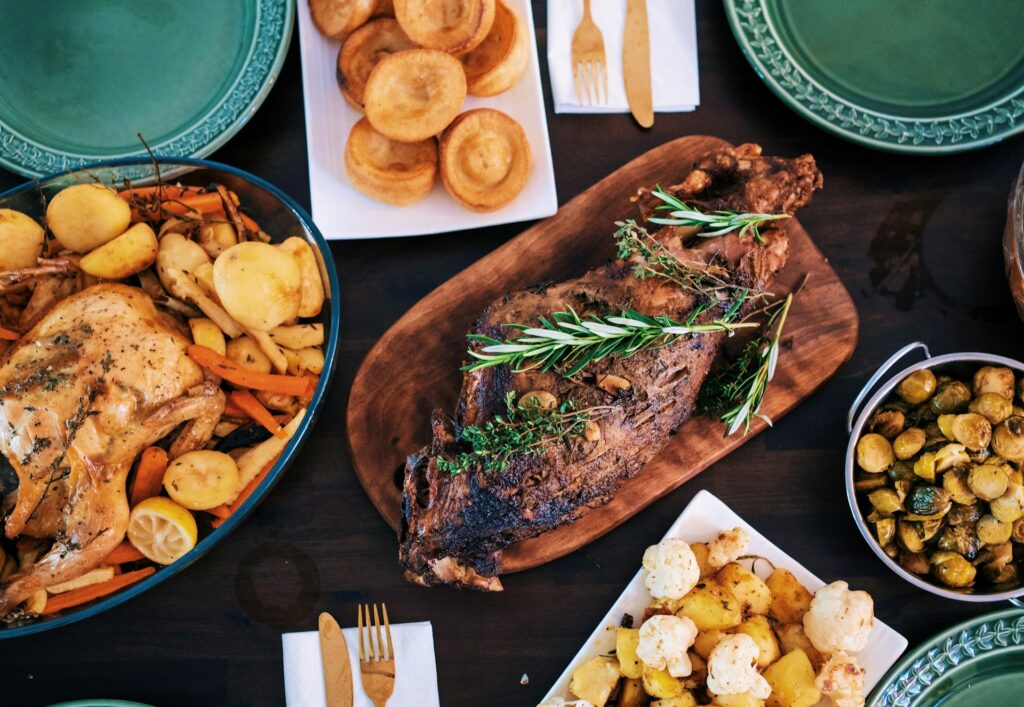
The most likely outcome is not chef versus machine. It is chef with machine, under strict human control. AI will probably become a standard layer in menu planning, helping restaurants evaluate pricing, forecast ingredient pressure, and draft concepts before chefs step in to do the real creative and sensory work.
Canadian operators will also have to think about data quality, brand voice, and trust. An AI system is only as useful as the information and prompts behind it. Bad inputs can lead to bland ideas, inaccurate food guidance, or menu decisions detached from the actual guest.
That is why chefs remain divided but engaged. AI is proving it can make menu development faster and, in some cases, more profitable. What it still cannot do is replace taste, instinct, and the lived culinary experience that turns a dish into something worth returning for.



Leave a Reply