
A generous tip was already on the table. Then a single overheard comment shifted the mood completely.
A Simple Plan Took an Unexpected Turn

At first, this looked like an ordinary act of kindness. A woman dining out had every intention of leaving a $50 tip, likely far above the standard 15% to 20% many Americans still use as a benchmark for restaurant service. In an industry where servers often rely heavily on gratuities because base pay can be low, that kind of tip can make a real difference in a shift.
Stories like this resonate because tipping is never just about money. It often reflects appreciation, empathy, and the customer's reading of effort, attitude, and care. Many diners tip generously when they feel seen, welcomed, and respected, especially in a service economy where emotional labor is a major part of the job.
But generosity can be fragile. The moment she overheard a comment, the meaning of the interaction changed. What had been a positive dining experience was suddenly filtered through a new lens, and that is often enough to make someone rethink not only the amount they leave, but the principle behind it.
Why One Comment Can Change the Entire Experience

A restaurant meal is shaped as much by tone as by food. People remember whether staff members were warm, patient, dismissive, or mocking, and hospitality experts have long noted that a guest's emotional impression influences spending decisions just as much as speed of service or menu quality. That is why one careless remark can undo an hour of otherwise competent service.
What matters in moments like this is context. If the comment sounded rude, entitled, or contemptuous, the woman may have felt that her generosity was being taken for granted rather than earned. That reaction is understandable. Tipping, after all, is voluntary in most dining settings, even when social pressure makes it feel mandatory.
Psychologists who study fairness often find that people are willing to reward effort but recoil when they sense disrespect. In practical terms, a diner might excuse a delayed drink or a forgotten sauce, but find an arrogant aside impossible to ignore. The emotional weight of disrespect tends to linger longer than small service mistakes.
The Larger Pressure Surrounding Tipping Culture
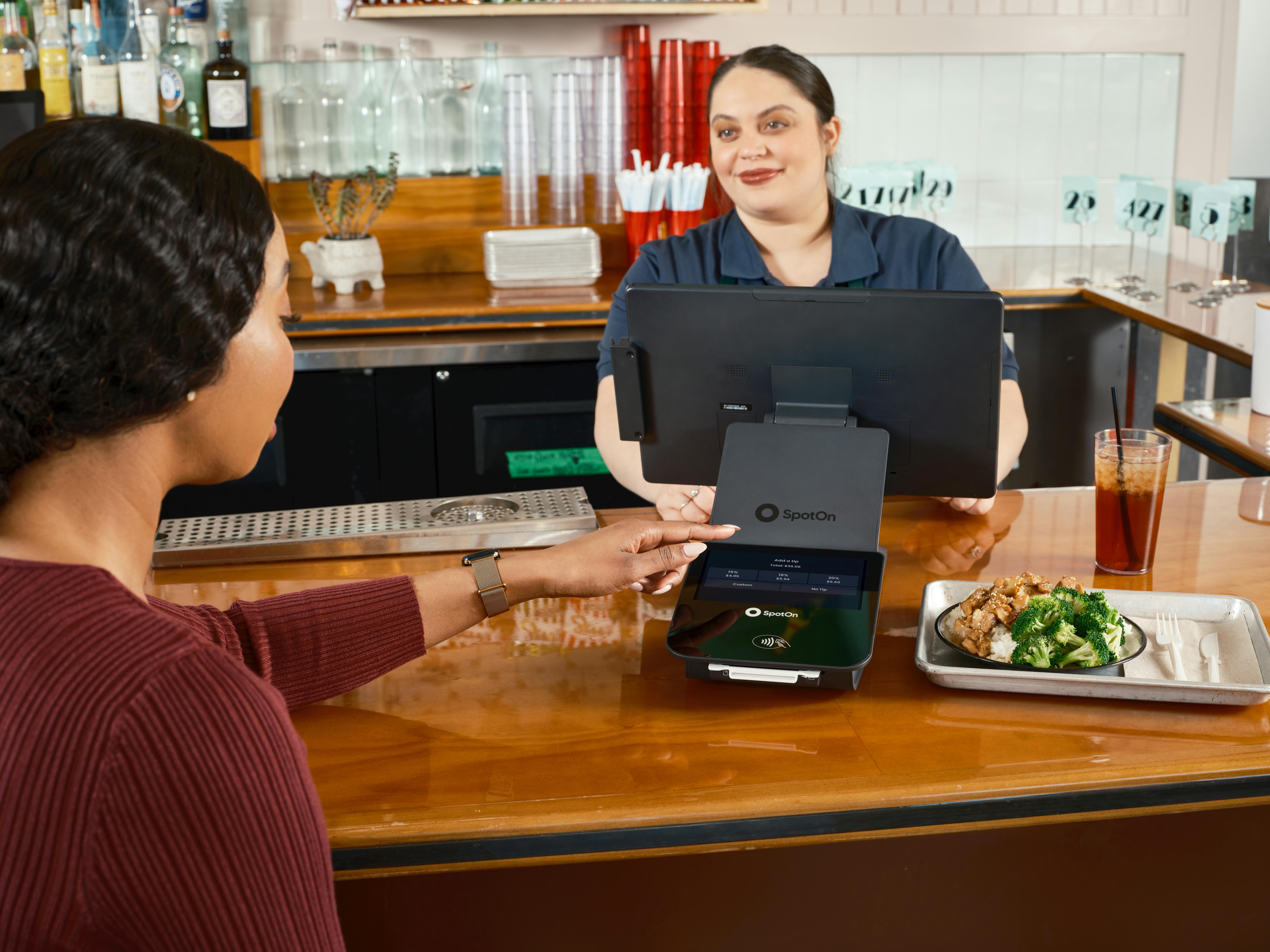
This kind of story also lands in a broader debate about tipping in America. Over the past several years, consumers have reported fatigue with tip prompts appearing everywhere from coffee counters to self-checkout kiosks. Surveys from financial and consumer research firms have shown growing frustration, especially when customers feel they are being pushed to subsidize wages without receiving meaningful service.
Restaurant workers, however, are navigating their own pressure. In many states, tipped employees can still earn a base wage below the standard minimum wage, with the expectation that gratuities will close the gap. That structure creates instability and emotional strain, because income can hinge on customer mood, table volume, and even bias.
So when a diner changes a tip after hearing something offensive, it becomes more than a personal decision. It reflects the uneasy system itself, where gratitude, resentment, expectation, and survival all meet at the receipt. That tension is one reason these stories spread so quickly and spark such strong opinions.
Respect Often Matters More Than Technical Perfection

One reason this story feels so relatable is that many people do not expect flawless service. They expect basic professionalism. A server can be busy, the kitchen can fall behind, and mistakes can happen, but customers usually respond well when they sense honesty and respect rather than attitude or contempt.
Hospitality training consistently emphasizes this point. Guests are far more likely to forgive delays when communication is clear and courteous. A sincere apology, eye contact, and a calm explanation often protect goodwill better than polished efficiency alone. In contrast, a sarcastic comment overheard at the wrong moment can erase nearly everything that went right.
For customers, tipping then becomes a reflection of values. Some will still leave something modest out of principle, believing workers should not lose all compensation over one bad comment. Others will reduce the amount sharply, arguing that gratuity is meant to recognize service, and respect is part of service.
What Diners and Workers Can Both Learn From It

There is a practical lesson here for diners. If something clearly changes the experience, adjusting the tip is one of the few immediate tools customers have to express that reaction. Still, many etiquette experts suggest matching the response to the offense. A minor irritation may call for moderation, while open disrespect may justify a much stronger statement.
For workers, the lesson is equally direct. Private frustration is understandable in a stressful job, but in public-facing roles, comments carry risk even when they seem offhand. Dining rooms are intimate spaces. Guests hear more than staff often realize, and one sentence can affect not just a table's tip, but the reputation of the establishment.
Managers also play a part. Strong workplace culture, fair scheduling, and better pay structures can reduce the burnout that often spills into customer interactions. When employees feel supported, the odds of bitter or careless remarks usually fall, which benefits everyone in the room.
A Small Moment That Speaks to a Bigger Truth

In the end, the most striking part of this story is not the dollar amount. It is how quickly goodwill can disappear when respect does the same. A woman walked in ready to reward what she thought was deserving service, and a single comment forced her to reconsider what, exactly, she was rewarding.
That is why the story stays with people. It is not simply about whether she left $50, less than that, or nothing at all. It is about the unwritten contract at the center of hospitality: customers should treat workers decently, and workers should treat customers with dignity. Once that balance breaks, the tip becomes a verdict, not a thank-you.




Leave a Reply