
Avocados can feel like a gamble at the store. But chefs know there is one reliable trick that takes much of the guesswork out of it.
The real trick is checking the stem button first
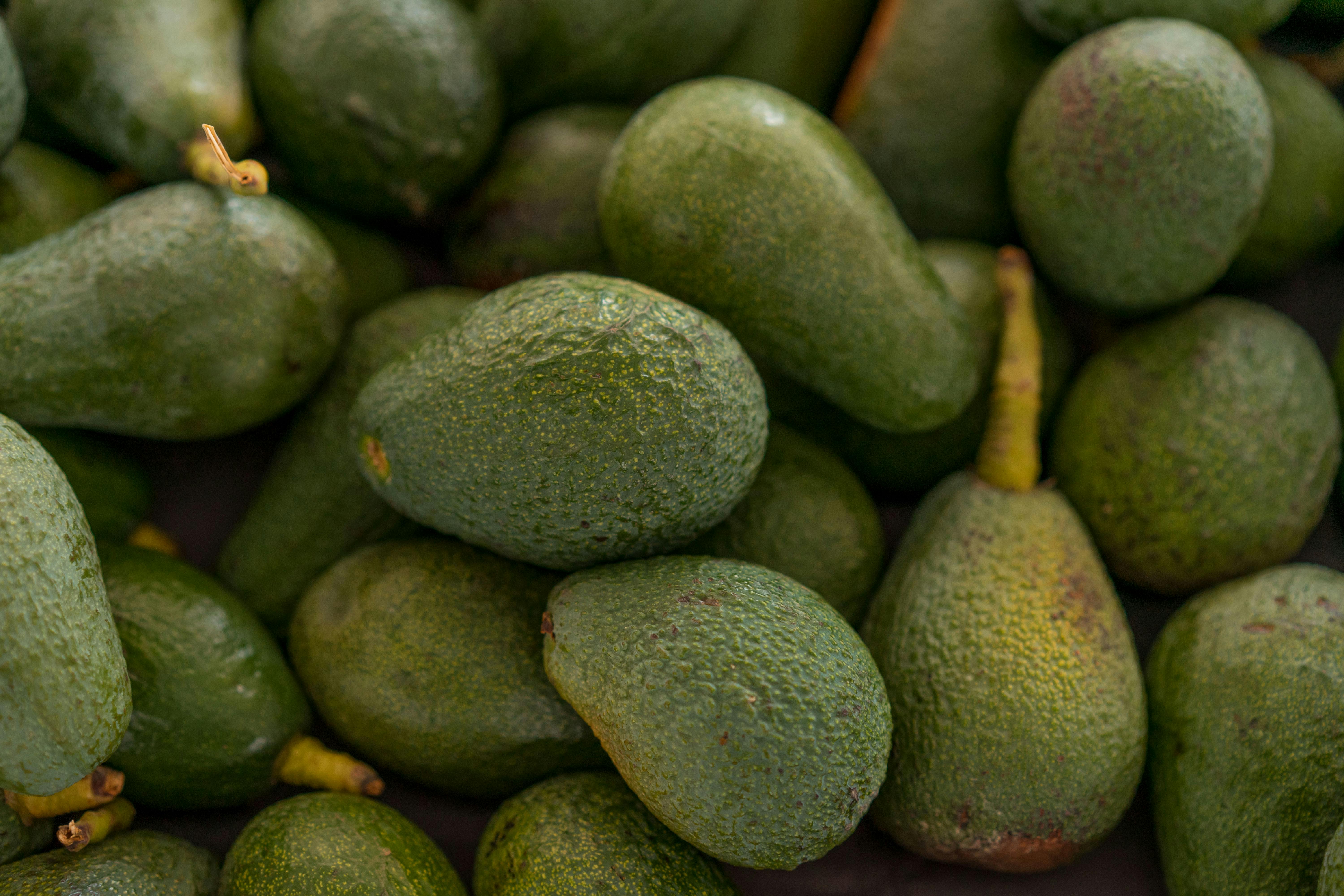
Most people squeeze an avocado right away, but the smartest first move is to look at the small stem cap at the top. Many chefs use this quick check because it reveals what is happening just under the skin without bruising the fruit. If that little button lifts off easily and the flesh underneath is green, the avocado is usually ripe and ready.
If the stem cap will not budge, the avocado likely needs more time. If it comes off and the color underneath is brown, the fruit may already be overripe inside, even if the outside still looks fine. This simple stem test is widely favored in professional kitchens because it gives useful information fast and causes less damage than repeated squeezing in the produce aisle.
Why the stem test works better than squeezing alone
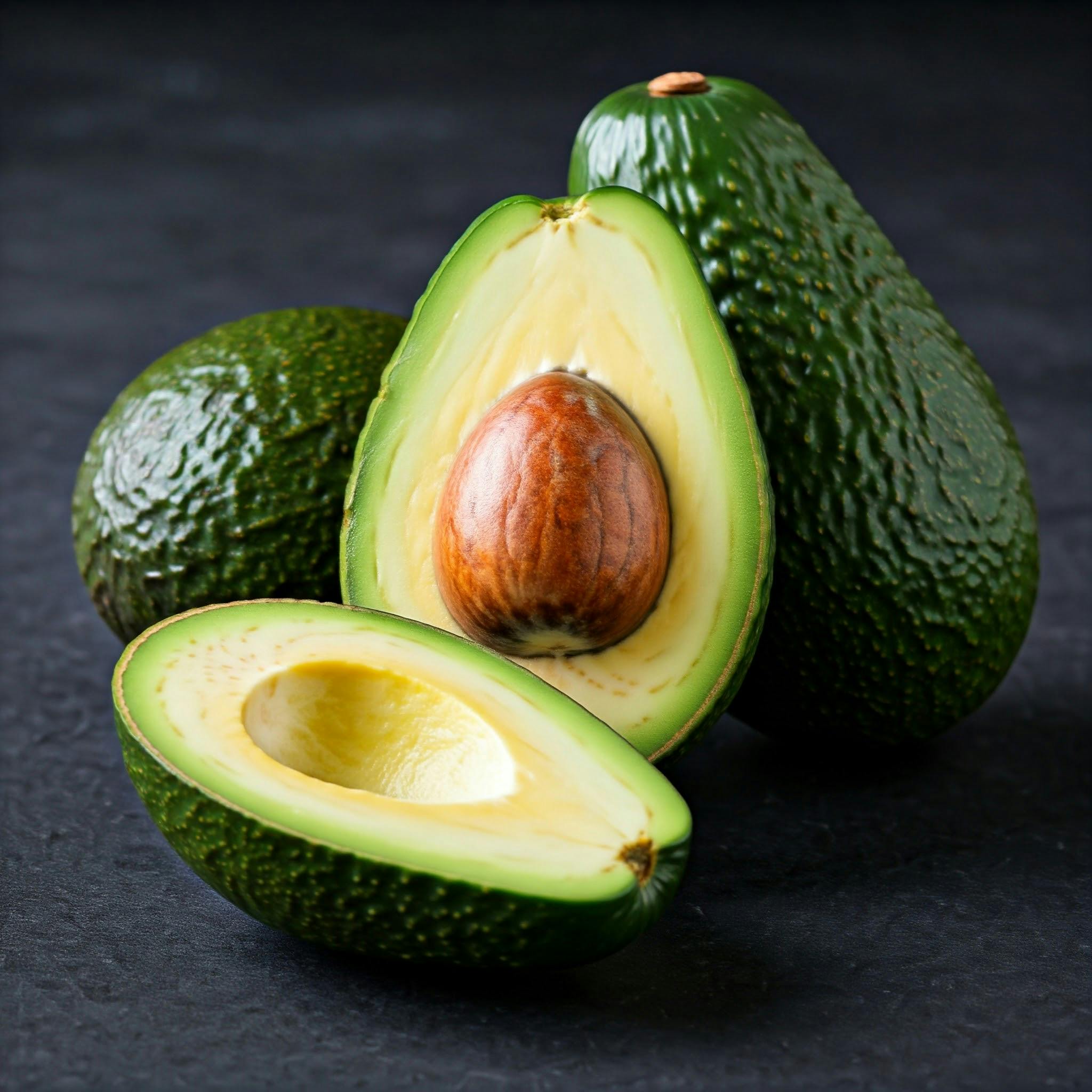
Ripening in avocados begins inside as starches convert and the flesh softens. According to produce experts, the area beneath the stem often shows those changes early, which is why it can serve as a reliable indicator of maturity. That makes the stem check a more precise starting point than pressing randomly on the sides.
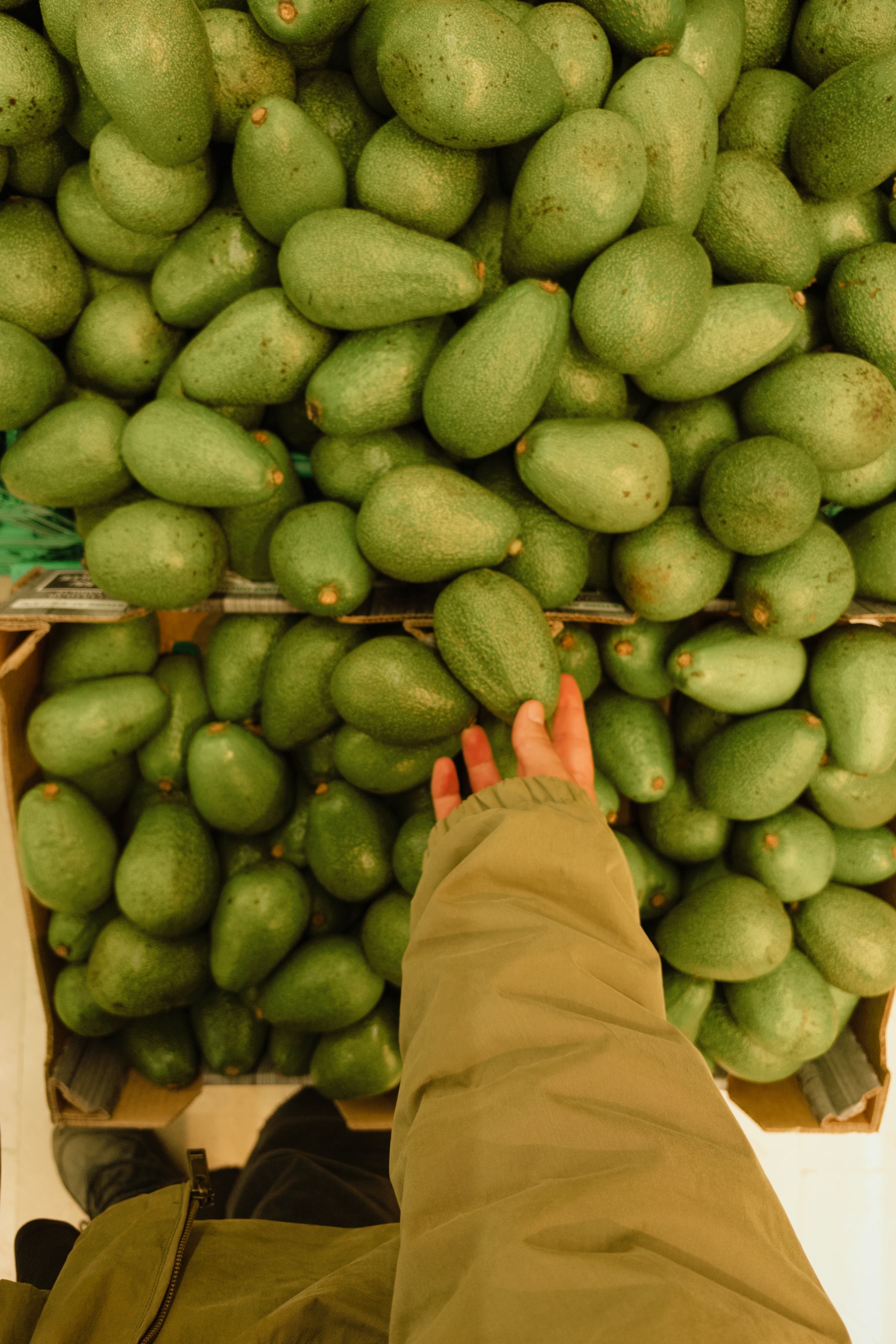
Squeezing still has a place, but it should come second. A ripe Hass avocado should yield slightly to gentle pressure in the palm of your hand, not collapse under fingertips. Pressing too hard can create bruises that appear later as dark strings or mushy spots, which is exactly why chefs prefer a lighter, more informed approach.
Color matters, but only if you know the variety
Here is where many shoppers get fooled. Hass avocados, the most common type in many supermarkets, usually darken from bright green to a deeper purplish-green or nearly black as they ripen. That visual shift helps, but it is not a perfect signal on its own because temperature, handling, and growing conditions can affect appearance.
Other varieties complicate things further. Green-skin avocados such as Fuerte or Zutano often stay green even when ripe, so judging them by color alone can lead to mistakes. A chef shopping for service does not rely on one clue. Instead, color, stem condition, and a gentle feel check work together like a short checklist.
Match the avocado to when you plan to eat it
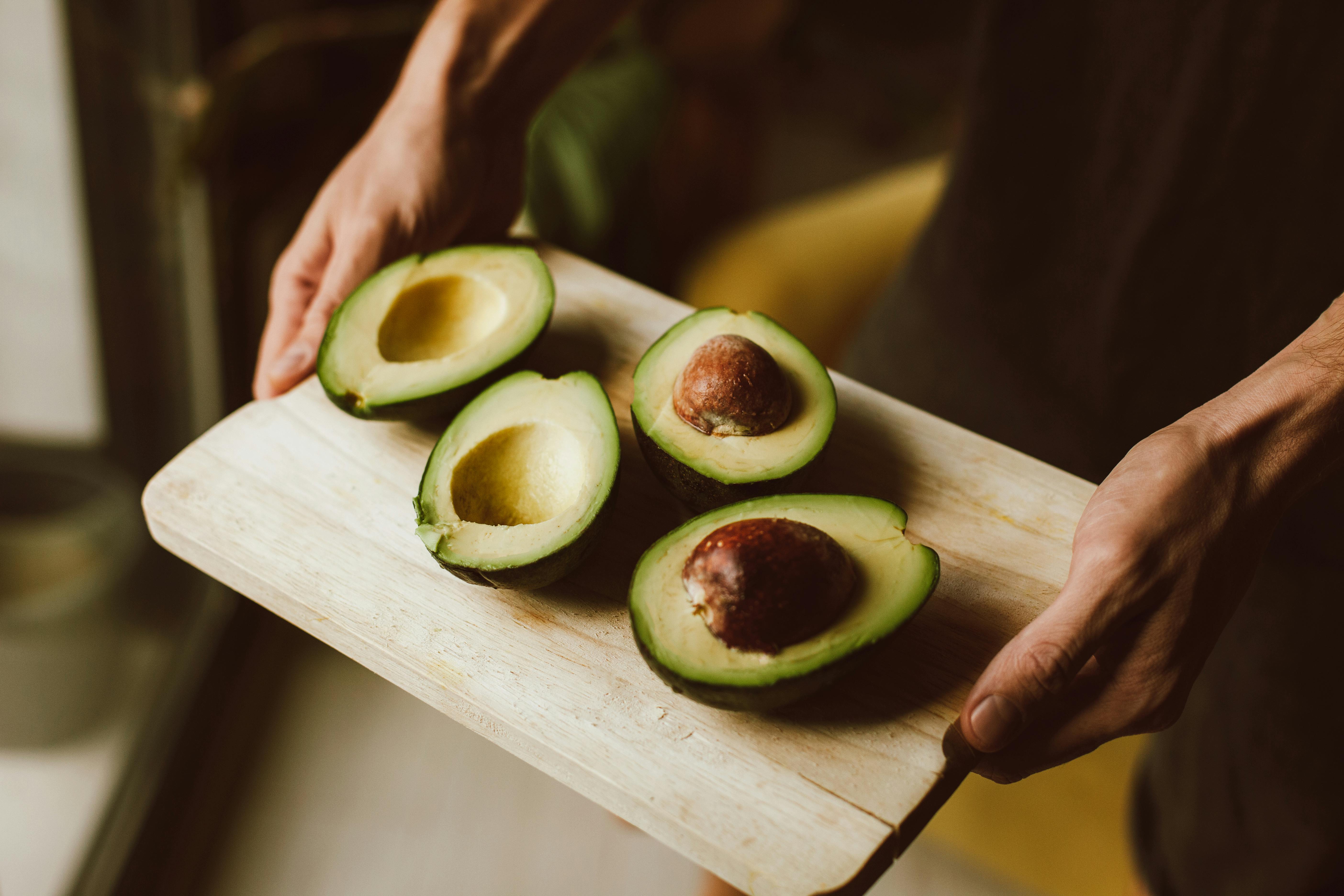
A perfect avocado is not always one that is ready this minute. If you need it tonight for toast, guacamole, or salad, choose one with a loose stem cap, green underneath, and a slight give. If you are buying for two or three days ahead, pick firmer fruit with the stem still attached tightly.
This timing strategy is standard in restaurants, where ingredients are selected for service windows rather than impulse. Avocados continue to ripen after harvest because they respond to ethylene, a natural plant hormone. At home, storing them at room temperature speeds normal ripening, while moving ripe ones to the refrigerator can slow further softening for a short period.
Avoid the warning signs chefs rarely ignore

A few red flags can save you from disappointment. Deep indentations, shriveled skin, split peel, or areas that feel oddly hollow may point to damage, dehydration, or internal breakdown. Fruit that is extremely soft near one end and hard near the other may also be ripening unevenly, which often leads to mixed texture inside.
Another warning sign is excessive wobbling around the pit, which can mean the flesh has gone too far. In busy kitchens, chefs also avoid avocados with surface damage from rough handling because bruises often spread beneath the peel. Even when the color looks good, those defects can turn a promising avocado into one that tastes flat or feels stringy.
Use the chef's method like a simple shopping routine
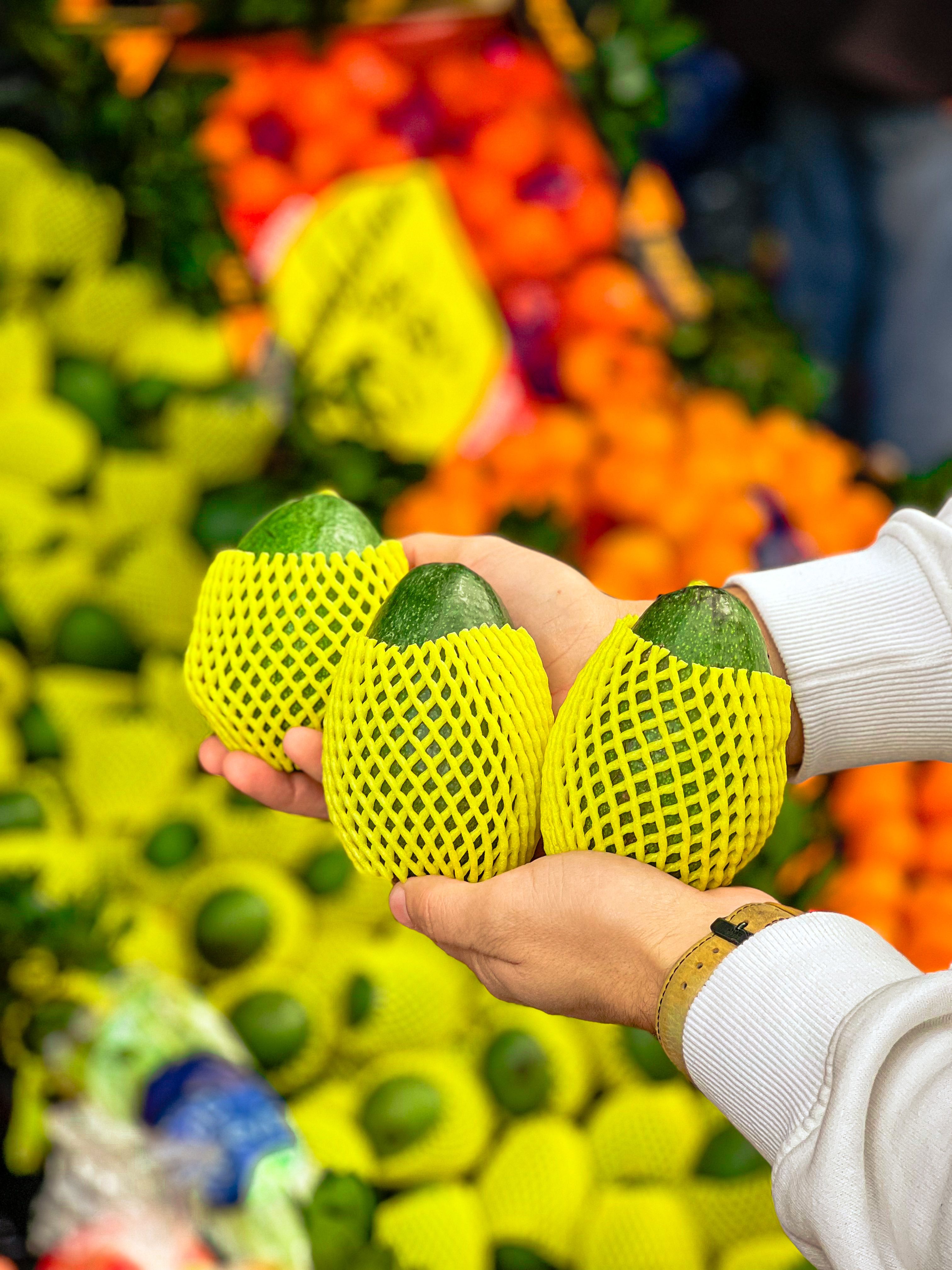
The easiest way to remember this is as a three-step sequence. First, check the stem cap. Second, confirm the variety and color. Third, test for slight softness with the whole hand, not your fingertips. That routine is fast, gentle, and practical whether you are buying one avocado for lunch or several for the week.
The reason this trick feels so effective is that it respects how avocados actually ripen. Instead of relying on a single myth, it combines visible and tactile cues the way professionals do. Once you start using the stem test as your lead signal, the odds of cutting open a perfect, creamy avocado become much higher every single time.




Leave a Reply