
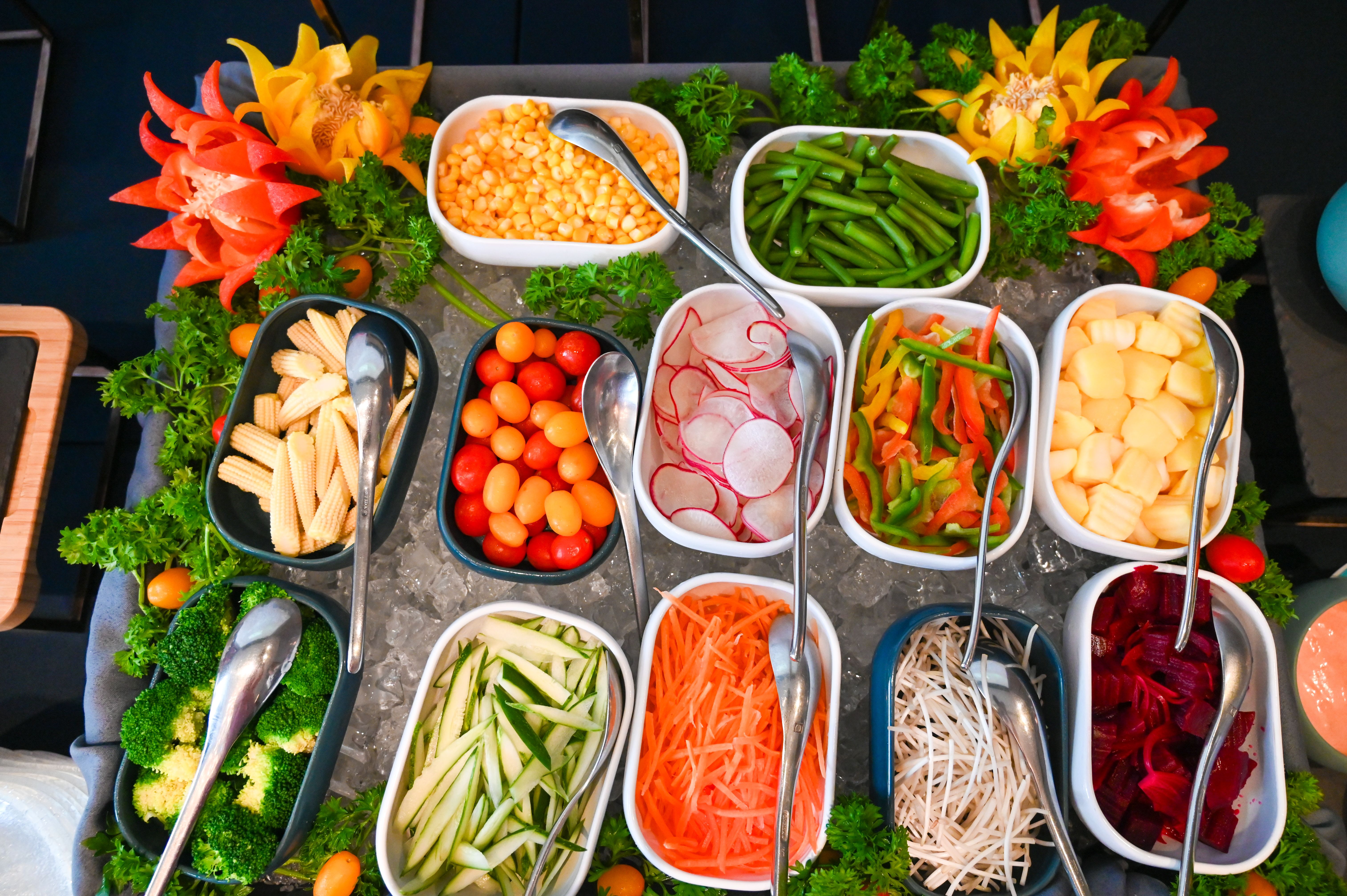
Cruise food has improved dramatically, but some menu choices still carry more risk than reward. If you want meals that taste fresher, safer, and better prepared, these are the dishes a chef would think twice about ordering at sea.
Buffet sushi
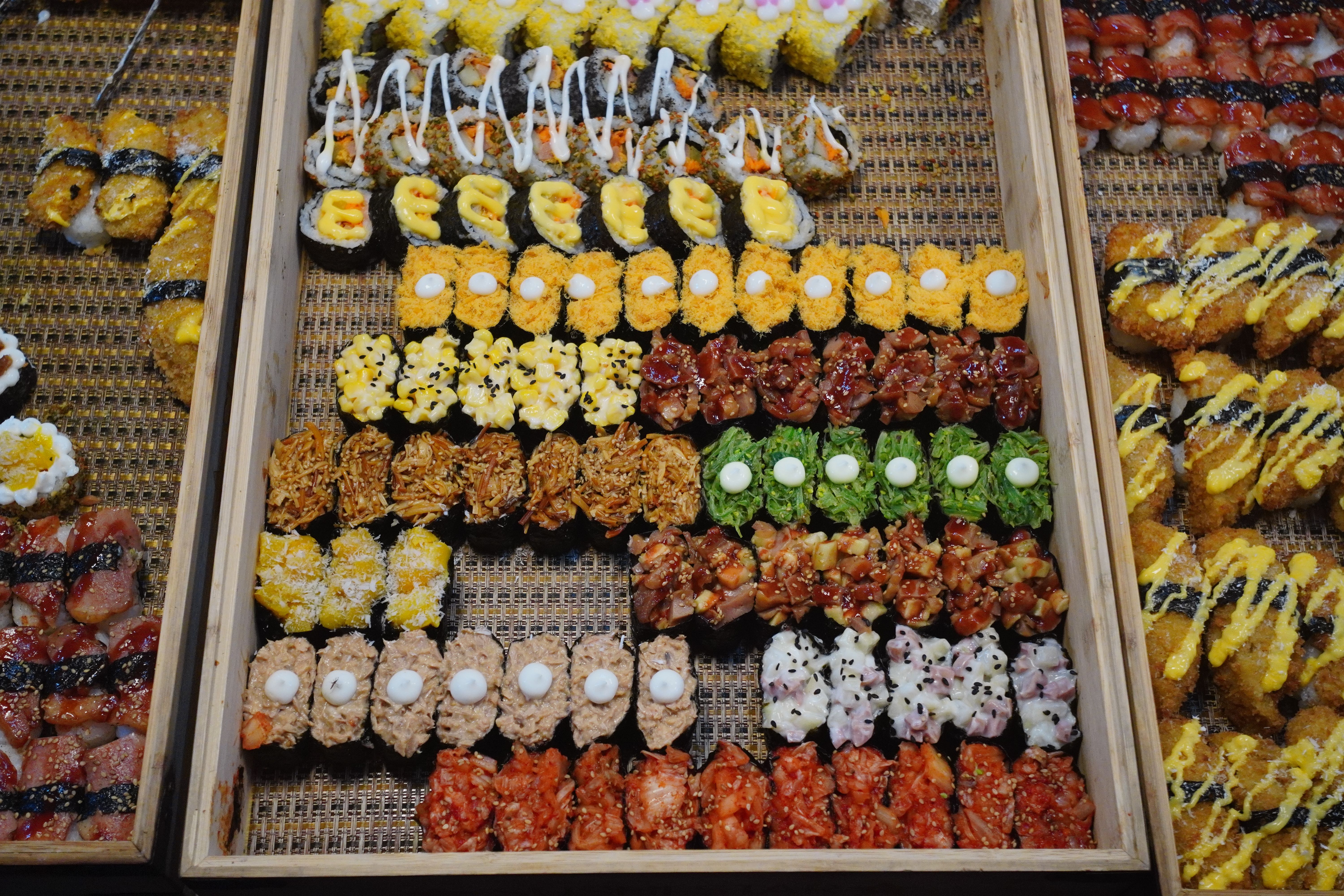
Sushi looks tempting on a cruise buffet because it appears light, elegant, and easy to grab between activities. The problem is that buffet service is one of the hardest environments in which to keep delicate raw fish at peak quality. Even when food safety rules are followed, sushi loses texture quickly once it sits out under lights or behind sneeze guards.
Rice is another issue many travelers overlook. Good sushi depends on properly seasoned rice held at the right temperature and humidity, and that standard is difficult to maintain over long buffet windows. After a short time, the rice can turn dry, gummy, or oddly firm, which ruins the entire bite even before fish quality becomes a concern.
Cruise chefs also know that buffet sushi is often built for volume, not craftsmanship. Instead of being sliced to order, many pieces are assembled in batches using ingredients chosen for stability rather than flavor. That usually means muted fish, heavy sauces, and rolls that rely more on mayonnaise or imitation crab than on true freshness.
If you want sushi on board, the smarter move is usually a specialty restaurant where chefs prepare it in smaller quantities. There, turnover is faster and storage is more controlled. On a ship, the difference between buffet sushi and made-to-order sushi can be the difference between a forgettable snack and a genuinely good meal.
Scrambled eggs from the buffet

Few foods reveal mass catering shortcuts faster than scrambled eggs. On many cruise buffets, what looks like fluffy breakfast eggs may actually come from a liquid egg product designed for scale, consistency, and speed. That does not automatically make them unsafe, but it often makes them bland, rubbery, and far less satisfying than freshly cooked eggs.
Large-volume eggs are usually held in warming trays, and that is where quality drops fast. Eggs continue cooking from residual heat, so soft curds quickly become dry clumps. By the time a late breakfast guest arrives, the texture may be somewhere between sponge and paste, especially if the tray has been sitting through repeated service cycles.
The flavor also tends to flatten in buffet conditions. To survive holding time, kitchens often underseason at first, then compensate with butter or salt later. The result can taste oddly artificial or greasy rather than rich and delicate, which is exactly what a good plate of eggs should be.
A far better choice is to order eggs at an omelet station or from the dining room menu. Freshly cooked eggs take only a few minutes and are far more likely to arrive soft, hot, and properly seasoned. On a cruise, breakfast is one meal where made-to-order almost always beats mass production.
Well-done steak
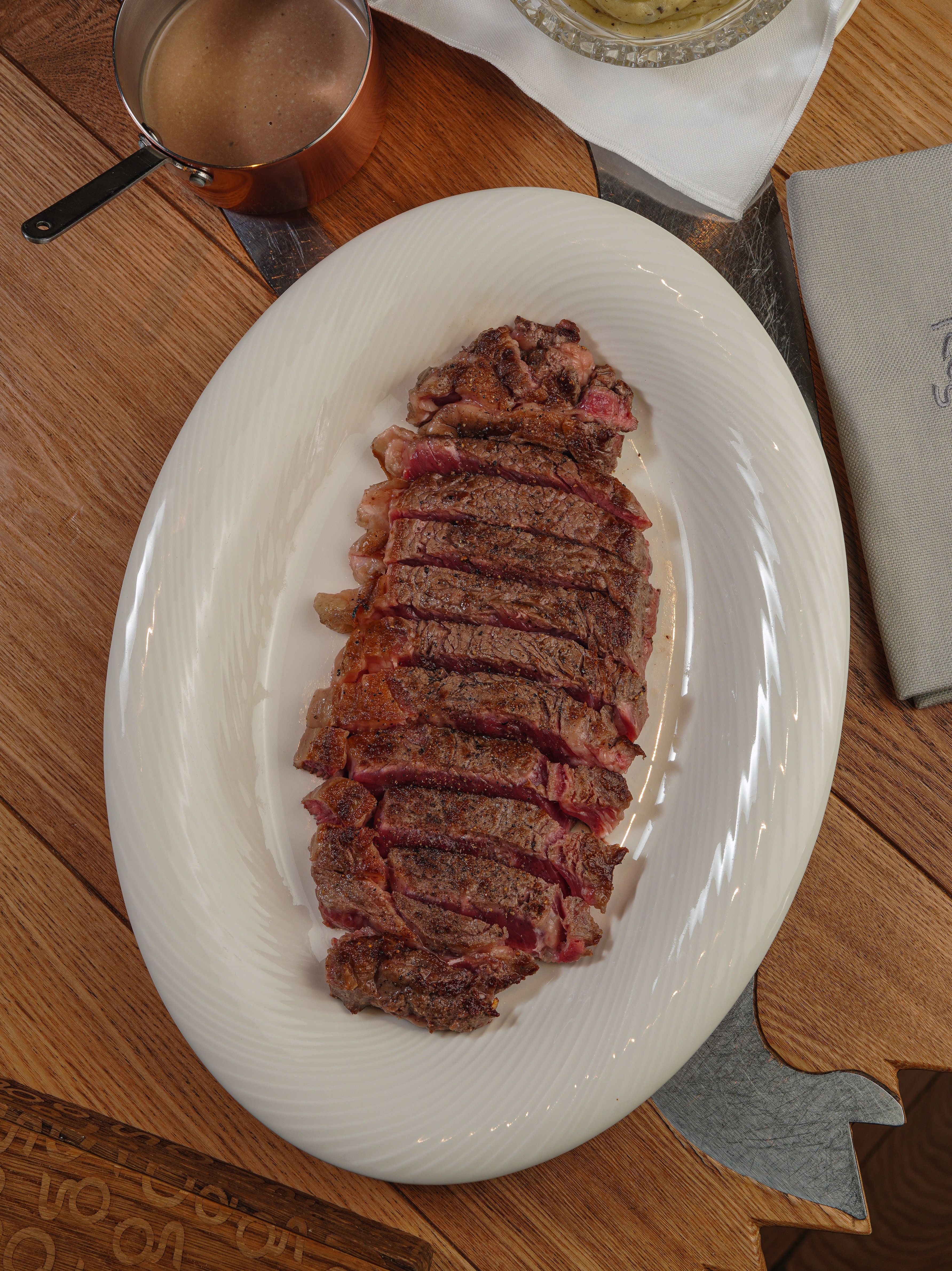
Ordering steak well-done on a cruise is not just a matter of preference. It can turn an already average cut into a dry and disappointing plate. Cruise lines serve thousands of passengers, so even premium ships rely on tight portion control, high-volume broiling, and exact cook times, which leaves little room for rescuing a steak cooked to its absolute endpoint.
A steak cooked well-done loses more moisture, and that matters even more at sea, where banquet-style timing often affects quality. If the meat is not top-tier marbled beef to begin with, prolonged heat exposes every weakness in the cut. Instead of tasting beefy and tender, it can become chewy, fibrous, and heavily dependent on sauce.
Chefs often point out that cruise steakhouse menus are usually strongest at medium-rare to medium. That is where the kitchen can preserve texture and let the meat carry the dish. Push it farther, and the line between a grilled steak and a piece of leathery protein gets very thin very quickly.
If you prefer fully cooked beef, choose braised short rib, slow-cooked brisket, or another dish designed to be tender at a higher finish. Those items are built for long cooking and often perform better in large-service settings. The issue is not taste preference alone, but choosing a preparation that matches the kitchen's strengths.
Fried seafood on the buffet
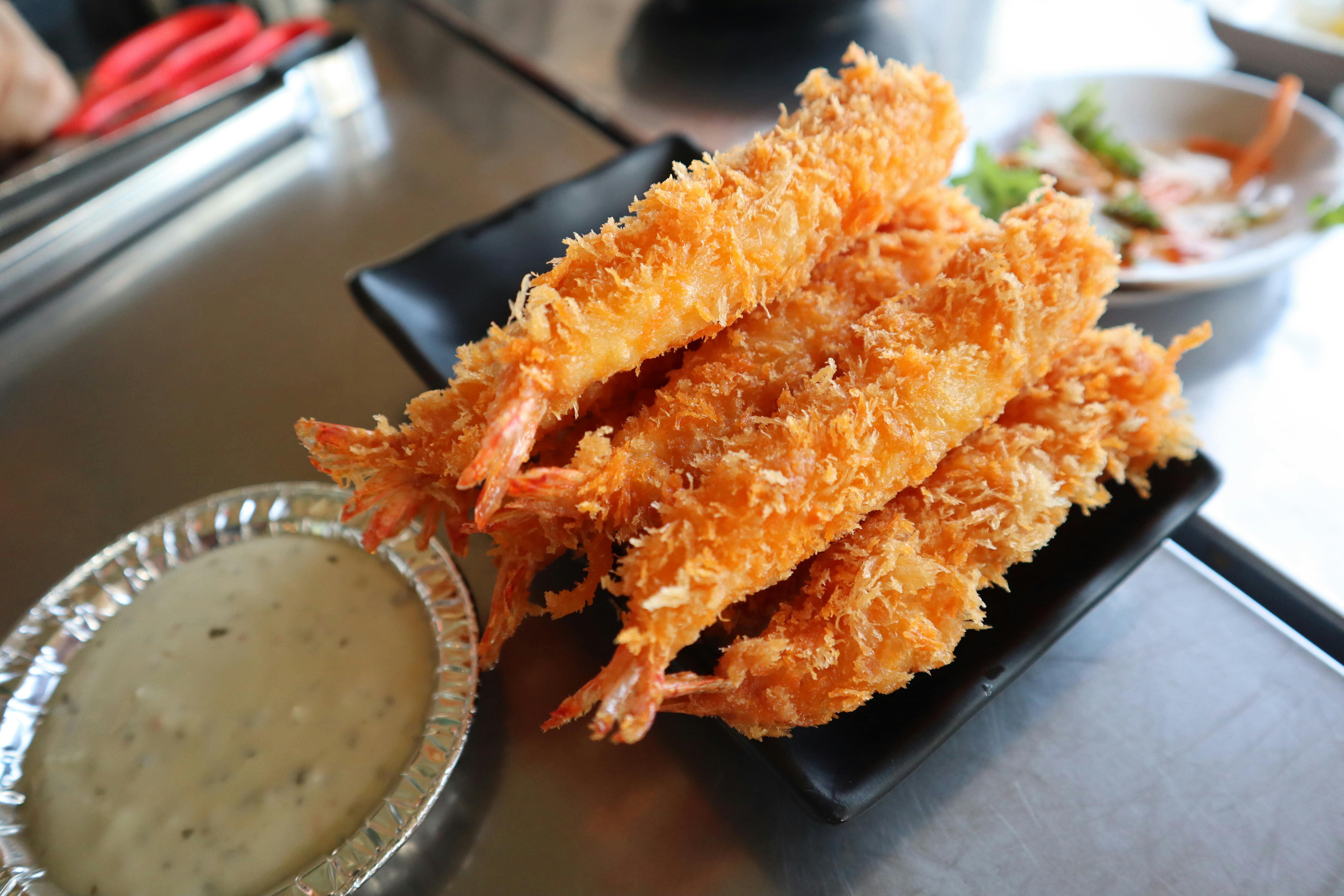
Fried seafood has a very short window between crisp and disappointing. On a cruise buffet, that window closes fast. Shrimp, calamari, and fish fillets may come out of the fryer well enough, but once they sit under heat lamps, the coating traps steam, the crust softens, and the seafood inside keeps cooking.
Texture is only part of the problem. Seafood is naturally delicate, and overholding can make it turn from tender to tough in a surprisingly short time. Calamari becomes rubbery, shrimp go mealy, and white fish starts flaking into dry fragments. The breading may still look golden, but the eating experience often says otherwise.
There is also the issue of oil quality in high-volume operations. Busy fry stations must manage filtration carefully, and when oil is overused, fried foods can pick up stale, heavy flavors. Even a decent piece of seafood can end up tasting flat, greasy, or oddly bitter if the oil has been pushed too far during service.
If fried seafood sounds appealing, order it from a sit-down venue where it can reach you quickly after cooking. Fresh timing makes all the difference. On a ship, fried food is not necessarily bad, but buffet holding turns one of the most time-sensitive dishes on the menu into a gamble.
Ice cream from self-serve machines during peak hours
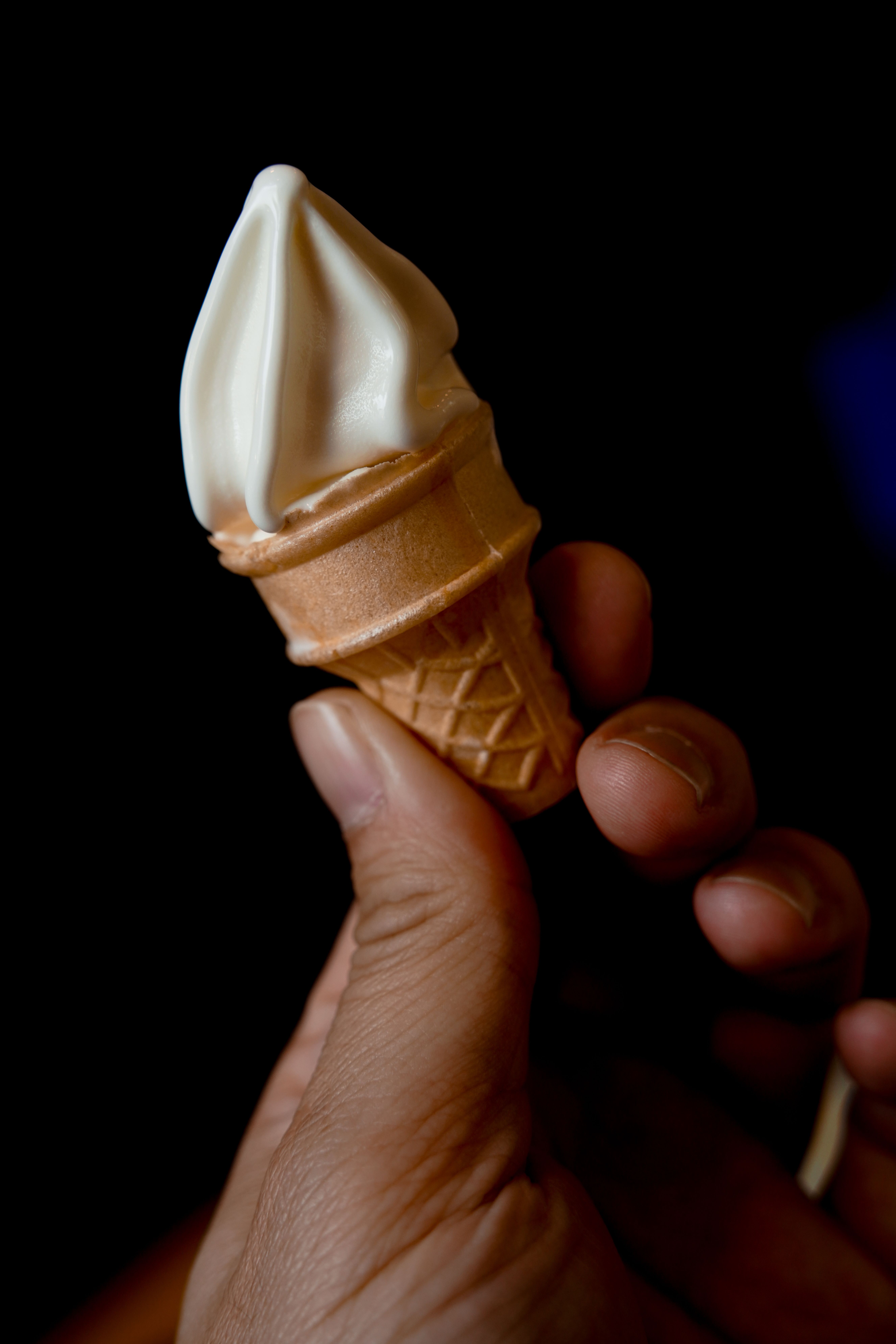
Soft-serve feels like the safest treat on board, and often it is. But peak-hour self-serve stations can become messy fast, especially around pools where sun, wind, and constant traffic affect cleanliness. The concern is usually not the mix itself, but the public handling of levers, drip trays, spill zones, and toppings touched by hundreds of hands.
Machine maintenance matters too. Soft-serve equipment requires strict cleaning schedules because dairy residue can create ideal conditions for bacterial growth if parts are neglected. Reputable cruise lines follow sanitation procedures, but a poorly timed rush can still mean splatters, cross-contact, and surfaces that are wiped less often than they should be.
There is also a quality issue that frequent cruisers notice. During heavy demand, machines can struggle to keep the proper freeze consistency, leading to soft, foamy swirls that melt instantly. That may sound minor, but it changes both flavor and texture, turning dessert into a lukewarm sugar cloud instead of a creamy finish.
A smart workaround is to get ice cream during off-peak hours or order plated dessert indoors. Crew-served stations generally offer cleaner handling and better consistency. When the ship is full and the pool deck is chaotic, even something as simple as soft-serve is better chosen with timing in mind.
Hollandaise-heavy brunch dishes

Eggs Benedict and similar brunch plates look luxurious, but hollandaise is one of the most fragile sauces in food service. It is made from egg yolks, butter, and acid, and it can break, split, or develop a skin if it sits too long. On a cruise, where brunch service may cover large crowds, that delicate timing becomes harder to protect.
Temperature control is the real challenge. Hollandaise should be held warm, not hot, because excess heat can curdle the eggs, while cooler conditions can make the butter seize. In large buffet or banquet-style settings, that narrow safe zone is difficult to maintain for extended periods without losing texture or freshness.
When hollandaise goes wrong, the dish collapses quickly. The sauce turns oily, overly thick, or strangely flat in flavor, and then it coats everything with heaviness. Instead of balancing poached eggs and toasted bread, it overwhelms them. That can make a brunch favorite feel far richer and less refined than intended.
The better option is to order Benedict-style dishes only in venues that plate them to order. Fresh hollandaise should taste silky, bright, and light despite its richness. If that level of care is not likely, a simple omelet or poached eggs with toast will often be the more satisfying breakfast.
Rare burgers

A juicy burger may sound appealing, but rare burgers are one of the least sensible orders in a high-volume cruise environment. Unlike whole cuts of steak, ground beef mixes surface bacteria throughout the patty during processing. That is why food safety guidance generally treats burgers as needing a higher internal temperature than intact beef cuts.
Cruise ships operate under strict sanitation systems, and major lines are heavily inspected, but risk management is still about avoiding unnecessary exposure. A burger cooked below recommended doneness can be a weak choice anywhere, and even more so when you are traveling in a shared environment where stomach trouble can ruin several days of a vacation.
There is also a quality angle beyond safety. In mass-service kitchens, burgers are often pre-portioned and cooked in waves to meet demand. A request for rare can throw off timing or yield an inconsistent center that is cool rather than properly juicy. That difference matters because undercooked does not automatically mean better.
If you want a superior burger on a cruise, order it medium or medium-well and focus on toppings, bun quality, and where it is cooked. Fresh off the grill from a dedicated venue usually beats a rushed poolside version. With burgers, sound cooking practice is part of what makes them enjoyable.
The catch-of-the-day special late in the voyage
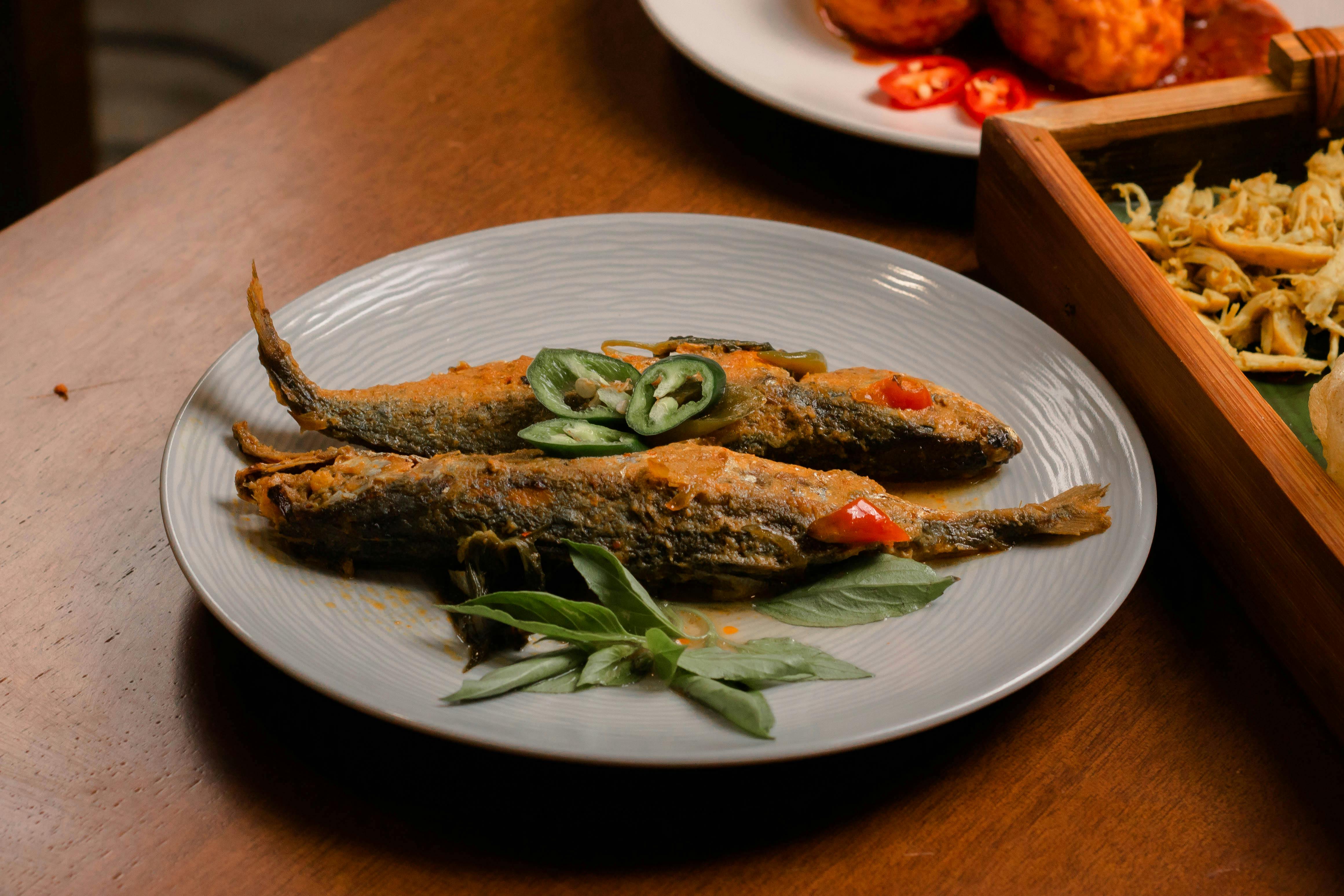
The phrase catch of the day sounds wonderfully fresh, but context matters on a cruise ship. Unless the vessel has taken on local provisions very recently, that fish may not be as immediate as the name suggests. Cruise dining logistics depend on loaded inventory, freezing systems, and careful thaw schedules planned days in advance.
That does not mean the fish is bad. Modern freezing can preserve seafood extremely well, and many ships serve excellent frozen-at-sea products. The problem comes when marketing language creates a freshness impression that the actual supply chain does not support. Late in a voyage, some specials may simply reflect stock rotation rather than culinary opportunity.
Chefs understand that fish quality depends on species, handling, thawing, and cooking precision. A mild fillet can dry out quickly if it was defrosted too early or held too long before service. Add a vague daily special label, and guests may be ordering based more on romance than on what the kitchen is best positioned to execute.
A better strategy is to ask simple questions. Find out what is local, what is freshly loaded in port, and what preparation the dining room does best. On cruises, the smartest diners do not chase fancy wording. They choose dishes that match the realities of storage, turnover, and the strengths of the galley.



Leave a Reply