
Canadians are finally seeing a small break at the checkout. The problem is that few experts believe it will last very long.
Why grocery prices have dipped
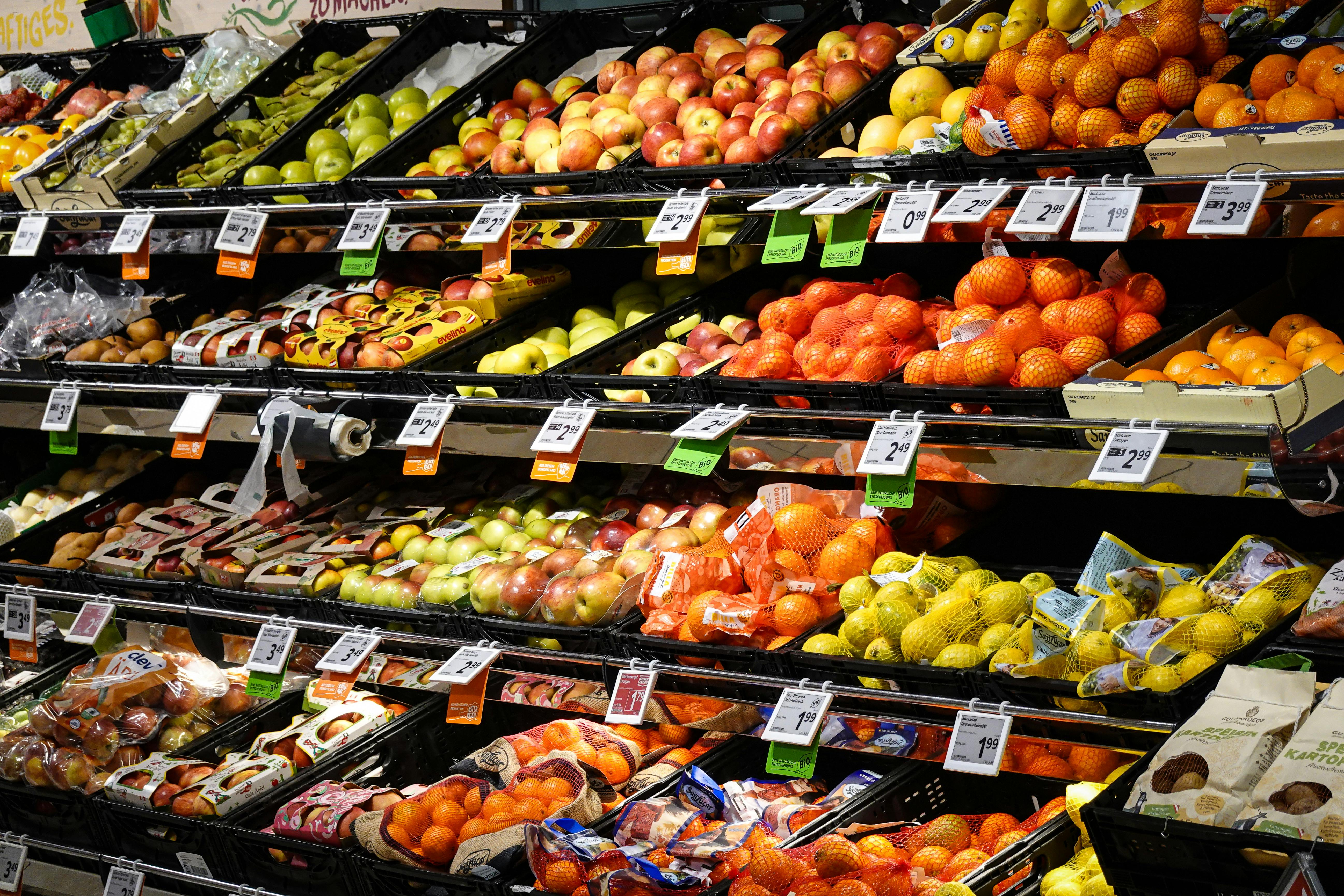
For shoppers battered by years of food inflation, a 2.8% drop in the cost of a standard grocery basket is real money. It reflects easing pressure in several categories that had surged earlier, especially fresh produce, dairy, and some pantry staples. In practical terms, households may notice modest savings on weekly basics rather than dramatic reductions across the store.
Part of the decline comes from improved global supply chains. Shipping disruptions that pushed up costs in previous years have eased, and retailers have had more room to source competitively. Wholesale prices for some agricultural commodities have also softened, giving grocers a chance to pass along small price cuts.
Another reason is comparison against unusually high prices a year earlier. When inflation spikes sharply and then stabilizes, annual price measures can suddenly look better even if day-to-day bills still feel expensive. That statistical effect helps explain why many Canadians remain skeptical despite reports of relief.
What shoppers are actually seeing in stores

The checkout lane tells a more complicated story than a national average. Some items are clearly cheaper than they were months ago, including certain vegetables, cooking oils, and packaged goods that depend on steadier transport and lower input costs. Store promotions have also become more aggressive as major chains compete for budget-conscious customers.
Still, shoppers are not walking into a world of broad-based bargains. Meat prices remain stubborn in many regions, while coffee, cocoa-based products, and imported fruit continue to feel expensive. Families who buy school lunches, snacks, and household essentials may find that savings in one aisle are quickly offset in another.
Regional differences matter as well. Prices in large urban centres can move differently than those in northern or remote communities, where freight costs remain much higher. A national average may suggest relief, but the lived experience of food costs still varies sharply from province to province.
Why experts call the relief temporary
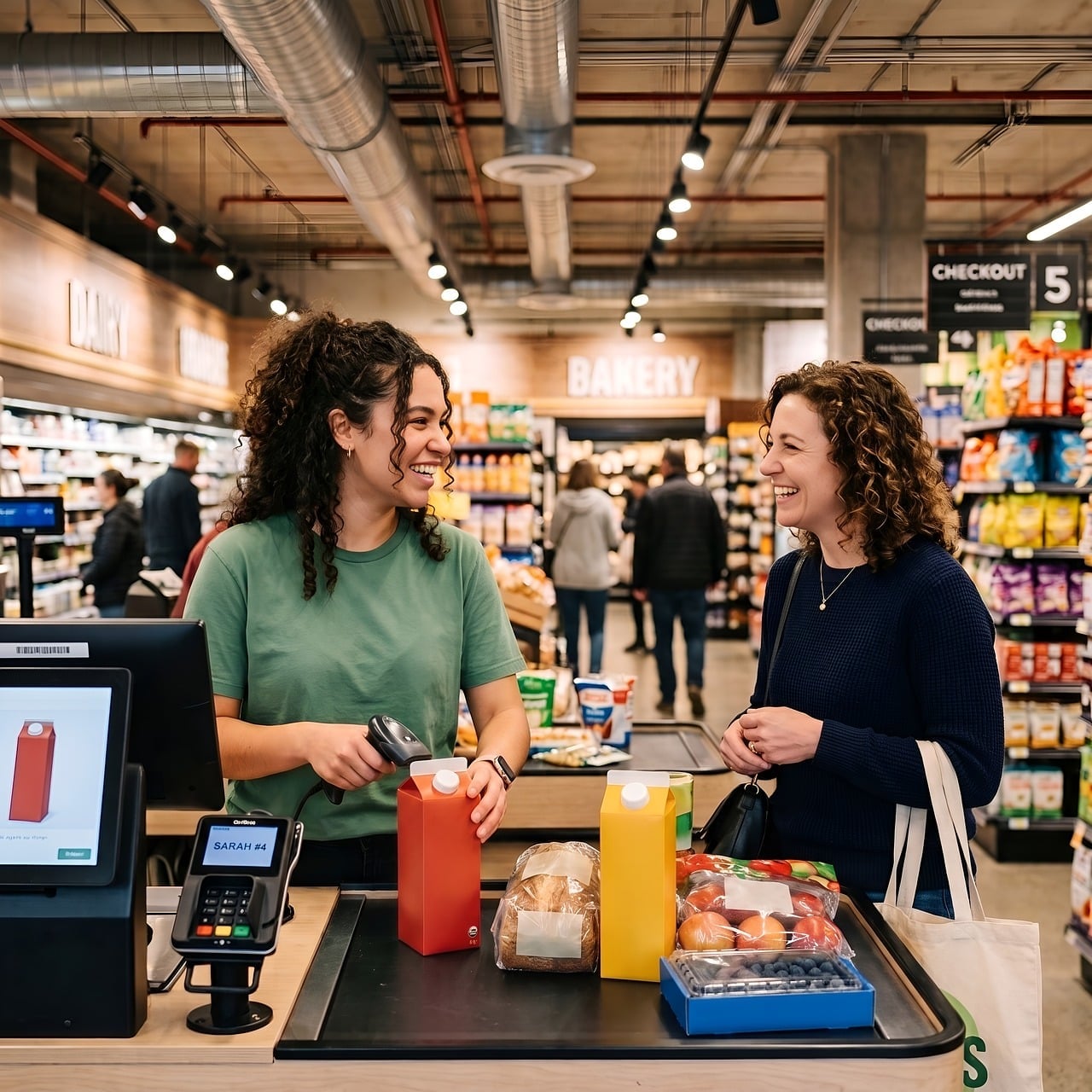
Economists and food policy analysts are warning that the drop rests on fragile ground. Weather remains one of the biggest threats, with droughts, floods, and wildfires capable of damaging crops and disrupting distribution with little warning. Canada's food system is deeply connected to global production, so shocks elsewhere often show up quickly on local shelves.
Currency movement is another risk. A weaker Canadian dollar raises the cost of imported food, agricultural inputs, and packaging, which can feed back into retail prices. Since Canada imports a significant share of fresh produce, especially in colder months, exchange-rate swings matter more than many consumers realize.
Labor and energy costs are also still elevated. Warehousing, trucking, refrigeration, and food processing all depend on expensive infrastructure and staffing. Even if raw commodity prices cool, those structural costs can keep final grocery bills from falling much further.
The categories most likely to rise again
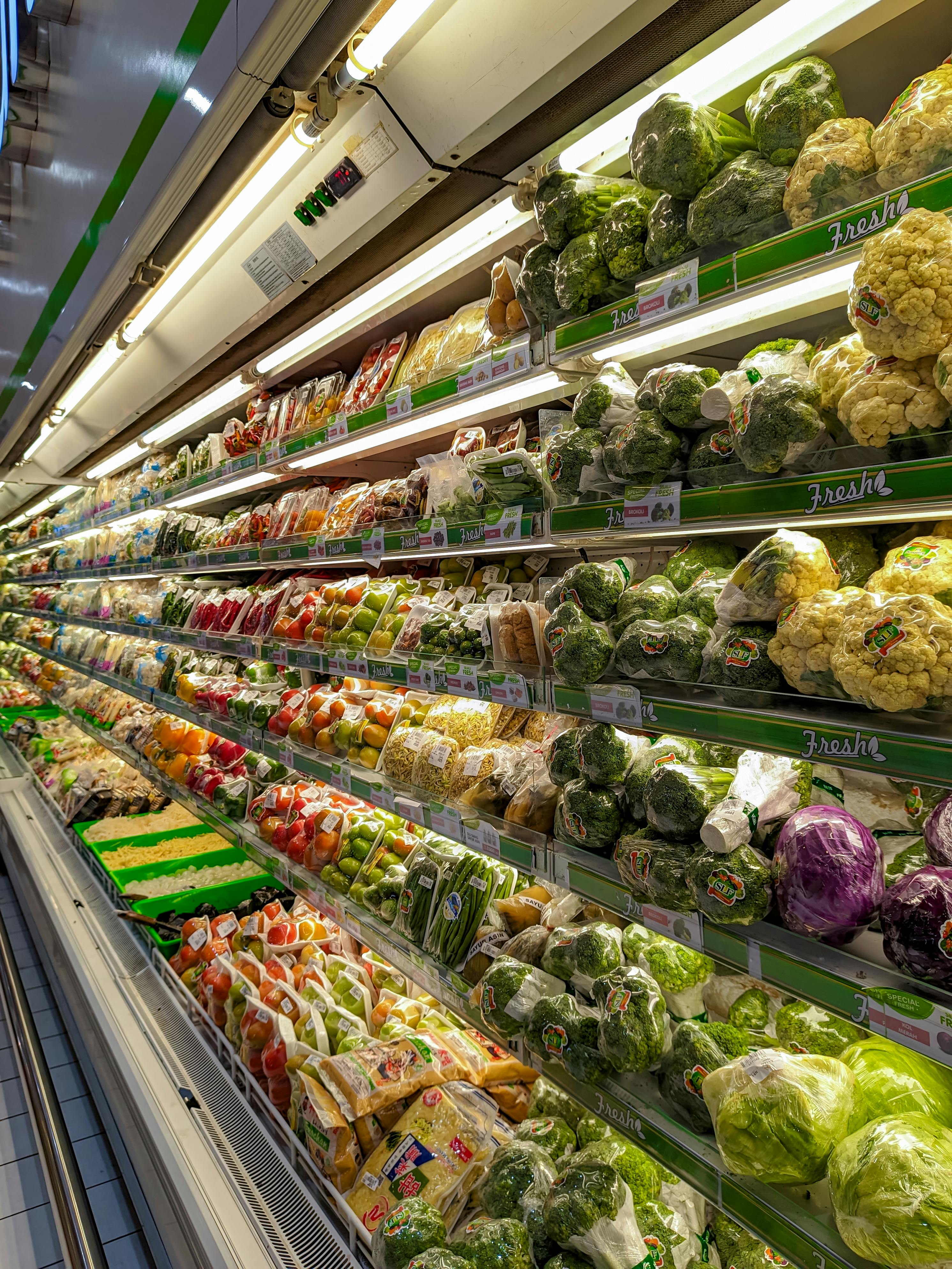
Some parts of the grocery basket are especially vulnerable to another upswing. Produce is often first on that list because it is highly sensitive to weather, pests, and transportation delays. If poor harvests hit California, Mexico, or key greenhouse regions, Canadian shoppers usually feel the effect quickly.
Protein markets face their own pressures. Beef prices can stay elevated when herd sizes shrink, while poultry and eggs remain exposed to feed costs and disease outbreaks. Seafood is another wildcard, especially when fuel prices rise or quotas tighten.
Processed foods may also climb again, though for different reasons. These products rely heavily on packaging, manufacturing, and branded supply chains, all of which carry persistent costs. Even a small increase in ingredients, plastics, or freight can ripple through cereal, frozen meals, canned goods, and snacks.
What this means for household budgets

For families already stretched by housing, utilities, and debt payments, even temporary grocery relief is welcome. A lower weekly bill can free up room for essentials or reduce pressure on credit cards. But the savings are usually too small to change broader financial stress in a meaningful way.
That is why many households are still shopping defensively. Consumers are switching to private-label brands, comparing flyers more closely, and buying in bulk when discounts are strong. Discount grocers and warehouse clubs continue to benefit from this behavior, reflecting how cautious spending habits have become.
Food banks and community agencies are watching these trends closely. Demand remains high even as headline food inflation cools, which suggests many Canadians are still struggling with the accumulated effect of several expensive years. Lower prices help, but they do not erase the damage already done.
What to watch in the months ahead

The next phase for grocery prices will likely depend on several moving pieces rather than one single trend. Harvest conditions, fuel costs, labor negotiations, and the Canadian dollar will all shape what happens at the shelf. If those factors remain stable, shoppers could hold on to some of the recent gains.
Retail strategy will matter too. Large grocers may keep using promotions to defend market share as consumers become more price sensitive. That can create the appearance of relief, though temporary discounts are not the same as lasting price normalization.
For now, the 2.8% decline is best understood as a pause, not a turning point. Canadians are seeing a bit of breathing room, but the fundamentals behind food pricing remain unsettled. Experts are not dismissing the savings. They are simply warning that this calmer moment could prove brief.




Leave a Reply