
Bread starts getting more expensive long before a loaf reaches the shelf. It often begins with heat stress in a wheat field during just a few crucial weeks.
Why a single degree matters so much
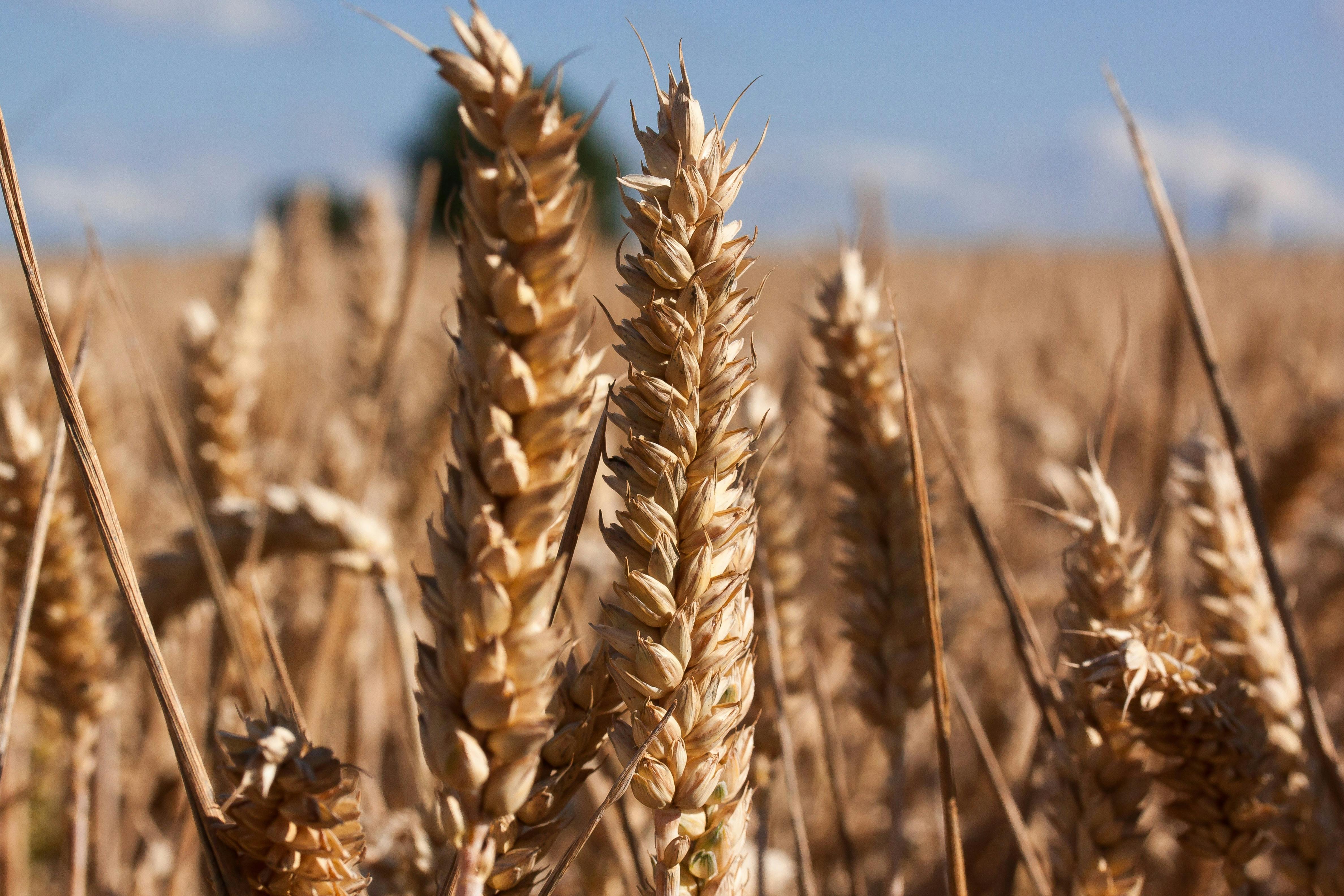
The striking part is how little warming it takes to cause damage. Wheat is especially vulnerable during flowering and grain filling, when the plant shifts from growing leaves to building the kernels that become flour. In that window, even a 1°C rise can speed development too quickly and reduce the time grains have to fill properly.
Researchers have repeatedly found that hotter conditions during these stages lower both yield and quality. According to widely cited crop studies, losses of up to 6% per 1°C are plausible in sensitive regions, especially when heat arrives alongside dry soils. The result is not just fewer plants surviving, but smaller and lighter grains at harvest.
That is why agronomists focus so closely on timing rather than only seasonal averages. A region can post a decent overall growing season, yet still suffer meaningful losses if a hot spell lands at exactly the wrong moment. For wheat, the calendar of heat matters almost as much as the heat itself.
What happens inside the wheat plant

The key issue is stress during reproduction. When wheat flowers, high temperatures can interfere with pollination and reduce the number of kernels that form on each head. A field may still look healthy from the road, but the yield potential has already been cut.
Then comes grain filling, when the plant loads starch and protein into the kernel. Excess heat shortens that process, almost like ending the season early. Kernels often come out shriveled, lowering test weight and sometimes weakening milling performance.
Moisture makes the damage worse. If soils are dry, the plant closes its stomata to conserve water, limiting photosynthesis just when energy demand is high. So the headline figure of a 6% yield loss per 1°C is often part of a larger stress package that includes drought, poor nighttime cooling, and more frequent heat waves.
Why this turns into higher bread prices
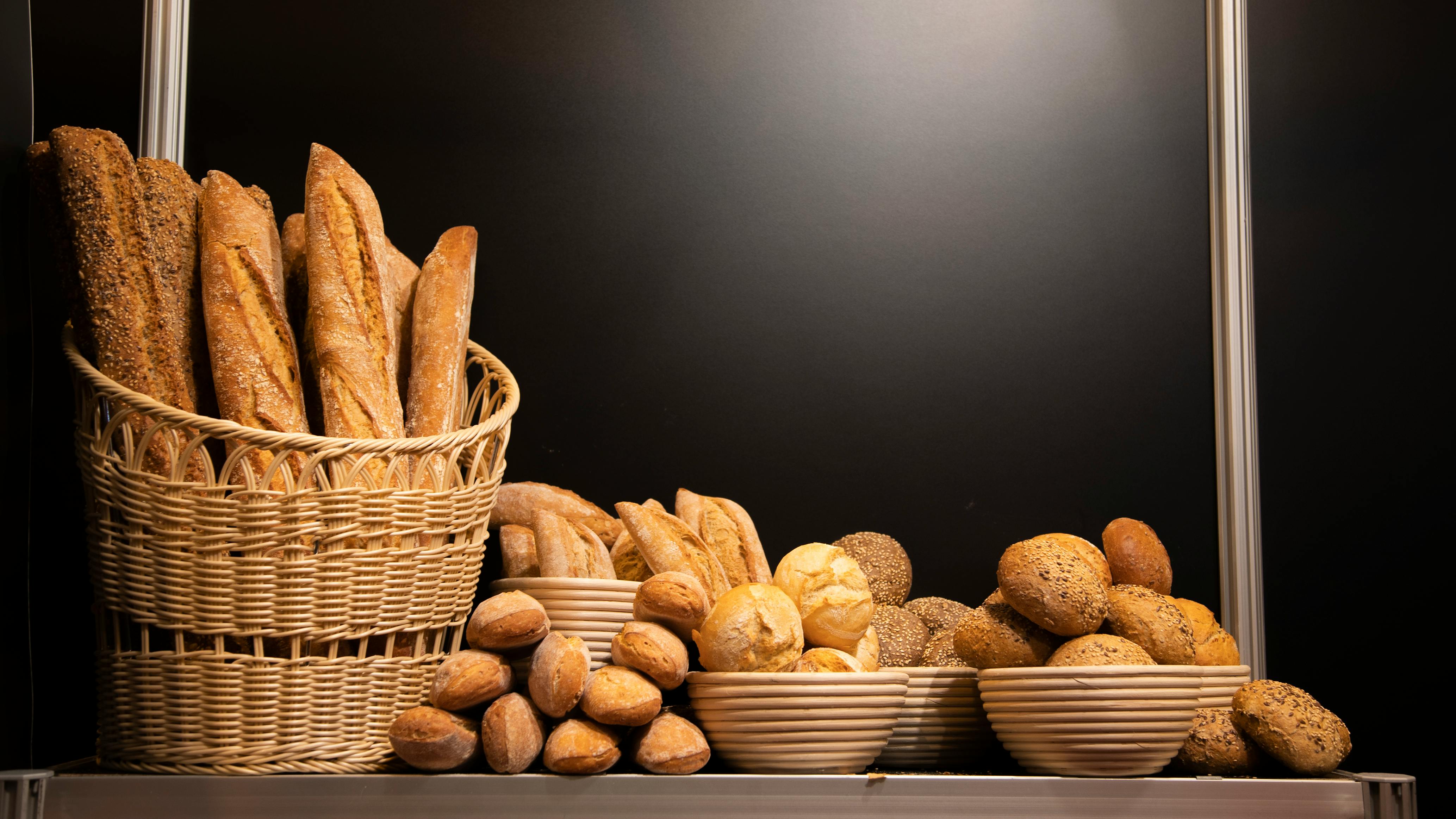
The jump from wheat field to bakery is not always immediate, but the chain is direct. Lower yields mean less wheat available for traders, millers, and food manufacturers. When supply tightens in major exporting countries such as Russia, the European Union, the United States, Canada, or Australia, global benchmark prices usually react quickly.
Flour is only one part of a loaf's final retail price, along with energy, labor, transport, packaging, and rent. Still, wheat costs matter because they shape flour contracts and bakery margins. If grain prices stay elevated long enough, commercial bakers eventually pass at least some of that increase on to supermarkets and consumers.
The biggest effects often show up in lower-income countries, where bread and flatbreads make up a larger share of daily calories. In those markets, even modest wheat price increases can strain household budgets and raise political pressure. History shows that food inflation is rarely just an economic story.
Why some regions face bigger risks than others
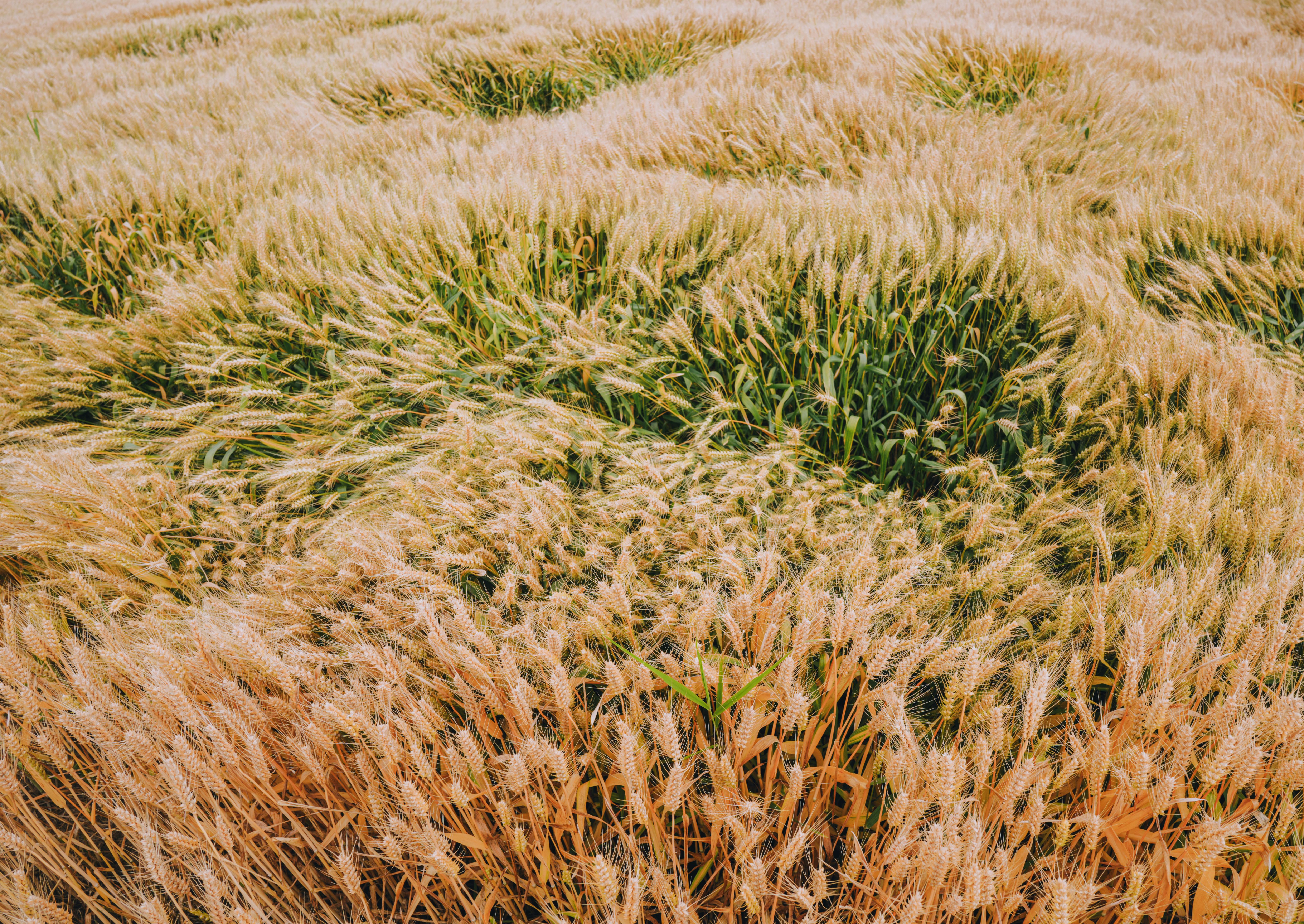
Not every wheat-growing area faces the same danger. Warmer regions already operating close to the crop's temperature limits are more exposed than cooler zones. Parts of South Asia, North Africa, and the Middle East are especially sensitive because late-season heat can arrive suddenly and overlap with water scarcity.
India offers a clear example. In recent years, unusually hot spring weather has hit wheat during grain filling, hurting production and forcing policymakers to watch domestic supplies more closely. When a large producer has a disappointing harvest, its decisions on exports and stock management can ripple across world markets.
Even advanced farming regions are not insulated. In the U.S. Plains, western Europe, and Australia, farmers face rising variability rather than simple steady warming. That means more years with sharp heat spikes, unstable yields, and harder planning for everyone from seed suppliers to flour buyers.
What farmers and breeders are doing about it
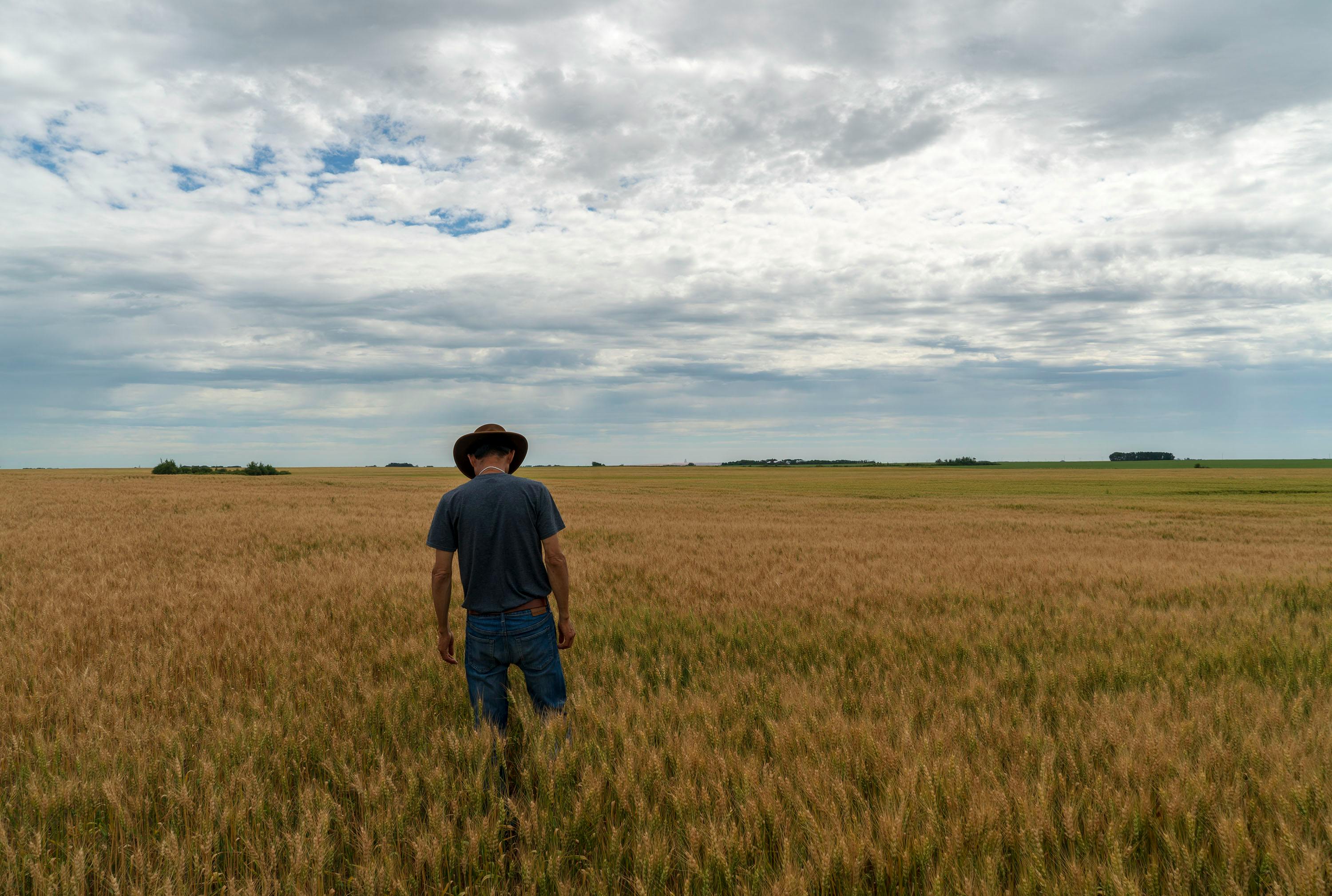
One practical response is changing timing. Farmers can shift sowing dates so flowering and grain filling avoid the hottest expected weeks, although that only works where rainfall patterns still cooperate. In many places, that trade-off is becoming harder as seasons grow less predictable.
Seed developers are also working on heat-tolerant and faster-recovering varieties. Breeders look for traits such as better pollen viability under heat, stronger root systems, and improved grain set during stress. According to agricultural research programs in CIMMYT and national institutes, these gains are real, but they take time to spread across millions of acres.
On the farm, irrigation, soil moisture conservation, and precision monitoring can reduce losses. But these tools cost money and are unevenly available. That creates a gap where large commercial farms may adapt faster than smaller growers, potentially reshaping who can profitably produce wheat in a hotter climate.
What consumers should expect next
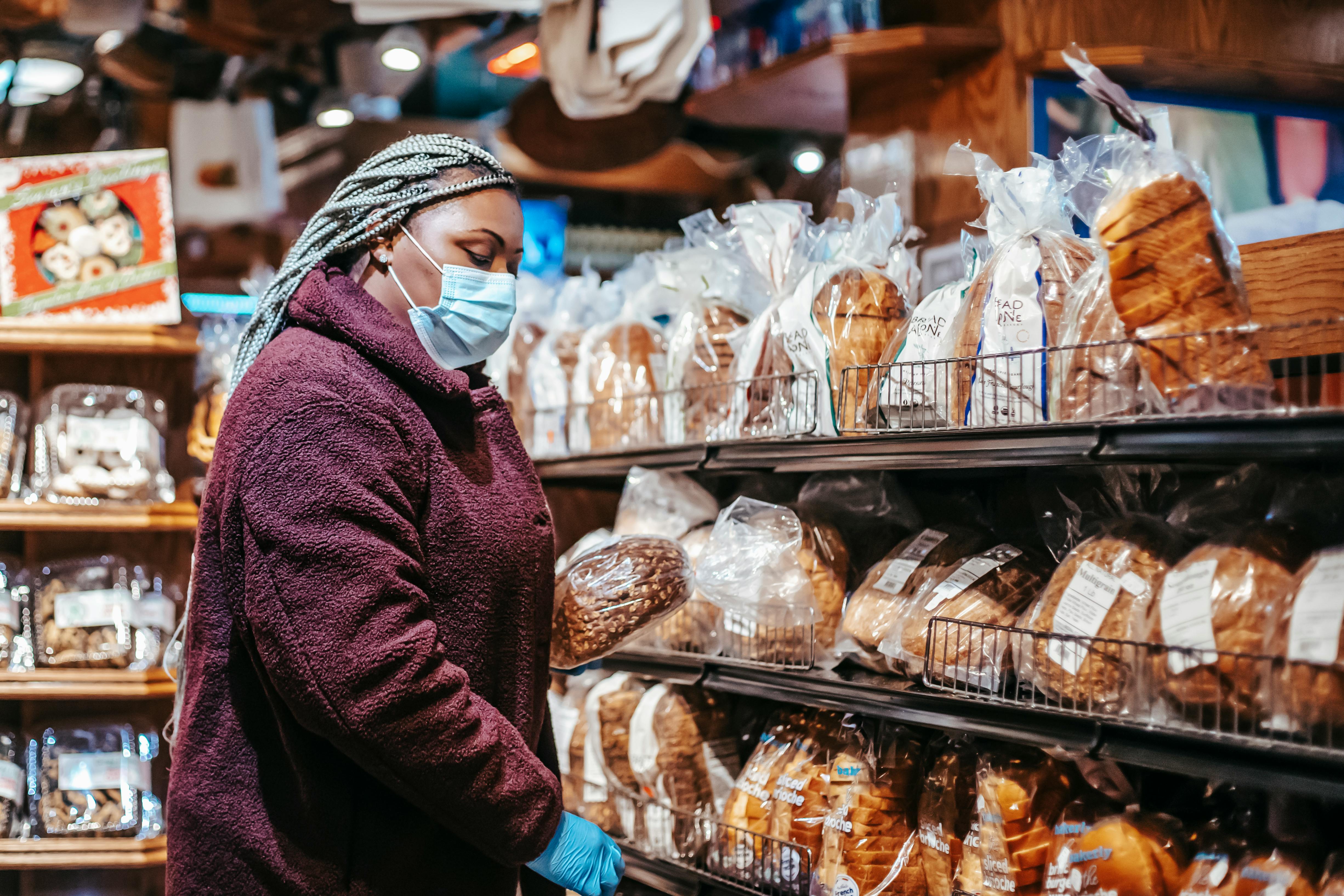
The most important point for shoppers is that bread prices may become more volatile, not just steadily higher. A single bad harvest in one country can often be absorbed, but simultaneous heat stress across several breadbasket regions is far more disruptive. Climate change increases the odds of that kind of overlap.
Consumers may also notice quieter changes before obvious price jumps. Bakers sometimes adjust loaf size, flour blends, or promotional discounts when costs rise. Quality differences can appear too, especially in products that depend on strong, consistent wheat protein for texture.
In the long run, bread will still be made, traded, and eaten everywhere. But a warming climate is making one of the world's most basic foods more vulnerable to short bursts of heat at exactly the wrong time. That small 1°C shift can echo all the way from the wheat head to the checkout line.




Leave a Reply