
Tuna earns its keep in a busy kitchen. It is affordable, protein-rich, fast to prepare, and surprisingly adaptable across lunches, dinners, and pantry-meal emergencies.
Tuna Melt That Balances Crunch and Comfort

Nothing proves tuna's range faster than a well-made tuna melt. Editors return to this classic because it solves two cravings at once: creamy salad and crisp, buttery toast. The best versions start with drained tuna packed in olive oil or water, mixed with just enough mayonnaise to bind, then sharpened with Dijon, lemon juice, celery, and black pepper.
Cheese choice matters more than many cooks think. Sharp cheddar brings bite, while provolone melts into long, silky strands and keeps the filling from tasting heavy. A layer of sliced tomato adds acidity, but only if it is patted dry first so the bread stays crisp instead of steaming.
Technique is what separates a forgettable sandwich from one worth repeating. Toasting the bread lightly before assembly creates a barrier against sogginess, and cooking low and slow lets the cheese fully melt before the crust gets too dark. It is simple, yes, but it rewards care in every step.
Crispy Tuna Patties for a Fast, Budget-Friendly Dinner

When a pantry dinner needs to feel like more than a backup plan, tuna patties are the answer. They turn a can of tuna into something structured, golden, and deeply satisfying. Editors make them on repeat because they rely on common ingredients such as breadcrumbs, egg, onion, parsley, and a spoonful of mustard.
The texture is the real test. Too much binder makes them dense, while too little causes them to fall apart in the pan. A balanced ratio lets the tuna stay flaky inside while the exterior browns into a crisp shell. Chilling the mixture for 10 to 15 minutes before cooking helps them hold together more reliably.
Serve them with tartar sauce, garlicky yogurt, or a squeeze of lemon, and they immediately feel dinner-worthy. They also adapt well to leftovers. Tucked into a bun, layered over greens, or paired with roasted vegetables, they stretch well beyond a single meal and keep their appeal.
Lemony Tuna Pasta That Feels Bright, Not Heavy

Some pantry pastas taste like compromise, but a lemony tuna pasta tastes deliberate. It works because tuna brings savory depth while lemon, garlic, and herbs keep the whole dish lifted. Editors lean on it when they want a fast dinner that lands somewhere between comforting and fresh.
The smartest versions build flavor in the pan before the pasta ever enters. Garlic is softened in olive oil, red pepper flakes add warmth, and a little pasta water creates a light sauce that clings without becoming sticky. Tuna is folded in gently at the end so it stays in tender flakes rather than turning mushy.
Capers, parsley, and grated lemon zest make a major difference. They cut through richness and keep the dish from feeling flat. Many home cooks also add spinach or arugula in the last minute, which wilts quickly and adds color, bitterness, and a more complete dinner profile.
Niçoise-Inspired Salad for a Proper Lunch

A tuna salad can be far more than chopped fish and mayonnaise. A Niçoise-inspired plate brings structure, color, and contrast, which is exactly why editors keep making it for lunch. Tuna joins green beans, tomatoes, olives, potatoes, eggs, and crisp lettuce in a meal that feels composed rather than assembled.
Balance is everything here. Briny olives and tuna need the sweetness of ripe tomatoes and the starch of tender potatoes to keep the plate grounded. A sharp vinaigrette, usually made with Dijon, vinegar, olive oil, and shallot, ties those elements together better than a creamy dressing ever could.
This recipe also wins on flexibility. You can use canned tuna instead of seared fresh fish and still get a highly satisfying result. In many modern test kitchens, that swap is part of the appeal: lower cost, less prep, and no sacrifice in flavor when the dressing and vegetables are handled well.
Spicy Tuna Rice Bowls That Taste Better Than Takeout
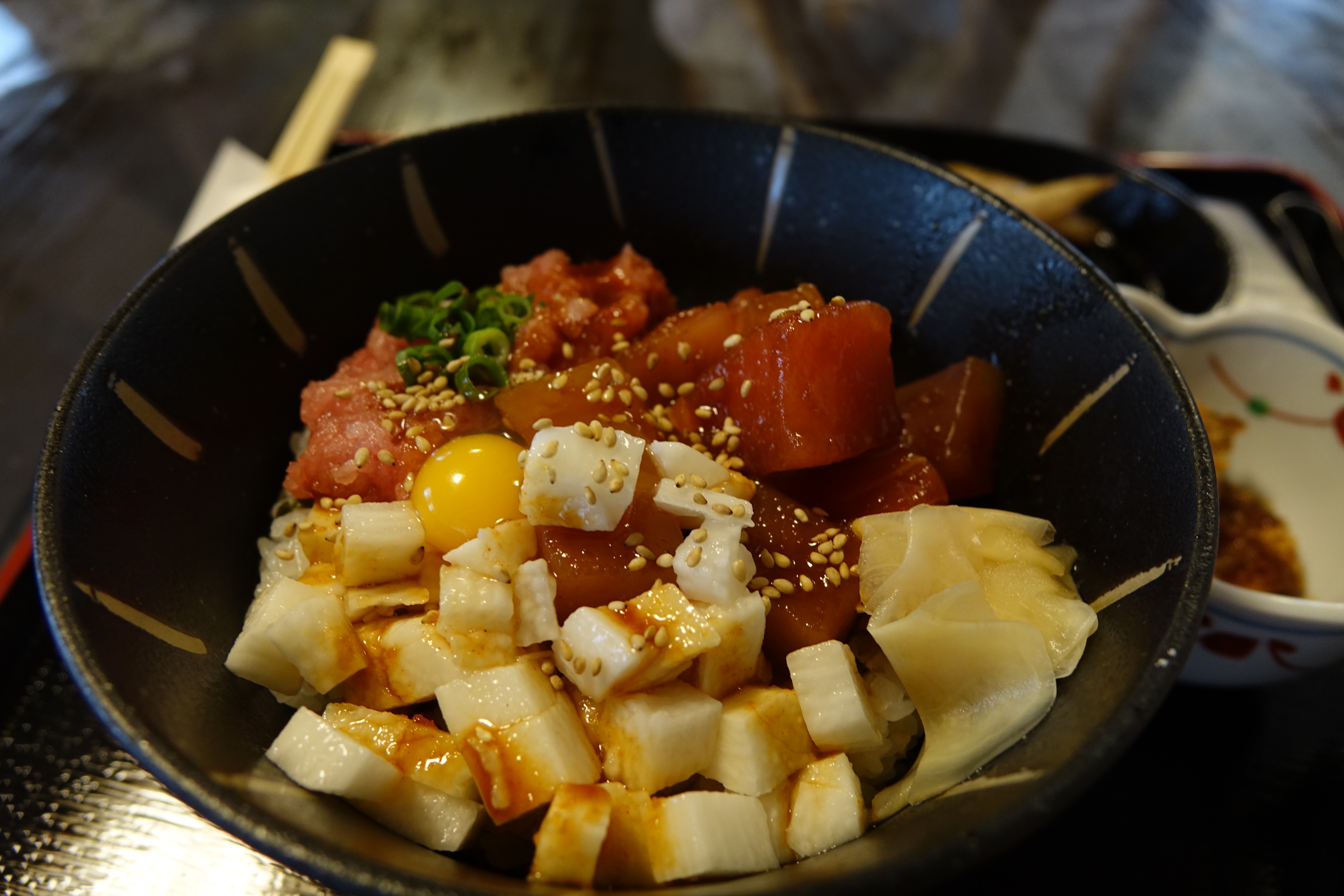
A rice bowl is one of the fastest ways to turn tuna into a full meal. Editors repeat this recipe because it is customizable, high in protein, and built from ingredients many people already keep around. Warm rice, seasoned tuna, crunchy vegetables, and a punchy sauce hit nearly every texture and flavor note at once.
The tuna mixture is usually simple but strategic. Mayonnaise gives body, sriracha or chili crisp adds heat, soy sauce brings umami, and a little rice vinegar keeps it lively. Cucumber, avocado, scallions, and shredded carrot cool things down and add freshness that keeps the bowl from feeling one-note.
This style of meal reflects a wider shift in home cooking toward assembly-friendly dinners. According to market trend reporting in recent years, consumers increasingly favor bowl meals because they are portionable, adaptable, and easy to prep ahead. Tuna fits that pattern perfectly, especially when speed is part of the appeal.
Mediterranean Tuna Stuffed Peppers With Real Substance

Stuffed peppers often lean heavily on ground meat, but tuna offers a lighter route with plenty of flavor. Editors love this version because it feels wholesome without becoming austere. Mixed with cooked rice or farro, chopped tomatoes, herbs, garlic, and feta, tuna becomes a filling with both heft and brightness.
The pepper itself matters. Red and yellow peppers bring sweetness that softens the saltier notes of tuna, olives, and cheese. Pre-roasting them for a few minutes before stuffing helps ensure they turn tender by the time the filling is hot, rather than staying undercooked while the top dries out.
What makes this dish worth repeating is how complete it feels. It has protein, vegetables, grains, and strong Mediterranean flavor in one tidy package. It also holds well for lunch the next day, which is no small advantage for editors and home cooks who value recipes that work beyond one sitting.
Creamy Tuna Noodle Casserole That Still Deserves Respect

Tuna noodle casserole has a nostalgic reputation, but the best versions deserve modern respect. Editors keep returning to it because it offers comfort, economy, and freezer-friendly practicality. The updated formula usually skips overly processed shortcuts and instead builds flavor with sautéed mushrooms, onion, celery, peas, and a creamier, more balanced sauce.
Texture is where this dish often succeeds or fails. Egg noodles should be cooked just shy of done so they finish in the oven rather than turning soft. A topping of buttered breadcrumbs or crushed crackers creates contrast, which is essential in a casserole that might otherwise read as uniformly creamy.
There is also a practical reason it remains popular. Casseroles are efficient for families, leftovers, and batch cooking, and tuna keeps the cost manageable compared with many meat-based bakes. In other words, this is not just nostalgia at work. It is a recipe that still answers modern weeknight needs.
Tuna and White Bean Salad for No-Cook Efficiency

On the hottest days, the best tuna recipe may be the one that never touches the stove. Tuna and white bean salad is a no-cook staple because it is filling, nutritious, and ready in minutes. Cannellini beans add fiber and creaminess, while tuna brings savory backbone and enough protein to make it a real meal.
The supporting ingredients do serious work. Thinly sliced red onion adds bite, parsley and basil keep things green and fresh, and lemon juice plus olive oil create a dressing that is clean rather than heavy. Some editors add celery for crunch or cherry tomatoes for sweetness, especially when the pantry needs produce support.
This is also one of the most practical recipes in the list. It travels well, improves after a short rest, and can be spooned onto toast, greens, or lettuce cups. For anyone trying to eat well on a tight schedule, it shows how far a few shelf-stable ingredients can go.
Tuna Fried Rice That Makes Leftovers Feel Intentional
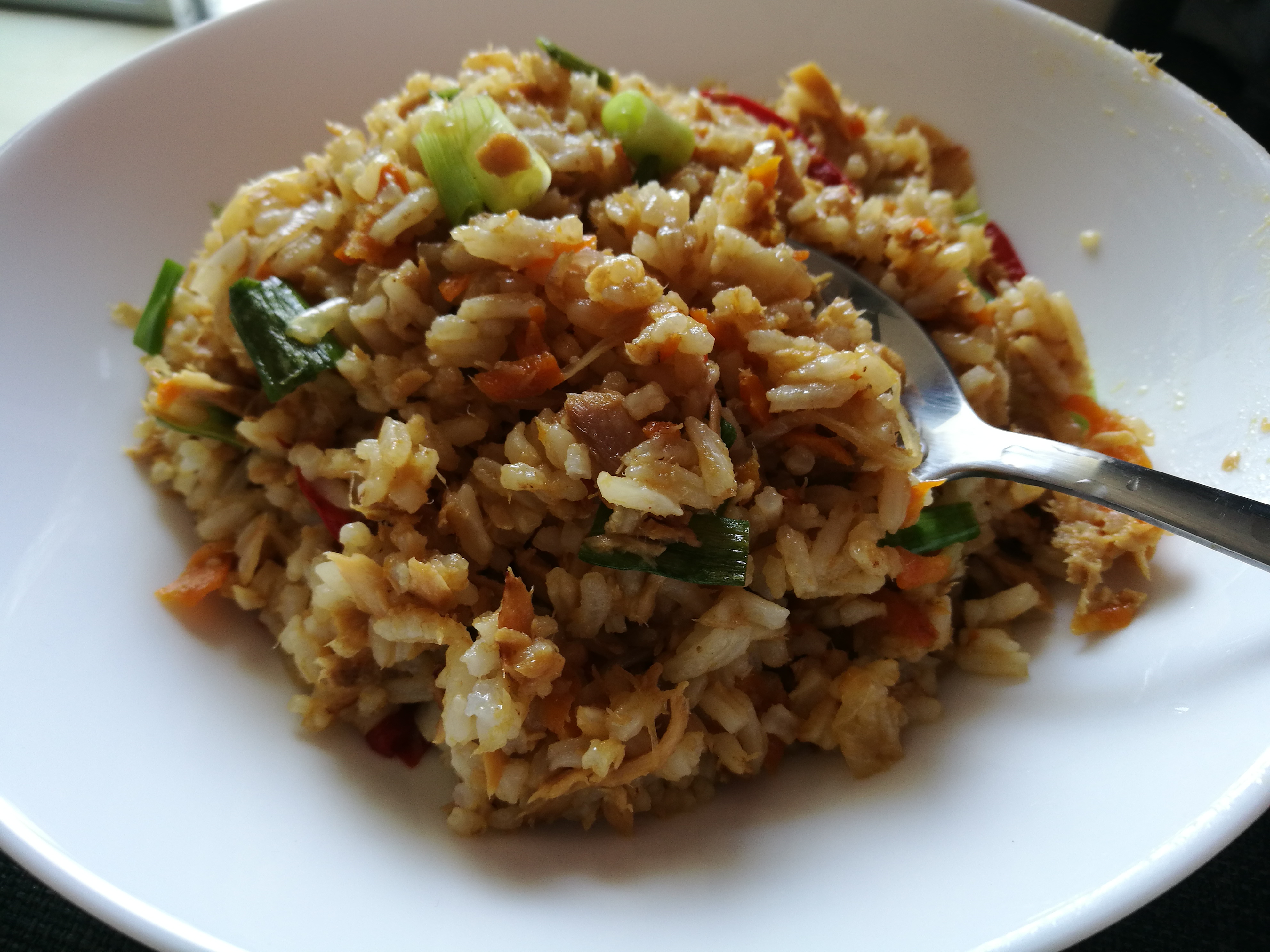
Few dishes are better at transforming leftovers than fried rice, and tuna plays the role beautifully. Editors make this version on repeat because it turns cold rice and canned fish into something savory, crisp-edged, and deeply satisfying. It is especially useful at the end of the week when odds and ends need a clear purpose.
Good fried rice depends on moisture control. Day-old rice fries better because the grains separate instead of clumping, and tuna should be stirred in late so it warms through without disappearing into the pan. Garlic, ginger, soy sauce, sesame oil, and scallions create a familiar flavor base with very little effort.
Frozen peas, leftover corn, or diced carrots make easy additions, and a fried egg on top gives the bowl extra richness. What keeps this recipe in regular rotation is not novelty but reliability. It is fast, adaptable, and consistently better than what its humble ingredient list suggests.

Leave a Reply