
Japanese 7-Eleven food has built a global reputation for being fast, affordable, and surprisingly thoughtful, and its famous sandwich landing in Canada is more than a novelty. It offers a sharp glimpse into how Canadian food culture is evolving, from convenience expectations to ingredient standards. If one humble grab-and-go item can cause this much excitement, it is because it touches bigger shifts already underway in how Canadians shop, eat, and define value.
Convenience food is being judged by restaurant standards
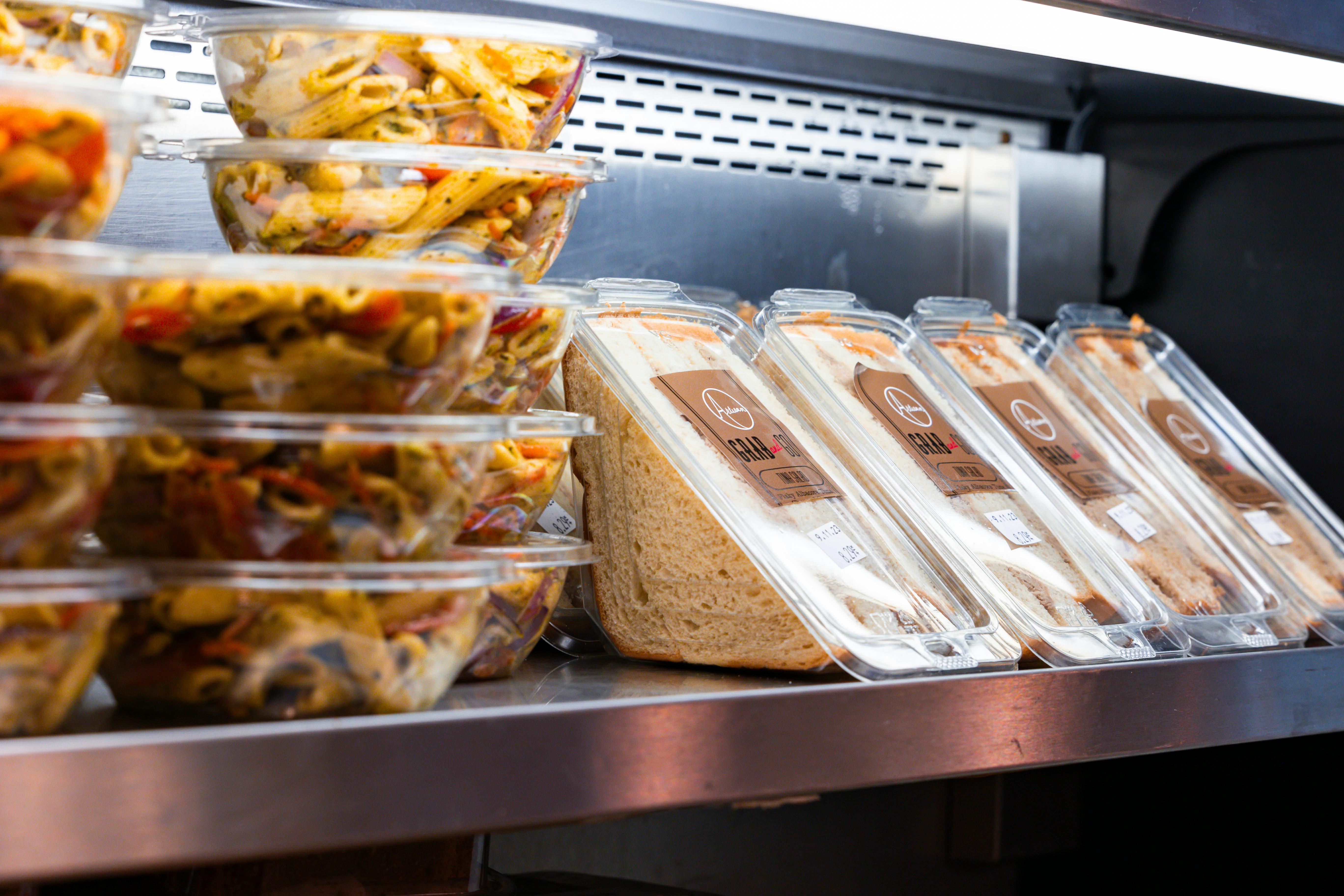
The biggest signal here is simple: Canadians are no longer willing to treat convenience food like a compromise. Japanese 7-Eleven earned its reputation by making quick food feel carefully designed, from soft bread and clean flavors to neat packaging and reliable freshness. That raises the bar for what a grab-and-go sandwich should be.
This shift has been building for years in Canada. Grocery chains, gas stations, and coffee shops have all expanded ready-to-eat menus because busy shoppers want speed without giving up quality. The arrival of a globally admired convenience sandwich suggests that more Canadians now expect texture, balance, and consistency in foods once dismissed as purely practical.
Packaging and presentation matter more than ever

Part of the appeal of Japanese convenience food is visual discipline. Sandwiches are cut cleanly, fillings are centered, and the packaging is designed to protect texture while showing the product clearly. That attention makes a basic lunch feel dependable before the first bite.
Canadian food retail has been moving in the same direction. Consumers increasingly associate tidy packaging with freshness, food safety, and care in preparation. Social media also plays a role because photogenic food spreads quickly, especially when people are curious about a product with international buzz. In that environment, presentation is not superficial. It becomes part of the product's promise.
Canadian shoppers are craving global everyday foods
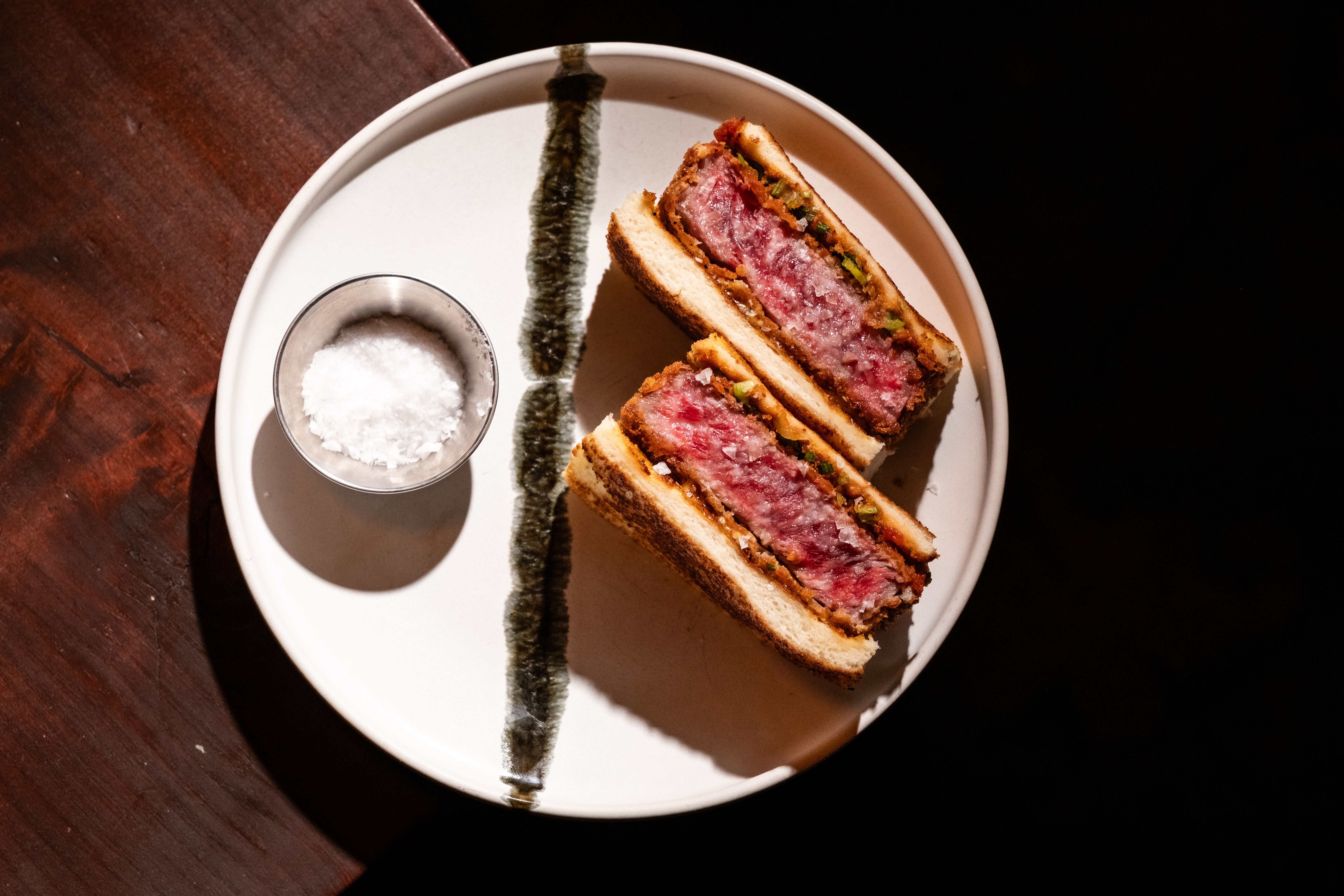
Not every food trend starts with a chef or a fine dining room. Sometimes it starts with an ordinary item from another country that people have heard about for years online. The Japanese 7-Eleven sandwich fits that pattern perfectly because it is familiar enough to understand instantly, but different enough to feel exciting.
That tells us something important about Canadian taste. Shoppers are becoming more curious about global foods that are woven into daily life elsewhere, not just holiday treats or luxury imports. Ramen, Korean corn dogs, onigiri, and regional chips have all followed this path. Canada's food scene is becoming more open to international staples with strong cultural identity and mass appeal.
Texture is becoming a bigger part of mainstream taste
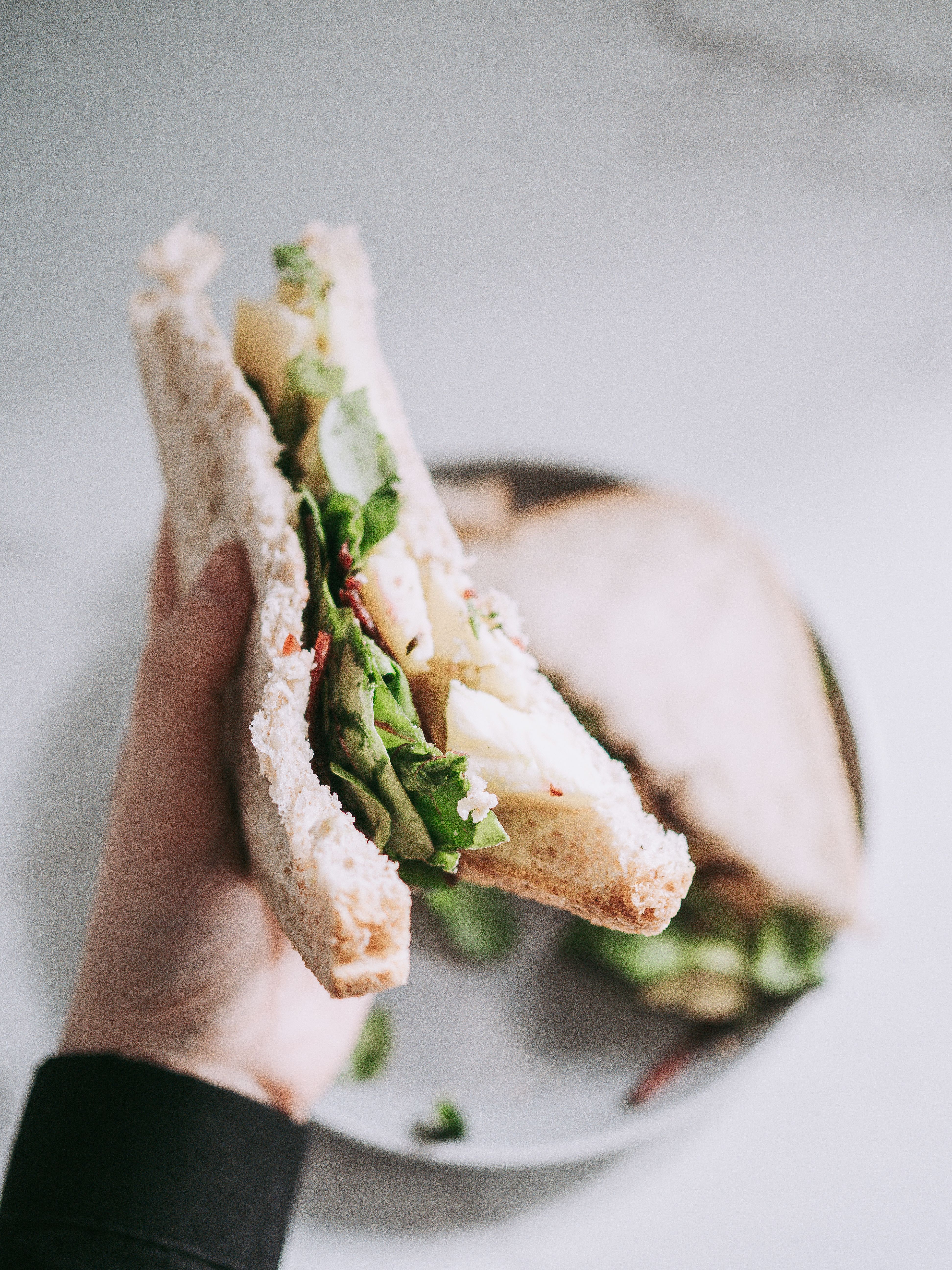
One reason Japanese convenience sandwiches stand out is that people talk about the texture almost as much as the flavor. The bread is famously soft, the fillings are evenly distributed, and each bite feels consistent. That may sound minor, but it reflects a more sophisticated way of talking about everyday food.
Canadian consumers are increasingly tuned into mouthfeel, freshness, and structural balance. This is visible across food trends, from crispy chicken sandwiches to chewy noodles and laminated pastries. People want food that feels good to eat, not just food that is seasoned well. If this sandwich succeeds, it will show that texture is no longer a niche concern. It is part of mainstream expectation.
Value now means quality for the price, not just low cost

Japanese 7-Eleven food is admired partly because it delivers a strong quality-to-price ratio. That distinction matters. Consumers in Canada remain price sensitive, especially after years of inflation in groceries and restaurant meals, but they are not simply hunting for the cheapest option. They want to feel that a purchase earned its place.
A well-made convenience sandwich speaks directly to that mindset. If it tastes fresher, looks better, and feels more satisfying than standard grab-and-go fare, people may see it as smart spending rather than a small indulgence. Canadian food businesses are increasingly being judged this way. Value is becoming less about sticker price alone and more about whether quality feels honest.
Retailers are competing harder for the lunch hour

Lunch used to belong mainly to fast food chains, cafes, and office food courts. That landscape has changed. Supermarkets, pharmacies, convenience stores, and fuel retailers now all want a share of the midday meal, especially from workers, students, and commuters who need something fast.
The arrival of a famous Japanese-style sandwich adds pressure to that battle. It signals that convenience stores can use signature prepared foods to build loyalty, not just sell snacks and drinks. In Canada, where urban routines are busy and hybrid work has changed eating habits, retailers that offer dependable, portable meals have a real advantage. The lunch hour is becoming a serious retail contest.
Food reputation now travels online long before products do
Japanese 7-Eleven sandwiches became famous internationally because travelers, food writers, and everyday creators kept talking about them. For many Canadians, the product already has a reputation before it reaches a local shelf. That changes how food launches work in a connected market.
Canadian consumers increasingly discover new foods through travel content, TikTok clips, and cross-border food chatter rather than traditional advertising. By the time a product arrives, demand may already be primed by years of curiosity and comparison. That means food companies entering Canada are no longer introducing themselves from scratch. They are stepping into a public conversation that may be enthusiastic, informed, and very hard to fool.
Clean flavor profiles are gaining ground
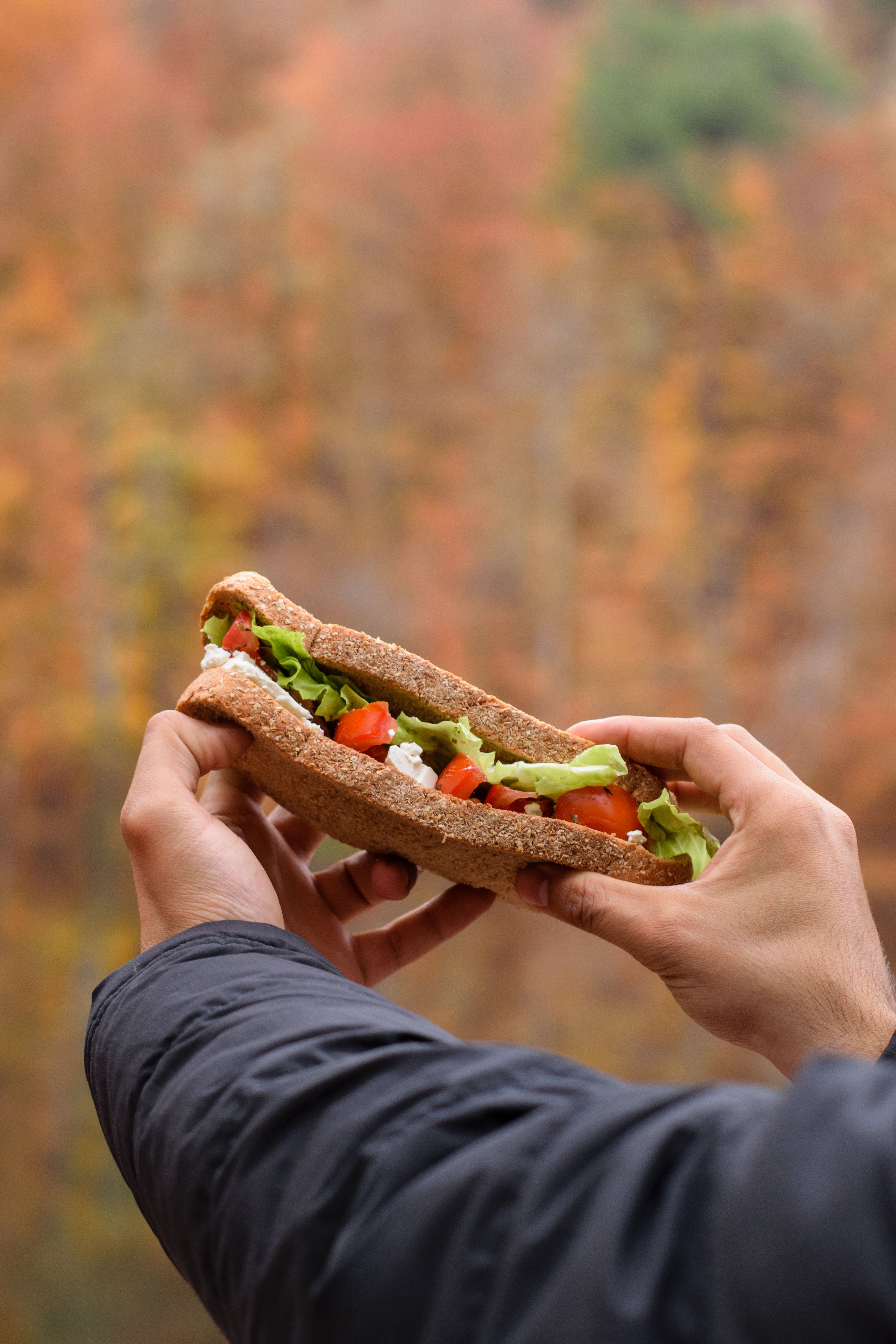
Another lesson from the Japanese convenience model is that not every successful food needs to be overloaded. Many of these sandwiches are known for restrained seasoning, balanced fillings, and an emphasis on freshness rather than excess. That approach lines up with a subtle but real shift in Canadian preferences.
Across grocery and restaurant menus, there is growing interest in foods that feel lighter, clearer, and less engineered. That does not mean bland. It means flavors that seem intentional and easy to understand. A sandwich built around egg salad, cutlet, or fruit and cream can succeed because each element has room to speak. Canadian food is gradually making more space for simplicity done well.
Regional supply chains will need to support fresher prepared foods
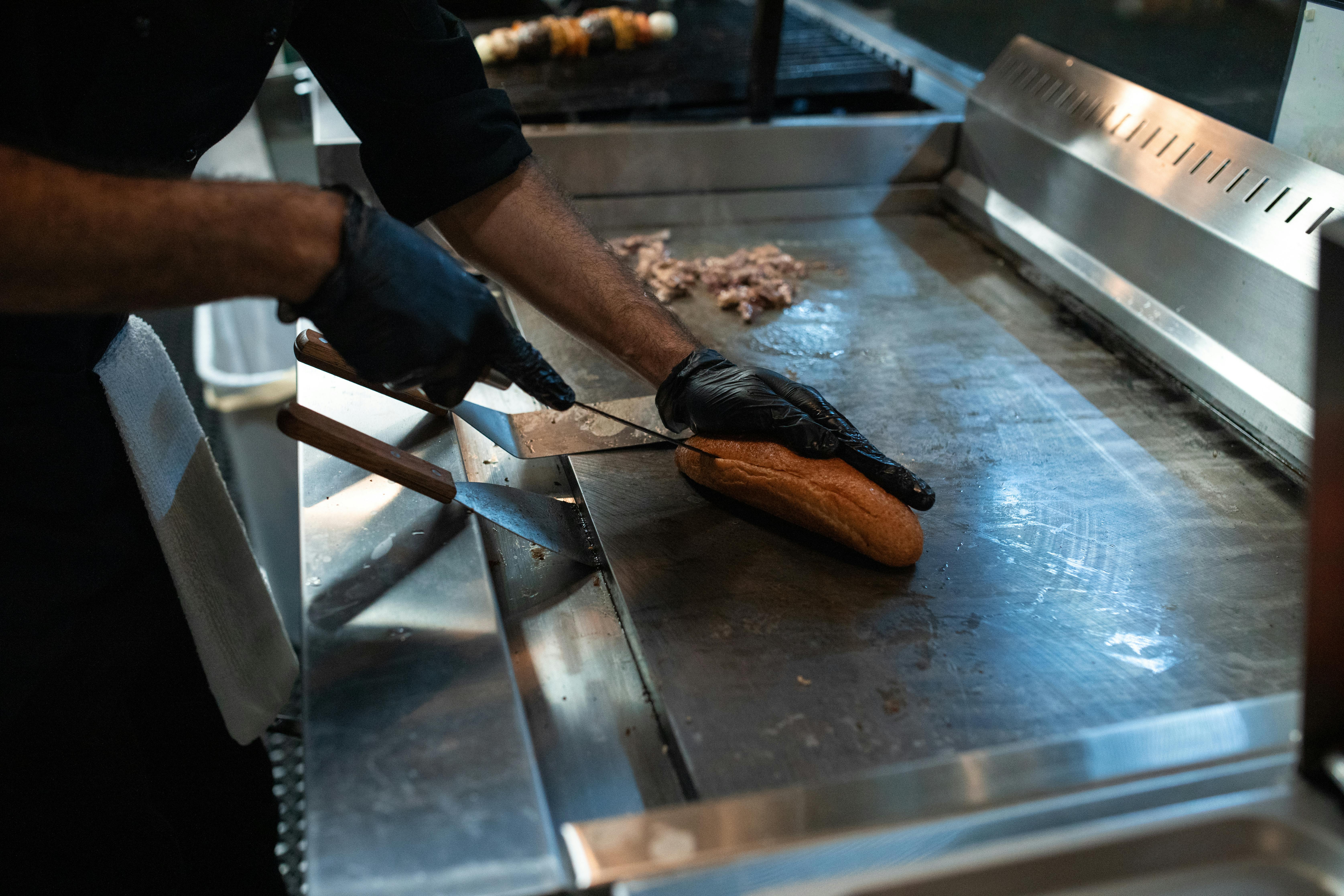
A good convenience sandwich is not just a branding exercise. It depends on bread quality, filling consistency, cold-chain control, shelf-life management, and precise assembly. If a product known for freshness is going to work in Canada, the operational side has to match the promise.
That points to a broader direction for Canadian food retail. Prepared foods are becoming more important, and that requires stronger local and regional systems to keep items fresh and uniform across stores. Retailers that invest in logistics, commissary production, and ingredient sourcing will be better positioned to compete. The future of convenience in Canada will not be won by hype alone. It will be won by execution.



Leave a Reply