
Food can start to feel different after 60 in ways that are subtle at first, then impossible to ignore. A favorite dish may suddenly seem too salty, a normal portion may feel enormous, or hunger may stop showing up on schedule. These changes are common, often tied to normal aging and health factors, and understanding them can make everyday eating feel less confusing and a lot more manageable.
Your appetite may shrink without warning

One of the biggest surprises after 60 is how easily appetite can fade. Many people notice they get full faster, forget to eat, or simply do not feel as interested in meals as they once did. Part of that shift comes from slower digestion, changing hormones that regulate hunger, and lower activity levels.
Medications can also play a major role. Common drugs for blood pressure, pain, depression, and diabetes may dull appetite or alter how food feels in the stomach. Add in stress, grief, or eating alone, and meals can start to feel more like a task than a pleasure.
That matters because eating less can make it harder to get enough protein, fiber, vitamins, and calories. When appetite changes quietly, weight loss and weakness can creep in before anyone realizes it.
Favorite foods may not taste the same anymore
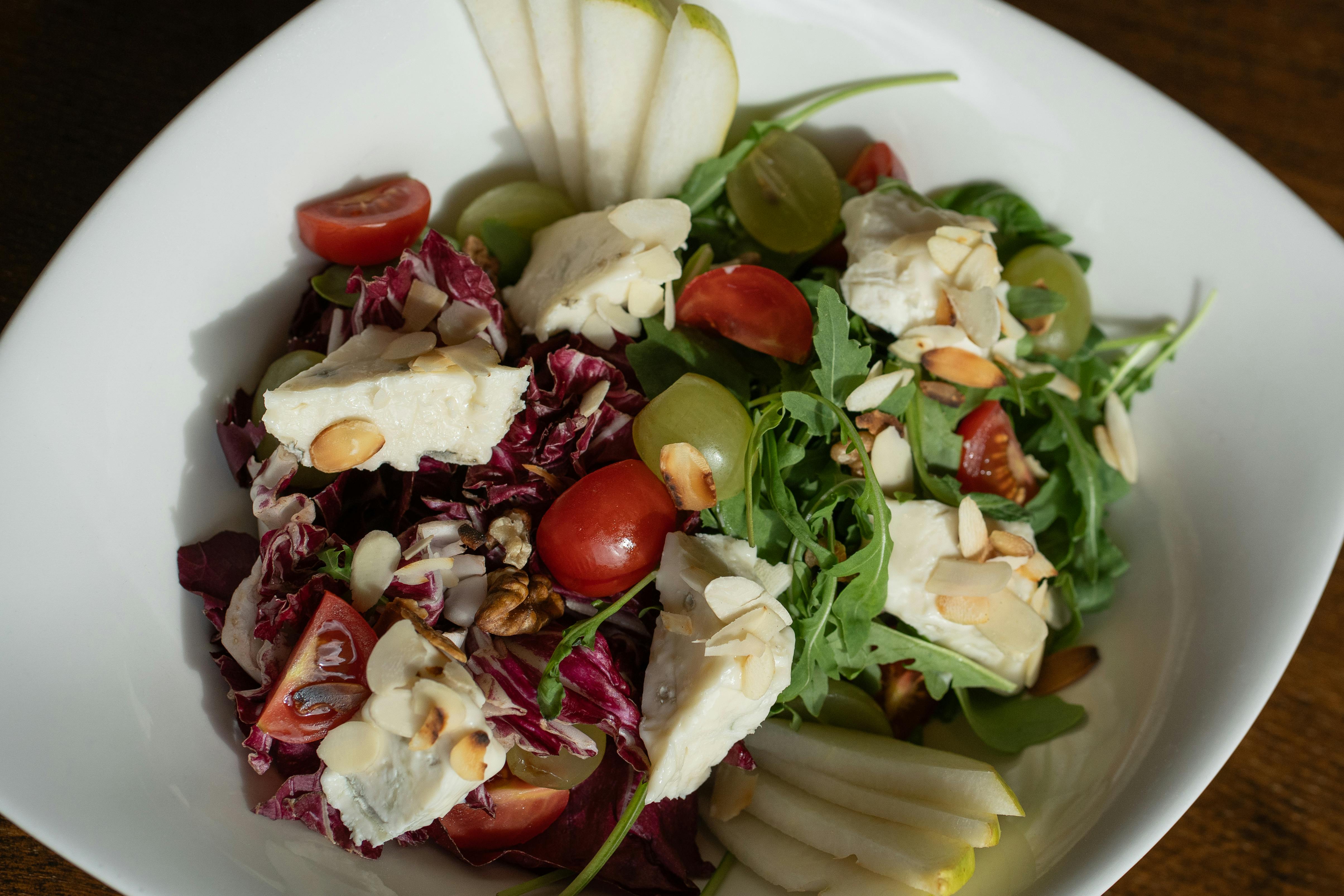
A meal you have loved for decades can suddenly seem flat, overly sweet, or strangely metallic. Taste and smell both tend to become less sharp with age, and because smell drives so much of flavor, foods may lose some of their appeal even when the recipe has not changed.
Dry mouth is another common factor. Saliva helps dissolve food molecules so taste buds can detect them, and many medications reduce saliva production. That can make eating less satisfying and can push people to add more salt or sugar just to make food seem noticeable again.
This change is not all in your head. It is a real sensory shift, and it can affect nutrition if bland food leads to skipping meals or relying on heavily seasoned convenience foods.
Digestion often gets slower and less forgiving

After 60, the digestive system may become less predictable. Food can seem to sit longer in the stomach, bowel movements may slow down, and rich meals that once felt fine can suddenly lead to bloating, reflux, or discomfort. It is a frustrating shift, especially when eating habits have not changed much.
Several things can be behind it. The gut may move food more slowly, stomach acid levels can change, and physical activity often decreases, which affects regularity. Some medications, especially pain relievers and certain supplements like iron, can add constipation or stomach upset to the mix.
The result is that food choices start to feel more strategic. Texture, timing, portion size, and fiber intake can matter more than they used to, and the body often becomes much less tolerant of heavy, late, or oversized meals.
Protein becomes more important than most people realize

Here is a twist many people do not expect: aging bodies often need more help from protein, not less. After 60, the body becomes less efficient at using protein to maintain muscle, a process sometimes called anabolic resistance. That means a casual toast-and-coffee breakfast may no longer do much to support strength.
This matters because muscle loss can happen gradually with age, especially during illness, inactivity, or unintentional weight loss. Less muscle affects balance, mobility, energy, and the ability to recover from setbacks. Food is part of that story, and protein becomes a daily tool, not just a gym concern.
Spreading protein across meals often works better than saving it all for dinner. Eggs, yogurt, beans, fish, poultry, tofu, and dairy can all help meet that need in practical ways.
Thirst gets quieter, even when your body needs water

Many older adults are surprised to learn that dehydration can sneak up more easily after 60. The sense of thirst often becomes less reliable with age, so the body may need fluids even when the usual signal to drink never really arrives. That can make hydration feel easy to overlook.
At the same time, some people take medications such as diuretics or laxatives that increase fluid loss. Hot weather, illness, and reduced mobility can make the problem worse. Even mild dehydration may show up as fatigue, dizziness, confusion, headaches, or constipation rather than obvious thirst.
Food plays a role here too. Soups, fruit, vegetables, yogurt, and other water-rich foods can support hydration, especially for people who do not naturally reach for a glass of water throughout the day.
Blood sugar can become more sensitive to everyday meals
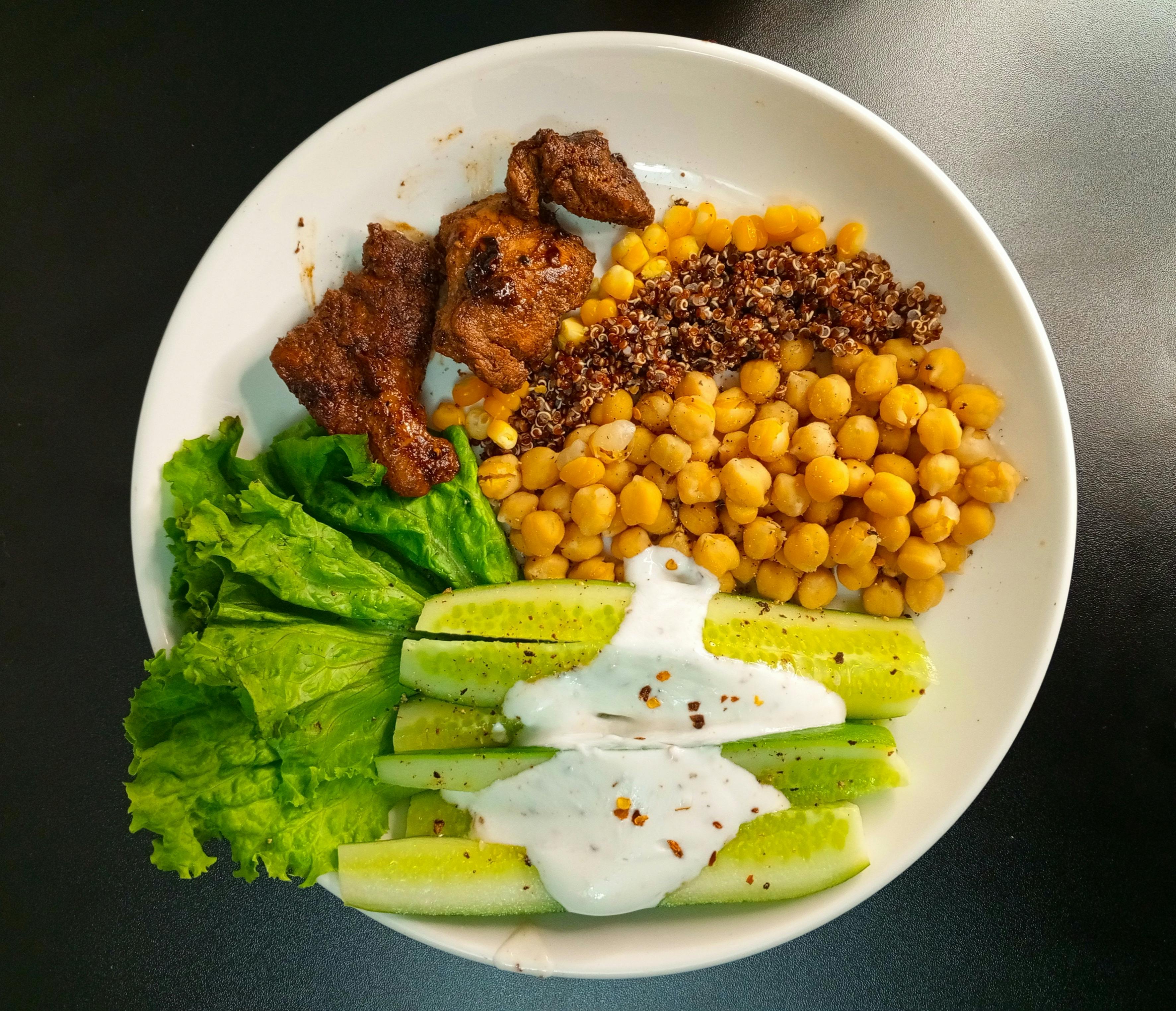
The same lunch that once felt perfectly fine may start causing an energy crash later in the afternoon. As people age, the body can become less efficient at processing glucose, and insulin sensitivity may decline. That does not mean everyone will develop diabetes, but it does mean meal composition matters more.
Highly refined carbs, sugary drinks, and large portions may lead to faster spikes and sharper drops in blood sugar. Those swings can leave people feeling sleepy, shaky, irritable, or hungry again much sooner than expected. It can make eating feel oddly inconsistent from one day to the next.
Pairing carbs with protein, fiber, and healthy fats often creates a steadier response. In practical terms, a sandwich with lean protein and vegetables tends to land differently than pastries or a bowl of sweet cereal alone.
Eating alone can change what and how much you eat

Food is never just nutrition. After 60, retirement, widowhood, caregiving changes, or grown children leaving home can dramatically alter the social side of eating. Many people find that when meals are no longer shared, cooking feels less worthwhile and appetites quietly shrink.
That can lead to skipped meals, repetitive food choices, or dependence on packaged foods that are easy but not very nourishing. The emotional impact matters too. Loneliness and grief can dull interest in food, while stress may push some people in the opposite direction toward comfort eating.
This is why relationship with food is such an accurate phrase. What is on the plate matters, but so does who is at the table, how often meals are planned, and whether eating still feels connected to routine, pleasure, and care.
Your body may react more strongly to salt, sugar, and alcohol

Aging often brings a lower margin for error with certain ingredients. Too much salt may worsen blood pressure or fluid retention, extra sugar may hit energy and blood glucose harder, and alcohol may feel stronger than it used to. The body simply becomes less forgiving in ways that can surprise people.
There are a few reasons for that. Kidney function, liver metabolism, and body composition all change with age, and many medications interact poorly with alcohol or high-sodium processed foods. Even a habit that once seemed harmless, like a nightly drink, can affect sleep quality, balance, or hydration more than before.
This does not mean food has to become joyless. It means paying closer attention to how the body responds, because the feedback after 60 is often more immediate and more important.
Chewing and swallowing can become part of the food equation

One of the least discussed changes is also one of the most practical. Dental problems, missing teeth, poorly fitting dentures, dry mouth, or subtle swallowing difficulties can all affect what feels safe and comfortable to eat. Tough meats, crusty breads, nuts, and raw vegetables may become harder to manage.
When that happens, people often start avoiding certain foods without making a big announcement about it. Unfortunately, many of the foods that get pushed aside are nutrient-dense ones, especially protein foods, fruits, and vegetables. Over time, the menu can become narrower and less balanced.
Texture starts to matter as much as flavor. Softer proteins, cooked produce, soups, stews, yogurt, oatmeal, and smoothies can help people eat well without turning every meal into an effort or a source of worry.




Leave a Reply