
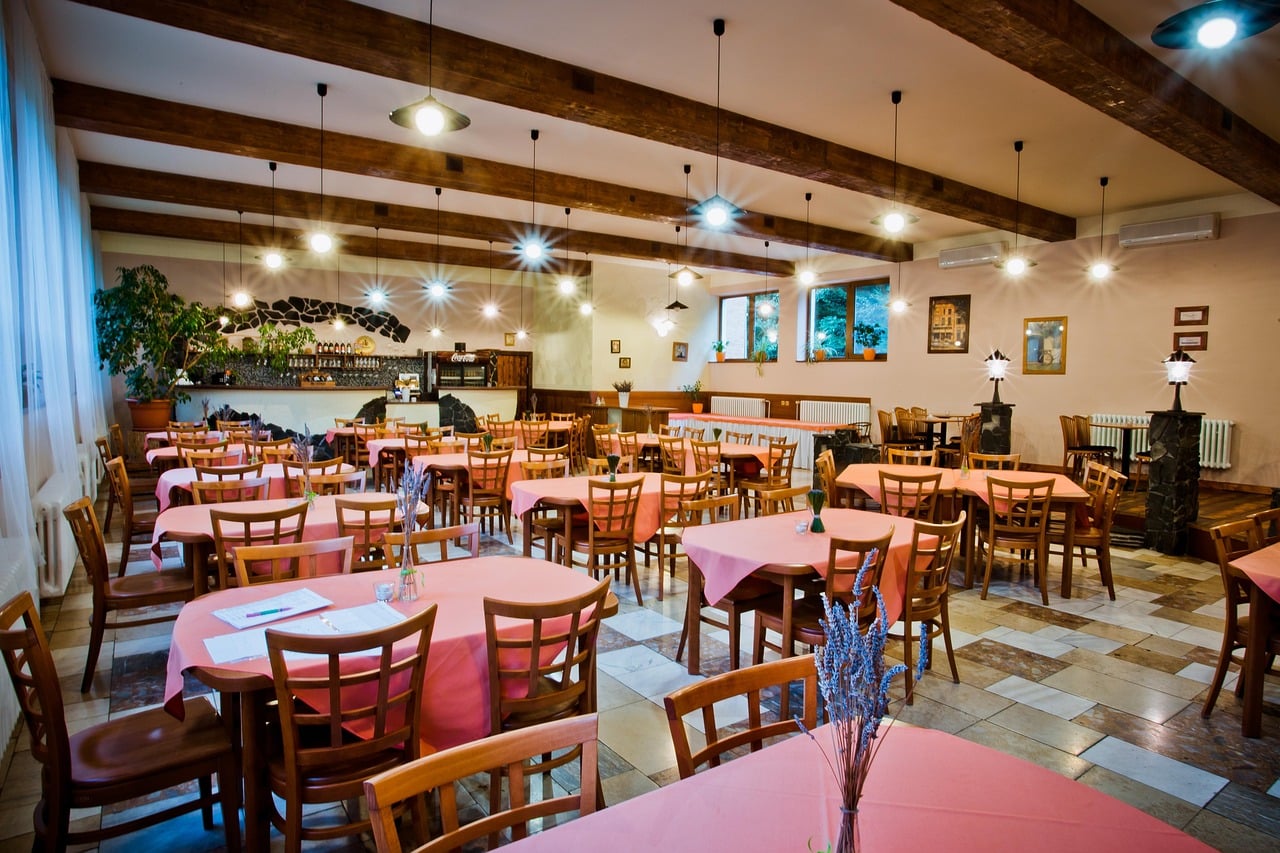
Toronto's restaurant business is being redesigned in plain sight. Mirvish Village's food hall is not just a place to eat, but a signal of how fragile the old restaurant model has become.
A food hall is a hedge against a harsher restaurant economy
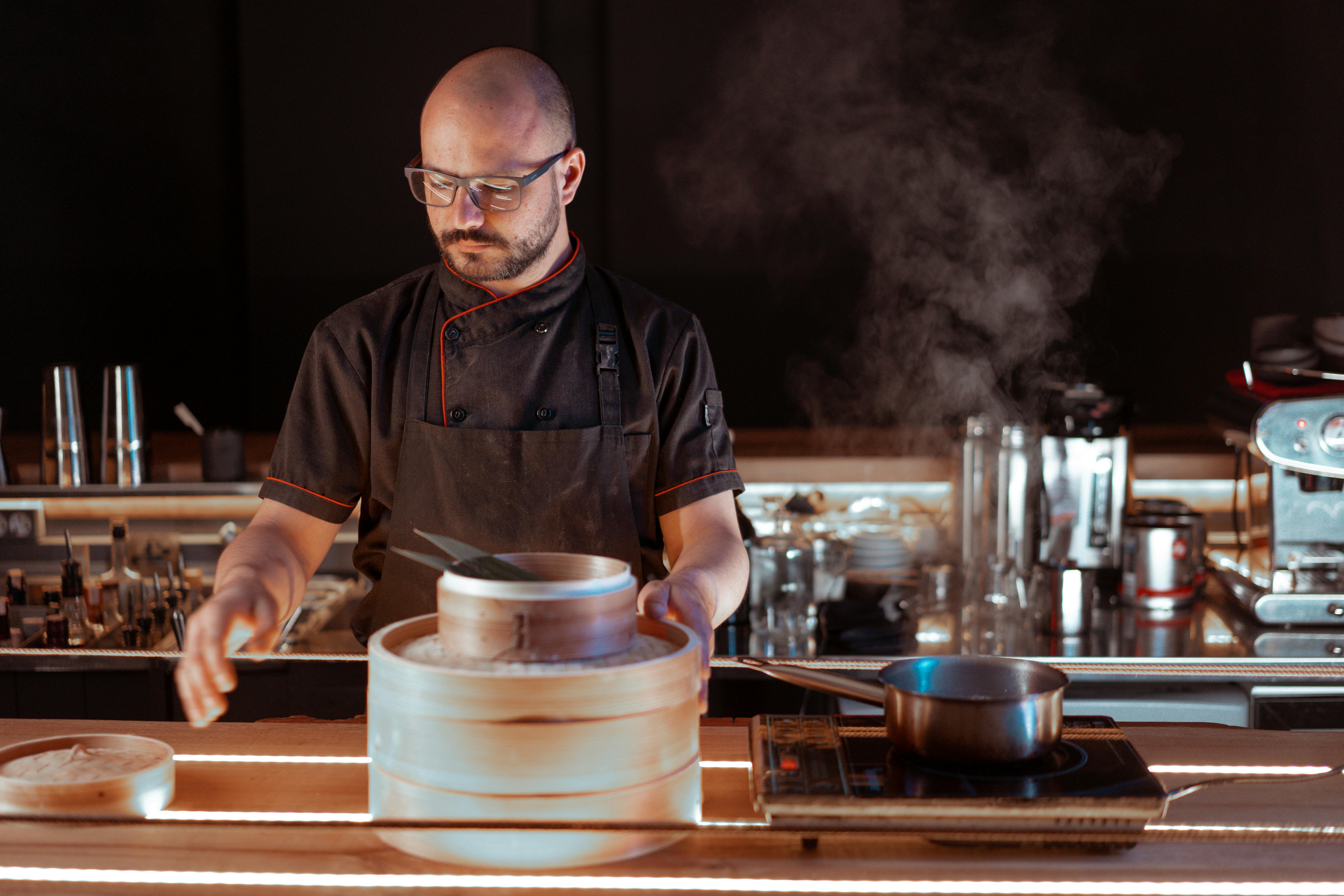
At first glance, a food hall looks like a lifestyle upgrade for a neighborhood. In practice, it is also a financial hedge. For developers and operators, clustering multiple vendors in one destination can spread risk across cuisines, price points, and customer types in a way a stand-alone restaurant simply cannot.
That matters in Toronto, where restaurant margins have been under pressure for years. Rent, labor, utilities, insurance, and ingredient costs have all climbed sharply, while consumers have become more cautious about discretionary spending. A single full-service restaurant has very little room for error when every cost line is moving up at once.
A food hall creates a different equation. Shared seating, centralized maintenance, common washrooms, joint marketing, and built-in foot traffic lower the burden on each tenant. If one concept struggles, the larger venue can still pull people in through stronger operators, events, or simple variety.
Mirvish Village fits a broader mixed-use urban strategy
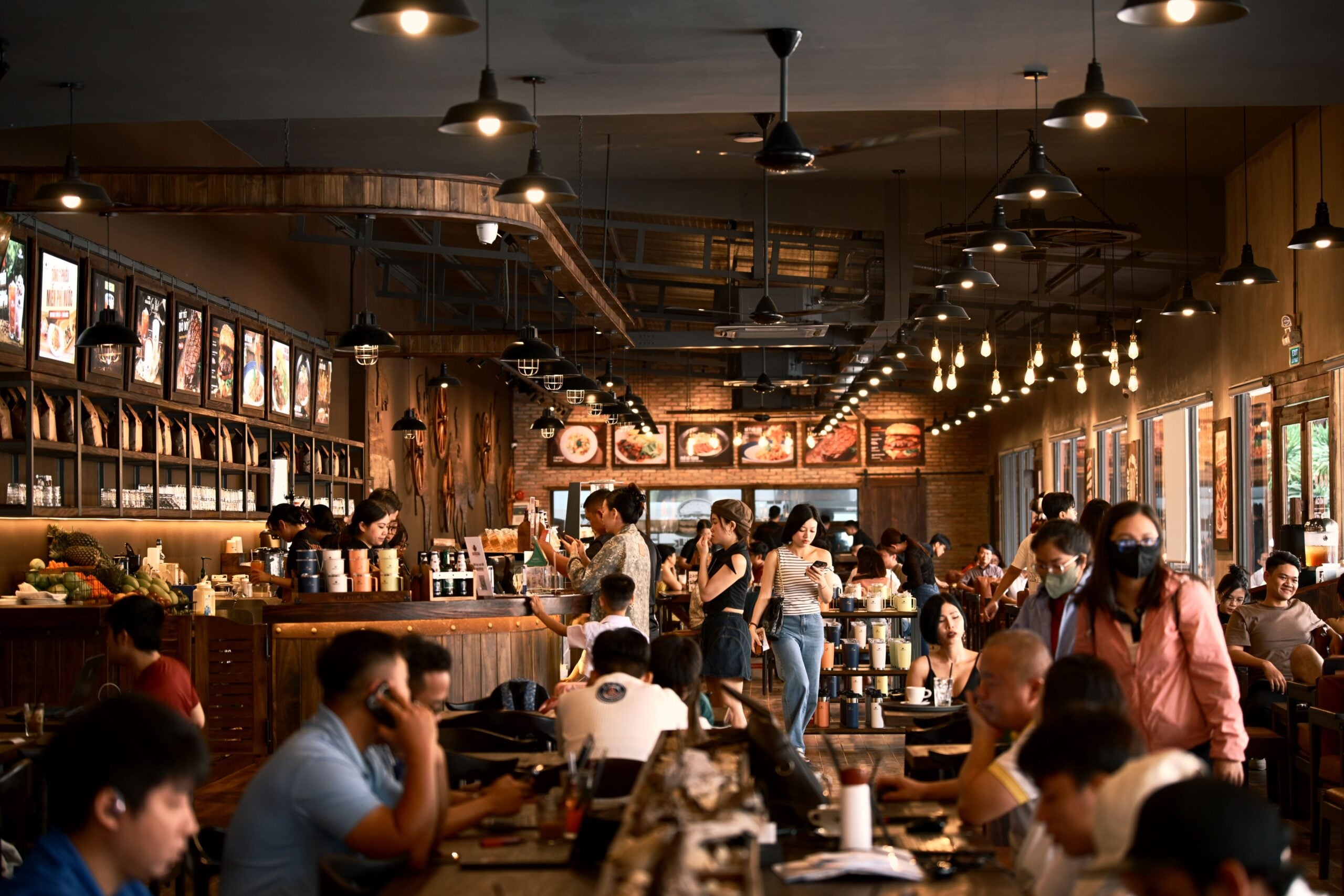
What makes Mirvish Village notable is not only the food itself, but the context around it. The site sits inside a larger redevelopment shaped by housing, retail, and pedestrian activity. That matters because restaurants increasingly perform best when they are part of an ecosystem rather than acting as the sole reason for a trip.
Developers across North America have leaned into this logic. Mixed-use projects rely on food and beverage tenants to animate streets, keep people lingering longer, and raise the appeal of residential and retail space nearby. In that model, the restaurant is both a business and an amenity.
Mirvish Village reflects that exact bet. Instead of asking one operator to survive on dinner service alone, the development can feed off residents, office visitors, shoppers, and eventgoers throughout the day. That steady stream is more valuable than the old hope that great food by itself will overcome every structural challenge.
Restaurants now need volume, flexibility, and multiple revenue streams

The classic independent restaurant model once depended heavily on repeat locals, strong evening traffic, and beverage sales to carry margins. That formula is harder to sustain today. Delivery apps have changed customer expectations, inflation has reduced spending power, and diners are more likely to split visits across many venues instead of committing to one favorite spot.
Food halls answer this by creating volume through convenience and choice. A group with different cravings can still visit one location together. That reduces the friction that often costs stand-alone restaurants a sale, especially in dense urban neighborhoods where competition is constant.
The model also supports operational flexibility. Vendors can test concepts with smaller footprints, tighter menus, and lower staffing needs than a traditional restaurant would require. For some brands, that makes the hall less of a stepping stone and more of a survival strategy.
The experience economy is now part of the business model
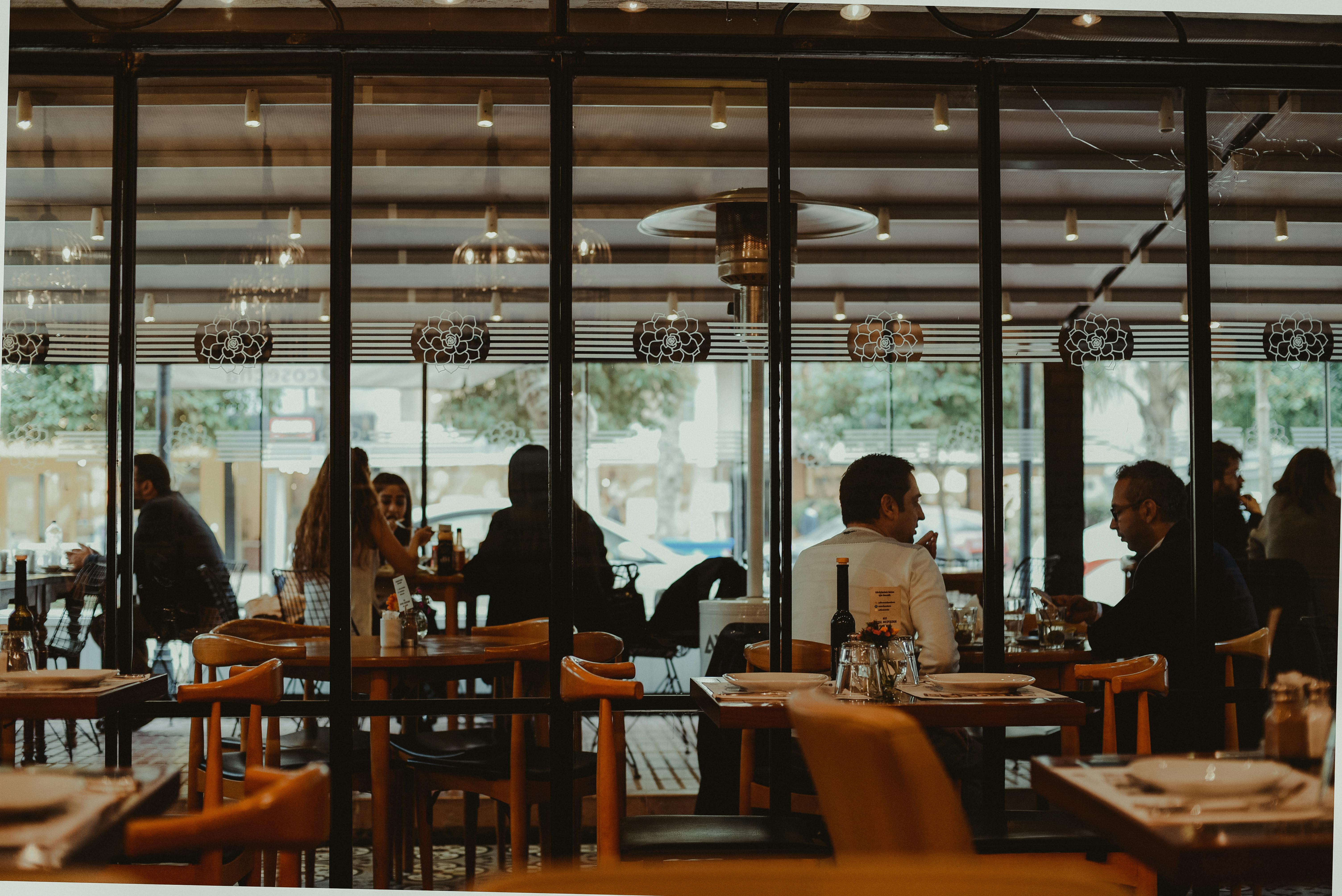
There is another reason food halls keep appearing in major cities: they sell atmosphere as much as they sell food. Consumers, especially younger urban diners, increasingly want spaces that feel social, casual, and discoverable. A food hall can offer that without the commitment or price point of a long sit-down meal.
This is not a superficial trend. Industry analysts have repeatedly noted that hospitality spending is shifting toward places that combine eating with entertainment, design, and community identity. People are not just buying lunch. They are buying energy, flexibility, and a sense that they are in the middle of something current.
Mirvish Village benefits from this shift. Its appeal lies in being a destination with built-in variety and street life, not merely a row of places to order food. That kind of environment is harder for a lone restaurant to replicate, no matter how strong the cooking may be.
For small operators, the promise comes with limits
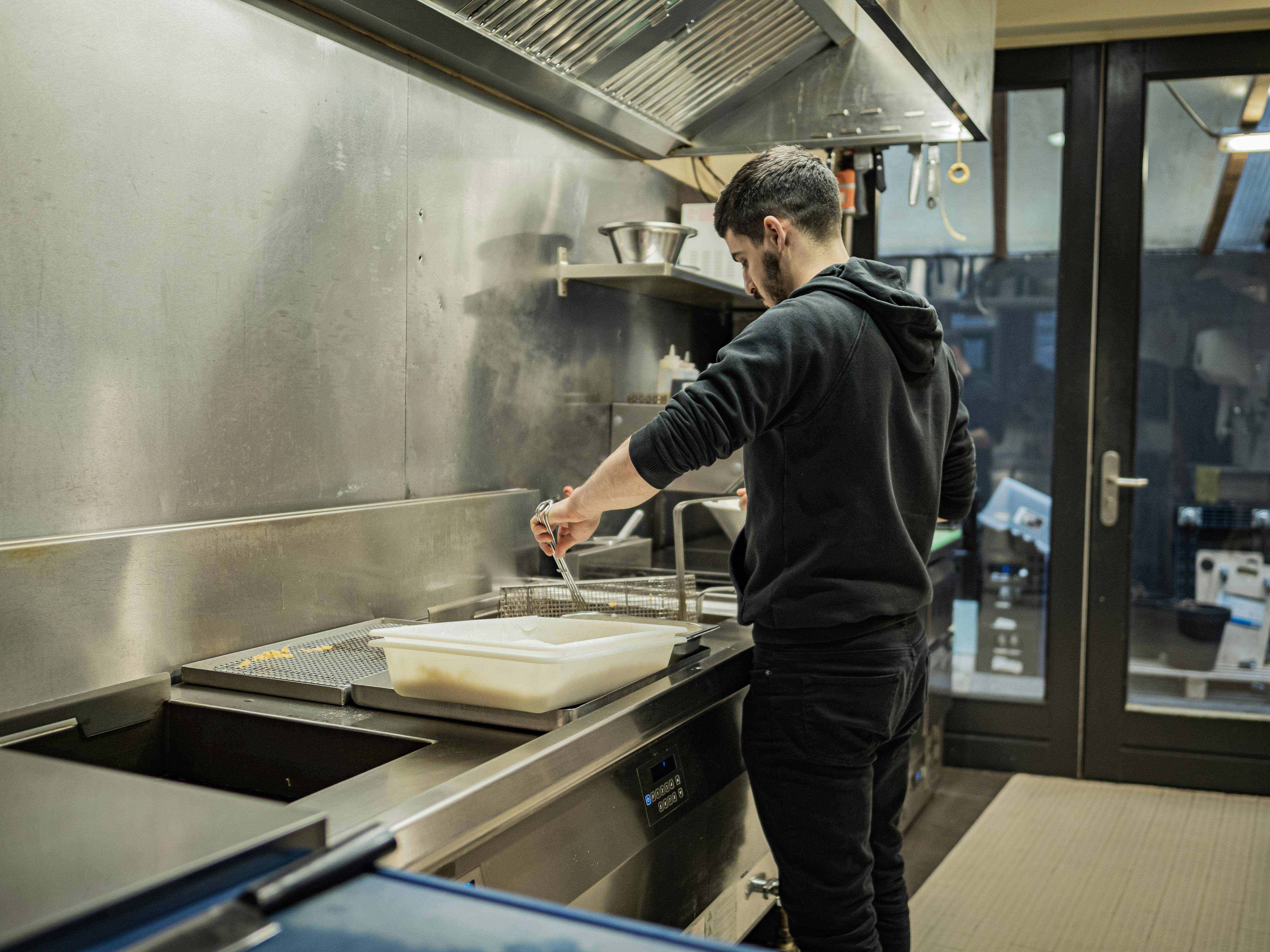
Food halls are often presented as a friendlier path for independent vendors, and sometimes they are. Lower build-out costs, reduced overhead, and immediate exposure can help newer operators enter expensive urban markets. In theory, that opens the door for more experimentation and more local culinary talent.
Still, the model is not automatically gentle. Vendors may face percentage rent, strict operating rules, limited storage, and intense dependence on foot traffic controlled by the landlord's broader success. A weak season, an underperforming location, or changing demographics can quickly expose how little control a small tenant actually has.
That tension is important in Toronto, where affordability pressures affect both business owners and customers. A food hall can reduce some barriers, but it does not erase the fundamental math. It simply reorganizes it into a format that may be more resilient than going it alone.
Mirvish Village points to the future of urban dining
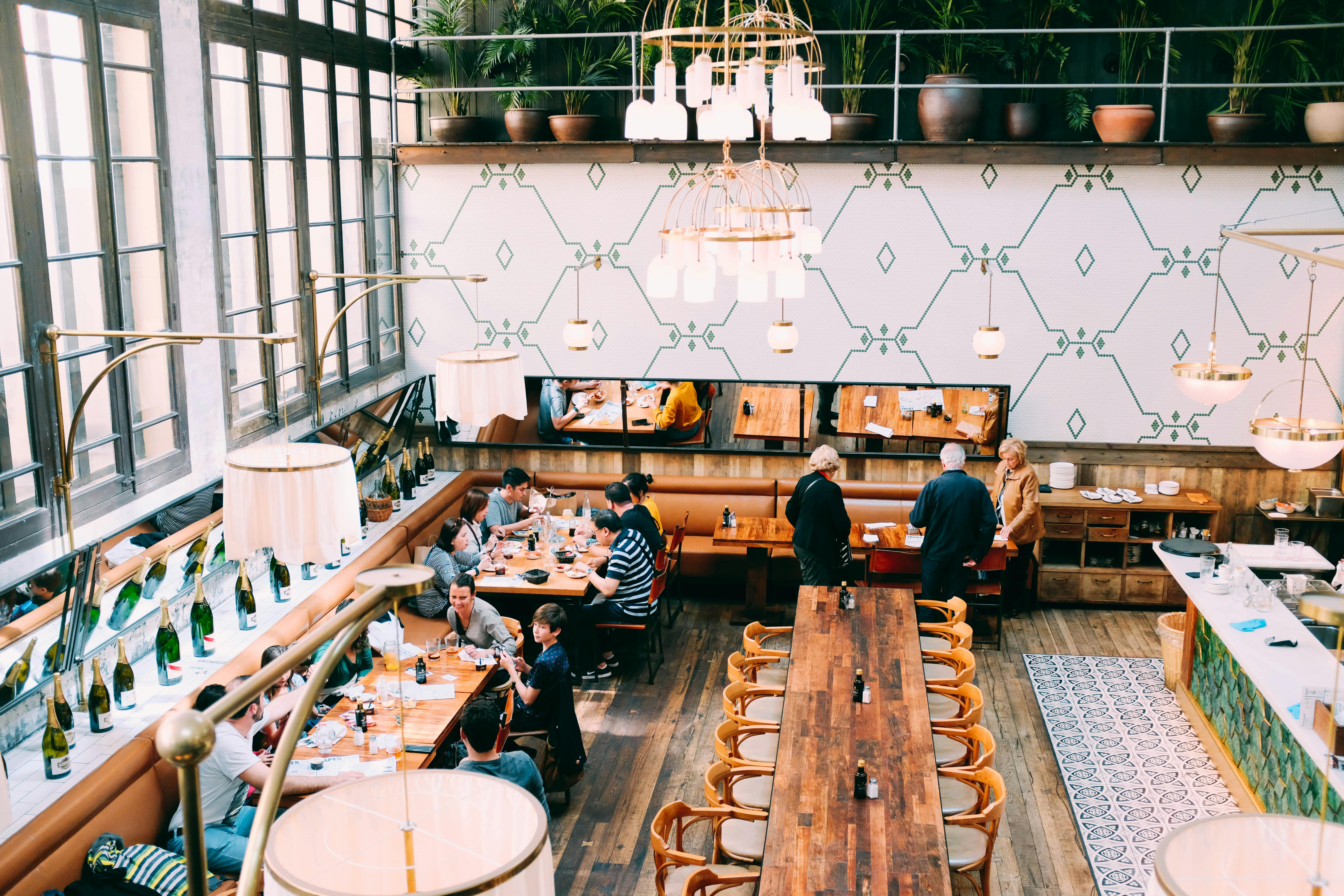
The bigger message behind Mirvish Village is that restaurants are increasingly being folded into larger real estate and consumer strategies. Food is still central, but it is no longer sufficient as a stand-alone proposition in many expensive city markets. Success now depends on density, convenience, cross-traffic, and experience design.
That does not mean independent restaurants disappear. It means the conditions for survival are changing fast. Operators who can plug into mixed-use districts, diversify how they serve customers, and keep fixed costs under tighter control will likely have an advantage over those relying on a traditional dining-room model.
Mirvish Village is therefore more than a local opening. It is a clear Toronto example of a wider industry reality: restaurants alone are often too vulnerable, and the future belongs to formats that spread risk while giving diners more reasons to show up.




Leave a Reply