
The crowds are back, but they are not gathering the way they used to. Across Canada, the buzziest dining rooms now often look like shared marketplaces rather than traditional restaurants.
Why food halls are spreading so quickly
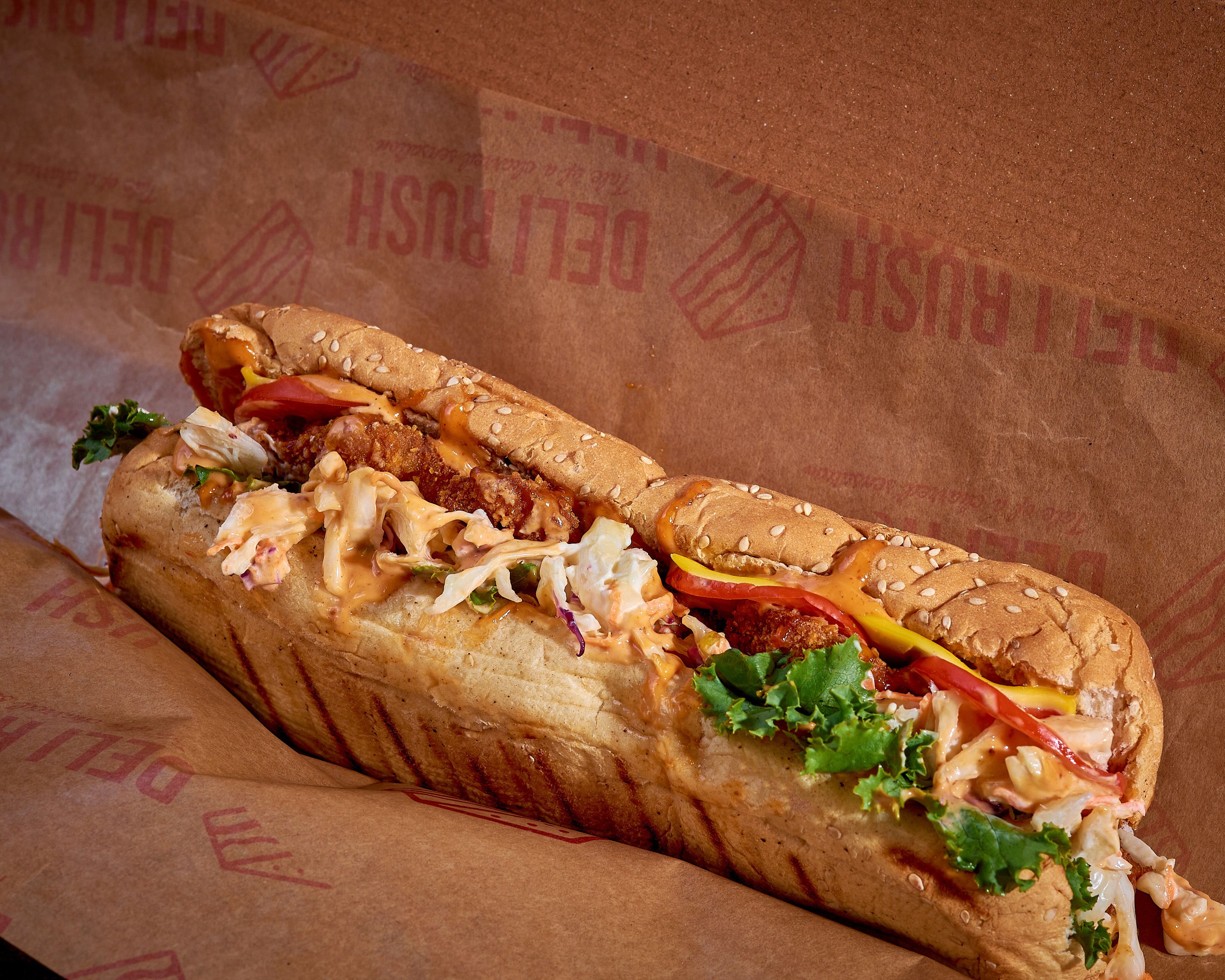
What looks like a sudden craze is really the result of years of pressure building inside the restaurant business. High rents, labour shortages, food inflation, and thinner margins have made the classic full-service model harder to sustain in major cities. In Toronto, Montreal, Vancouver, Calgary, and Halifax, developers have noticed that smaller vendor stalls can fill space faster and spread risk across multiple operators.
Consumers have changed too. Many diners now want flexibility, speed, and choice in one stop. A group can order ramen, tacos, oysters, or vegan bowls without negotiating a single menu, and that convenience matters in dense downtown districts, mixed-use towers, and transit-connected neighbourhoods.
Industry consultants have also pointed to a post-pandemic habit that never fully disappeared: people still like casual, lower-commitment outings. A food hall can feel social without requiring a two-hour reservation. For landlords, that steady all-day traffic is extremely valuable.
The business math is hard to ignore

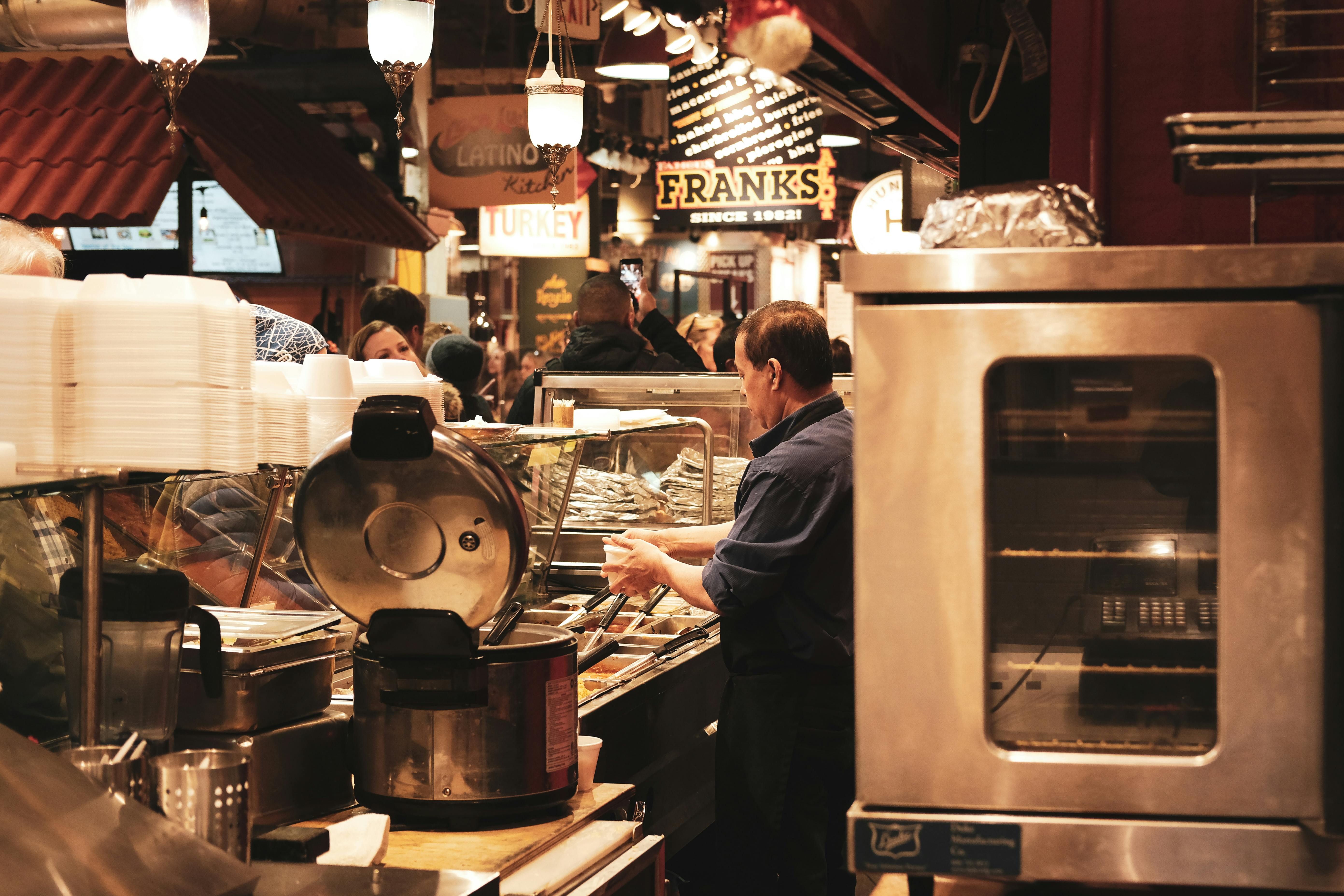
Here is the core appeal: food halls lower the barrier to entry for small operators. Opening a stall often costs far less than building a standalone restaurant with a full dining room, larger kitchen, and bigger front-of-house team. That means more independent chefs, specialty bakers, and first-time founders can test concepts before taking on a full lease.
For property owners, the model offers diversification. If one vendor struggles, the entire venue does not necessarily collapse. One strong coffee counter can drive breakfast traffic, while a cocktail bar and dumpling stand carry the evening. That mix makes revenue less dependent on a single cuisine or a single operator's management skills.
There is also a branding advantage. Food halls create built-in discovery, which can reduce marketing costs for vendors. A customer arriving for one stall may leave having sampled three others, and that cross-pollination is much harder to achieve on a typical restaurant strip.
Why diners are embracing the format
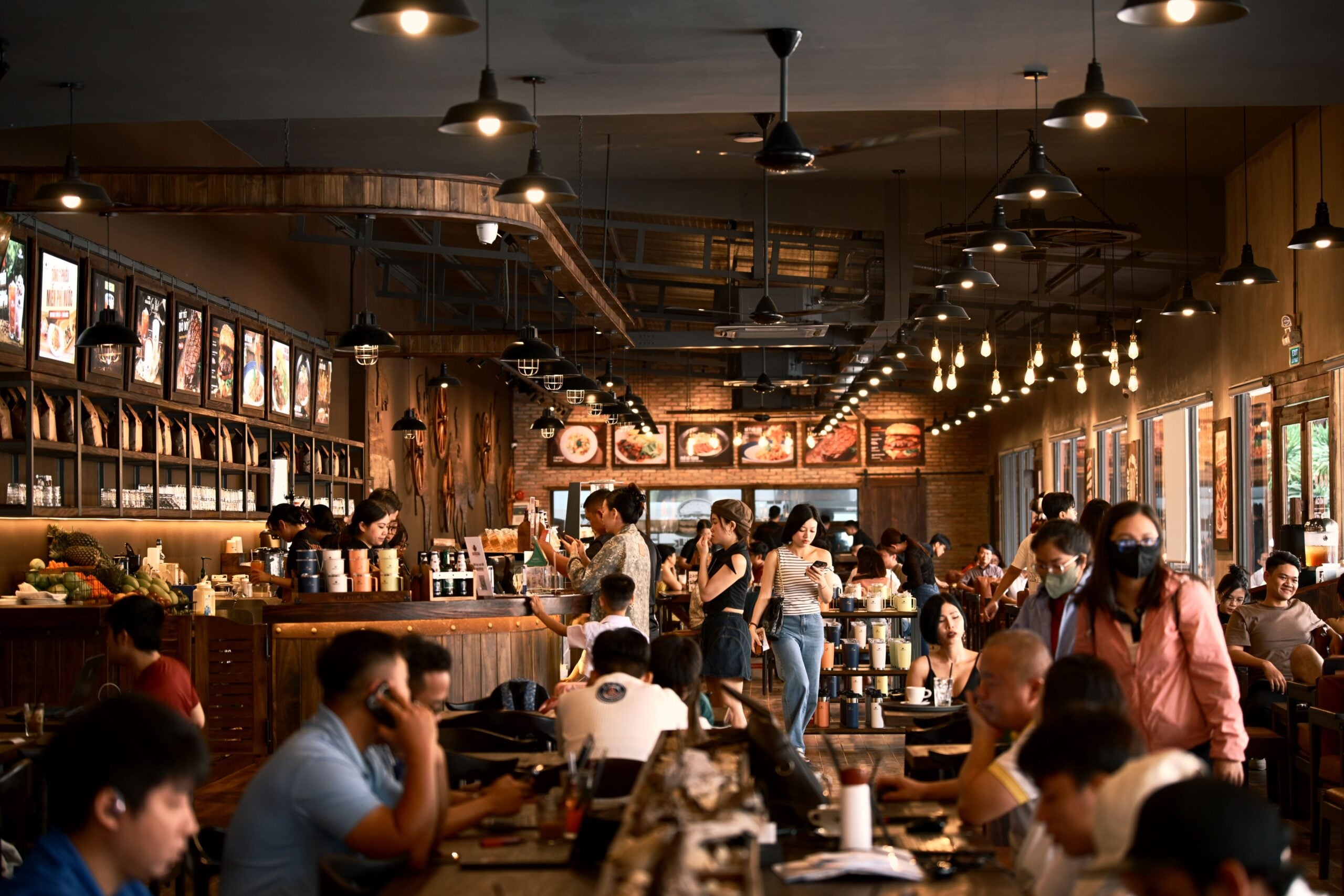
The modern food hall fits the rhythm of Canadian city life. Office workers want quick lunches, remote workers want places to linger, families want options, and tourists want a snapshot of local food culture in one room. The format answers all four needs unusually well.
Price also matters. While food halls are not always cheap, they often feel more accessible than full-service dining because guests can control spending. One person can grab a sandwich, another can splurge on seafood, and nobody is locked into appetizer, entrée, dessert, and tip expectations.
Just as important is atmosphere. The best Canadian food halls are designed as experiences, with communal seating, local art, live music, and event programming. They borrow some of the energy of a market and some of the polish of a restaurant, which makes them appealing to people who want a night out without formality.
What this means for sit-down restaurants
This is not a funeral for sit-down restaurants, but it is a warning. Full-service establishments still own occasions that food halls do not serve especially well: anniversaries, business dinners, long conversations, tasting menus, and hospitality-driven experiences. Great service, strong identity, and a sense of occasion still matter.
The trouble is in the middle of the market. Generic casual dining now faces the hardest squeeze because food halls can replicate convenience, variety, and buzz with lower overhead. If a restaurant offers nothing distinctive beyond a decent burger and a pleasant room, it is more exposed than ever.
Many restaurateurs know this already. Across Canada, some are opening food hall outposts as feeder brands, using them to build recognition before expanding into standalone spaces. In that sense, food halls can act less like predators and more like farm systems for the next generation of restaurants.
Canada's version has its own character
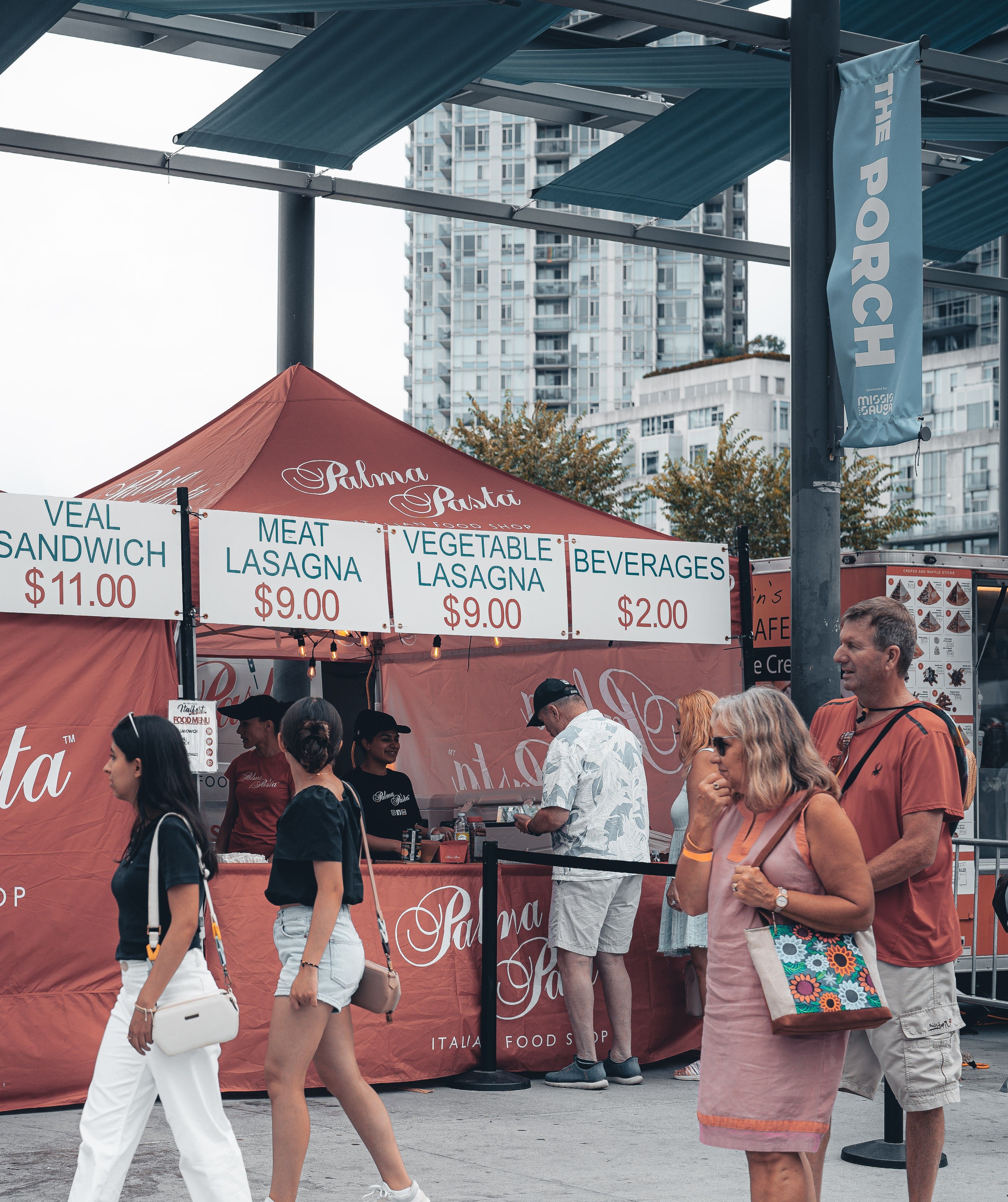
Canada is not simply copying the American food hall boom. Local versions often reflect immigrant entrepreneurship, regional ingredients, and mixed retail districts more closely than corporate roll-up concepts. In cities such as Toronto and Vancouver, halls frequently mirror the diversity of the neighbourhoods around them, with Filipino, Ethiopian, Persian, Korean, and Indigenous food businesses sharing a roof.
Climate plays a role as well. In a country with long winters, indoor social spaces carry extra value. A well-run food hall can function like an urban commons, offering warmth, activity, and informal gathering space when patios are closed and street life slows down.
There is also a redevelopment story behind many projects. Older commercial buildings, underused department store floors, and former industrial properties are being revived through food-led foot traffic. That makes food halls attractive not just to diners, but to city builders.
The boom will not save every project
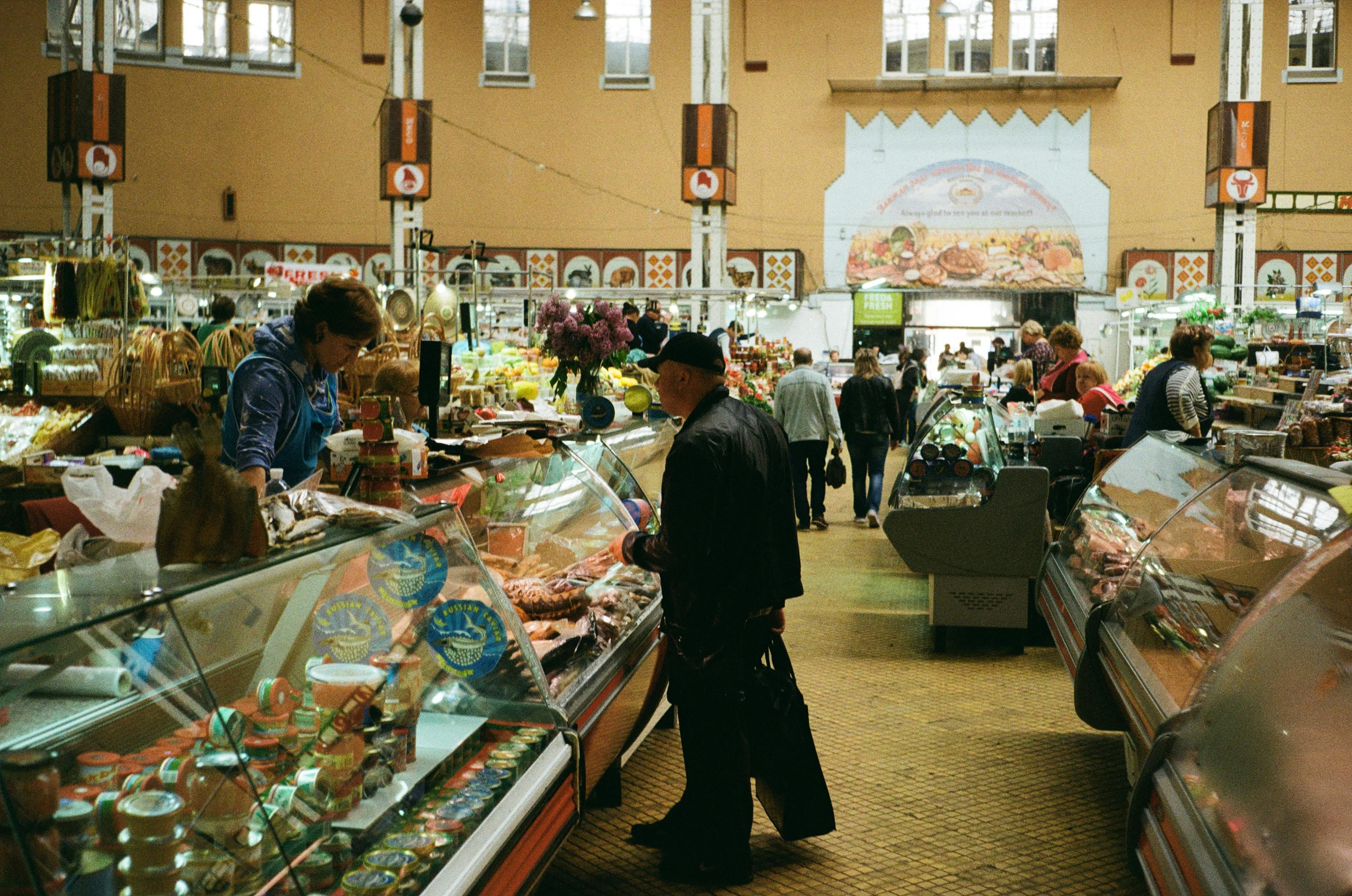
Not every food hall will work, and the failures will be instructive. Too many projects mistake aesthetics for economics, assuming that pretty lighting and polished concrete guarantee repeat visits. Without strong curation, fair vendor terms, and reliable daily traffic, the concept can quickly become an expensive food court with better branding.
Vendors face risks too. Small footprints can limit production, margins can still be tight, and some halls charge high fees for the promise of exposure. If management oversells traffic or underinvests in operations, independent businesses can burn out fast.
Still, the broader trend is real and likely durable. Food halls are not replacing restaurants wholesale. They are filling the gap between fast food, food courts, and formal dining, and in today's Canada, that middle ground is exactly where much of the opportunity sits.




Leave a Reply