
Cheap meals still catch the eye. But in 2026, the lower number on the menu often hides a different kind of price.
The menu price stayed low, but the portion changed
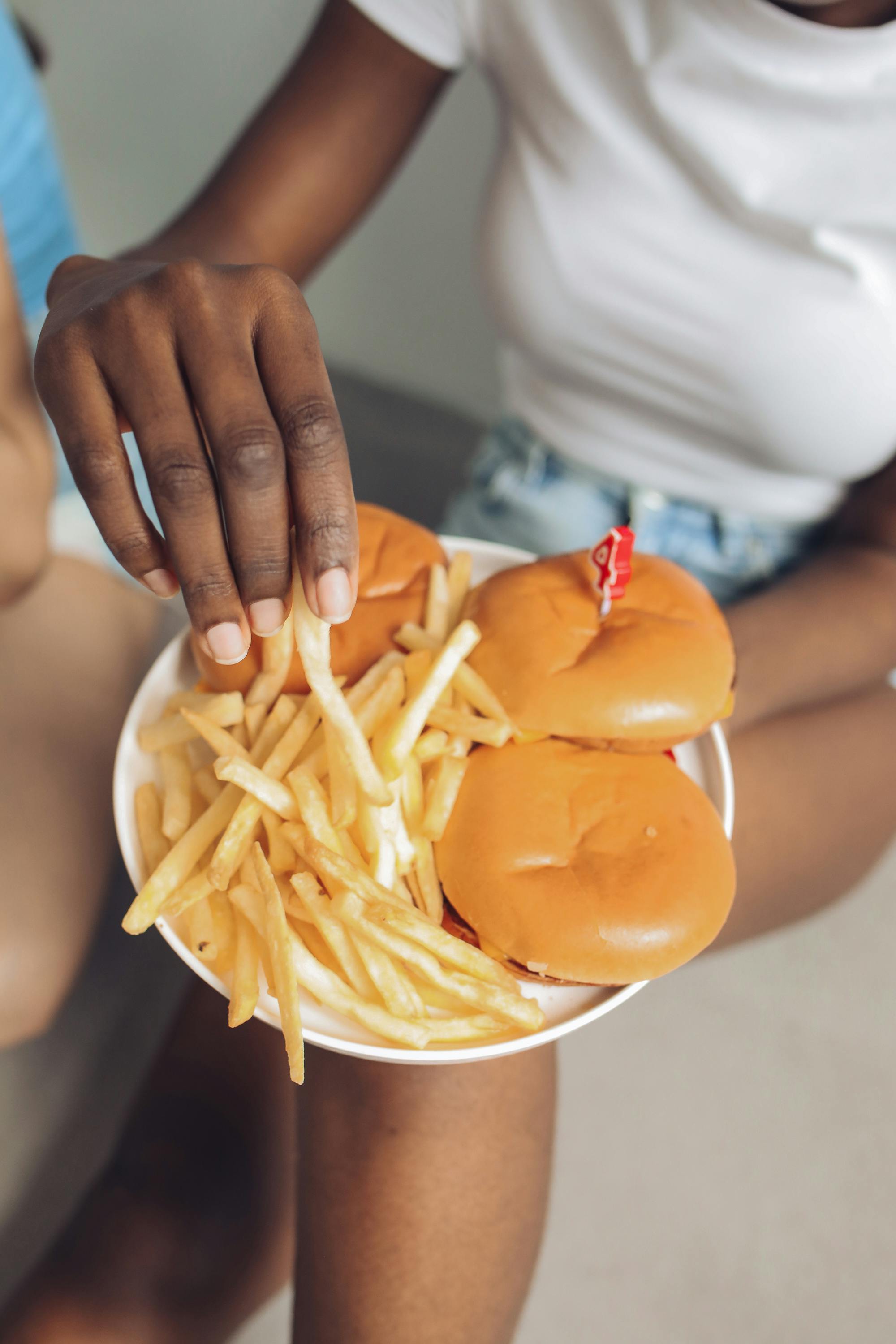
The easiest cost cut is the one customers may not measure. A burger can lose a few grams of beef, fries can be packed more loosely, and drinks can come with more ice while the headline price remains unchanged. That is the restaurant version of shrinkflation, and it has become a core tool as food, labor, rent, and packaging costs remain elevated across the industry.
Large chains have become especially skilled at redesigning value meals so the combo still appears familiar. According to earnings calls and franchise disclosures across major quick-service brands, value platforms in recent years have often relied on tightly engineered portions rather than true margin sacrifice. A smaller patty, thinner bacon strip, or reduced sauce portion can protect profitability without forcing a visible jump from $5 to $6.
Independent operators use the same playbook, though with less scale. They may switch from hand-cut fries to frozen, reduce the number of nuggets or wings in a combo, or swap a premium bun for a standard one. Customers still see a "meal deal," but the plate increasingly reflects cost control first and generosity second.
Ingredients got cheaper before the sign changed

A value meal does not always get smaller. Sometimes it simply gets cheaper to make. Restaurants can reformulate sauces, move to lower-cost cuts, blend cheeses, or use more breading and fillers in proteins so the meal still tastes familiar enough for most buyers not to notice the downgrade immediately.
This kind of substitution happens quietly because it works best when the customer experience stays broadly consistent. A chicken sandwich may still look crisp and seasoned, but the filet could be thinner or more processed than it was two years earlier. A shake may contain less dairy fat. A breakfast burrito may carry more potatoes and fewer eggs, because eggs can swing sharply in price after supply shocks.
Commodity volatility has made this strategy more common. Beef, poultry, coffee, cocoa, cooking oils, and dairy have all faced periods of price pressure tied to weather, disease outbreaks, transport costs, and global supply disruptions. When operators promise value, they often absorb those shocks not by taking lower profits, but by rewriting recipes in ways that preserve the impression of abundance.
Labor was trimmed in ways customers could feel
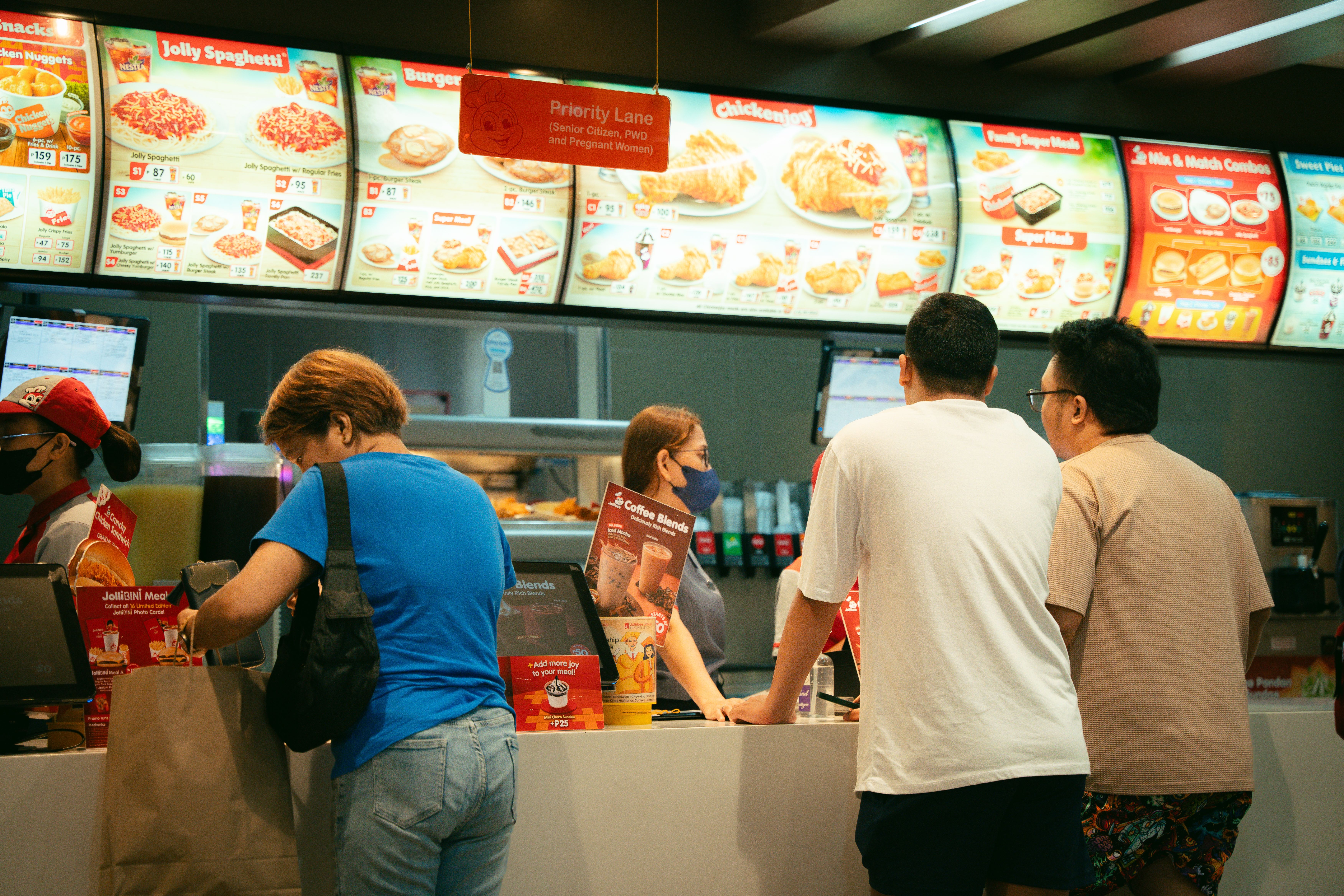
Many value meals are subsidized by something less visible than ingredients: leaner staffing. Restaurants can hold combo prices down by reducing labor hours per shift, limiting counter service, accelerating self-order kiosks, and asking fewer workers to cover more tasks. The meal stays cheap, but the service experience often absorbs the real cut.
Customers notice this as longer waits, messier dining rooms, and less flexibility when something goes wrong. A busy lunch rush with two fewer employees can mean slower fry refills, drinks stations left unattended, and rushed food assembly. The operational math is simple: if labor remains one of the largest controllable expenses, management will protect promotional pricing by squeezing productivity harder.
Workers feel the tradeoff most directly. Industry analysts and labor advocates have repeatedly noted that aggressive value campaigns can increase order volume without proportionate staffing support. That creates burnout, higher turnover, and more mistakes, which eventually affect customers too. The bargain on the receipt is real, but some of its cost has simply been shifted onto employee workload.
Packaging, add-ons, and flexibility quietly disappeared
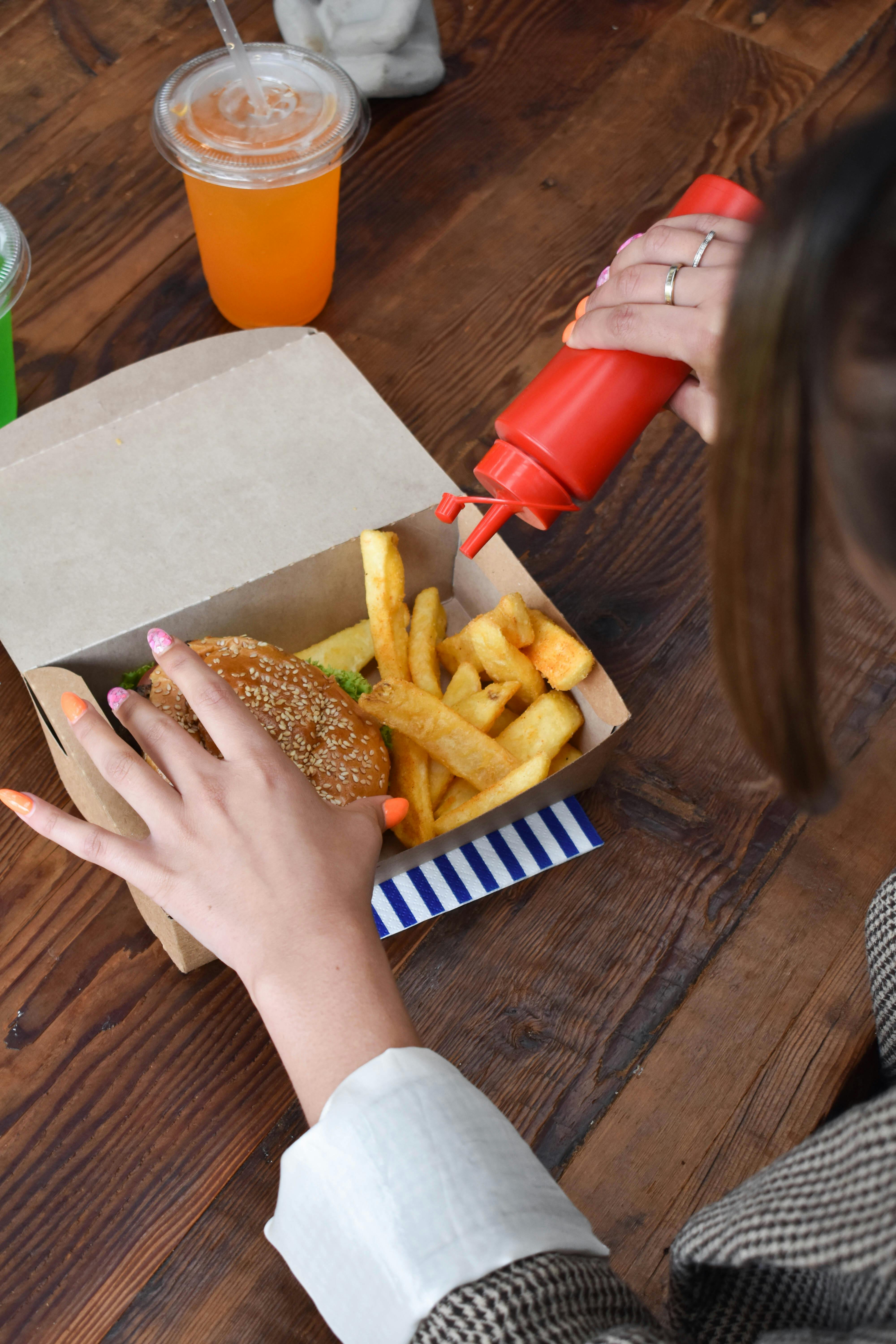
Sometimes the cut is not in the sandwich at all. It shows up in what no longer comes with it. Extra sauces that were once free may now carry a charge. Napkins, utensils, lids, and condiment packets may be more tightly controlled. In some cases, the lowest advertised meal price applies only if the customer accepts the most basic version with no swaps.
This is a powerful tactic because customers tend to compare base prices first. Once they begin customizing, the economics change fast. Cheese, bacon, larger fries, premium drinks, and alternate sides can push a "value" meal back toward standard menu pricing. The deal exists, but only inside a narrower box than it used to.
Digital ordering has made these tradeoffs easier to enforce. Apps and kiosks can automatically limit substitutions, steer users toward paid upgrades, and present fees more systematically than a cashier might have in the past. The result is a carefully controlled value proposition: low entry price, high discipline around anything that adds cost.
The deal often depends on apps, data, and customer behavior
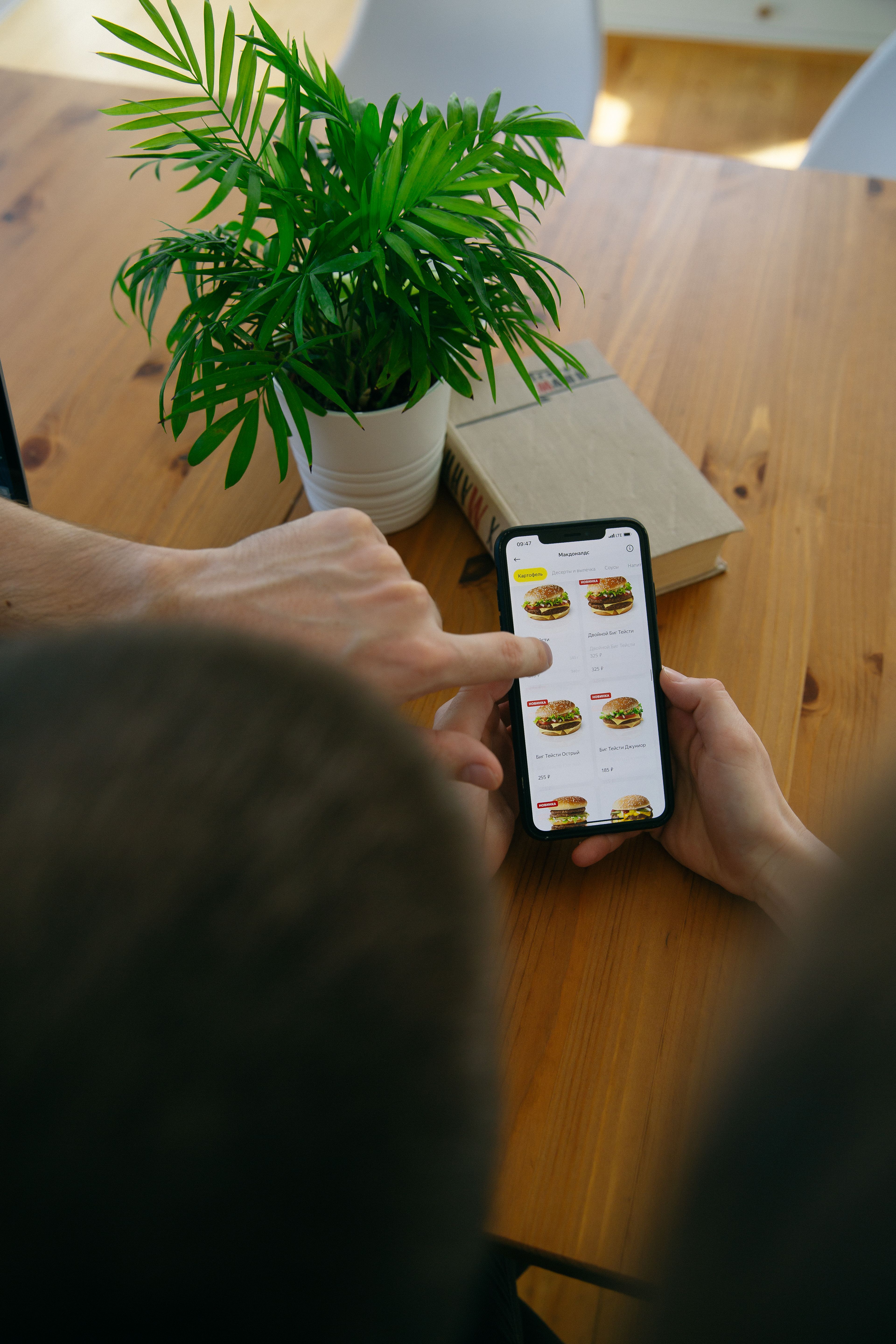
In 2026, many true value meals are no longer meant for everyone. They are meant for logged-in users. Restaurants increasingly reserve the sharpest offers for app customers because digital ordering reduces friction, improves forecasting, and most importantly delivers consumer data that can be used to drive future spending.
That means the "cheap meal" may actually be part of a larger loyalty strategy. A chain can afford to discount one order if it gains app downloads, purchase history, location data, and another chance to sell a higher-margin dessert later. According to analysts following restaurant technology, targeted promotions often outperform broad discounts because they reach price-sensitive customers without training every customer to expect lower prices.
This shift changes what value means. The meal is not just a product being sold at a lower margin. It is also a customer acquisition tool. If a business can recover the discount through repeat visits, upsells, and digital engagement, the price on the meal board tells only part of the economic story.
What a value meal really costs in 2026
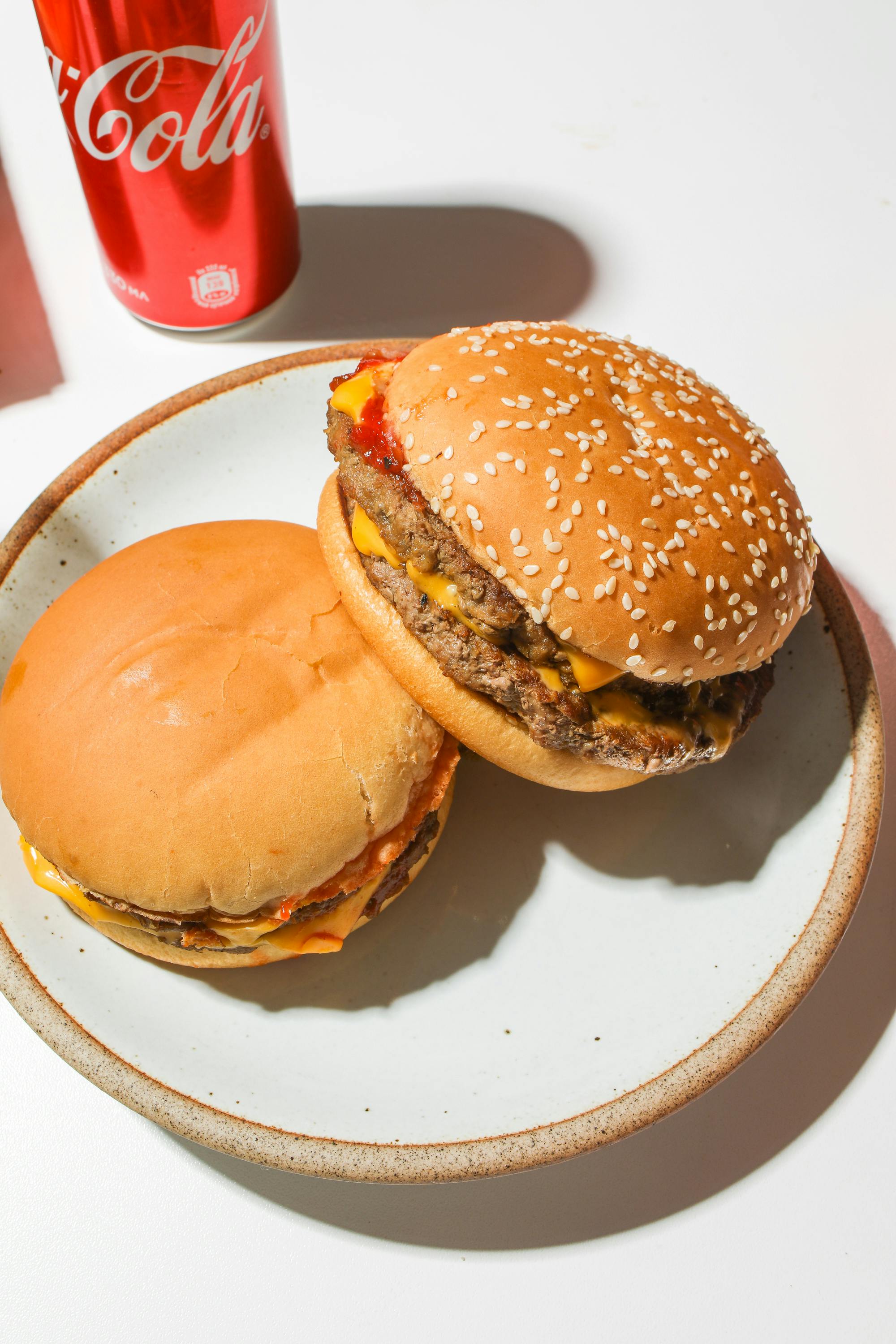
The modern value meal is less a gift than a balancing act. Restaurants still need an affordable entry point because inflation has made diners more selective and more likely to trade down. But few operators can permanently sell full-size meals at yesterday's prices without finding savings somewhere else.
Those savings usually come from six places at once: smaller portions, cheaper ingredients, leaner labor, reduced freebies, tighter customization, and data-driven digital offers. None of those changes sounds dramatic in isolation. Together, they explain how a meal can remain visibly cheap while becoming less generous, less flexible, and sometimes less satisfying.
For consumers, the practical lesson is simple. Do not judge value by the headline price alone. Judge it by portion size, ingredient quality, service, fees, and what happens after customization. In 2026, the real cost of a value meal is often everything the restaurant removed so you would not notice the number stayed low.



Leave a Reply