
Lay's is one of those brands that seems familiar until you look beyond the usual barbecue and sour cream aisle. Around the world, the company has released flavors that reflect local tastes, limited time promotions, and a willingness to turn almost any dish or drink into a potato chip.
Cucumber

Few chip flavors sound cleaner or stranger than cucumber, but Lay's really sold it in China. The flavor became one of the brand's better known international oddities because it aimed for the cool, lightly sweet taste of fresh cucumber instead of a heavy savory profile. That made it stand out from the salt, cheese, and meat flavored chips most shoppers expect.
What makes this variety memorable is how far it moves from the usual idea of a potato chip. Reports from people who tried it often described an aroma closer to cucumber salad than a snack food. It is an example of how Lay's regional strategy often works: build a product around a taste local shoppers already know, even if it surprises people elsewhere.
Blueberry
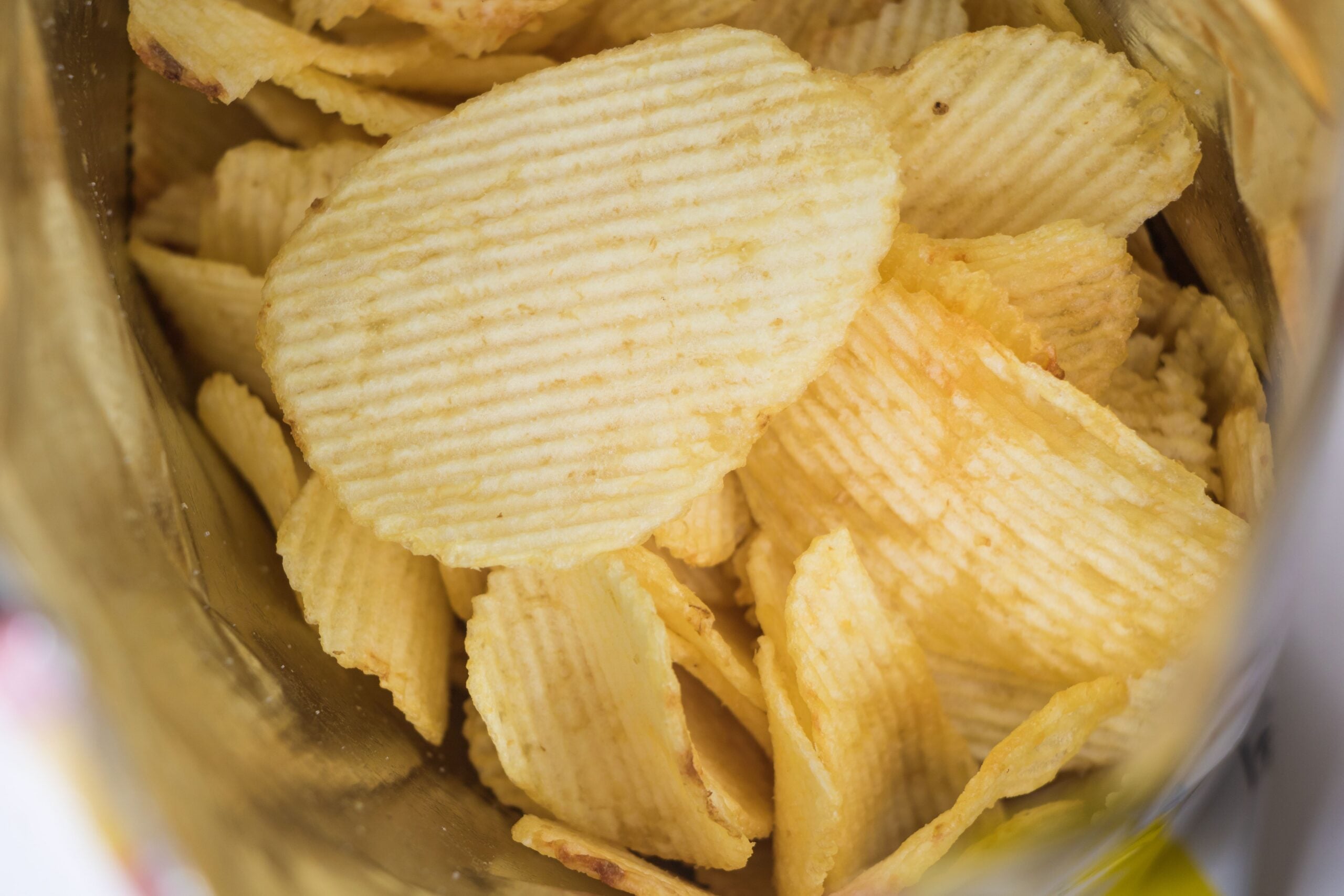
Blueberry flavored potato chips sound more like a dessert experiment than a mainstream snack, yet Lay's has used fruit flavors in some Asian markets. This one is unusual because it pushes chips into sweet territory without becoming a candy product. The result is less about jammy richness and more about a light fruit note layered over the familiar saltiness of a chip.
That contrast is the whole reason the flavor gets remembered. Sweet and salty combinations are common in packaged snacks, but blueberry on a potato chip still feels unexpected because people usually associate berries with muffins, yogurt, or cereal. Lay's has repeatedly shown that in some markets, a flavor does not need to imitate a meal. It can simply chase curiosity.
Cappuccino
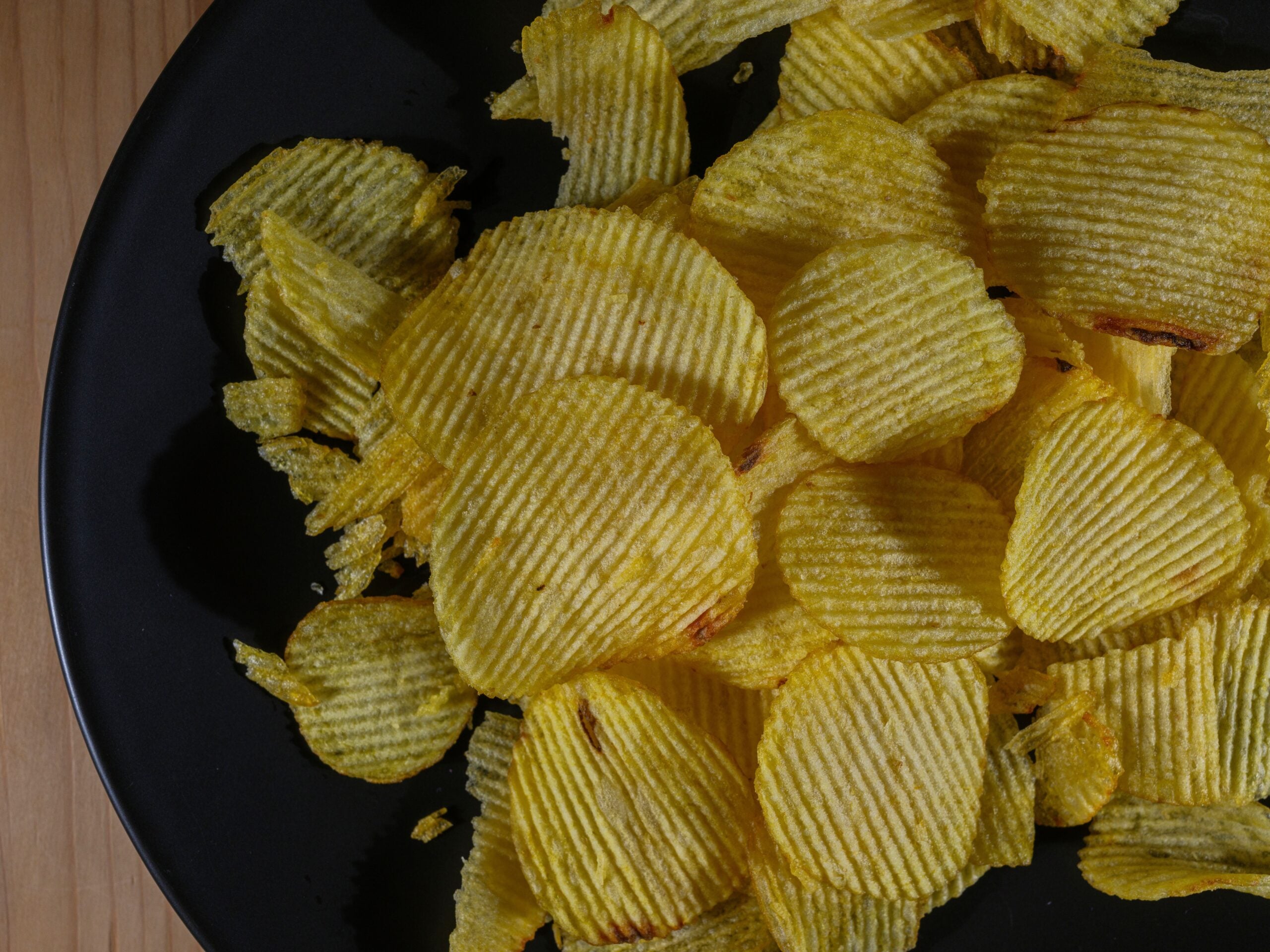
Cappuccino is one of the most talked about unusual Lay's flavors in the United States because it came from the brand's "Do Us a Flavor" contest. Introduced in 2014 as one of the finalist flavors, it tried to capture coffee, cream, and sugar in chip form. That alone made it a conversation piece, since coffee is normally a drink, not a savory snack seasoning.
The flavor became famous less for broad popularity and more for how divisive it was. Some tasters picked up sweet dairy notes, while others found the coffee profile awkward on a potato base. Even so, its release says a lot about Lay's product testing. The company was willing to put a highly unconventional idea on store shelves nationwide and let consumers decide.
Wasabi ginger
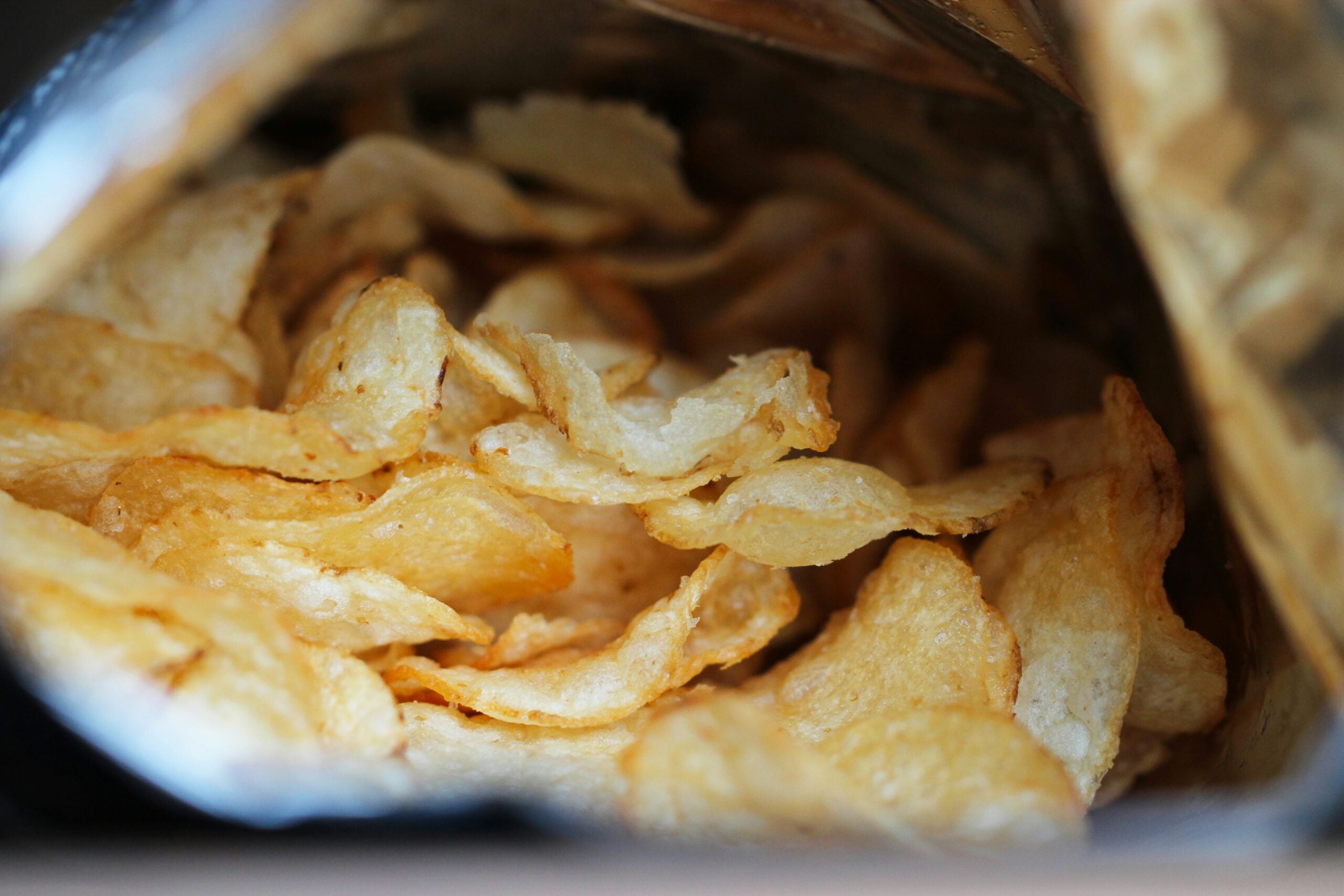
Wasabi ginger takes two strong Japanese condiment flavors and compresses them into one chip. Lay's released this variety in the United States as part of the same "Do Us a Flavor" contest that produced cappuccino. The concept made sense on paper because wasabi brings heat and ginger adds a sharp, lightly sweet edge, both of which can work in seasoned snack foods.
What made it strange was the level of specificity. This was not just a generic spicy chip. It referenced the flavors commonly served with sushi, which gave it a more culinary identity than most mass market snacks. Even people who liked it often noted that it tasted more like the side plate at a sushi restaurant than a standard potato chip, which is exactly why it stood out.
Cheesy garlic bread
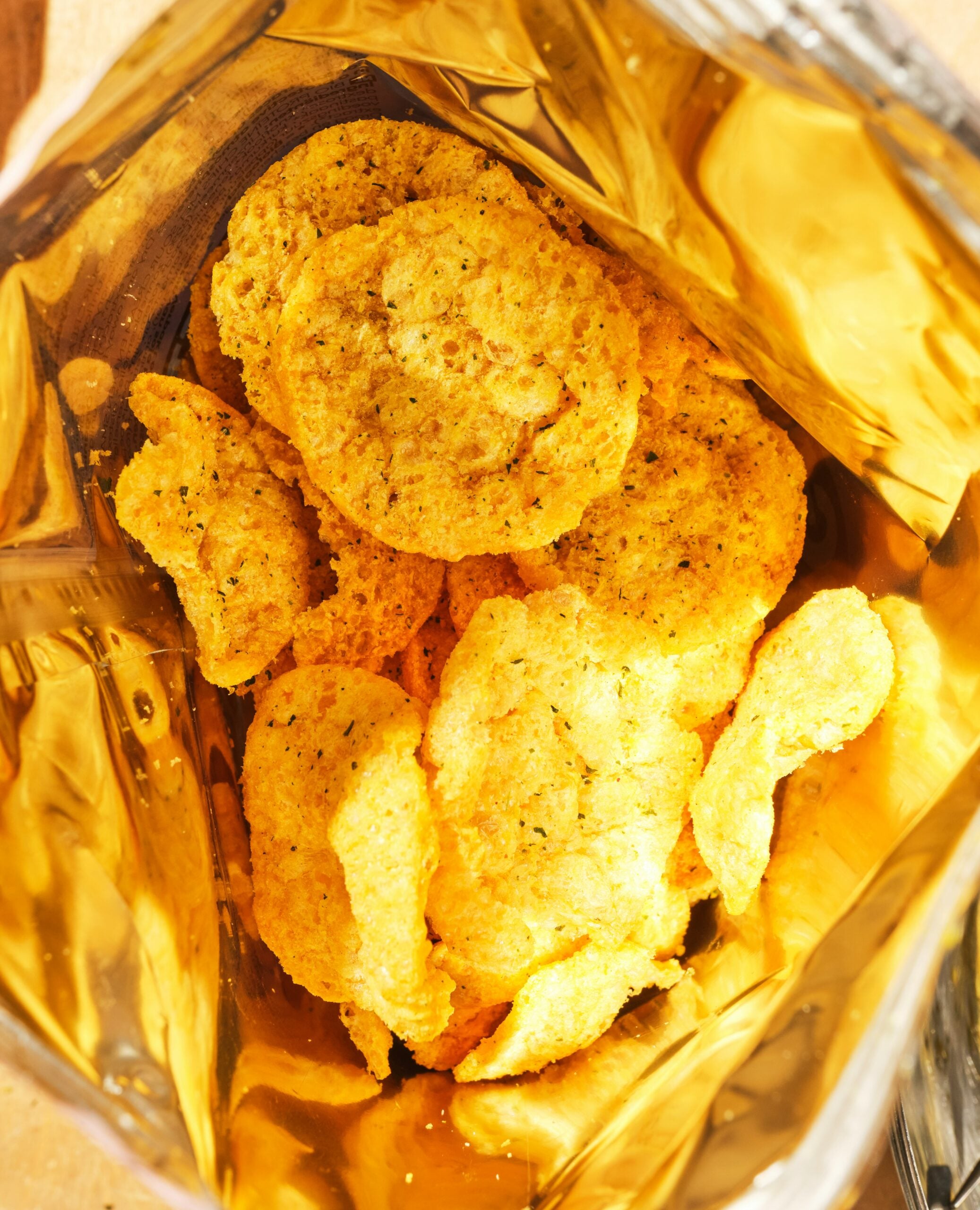
Cheesy garlic bread may sound more approachable than some entries here, but it still shows how far Lay's will go in turning entire dishes into chip flavors. This version appeared as a finalist in the 2013 "Do Us a Flavor" contest in the United States. Instead of imitating a single ingredient, it aimed to reproduce a hot side dish known for butter, garlic, cheese, and toasted bread.
That attempt to mimic a full comfort food made it unusual. Chips often borrow from broader categories like cheese or onion, but cheesy garlic bread asks one snack to suggest several textures and flavors at once. The flavor's existence also reflects a larger trend in packaged foods, where brands look to familiar restaurant and home cooking favorites to inspire limited edition products.
Biscuits and gravy
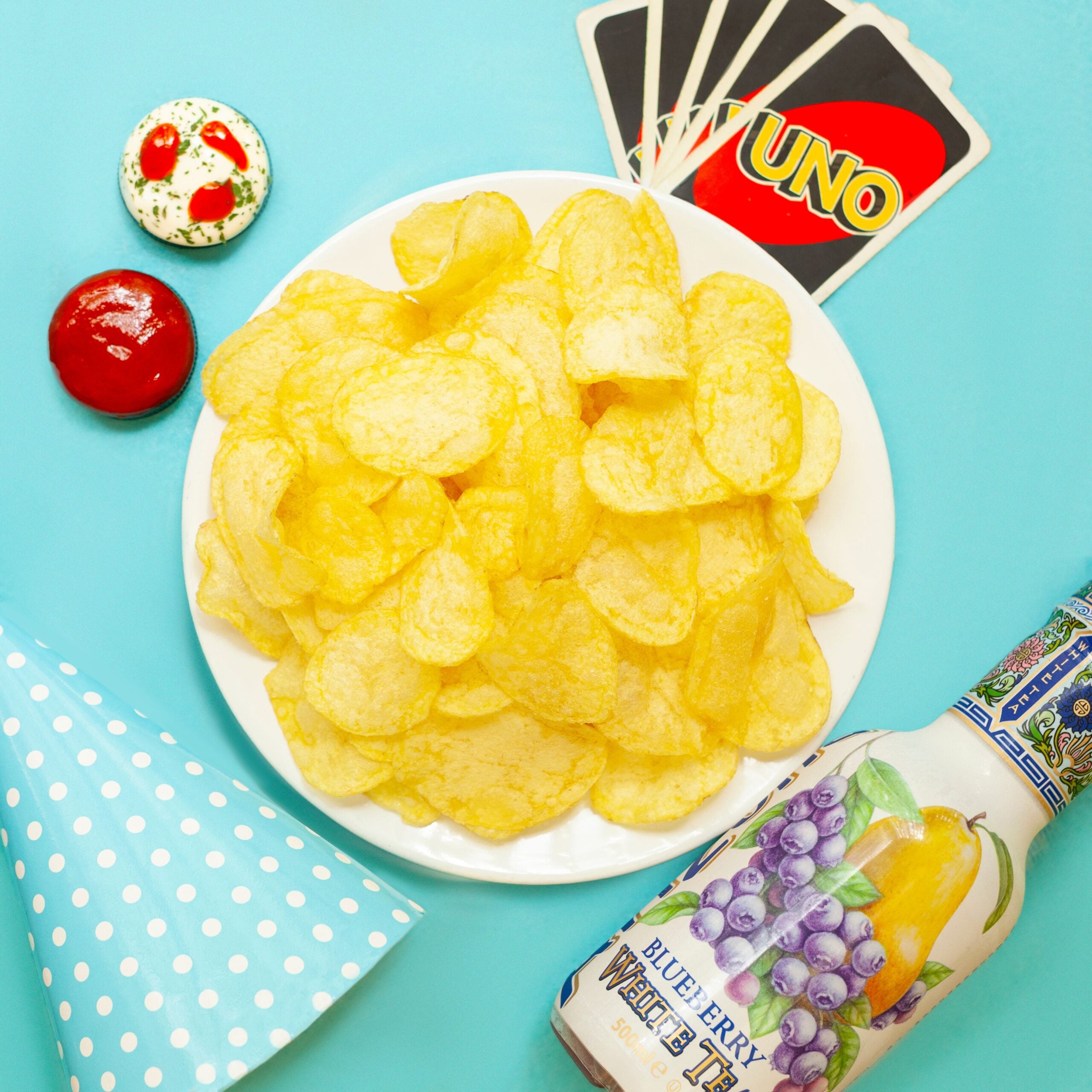
Biscuits and gravy was another 2015 finalist in Lay's U.S. flavor contest, and it remains one of the clearest examples of a regional American breakfast being transformed into a chip. The original dish is rich, peppery, and built around sausage gravy poured over soft biscuits. Translating that into a shelf stable seasoning powder was always going to sound unusual, even before people opened the bag.
Part of the fascination came from how specific the reference was. This was not "breakfast flavor" in a vague sense. It pointed to a Southern dish with a very particular taste and texture. Reviews at the time often focused on the pepper and sausage notes, which showed that Lay's was trying for a recognizable food memory, not just a novelty label.
Hot dog
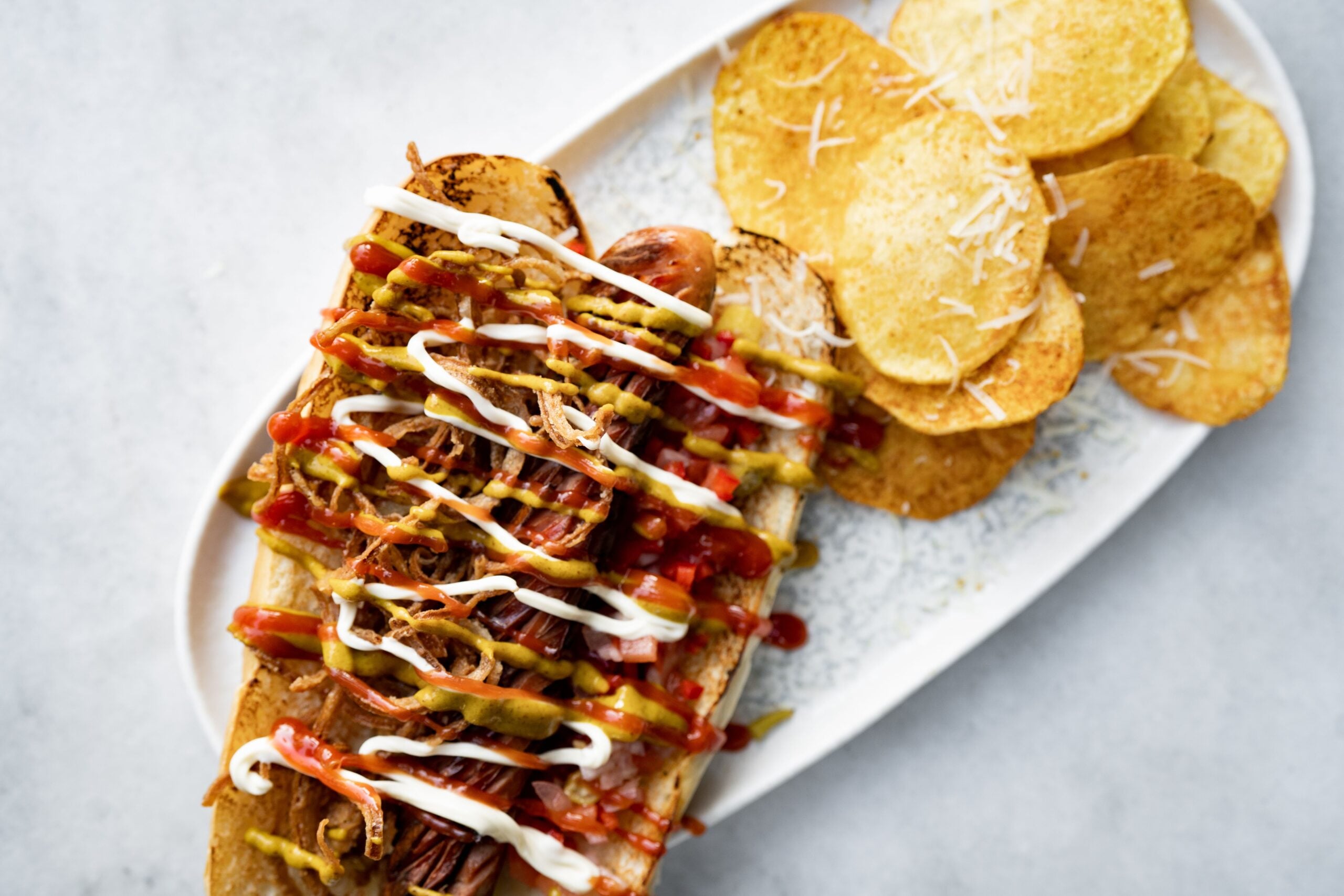
Lay's has also experimented with hot dog flavored chips, including releases tied to regional markets and promotional runs. A hot dog flavor is odd because it tries to capture not just meat, but the broader experience of a dressed sandwich, often including mustard, relish, onion, or ketchup notes. That makes it more complex than many novelty chips that lean on one dominant spice.
The flavor fits a pattern that shows up often in Lay's history: the brand likes flavors based on foods that are instantly recognizable in one bite of description. Hot dog does that perfectly. Even before anyone tastes it, they understand the reference. The weirdness comes from turning a ballpark meal into a dry seasoning and expecting it to work on a thin potato slice.
Seaweed
Seaweed flavored Lay's has appeared in Asian markets where seaweed is already common in soups, rice dishes, and packaged snacks. For shoppers in those places, it may not seem strange at all. For many people elsewhere, though, the idea of marine, savory seaweed on potato chips sounds unexpected because it is far removed from the cheddar and ranch flavors that dominate U.S. shelves.
This flavor says a lot about how global snack companies adapt to local tastes. Seaweed brings an umami profile, a deep savory taste, that works naturally with salt and oil. So while it may sound adventurous to newcomers, it is actually one of the more logical international flavor choices. The surprise comes less from the taste itself and more from who is doing the tasting.
Fried crab
Fried crab may be one of the boldest Lay's flavors because it tries to evoke a specific seafood dish rather than a broad shellfish note. Versions of crab flavored chips have appeared in Asian markets, where seafood seasonings are more common in snack aisles. For people used to plain, smoky, or cheesy chips, the leap to crab can feel especially dramatic because the flavor is so tied to a cooked entrée.
It also makes a fitting final example because it captures the full ambition of Lay's international playbook. The company does not only localize lightly. Sometimes it builds a chip around flavors many consumers would associate with a full meal. Fried crab shows how a global snack brand can use one familiar product, a potato chip, as a canvas for tastes that feel completely new.


Leave a Reply