
Plenty of foods still look familiar on the shelf in 2026, but the price tag tells a different story. For a growing number of shoppers, these once-routine buys started to feel less like basics and more like occasional treats.
Coffee beans
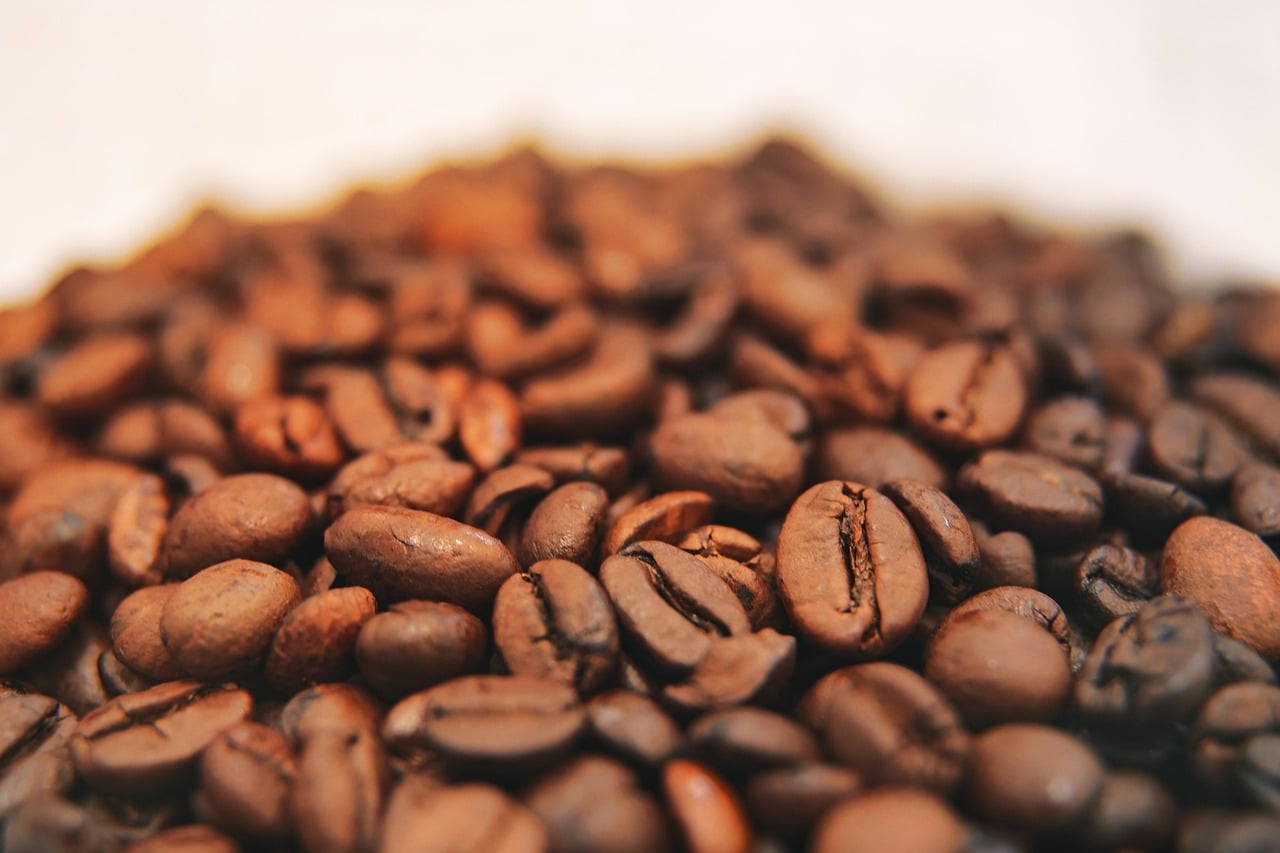
For millions of people, coffee is still a daily ritual, but 2026 kept reminding shoppers that coffee is an agricultural crop first. Prices stayed elevated after severe weather hit major producing regions and squeezed global supply.
Brazil, the world's largest coffee producer, has faced repeated drought and frost pressure in recent harvest cycles, while Vietnam's output has also been watched closely because of weather concerns. When two heavyweight suppliers are under strain at the same time, wholesale markets tend to react quickly.
That pressure showed up in cafes and grocery aisles. Even when brands tried to avoid dramatic sticker shock, many packages got smaller, blends changed, or promotions became less generous. A basic bag of beans increasingly felt like something to ration, not something to scoop freely.
Chocolate
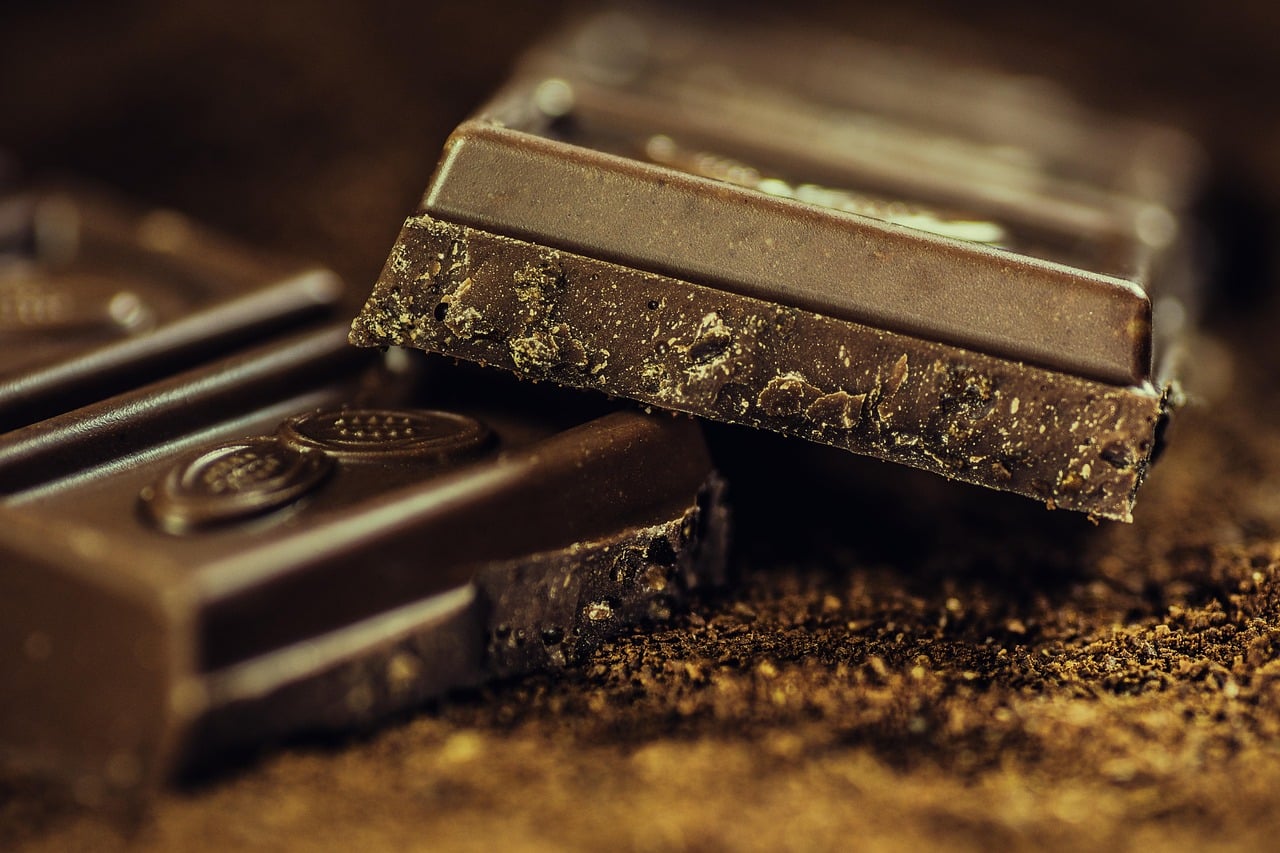
Chocolate's luxury turn has been driven less by branding than by the cocoa market itself. Cocoa prices surged after poor harvests in West Africa, especially in Ivory Coast and Ghana, which together account for a large share of the world's supply.
Crop disease, difficult weather and long running underinvestment in farms all added to the squeeze. When cocoa becomes dramatically more expensive at the commodity level, manufacturers have limited ways to absorb the shock, especially after years of broader food inflation.
Consumers felt it in obvious and subtle ways. Candy bars cost more, gift boxes climbed further out of impulse-buy territory, and some products leaned harder on fillings or smaller portions. A food once associated with an inexpensive treat started behaving more like a premium indulgence.
Orange juice
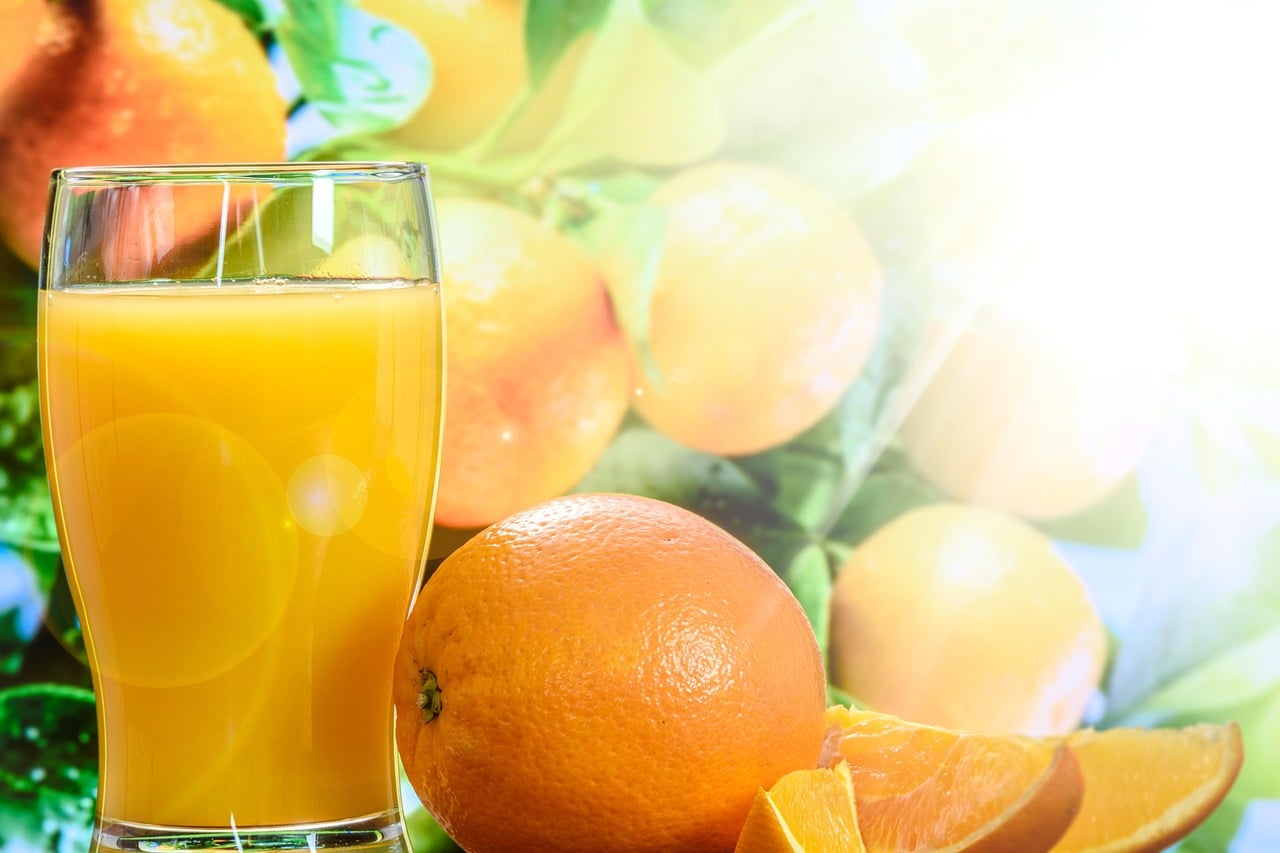
Orange juice had already become pricier before 2026, but the category's problems did not disappear. Florida's citrus industry has been battered by citrus greening, a plant disease that reduces fruit quality and yields, while storms and heat have added further strain.
The result has been a smaller domestic crop and a heavier reliance on imported juice. That can help keep supply moving, but it also leaves prices vulnerable to shipping costs, weather problems abroad and currency shifts.
For shoppers, this means the breakfast staple no longer feels reliably affordable. Multi-serve cartons often carry prices that encourage consumers to switch to smaller bottles, store brands or alternatives like apple juice. A once ordinary fridge item now gets treated with the caution once reserved for specialty beverages.
Olive oil
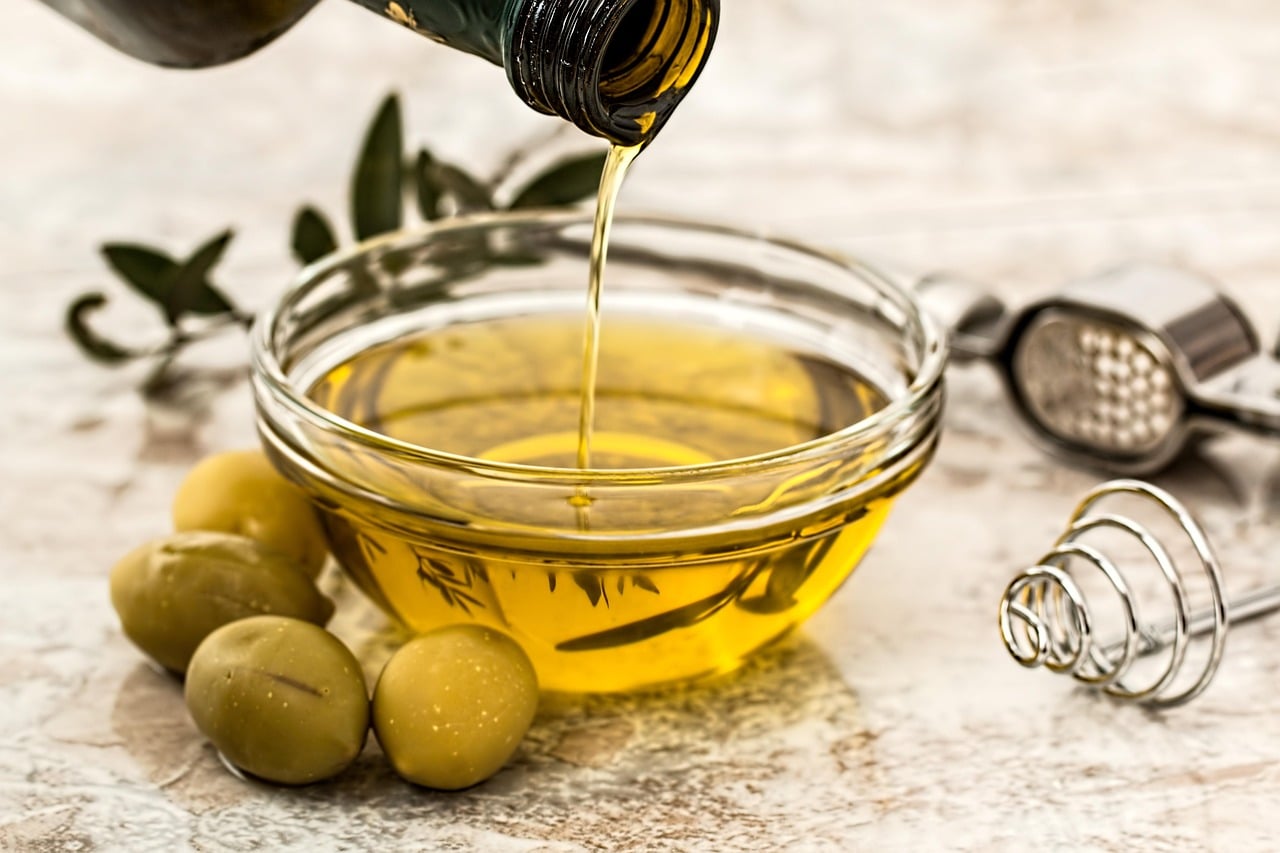
Olive oil became one of the clearest examples of a pantry staple drifting into luxury territory. Poor harvests in Mediterranean producers, especially Spain, pushed global prices sharply higher after drought and extreme heat reduced olive yields.
Because Spain is such a major supplier, trouble there affects far more than one country's grocery stores. Lower production tightened export availability and forced buyers around the world to compete for less oil, lifting retail prices even in markets far from the olive groves.
Households adjusted in practical ways. Some cooks reserved extra virgin olive oil for finishing dishes instead of everyday frying, while others moved to blended oils or bought smaller bottles. When people start measuring a basic cooking fat by the tablespoon, it has clearly crossed into a new category.
Beef
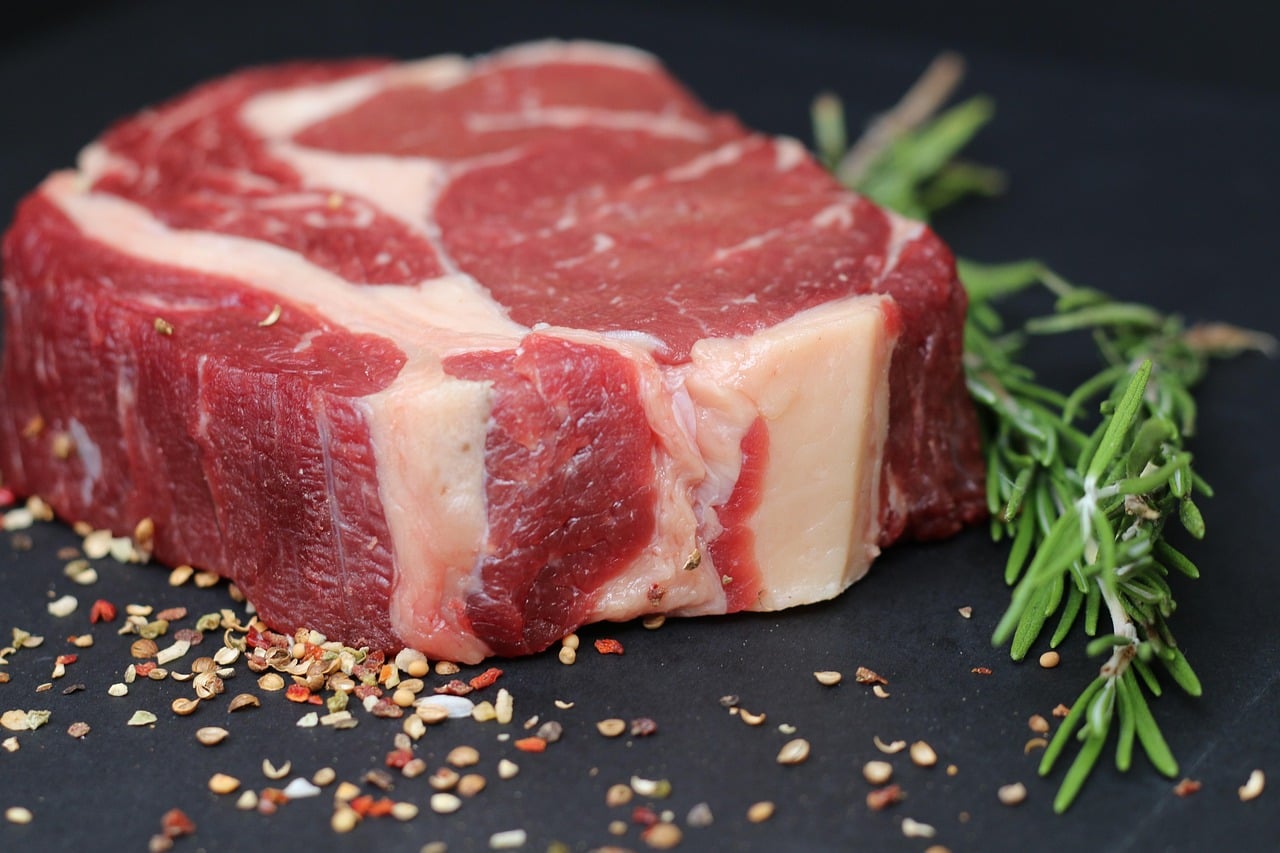
Beef's rising cost in 2026 reflects forces that build slowly and then show up all at once at the meat counter. In the United States, cattle inventories have remained historically tight after drought raised feed costs and pressured ranchers to reduce herd sizes.
Rebuilding a herd takes time, so supply does not bounce back quickly. Even if consumer demand softens, limited availability can keep prices elevated, particularly for popular cuts like steaks and roasts.
That is why beef increasingly feels like a special-occasion protein for many families instead of a routine dinner ingredient. Ground beef remains more accessible than premium cuts, but it has hardly been cheap. The gap between chicken and beef pricing has made the latter feel closer to a restaurant choice than a weekday default.
Eggs
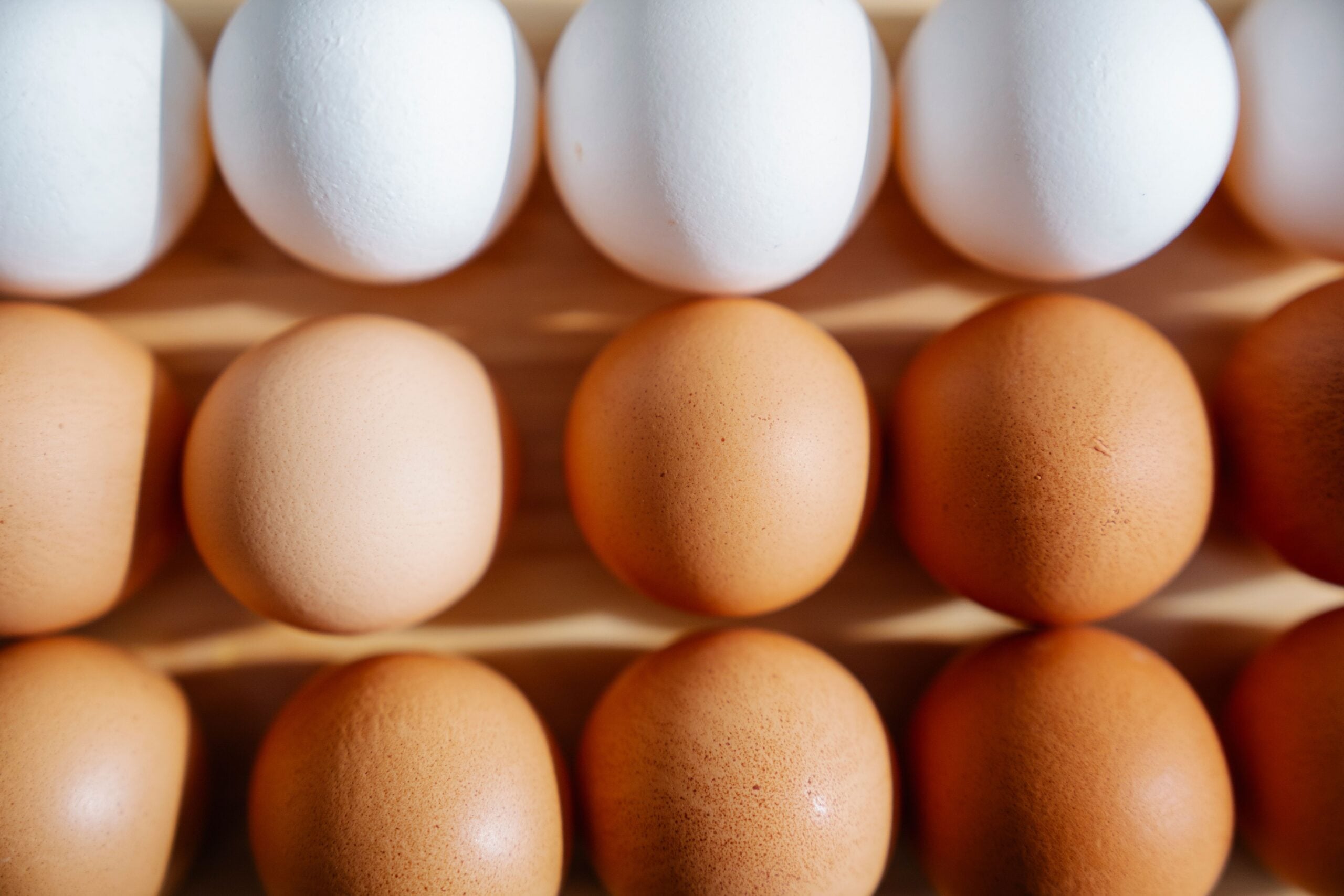
Eggs have had one of the most volatile price stories of the decade, and 2026 shoppers still felt the aftereffects. The biggest reason has been avian influenza, or bird flu, which has repeatedly reduced laying hen flocks and disrupted supply.
Egg prices can fall back when production recovers, but they can also rise quickly when new outbreaks hit. That stop-start pattern makes eggs feel unpredictable in a way they did not for many years, especially for households that rely on them as a low-cost source of protein.
The emotional shift matters almost as much as the price itself. People who once bought eggs automatically began checking shelf labels, comparing sizes and adjusting recipes. When an ingredient used for breakfast, baking and budget meals becomes something to monitor closely, it starts to carry the feel of a luxury item.
Butter
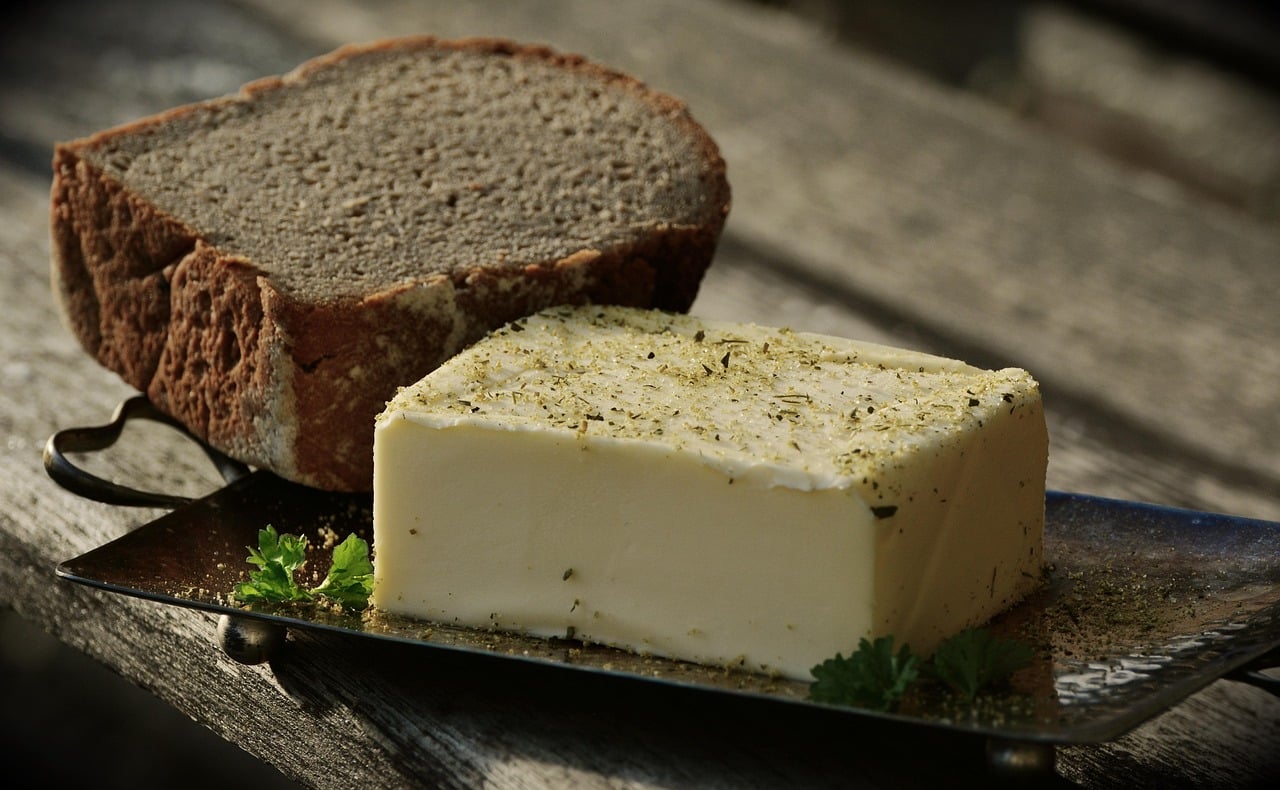
Butter has become another product that looks ordinary but increasingly behaves like a premium purchase. Dairy markets have been shaped by high input costs, including feed, labor and transportation, all of which can lift the price of milk and, by extension, butter.
Butter also has a seasonal and emotional pull that keeps demand firm. Bakers want it for holidays, restaurants want it for flavor, and many home cooks still prefer it over margarine for certain dishes, which limits how much consumers are willing to trade down.
That mix of steady demand and expensive production can make even a single box feel surprisingly costly. In practical terms, some shoppers have responded by freezing butter bought on sale or saving it for baking rather than everyday spreading. Those are the habits people usually reserve for pricier ingredients.
Avocados
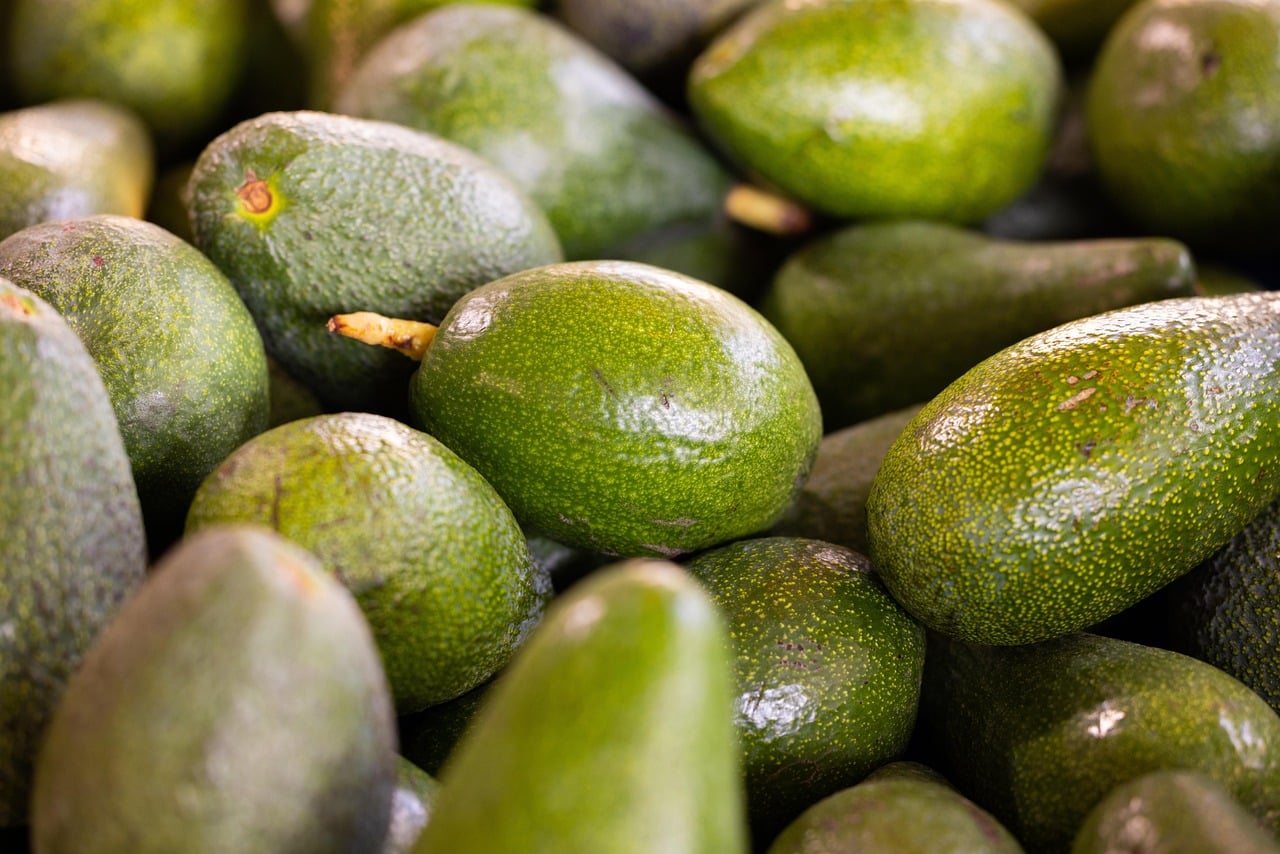
Avocados still project abundance in advertising, but their real world price has often told another story. Supplies depend heavily on Mexico for the U.S. market, so weather issues, crop cycles, transportation costs and trade disruptions can all quickly affect store prices.
That dependence makes avocados vulnerable in a way many shoppers do not notice until the bin is half empty or the per-fruit price jumps. Because avocados are often sold individually, even a modest increase is easy to spot and easy to resent.
The category's luxury feel comes from how optional it becomes under pressure. People may still buy one or two for a planned meal, but fewer toss several into the cart casually. A food once linked with everyday toast and salads increasingly reads like an extra, not a staple.
Vanilla
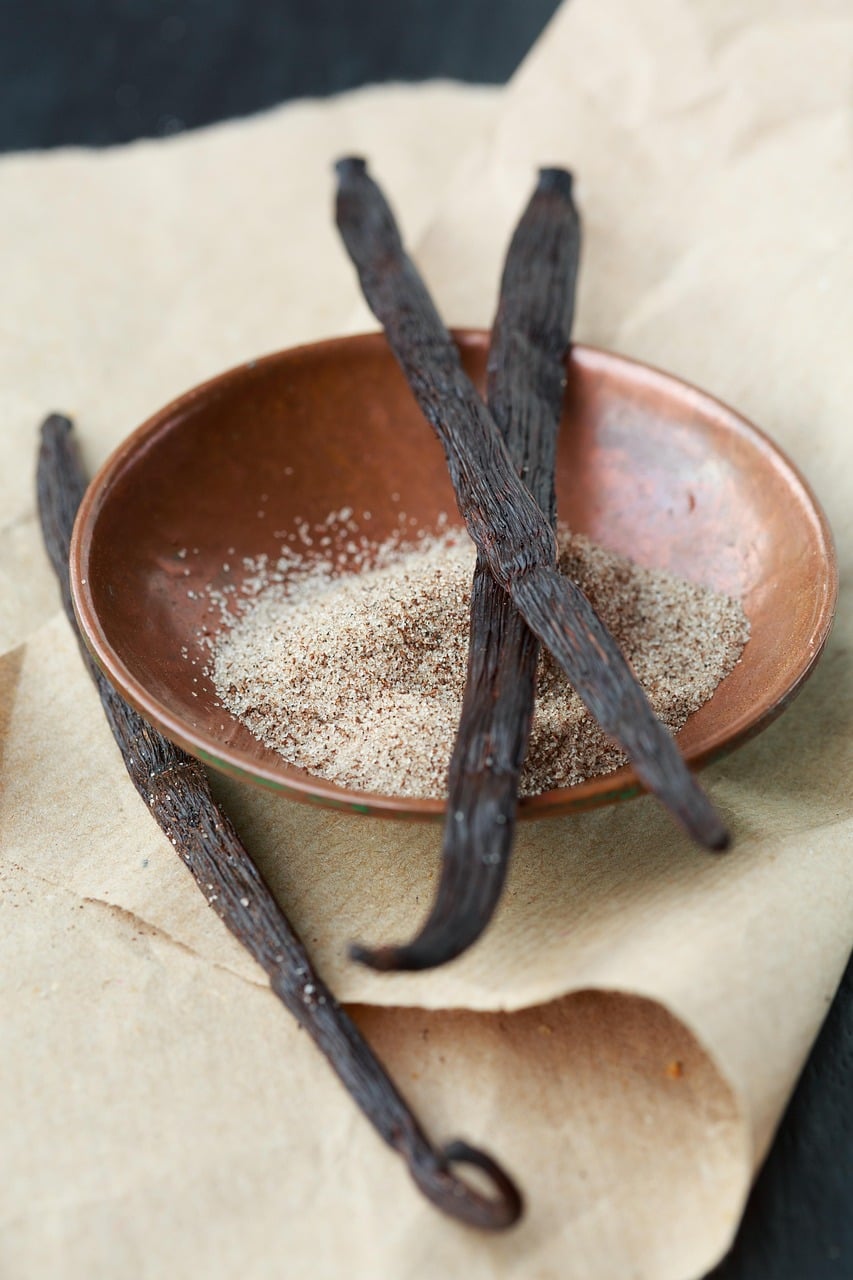
Vanilla is easy to overlook because it is often bought in small bottles, but that size can hide just how expensive it has become. Real vanilla is one of the most labor-intensive agricultural products in the world, and Madagascar plays an outsized role in global supply.
Cyclones, crop losses and market instability have repeatedly pushed vanilla prices higher over the years, with effects that can linger long after a single bad season. Food companies often switch to vanilla flavoring, but home bakers seeking pure extract still face the full cost.
That is why a bottle of real vanilla now carries the feel of a protected pantry asset. Many cooks use it more sparingly, save premium extract for special desserts, or turn to paste and imitation options when budgets are tight. For such a familiar flavor, it has become remarkably easy to treat as a splurge.


Leave a Reply